
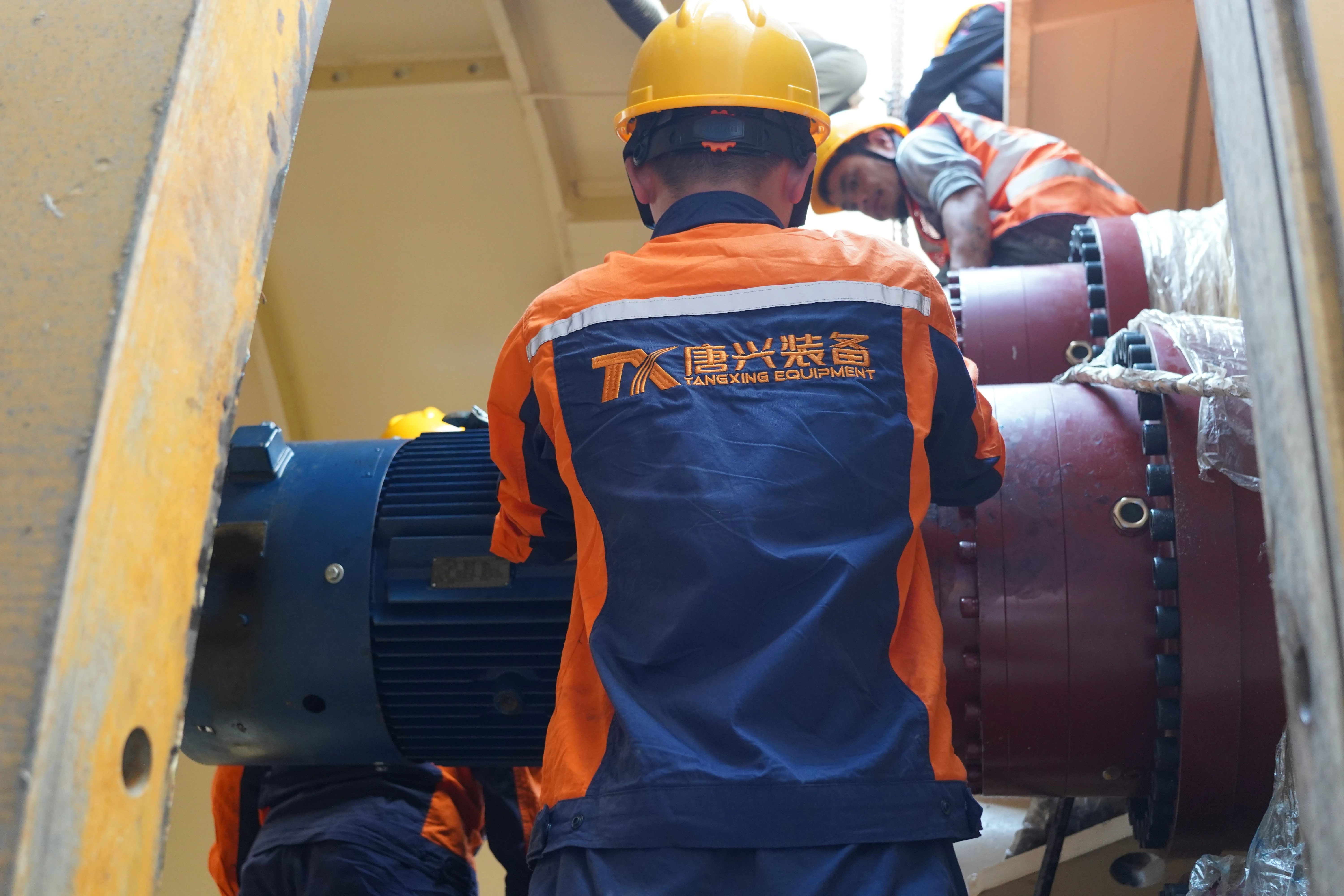
A TBM tunnel drifts when thrust balance is ignored, leading to tunnel misalignment and project complications. Proper thrust balance is essential to maintain a steady cutting face and prevent ground sinking or rising. CEGC provides tunnel machine solutions that assist you in managing thrust effectively, ensuring that tunneling remains safe and efficient.
Key Takeaways
-
Keeping the right thrust balance is very important for TBM work. It stops the tunnel from drifting and keeps the tunneling safe and fast.
-
Use real-time monitoring systems to find problems early. This lets you change settings fast and stop expensive delays.
-
If you ignore thrust balance, big problems can happen, like ground sinking and tunnel not being stable. Regular checks and smart technology help your project stay safe.
A TBM tunnel drifts when thrust balance is ignored
Thrust Balance in Tunnel Boring Machines
It is important to know about thrust balance to keep your tunnel project going well. Thrust balance means the pushing force is spread out evenly to move the tunnel-boring machine forward. The hydraulic thrust system gives this force. It pushes the cutter head into the ground and helps the machine go straight. If you use a TBM, Microtunnelling Machine, or auger boring machine, you need to control thrust balance so you do not have problems.
Here is a simple table that shows the main parts of a tunnel-boring machine and what they do:
|
Component |
Function |
|---|---|
|
Cutting Head |
Digs out the soil as the machine moves forward. |
|
Main Beam |
Gives strength and support to the machine. |
|
Thrust System |
Pushes the machine ahead by pressing on the tunnel face. |
|
Guidance System |
Makes sure the machine stays on the right path while tunneling. |
When you run a TBM, you also need to manage earth pressure balance. This is very important when the ground is soft. You control how fast the machine moves and how you take out the muck. Sometimes you add things like bentonite, foam, or polymers to keep the ground steady. These steps help you keep thrust balance and stop the machine from drifting.
The main ideas behind thrust balance are about three forces:
-
Normal pushing force: The hydraulic thrust system makes this force. It pushes the cutter into the rock.
-
Tangential rolling cutting force: The cutter head’s turning power makes this force. It lets the cutter break the rock as it rolls.
-
Lateral force: The cutter’s squeezing makes this force. It is not as strong as the other two.
You need to balance these forces to keep the TBM going straight. If you do not, the machine can drift away from the path. This is why a tbm tunnel drifts when thrust balance is ignored.
Causes of Tunnel Drift
A tbm tunnel drifts when thrust balance is ignored. You might see uneven pressure on the tunnel face. This can happen if the normal force gets weaker, often because of argillization. Argillization means the soil turns sticky and clay-like. When this happens, rolling and lateral forces get stronger. These forces can push the TBM to the side. The machine may move away from where you want it to go.
When you tunnel, sticky slurry can trap the cutters. This stops them from turning smoothly. Then, the pressure gets more uneven and the machine drifts more. Vibration from the machine and the ground can make this problem worse. If you do not control thrust balance, vibration can shake the TBM and make it move off its line. This is a big reason why a tbm tunnel drifts when thrust balance is ignored.
You also have technical problems when you try to measure and control thrust. Power lines, propellant, and cooling water pipes can add extra forces you do not expect. Electric and magnetic fields, and vibration from cooling liquids, can change thrust readings. You need to fix these problems to keep your TBM on track.
Modern guidance systems help stop drift. CEGC has good solutions for alignment and guidance. These systems use automatic guidance, real-time data, and smart cables. Cameras and sensors watch the TBM’s position. For example, in London, two lasers and PTZ cameras kept ground movement under 3 millimeters. This kind of control is very important for city tunnels, especially near buildings.
You need to use these new systems to keep your tunnel-boring machine, shield machines, and microtunnelling machines in line. If you do not pay attention to thrust balance, you could have tunnel drift, ground sinking, and expensive repairs. A tbm tunnel drifts when thrust balance is ignored, but with good checks and technology, you can keep your project safe and working well.
Tip: Always check thrust balance and vibration when tunneling. Use real-time checks to find problems early and keep your TBM on the right path.
Consequences and Prevention of Tunnel Drift
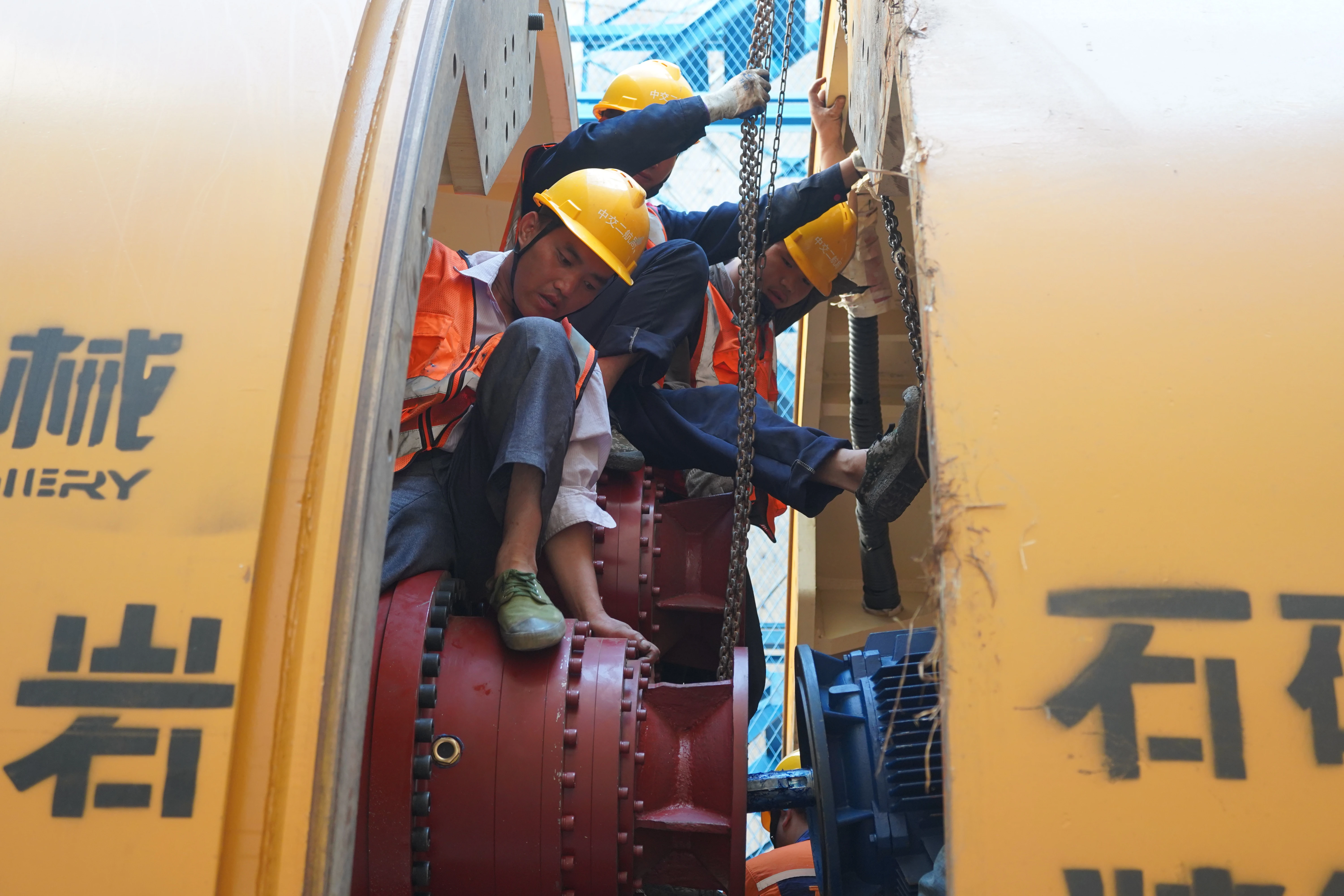
Risks and Project Impact
If you do not pay attention to thrust balance, many problems can happen. These problems can hurt your project and put your team in danger. Here are some main risks:
-
The ground above the tunnel can sink. This can damage roads or buildings and cost a lot to fix.
-
The tunnel face can become unstable and collapse. This is dangerous for workers and machines.
-
Water can leak into the tunnel and cause flooding. This slows down work and makes it more expensive.
-
The cutterhead can wear out faster. You will need to replace parts more often, which costs more money.
-
You might spend more than planned if the ground is not what you expected.
You might also have trouble steering your tbm or shield machines. Bad ground can make the tunnel weak. If the cutter wears out fast or water comes in, your work can stop. If cutting does not work well, you move slower and spend more.
|
Description |
Frequency |
|
|---|---|---|
|
Minor Delay/Cost Increase |
Small problems like stuck drill rods. These happen often. |
High |
|
Exceptional Delay/Cost Increase |
Big problems like tunnel collapses. These do not happen much. |
Rare |
If the tunnel drifts for a long time, it can make things weaker. Cracks in waterproof layers can let water in. This might not break the tunnel, but it can cause leaks. If you do not take care of the tunnel, it will cost more and be less safe. You need to check and study the tunnel often to keep it safe.
Preventing Tunnel Drift
You can stop tunnel drift by watching the tunnel in real time and using smart tools. Real-time checks help you see changes in the ground right away. You can change your tbm settings fast if you see a problem. You can find things like shaking or cutter wear before they get worse. Just testing the ground is not enough to control the tunnel.
Here are some good ways to keep thrust balance:
-
Control the pressure at the tunnel face to keep it safe.
-
Use guidance systems to watch where your tbm and shield machines go.
-
Pick designs that are easy to fix and keep working.
-
Check for shaking and machine problems often.
CEGC has solutions that fit what you need. You can change your tunnel-boring machine or microtunnelling machine for your job. You can pick different materials, designs, and surface finishes. You can also choose the best guidance system for your ground and tunnel size. Things like pipe size, inside pressure, and soil type matter when you choose. Good checks and careful building help your machines work safely and well.
Tip: Always use real-time checks and look at your data often. This helps you stop shaking, keeps the tunnel straight, and makes your project safe.
You can keep your tunnel straight if you watch thrust balance. If you ignore it, the tunnel can drift and cost more money. It can also be dangerous for workers. Use real-time checks, automatic controls, and smart computer systems to get the best results.
|
Measure Type |
Description |
|---|---|
|
Ground Condition Monitoring |
Lets you see changes early and fix them fast. |
|
Does simple jobs by itself and keeps things steady. |
|
|
AI-Assisted Monitoring |
Helps guess how things will go and makes work better. |
|
Makes sure each tunnel follows its own path. |
Pick CEGC’s tunnel machine solutions to help guide your project and make it a success.
FAQ
What happens if you ignore vibration during tbm tunneling?
You could have tunnel drift, cutter problems, and ground movement. Vibration can change how the tbm lines up and make it less safe. You should always check for vibration when using a tbm.
How does analysis help you control vibration in tbm projects?
Analysis helps you find where vibration comes from in your tbm. You can change the tunnel-boring machine settings to fix this. This makes tunneling safer and lowers cutter vibration.
Why do shield machines need vibration checks during excavating tunnels?
Shield machines get vibration from the ground and the tbm. Checking for vibration keeps tunneling technology safe. Regular analysis stops misalignment and project delays.


