
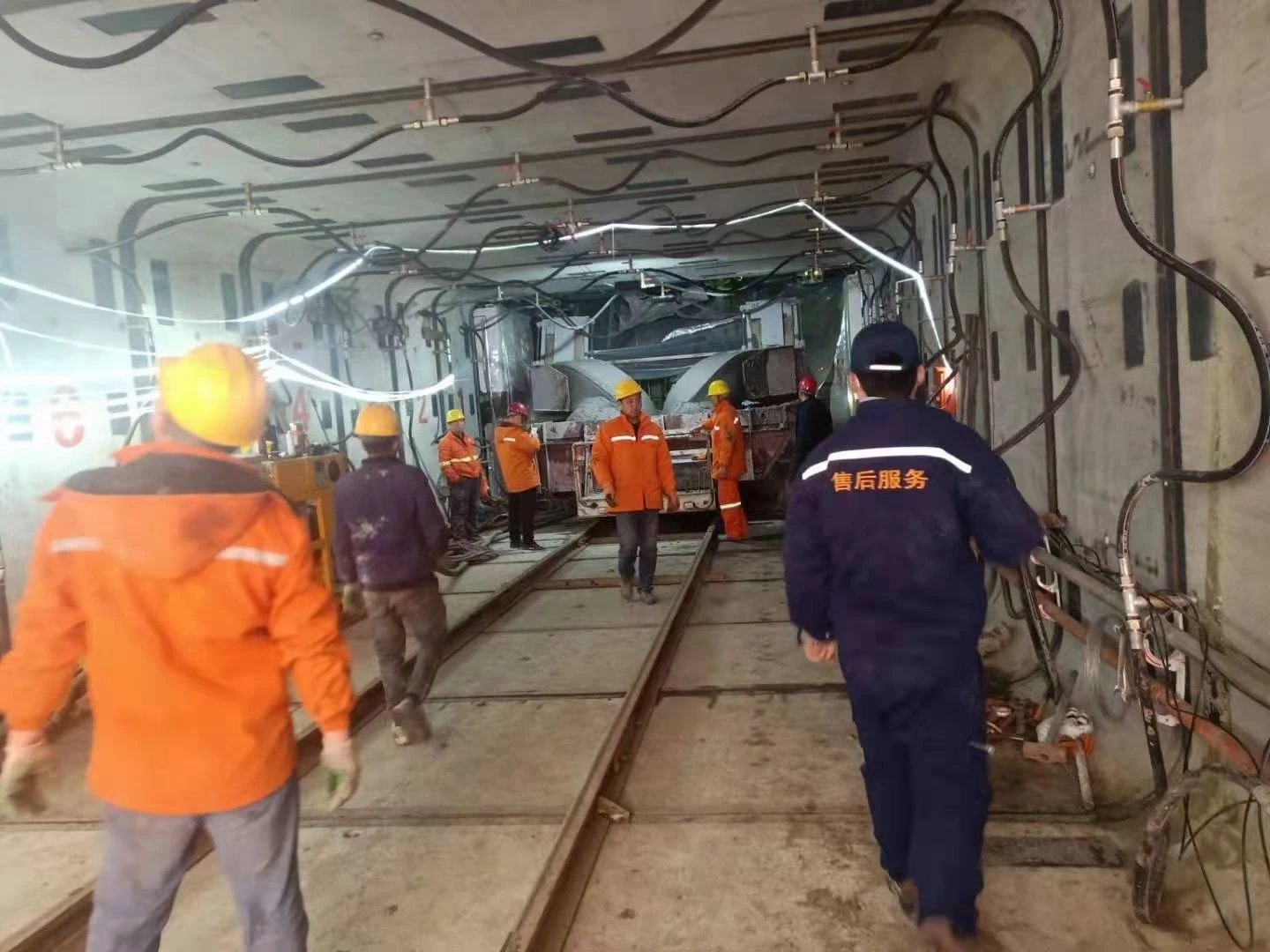
Efficient control reduces TBM machine idle time, enabling you to complete tunnel projects on schedule. High utilization rates protect your budget while also boosting productivity. CEGC provides advanced tunnel boring machine solutions that help you achieve your goals.
|
Key Metric/Strategy |
Impact on Financials |
|---|---|
|
Utilization Rate |
Striving for 90% utilization cuts idle time and costs. |
|
Idle Time Costs |
Every day the TBM machine is idle increases fixed overhead costs. |
Key Takeaways
-
Good control methods, like watching things in real time and fixing problems before they get worse, can really cut down on TBM idle time and help projects stay on track.
-
Using strong cutters and designs that can be changed easily means you do not have to change cutters as often, which saves time and cuts down on stops during tunnel boring work.
-
Training operators and making work steps better helps people work faster, so teams can fix problems quickly and keep using the machines a lot.
Main causes of TBM machine downtime
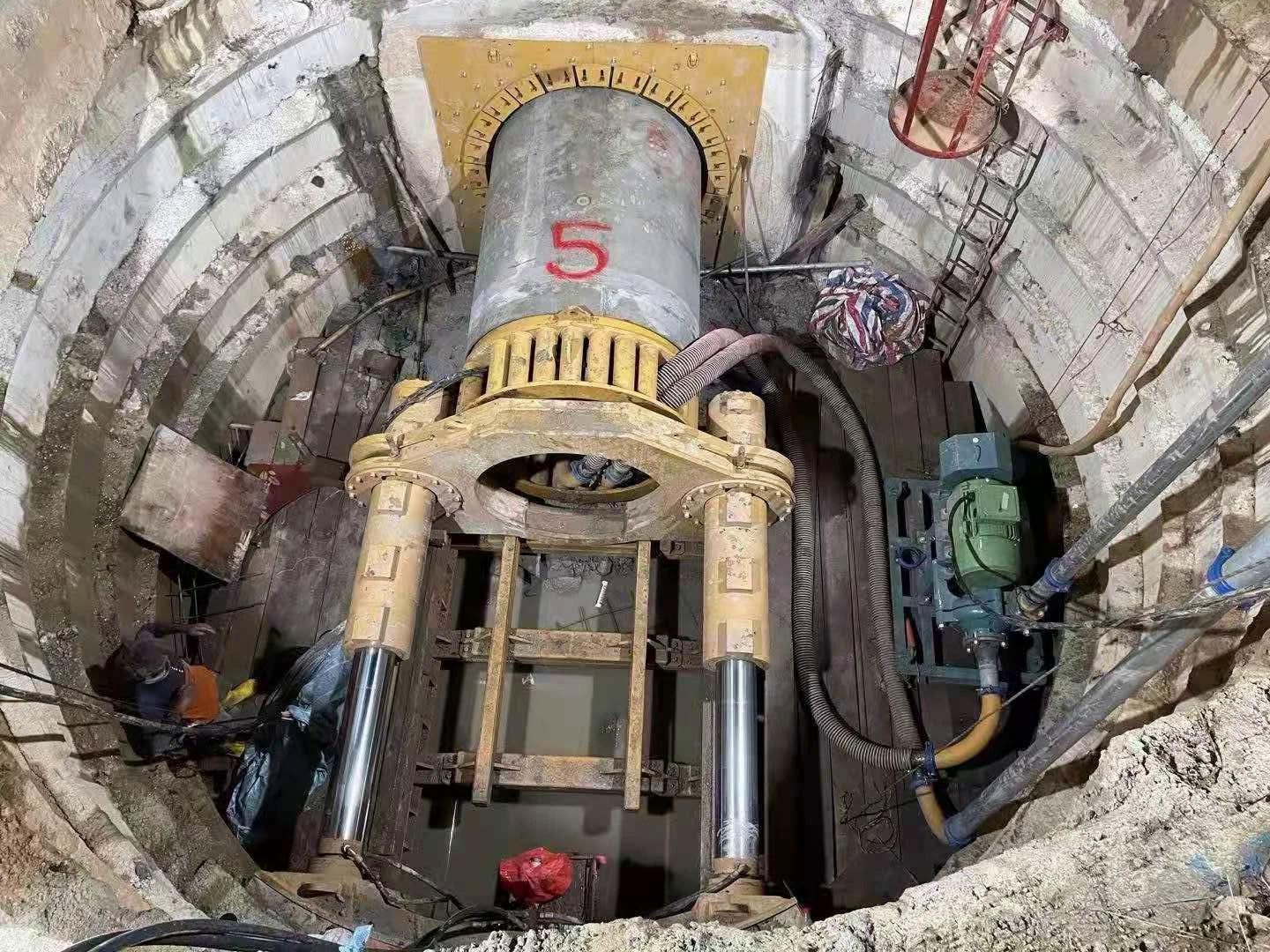
Ground conditions and face instability
There are many problems when tunneling through different ground. Unstable soil and high groundwater pressure can slow down your TBM tunnel boring machine or microtunnelling machine. When the ground settles, it often causes delays and makes the machine sit idle longer. The table below explains how ground settlement affects efficiency and what you can do to lower risks:
|
Impact of Ground Settlement on TBM Efficiency |
Mitigation Strategies |
|---|---|
|
Use ground conditioning |
|
|
Complicates the tunneling process |
Implement real-time monitoring |
|
Affects stability of the tunnel face |
Select appropriate TBM types |
Cutter wear and change frequency
Cutter wear is a big reason for downtime. Hard or mixed ground can make cutters wear out fast. This means you have to stop and do maintenance. Your TBM machine may have tools that help you check and control cutter wear:
-
A wear detection pipe on the cutterhead checks for wear on the structure.
-
Wear detection bits tell you when tools are worn or gage cutters are lost.
-
A man lock lets you safely look at and change cutters, but these jobs still add to downtime.
Alignment and overcut risks
If your auger boring machine or microtunnelling machine goes off line or grade, you must stop work to fix the alignment. Even small mistakes can mean you need to redo work or deal with utility problems. Overcutting can also make you dig too much, which slows things down and costs more.
Maintenance and logistics delays
Maintenance and logistics can cause extra idle time. You might have to wait for equipment or parts, or get delayed by a crowded site. Some common problems are:
-
Waiting for locomotives or cranes can add 10–20 minutes for each ring.
-
Productivity drops if you do not plan maintenance well.
-
Projects can be late by several days after a tough zone.
|
Complexity Type |
Description |
|---|---|
|
Equipment Allocation |
Good planning stops scheduling mistakes. |
|
Maintenance Issues |
Bad maintenance can break equipment and cause long delays. |
Efficient control strategies to reduce TBM idle time
Real-time monitoring and face pressure control
You can use real-time monitoring to check tunnel machine conditions. This helps you make quick choices. Monitoring systems show changes in ground and machine performance. Managing face pressure stops overexcavation and face instability. This keeps your TBM tunnel boring machine safe and working.
-
Keeping the right face pressure stops sudden ground movement.
-
Operators change face pressure to match hydrostatic and earth pressure with a safety margin.
-
Models like wedge stability or numerical modeling help set the best pressure levels.
-
You watch face pressure to handle changing geology, which makes things more efficient.
Soil conditioning technology helps keep the tunnel face stable. Soil conditioners and grouts make the tunnel environment steady. This gives predictable advance rates and fewer delays. Efficient control lowers TBM machine idle time by using real-time monitoring, face pressure control, and soil conditioning.
Reduce cutter change frequency and improve efficiency
You can change cutters less often by using high-performance cutters and modular designs. These ways make things more efficient and help cutters last longer. CEGC has cutterhead setups for different ground and advanced coatings. You only replace worn parts, which saves time and cuts downtime.
|
Method |
Description |
|---|---|
|
High-performance cutters |
Use special coatings to make cutters stronger and reduce friction. |
|
Modular cutter designs |
Change only worn parts, which cuts waste and downtime. |
|
Customized solutions |
Work with makers for designs that fit your ground. |
|
Operator training |
Learn how to read ground and do maintenance to help cutters last longer. |
|
Standardized procedures |
Follow SOPs to keep things steady and stop rough practices. |
You can make cutter maintenance better by checking wear and planning replacements with predictive models. This helps cutters last longer and keeps your tunnel boring machine moving. Efficient control lowers TBM machine idle time by focusing on cutter care, modular designs, and operator training.
Proactive maintenance to minimize downtime
You can cut downtime by using predictive maintenance and real-time monitoring. Predictive maintenance lets you fix things before they break. You check cutter blade wear and set limits for replacement. For example, a 12-mm wear limit for cutter blades helps with threshold-based maintenance. This matches maintenance with predictive wear models and lowers costs.
Using a 12-mm wear limit for cutter blades in TBM operations supports threshold-based maintenance. This helps cut downtime and makes things work better. This proactive maintenance uses real-time wear checks and planned cutter changes. It not only cuts downtime but also matches maintenance with predictive wear models, which lowers long-term costs.
You can use modular design and easy layouts to make maintenance simpler. CEGC gives project support packages with training, commissioning, spare parts planning, and maintenance scheduling. Efficient control lowers TBM machine idle time by making maintenance easy and predictable.
Operator training and workflow optimization
You can make things more efficient by training operators and improving workflows. Operator training teaches you how to use monitoring systems and follow maintenance steps. Workflow optimization uses real-time data to make scheduling better and cut manual tasks.
-
Manufacturing Execution Systems (MES) give real-time data and cut manual work.
-
MES makes maintenance scheduling better and lowers unplanned downtime by 20–30%.
-
You save 2–3 man-hours per shift by automating tasks like tyre count capture.
-
Live build counts help balance loads during shifts.
-
Preventive maintenance auto-starts when a TBM hits 500 hours, which cuts downtime.
You can change your tunnel boring machine to fit project needs and market standards. Mechanical performance and durability help you cut downtime and handle different ground. Efficient control lowers TBM machine idle time by using operator training, workflow optimization, and project customization.
Implementation and project efficiency results
Step-by-step process for efficient control
You can make your project work better by following simple steps. First, pick the right automation level for your tunnel boring machine. If the ground is the same everywhere, high automation works well. In cities, operators need to help more. Use real-time monitoring to check face pressure and thrust speed. Make sure grout operations match with your tunnel boring machine to support the tunnel face. Safety features like automated interlocks help keep workers safe. Plan maintenance based on how the machine is working to stop delays. The table below shows important steps:
|
Key Step |
Description |
|---|---|
|
Automation Level |
Match automation to geology and project needs. |
|
Real-time Monitoring |
Track face pressure and thrust speed for safety and performance. |
|
Grout Coordination |
Link grout plant and tunnel boring machine for timely support. |
|
Safety Features |
Use automated monitoring and interlocks to protect workers. |
|
Planned Maintenance |
Schedule maintenance based on machine condition to reduce downtime. |
Case examples from CEGC TBM projects
You can see how these steps work in real projects. CEGC uses strong monitoring systems in tunnel boring machine jobs. Sensors measure thrust, pressure, speed, and motor performance. Predictive modeling helps you know what will happen with the ground and machine during tbm tunnel drives. Preventive maintenance checks parts for wear so you can fix things before they break. Smart technology gives real-time data so you can act fast. These steps keep your tunnel boring machine running well and cut downtime in tbm tunnel drives.
-
Sensors track important things without stopping the tunnel boring machine.
-
Predictive maintenance warns you about problems before they cause delays.
-
Real-time monitoring helps you restart quickly in tbm tunnel drives.
-
Preventive checks help you keep performance up and avoid breakdowns.
Measuring project efficiency and outcomes
You can check how well your project is doing by using clear numbers. In CEGC tunnel boring machine projects, you see high efficiency and good results. For example, the MetroSur project finished 936 meters in 31 days. Soil conditioning tests on the M30 motorway showed cutterhead torque at only 30% of what was expected. The table below shows important results:
|
Metric |
Value |
|---|---|
|
R² (Advance Speed) |
0.97 |
|
R² (Ground Settlement) |
0.91 |
|
Operational Efficiency Increase |
30% |
|
Throughput Boost |
Up to 400% |
|
Transaction Speed Improvement |
200% |
You also see better reliability and sustainability in municipal utility tunnel boring machine projects. AI-driven innovations and smart technology make safety and decisions better. These results show that efficient control in tbm tunnel drives leads to better project efficiency and outcomes.
You can make tunnel projects work better with real-time monitoring. Predictive maintenance helps you fix things before they break. Operator training teaches workers how to use the machines well. CEGC’s TBM tunnel boring machine and microtunnelling machine help lower downtime. These steps give you long-term benefits:
|
Benefit |
Description |
|---|---|
|
You make the machine work its best. |
|
|
Enhanced Safety |
Workers are safer on the job. |
|
You spend less on labor and energy. |
FAQ
What causes high idle time costs in tbm tunnel boring projects?
Idle time costs go up when the machine stops. This can happen for cutter changes, fixing things, or waiting for the project to move forward. These problems make the machine work less and cost more money.
How does cutter wear rate affect the cost impact of tbm machine operations?
When cutters wear out faster, you spend more money. You have to change cutters more often, which can slow down the project. Using predictive modeling helps you know when to change cutters.
How can you improve utilization rate and reduce costs in tbm machine projects?
You can watch how the machine works to help it run more. Planning when to fix or change cutters also helps. Predictive modeling lets you plan ahead. These steps save money and keep the project moving.


