
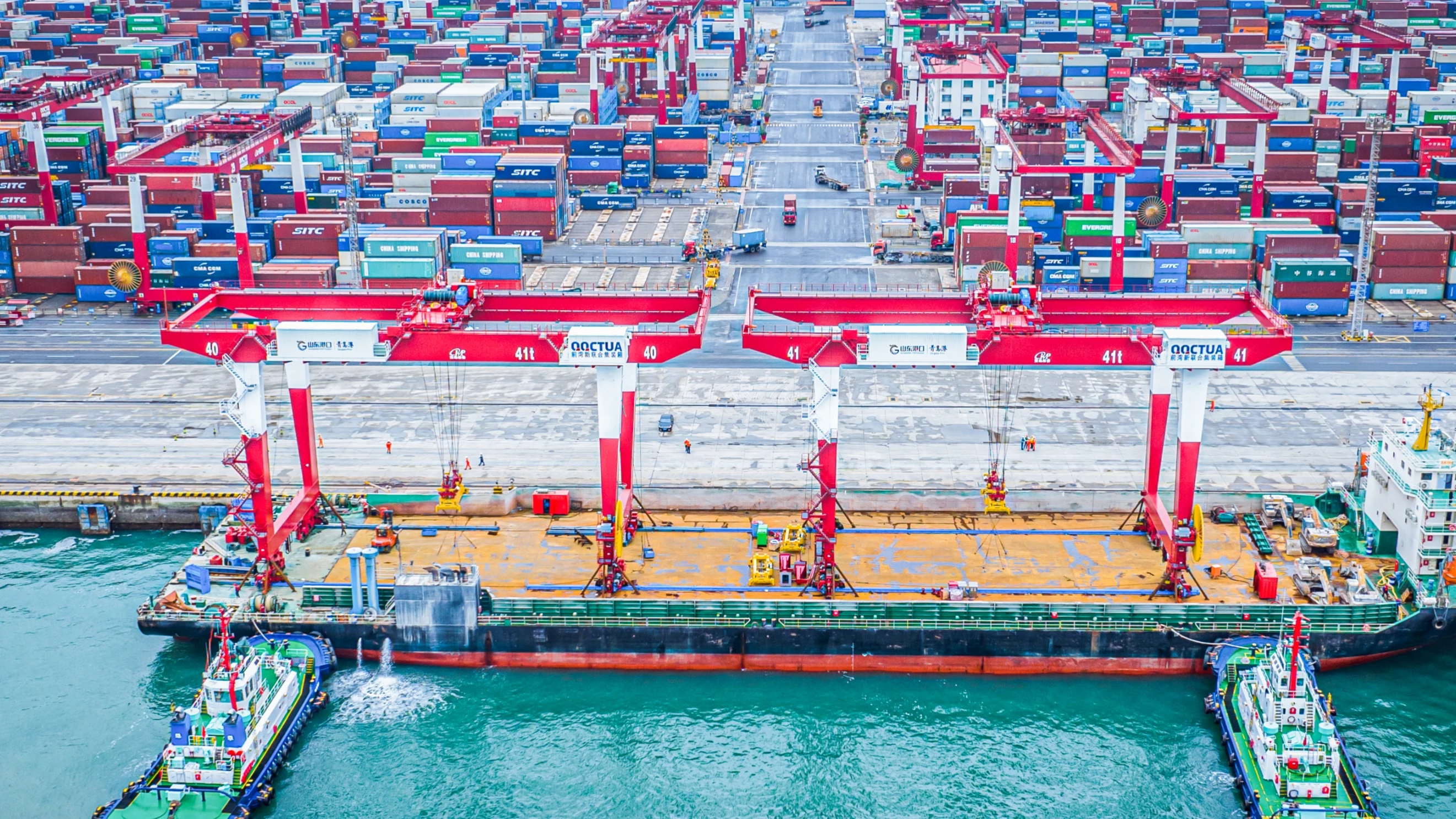
Container handler blind-spot sensing reduces tip risk by providing immediate hazard alerts, allowing operators to spot potential dangers such as crash risks earlier. Enhanced visibility ensures safer operation of port machinery and improves overall efficiency for terminal teams. CEGC offers advanced container handler blind-spot sensing solutions tailored to your requirements, helping keep your crew safe and your operations running smoothly.
Key Takeaways
-
Container handler blind-spot sensing gives quick warnings about dangers. This helps operators stay away from accidents and makes things safer. Using new tools like cameras and sensors helps people see better. It also lowers the chance of tipping and makes port work faster. Training often and taking care of safety systems is very important. This helps blind-spot sensing technology work its best.
Blind Spots and Tip Risk in Container Handling
What Causes Blind Spot Accidents
Blind spot accidents happen when you cannot see everything. Equipment design and how operators act can block your view. Forklift blind spots show up when you carry tall loads. These loads block your sight and make crashes more likely. Blind spots are worse when turning or in tight places. You find blind spots in front of the forklift, behind it when backing up, and on both sides in narrow aisles. These dangers affect portal cranes, container handlers, reach stackers, and other port machines from CEGC. Blind spot accidents happen because you cannot see every angle. This is true when handling big containers or working in busy yards.
Impact on Container Handler Safety
Blind spot accidents put you and your team at risk. Federal rules say you must check blind spots, but forklifts make this hard. Crashes with people can cause serious injuries because port machines are heavy and big. Blind spot accidents also break equipment, which costs money and time to fix. Commercial trucks and container handlers have bigger blind spots than cars. This makes accidents more likely. Blind spots can stretch 20 feet in front and 30 feet behind. This makes people or small vehicles hard to see. These dangers raise tip risk, especially when you use empty container handlers at high places.
Limitations of Traditional Safety Methods
Old safety methods use many steps to protect you, but weak spots can still cause blind spot accidents. You need to find and fix these weak spots to stay safe. Knowing how accidents happen helps you make better safety rules. Anti-sway control, safety interlocks, and operator-centered HMI from CEGC give technical help to lower blind spot accidents. Safety interlocks stop machines when guards are lifted or doors are open. This keeps accidents from happening. AI-driven systems and blind spot detection systems give alerts right away. These help you avoid tip risks and make container handling safer.
Container Handler Blind-Spot Sensing Reduces Tip Risk
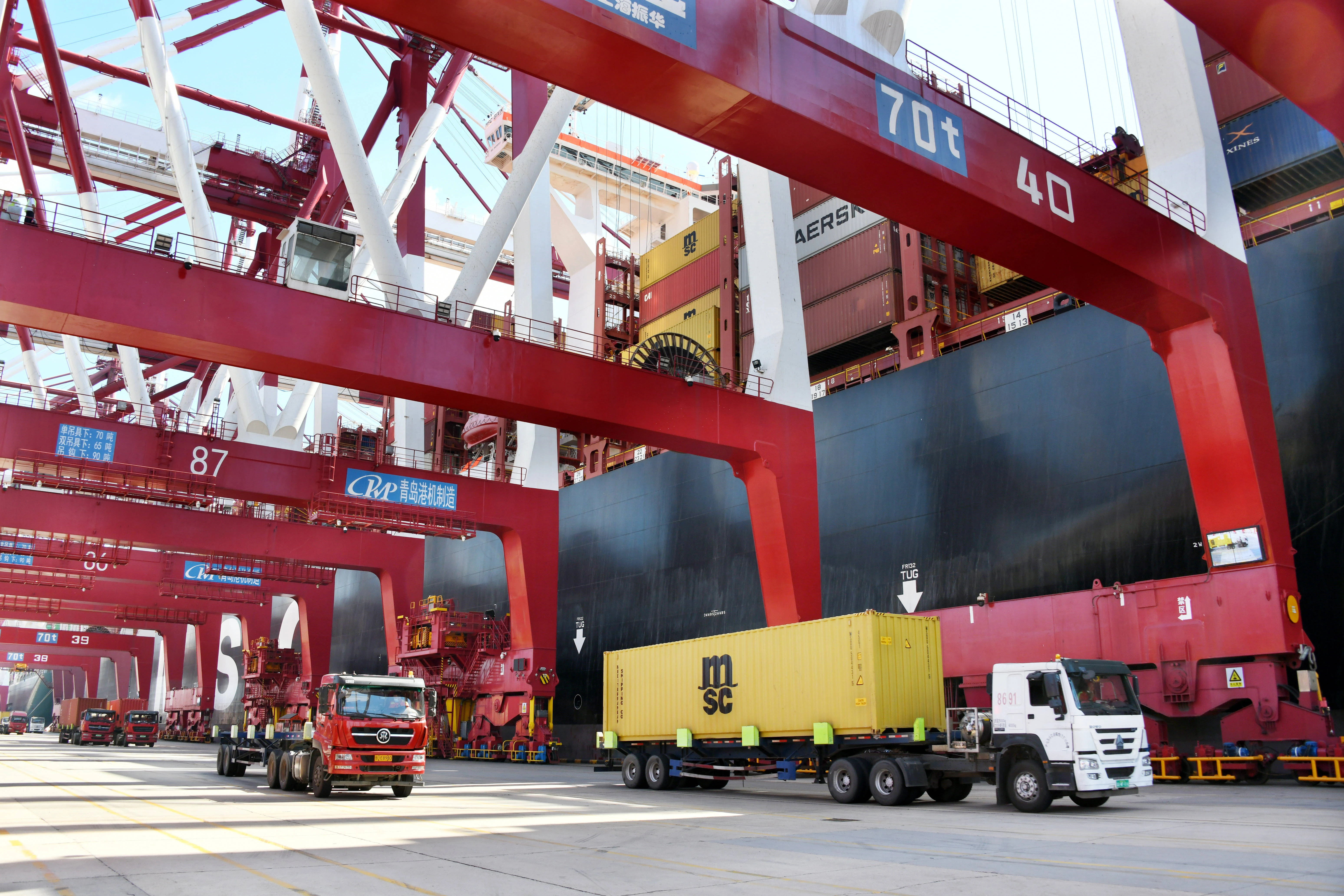
Sensing Technology Overview
You need to see clearly to use container handling equipment safely. Container handler blind-spot sensing lowers tip risk by giving you alerts right away about dangers. Radar and camera-based systems help you spot things and people near your machine. These systems use truck camera monitor systems to show a full view all around. You get alerts when something enters your safety zones. Forklift blind spot monitoring uses many cameras, AI, and LIDAR to check every angle. You can trust camera monitoring system and 2D laser scanners for good spatial awareness. Radar finds moving objects and shows their speed. Multi-angle forklift blind spot coverage helps you see dangers from every side.
Here is a table showing the main parts and what they do:
|
Component |
Function |
|---|---|
|
Makes a virtual safety shield around the machine and checks the area all the time. |
|
|
Driver monitoring |
Watches how the driver acts and gives warnings right away. |
|
Machine-control |
Works with vehicle controls to make things safer and stop crashes. |
You also get help from forklift-pedestrian interaction monitoring and pedestrian detection system. These features help you watch for safety and see what is happening. You get alerts in your mirrors or on your screen when someone or a vehicle enters your blind spot. Real-time emergency alerts warn you about crash risks. You see yellow signals for caution and red signals for danger. Truck camera monitor systems and camera monitoring system help you see your surroundings clearly.
Preventing Blind Spot Accidents
Container handler blind-spot sensing lowers tip risk by stopping forklift accidents. Forklift blind spot monitoring finds nearby dangers and gives alerts before you face trouble. Collision avoidance system uses smart sensors to stop crashes and protect your equipment. You get alerts when people, bikes, or vehicles enter your blind spots. Safety zones help you keep people and things away from risky areas. Multi-angle forklift blind spot coverage makes sure you see every danger.
You can change CEGC solutions for sensor sets, anti-collision zones, and extra safety. Anti-sway control lowers load swing for safer handling. Collision avoidance system uses smart sensors to protect your equipment. Extra safety systems keep your work safe and follow rules. You can change safety zones and alerts to fit your site.
Here is a table showing ways you can customize:
|
Customization Option |
Description |
|---|---|
|
Anti-Sway Control |
Lowers load swing for safer and more accurate handling. |
|
Collision Avoidance |
Uses smart sensors to stop crashes and protect equipment. |
|
Redundant Safety Systems |
Makes sure everything is safe and follows the rules. |
You get emergency alerts in real time that help you act fast. Forklift-pedestrian interaction monitoring makes safety checks better and lowers forklift accidents. Truck camera monitor systems and camera monitoring system help keep forklifts safe and lower accidents. You can trust alerts to keep your team safe.
Reduce Forklift Accidents and Improve Safety
Container handler blind-spot sensing lowers tip risk and helps stop forklift accidents at ports. Forklift blind spot monitoring and collision avoidance system lower the chance of safety problems. Truck camera monitor systems and camera monitoring system make forklifts safer and help operators feel confident. You get alerts that warn you about dangers and help you avoid accidents.
Studies show that proximity technology can cut forklift accidents by 50-65%. AI-powered detection systems have cut near-miss incidents by 98%. Collision avoidance system use in North America has dropped accidents by 70%. You can see these results in the table below:
|
Evidence Description |
Collision Reduction Percentage |
Source |
|---|---|---|
|
Proximity technology across many sites |
50-65% |
Persistence Market Research |
|
AI-powered detection at Vertical Cold Storage |
98% fewer near-misses |
Voxel AI |
|
Collision avoidance systems in North America |
70% |
Persistence Market Research |
You also get work benefits. Container handler blind-spot sensing lowers tip risk and downtime. You save money on repairs, insurance, and legal costs. You get more operator confidence and work efficiency. Truck camera monitor systems and camera monitoring system help you focus on your job without worrying about blind spots. You get alerts that keep you safe and help you work better.
Here is a table showing work benefits:
|
Benefit |
Description |
|---|---|
|
Extra safety lets operators focus on their job without worry. |
|
|
Reduced Downtime |
Solutions help make fleets work better and faster. |
|
Collision avoidance systems lower accident risk a lot. |
|
|
Increased Efficiency |
Stopping accidents makes fleets work better and faster. |
Marine durability solutions from CEGC help your equipment last in tough port conditions. You get protection from salt, humidity, and dust. These solutions lower equipment failure and make work safer. Predictive maintenance and energy efficiency systems help you plan repairs and save energy. You get alerts about equipment condition, so you can fix problems before they cause downtime.
Tip: Spend money on training and strong hardware to get the most from your safety monitoring systems. Keep improving to make your workplace safer.
Container handler blind-spot sensing lowers tip risk by giving you alerts, making forklifts safer, and helping you stop forklift accidents. You get a full view, emergency alerts in real time, and multi-angle forklift blind spot coverage. Truck camera monitor systems and camera monitoring system help you see and stay safe. You can trust CEGC solutions to protect your team and equipment.
You make your work safer and faster with container handler blind-spot sensing. You lower tip risk and stop forklift accidents. Operator training helps you use these systems the right way.
|
Description |
|
|---|---|
|
Regular Checks |
Look at blind spot systems often to make sure they work. |
|
Stay Alert |
Watch for people and bikes. Do not get distracted. |
|
Use Technology Wisely |
Use sensors and cameras for extra safety help. |
FAQ
How does real-time blind-spot sensing work on container handlers?
You get alerts from sensors and cameras. These tools show dangers in real-time. You see risks right away and can act fast to keep your team safe.
Can real-time blind-spot sensing reduce tip risk for all port machinery?
You use real-time sensing on portal cranes, container handlers, and reach stackers. This system helps you spot hazards in real-time and lowers tip risk for every machine.
What are the main benefits of real-time blind-spot sensing for operators?
You gain real-time hazard detection. You receive real-time alerts. You improve safety, reduce downtime, and boost confidence. Real-time sensing helps you work smarter and safer every day.
Note: Real-time alerts let you react quickly. You avoid accidents and keep your equipment safe.
|
Benefit |
How real-time sensing helps you |
|---|---|
|
Faster response |
You see dangers in real-time |
|
Safer operation |
You get real-time warnings |
|
Less downtime |
You fix issues in real-time |


