
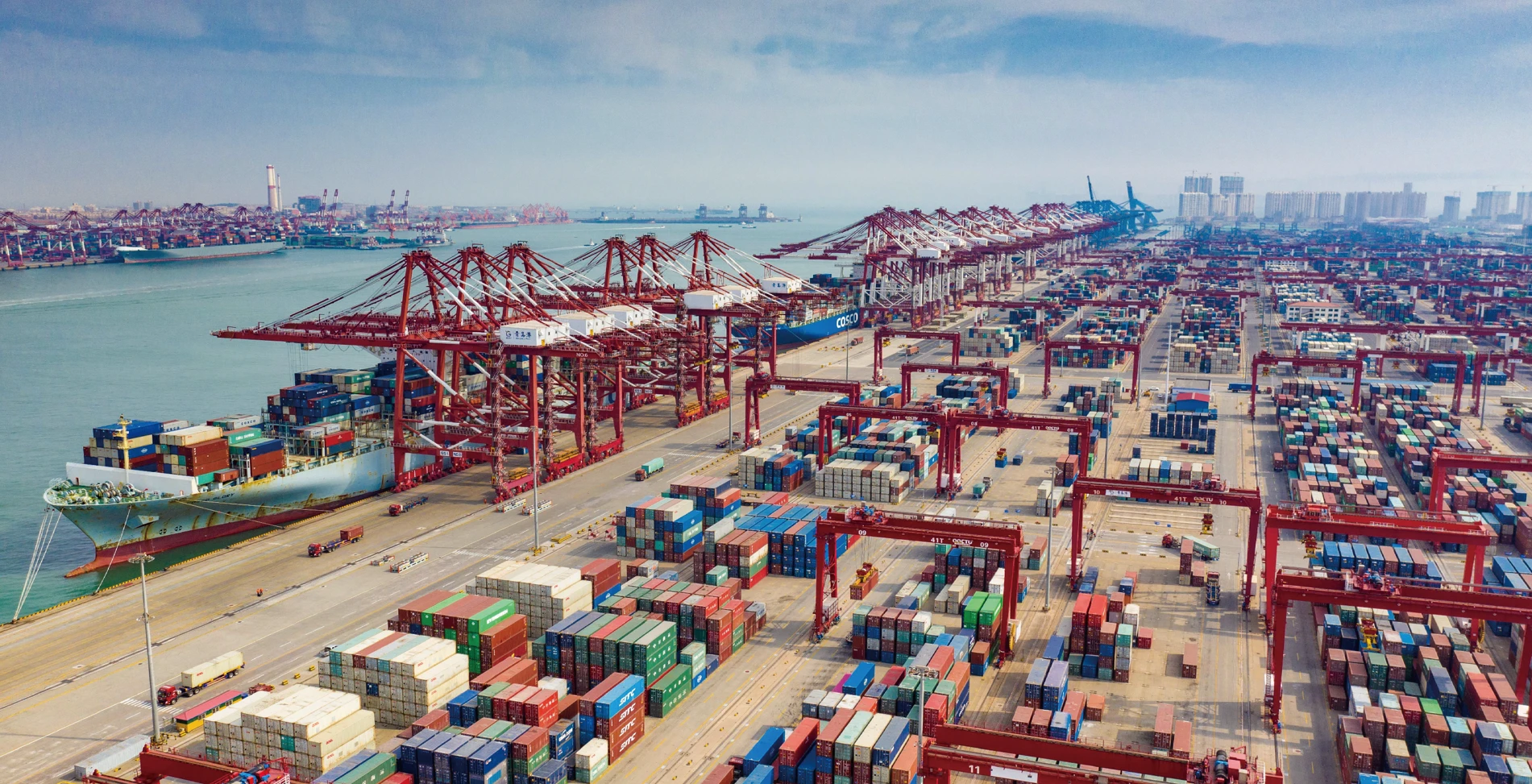
Container crane blind-spot sensing supports automation by providing live views and minimizing errors. It addresses safety risks such as lifting hazards, falls, and slips at ports. By managing load sway and collision risks, container crane blind-spot sensing enhances operational safety. This technology adheres to stringent standards for video quality, coverage, and durability. CEGC ensures that container crane blind-spot sensing supports automation through tailored projects, accommodating variations in operator performance.
Key Takeaways
-
Blind-spot sensing technology makes things safer. It gives live views to workers. This helps stop accidents and close calls at busy ports.
-
Sensors like LiDAR and cameras work together. They help people see better around cranes. This helps workers not hit things and move loads safely.
-
Real-time data helps people make fast choices. This makes work faster and stops delays when moving containers.
Blind Spots and Automation Challenges
Why Blind Spots Matter in Container Handling
When you work with containers at ports, you face many problems. Blind spots make it tough to see the hook, load, and other machines. This gets worse in busy places, where you cannot see well and risks go up. Operators often work in dusty air or from far away, which makes watching and controlling things harder. If people do not talk well, accidents can happen. But real-time monitoring helps stop these accidents.
Here is a table that shows how blind spots affect automation:
|
Factor |
Impact on Automation |
|---|---|
|
Blind Spots |
Make crowded ports more risky |
|
Limited Visibility |
Makes automated systems less safe and less efficient |
|
Real-time Monitoring |
Helps keep areas with poor views safer |
You need to see clearly to use container cranes, portal cranes, and other machines safely. Blind spots make it harder to move loads and stop crashes. Real-time systems help you notice dangers and make safer choices.
Safety Risks and Operational Inefficiencies
Blind spots make load sway and crashes more likely. Not seeing well can cause off-center lifting and wrong moves. These problems can make loads swing, break equipment, and waste time. Operators also make more mistakes when they cannot see well. You have to handle lots of information fast, especially when you are rushed. Some cranes, like RTGs, always have blind spots, so it is harder to work with trucks and other machines.
CEGC solves these problems with anti-sway tools and crane safety features. These tools use safety locks and movement plans to stop sway and help place loads better. You get clear warnings and help with controls, which makes training faster and work more steady.
-
Container handling often happens where you cannot see well.
-
Not seeing well makes it harder to watch the hook and load.
-
Operator choices and knowing what is happening are key for safety.
How Container Crane Blind-Spot Sensing Supports Automation
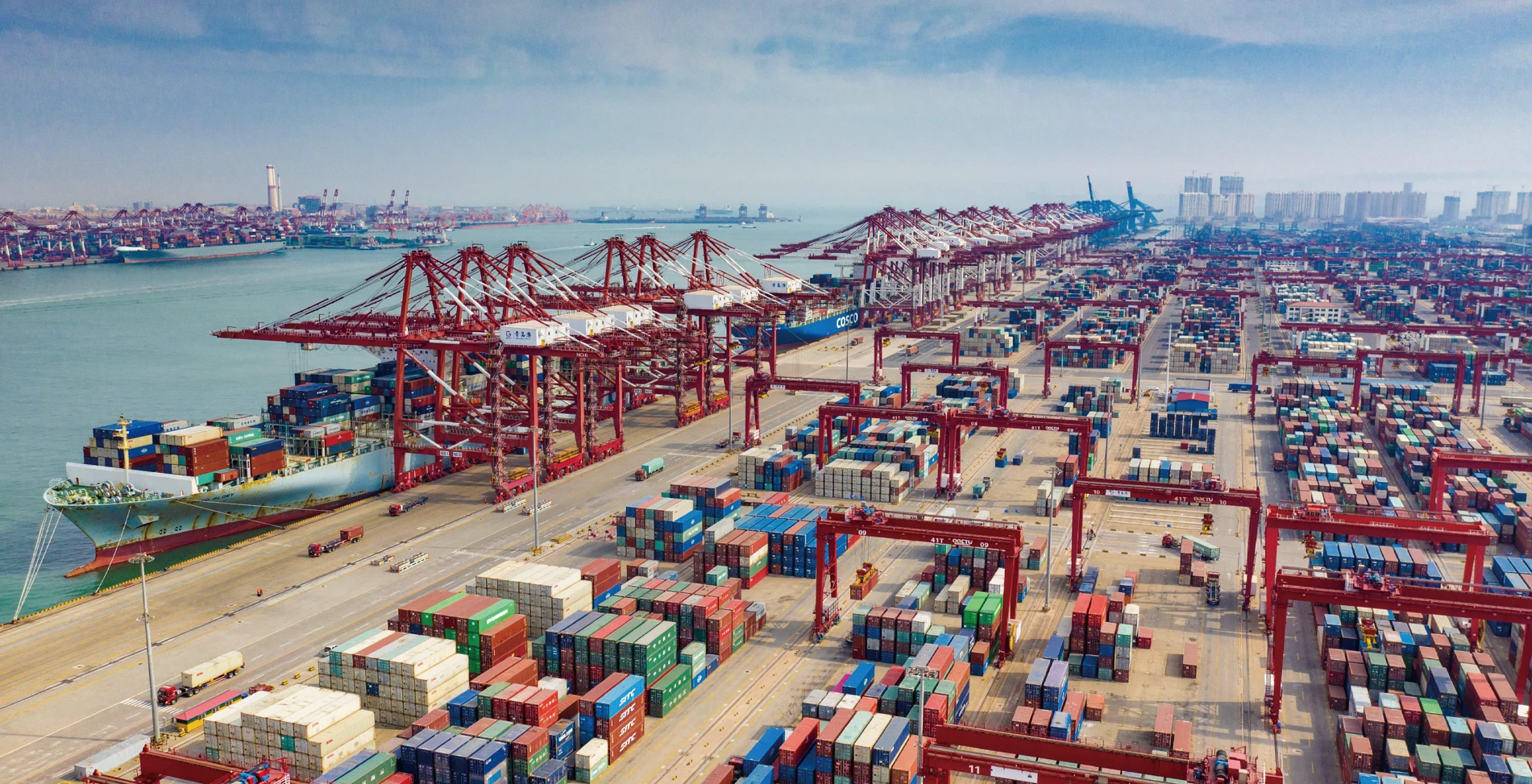
Sensing Technologies: LiDAR, Cameras, and Proximity Sensors
When you use a container crane, you must see all around. Blind spots can hide trucks, people, or machines. Modern cranes use many sensors to help you see better and stay safe. These sensors are LiDAR, cameras, and proximity sensors.
-
Modular sensor packs go on cranes and help you find obstacles.
-
Fusion algorithms mix sensor data. They warn you about crashes or stop the crane if needed.
-
Crane cameras show you what is behind you. You can avoid accidents and see what is going on.
-
Cameras give you quick feedback. This keeps you safe and helps you move containers with confidence.
-
Radar, LiDAR, and stereo cameras work together. Radar works in fog or dust. LiDAR makes a 3D map. Stereo cameras add more detail.
-
Using all these sensors together helps you spot dangers and avoid accidents.
These systems give you a 360° panoramic view. You can see all around the crane, not just one side. With 360° panoramic imaging, you can notice dangers from any direction.
Here is a table that compares LiDAR and radar:
|
Feature |
LiDAR |
Radar |
|---|---|---|
|
Resolution |
High resolution, dense 3D point clouds |
Lower resolution, less detail |
|
Range |
Shorter range, millimeter-level accuracy |
Longer range, detects objects accurately |
|
Environmental Impact |
Struggles in fog, dust, or bad weather |
Works well in poor weather |
|
Cost |
Higher cost |
More cost-effective |
|
Applications |
3D mapping, obstacle detection |
Long-range detection, weather monitoring |
Integration with Anti-Sway and Collision Prevention Systems
You want your crane to move loads safely and smoothly. Blind-spot sensing works with anti-sway and collision prevention systems. This gives you better control and fewer accidents.
-
Anti-sway systems use motion plans and brakes to keep loads steady.
-
Safety interlocks stop the crane if something is wrong.
-
Multi-layer safety features include overload protection, limit switches, and emergency stops.
-
You get clear alarms and updates on your screen. This helps you react fast and make good choices.
CEGC gives you solutions for different cranes, like container gantry cranes, reach stackers, and ship cranes. You can pick the sensor set, safety level, and alert type you want. These features help you meet standards and keep your team safe.
Here is a table showing important safety standards for automation:
|
Standard |
Key Requirement |
|---|---|
|
IEC 61508-2, Clause 7.4.4.1 |
Prevent common cause failures |
|
IEC 61508-6, Annex D and F |
Address common cause failures |
|
IEC 61508-2, Tables 2 and 3 |
Use independent channels for fault tolerance |
|
IEC 61511-1, Clause 11.4.4 |
Consider common and dependent failures in design |
|
IEC 61511-1, Clause 9.5.2 |
Redundant sensors prevent single faults from causing issues |
Real-Time Data and Automated Control
You need fast and correct information to run cranes safely. Real-time data shows you what is happening right now. This helps you make quick choices and keep things running well.
-
Real-time data moves between cranes, AGVs, and other port equipment. This helps you plan moves and avoid waiting.
-
The system answers in less than 100 milliseconds. You get instant feedback and can change crane actions right away.
-
IoT sensors watch your crane’s health. They help you find problems early and fix them before something breaks.
-
The system checks for risks as soon as they happen. It changes speed or alignment in seconds to keep you safe.
With real-time visual intelligence, you can trust your crane to move containers with care. You get better safety, faster moves, and less downtime.
Benefits for Safety, Efficiency, and Reliability
Enhanced Safety and Accident Reduction
Blind-spot sensing makes cranes safer to use. Operators see fewer accidents and close calls. One big logistics company had 62% fewer near-misses. A steel company had no incidents in dangerous areas after using safety monitoring.
|
Implementation Context |
Measurable Safety Improvement |
Reduction in Near-Miss Incidents |
|---|---|---|
|
Fortune 500 logistics operator |
Yes |
|
|
Steel manufacturer |
Zero incidents in high-risk zones |
Yes |
Vision Pulse technology helps Hyundai and Kia avoid accidents. It uses radar to find objects in blind spots. The system gives real-time warnings. These alerts help keep teams safe, even in busy places.
Improved Precision and Throughput
Blind-spot sensing helps you lift containers more accurately. It also makes moving containers faster. The technology helps you avoid dangers and work better. Here is what you can expect:
|
Metric |
Improvement |
|---|---|
|
Over 30% |
|
|
Hazard Handling Efficiency |
Around 50% |
These systems help you follow international safety rules. They use AI detection and 360-degree views. Digital checklists help you stay compliant. You also meet rules like UNECE R151, OSHA, and China’s TSG Q7016-2016.
Lifecycle Protection and Predictive Maintenance
Predictive maintenance protects your crane and saves money. The system checks your crane and warns you before problems happen. You can pick camera types, software, and alarms in different languages. You can connect your system to other fleet management platforms. This flexibility helps you get the best fit for your port.
Tip: Customizing your safety system helps match your port’s needs. This improves reliability and value over time.
When you add blind-spot sensing to container cranes, safety gets better. Work also becomes faster and smoother. CEGC gives you solutions that fit most needs and can be changed for your port.
-
Experts say real-time safety systems and more help for operators are important.
When you connect information systems to your machines, you make automation easier to grow.
FAQ
What is blind-spot sensing in container cranes?
Blind-spot sensing uses sensors such as LiDAR and cameras. These sensors help you see all around your crane. This makes it easier to spot things you might miss. You can avoid accidents and stay safe while working.
How does blind-spot sensing improve automation?
Sensors send real-time data to the system. The crane uses this data to move containers with less danger. This makes automation safer and helps things run better.
Can you customize blind-spot sensing for different port needs?
Yes! You can pick which sensors, safety features, and alerts you want. CEGC lets you change the system to fit your port’s needs.


