
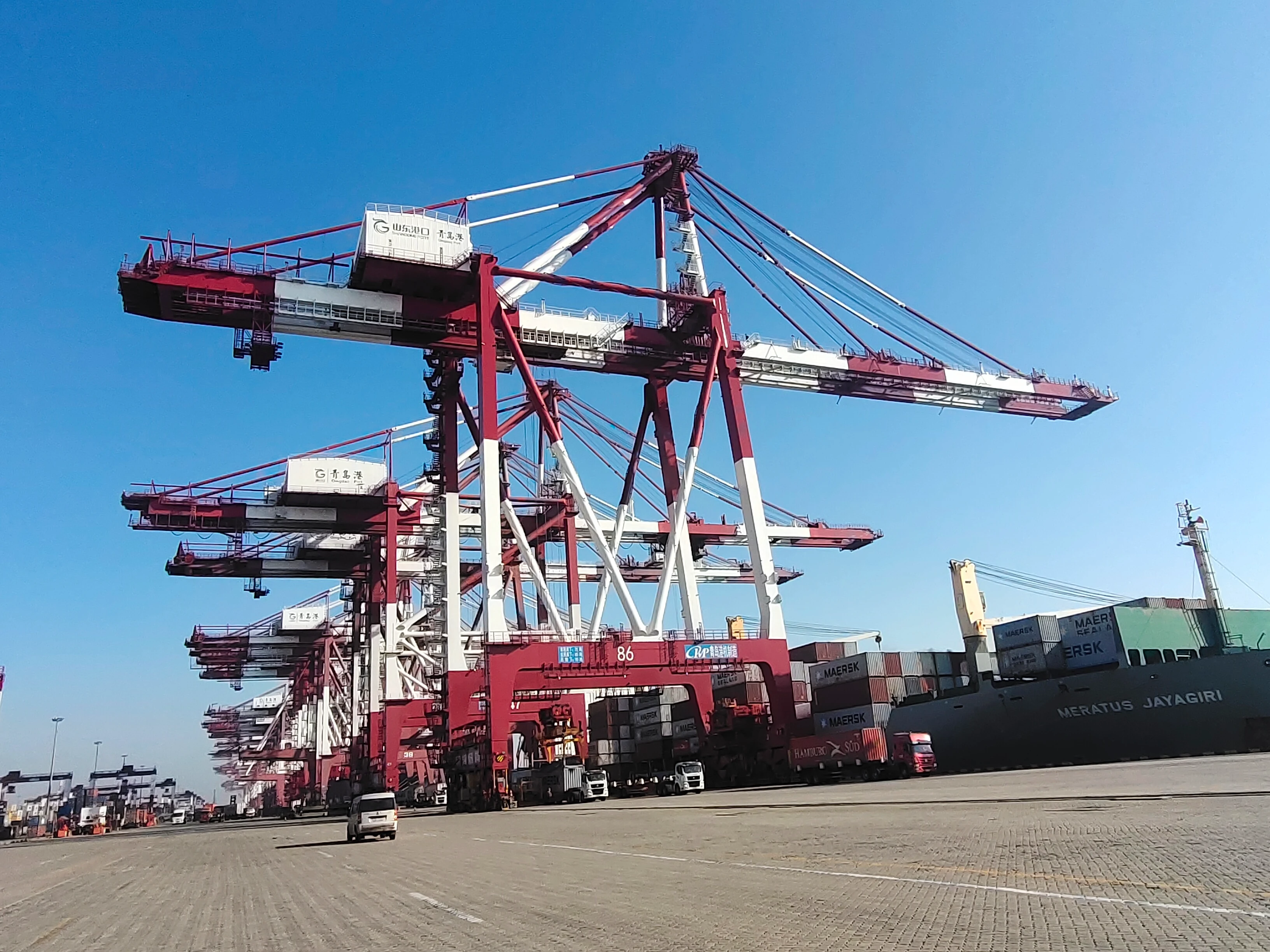
Every day in rail yards, safety challenges are a top concern. Portal crane blind-spot mapping for rail yards is a proven way to reduce risks and protect your team. When operating heavy equipment, safety is essential, and operators must stay alert since blind spots can create hazardous situations. CEGC delivers advanced safety solutions, including portal crane blind-spot mapping for rail yards, to support every operator. These safety measures safeguard your work, workforce, and machinery. With CEGC’s safety systems, operators can minimize risks and prevent accidents, ensuring confidence and maintaining high work standards.
Key Takeaways
-
Portal crane blind-spot mapping is very important for safety in rail yards. It shows hidden spots that might cause accidents.
-
Checking and updating blind-spot maps often is very important. This helps operators know about new dangers and keep things safe.
-
Using tools like cameras and sensors helps people see better. These tools help operators stay away from danger and make things safer.
Portal crane blind-spot mapping for rail yards
Defining crane blind spots
Operating a portal crane in a rail yard is hard. One big problem is blind spots. A blind spot is a place around the crane where you cannot see well. These spots can hide railcars, workers, or things in your way. Portal crane blind-spot mapping for rail yards helps you find these hidden places and lowers accident risks.
Blind spots make work less safe and less efficient. If you cannot see the whole load path, you might crash or drop the load. In rail yards, this can cause accidents with railcars or hurt people. Sometimes, operators skip safety steps to work faster. This can lead to mistakes and more failures. Portal crane blind-spot mapping for rail yards shows you your work area clearly. It helps you make better choices and keeps everyone safer.
Causes of blind spots in rail yards
Many things cause blind spots when using a portal crane. You need to know these causes to do good portal crane blind-spot mapping for rail yards and stay safe.
-
The crane’s parts can block your view. Big beams, machines, and the cab design can make it hard to see the load path.
-
Loads that sway or move can go out of sight. This makes tracking the load harder and raises the risk of mistakes.
-
Where you sit in the cab changes what you see. Sometimes, you cannot see everything, especially with tall stacks or near transfer points.
-
Bad weather, wet decks, low light, or dust storms can make it harder to see. These things hide dangers along the load path and raise the chance of accidents.
-
Rail yards with many tracks and machines add more obstacles. Cargo rigging, loose lashings, and uneven ground can block your view.
-
Poor lighting and weather like fog or rain make seeing the load path harder and checking it tougher.
-
Working fast and often can make operators skip safety checks and miss problems.
You must fix these causes to do good portal crane blind-spot mapping for rail yards and keep safety high.
Mapping methods and tools
There are several ways to map blind spots and make rail yards safer. Portal crane blind-spot mapping for rail yards uses visual checks, technology, and operator feedback.
-
Start with a grid walk. Walk around the crane and mark places where the operator cannot see the load path. Use cones or markers to show these spots.
-
Check from the operator’s cab. Write down anything blocking your view or causing problems.
-
Make blind area diagrams. Draw maps of the crane and area, showing all blind spots. Update these maps after each check or steel plant crane maintenance.
-
Use observers during work. Put trained people at key spots to watch for dangers and tell the operator about any issues.
-
Use technology tools. Install cameras, mirrors, and sensors to cover blind spots and watch the load path live. These tools help you spot obstacles and lower risks.
-
Add CEGC’s advanced systems. Anti-sway controls keep the load path steady, making it easier to track and avoid crashes. Multi-layer safety interlocks stop unsafe moves and warn you about problems. Operator-centered HMI systems give clear alarms and updates, helping with training and steady work.
Weather and lighting can make mapping harder. You may need tough sensors that work in bad conditions. Vibrations and rough ground can mess up sensors, so use extra sensor layers and regular steel plant crane maintenance for good results.
Portal crane blind-spot mapping for rail yards is not done just once. You must repeat it after big steel plant crane maintenance or yard changes. Regular checks help you handle new risks and keep operations safe and smooth. By using visual checks, technology, and CEGC’s top solutions, you protect your team and equipment from load-path failure and work problems.
Reducing blind spot risks in crane operations
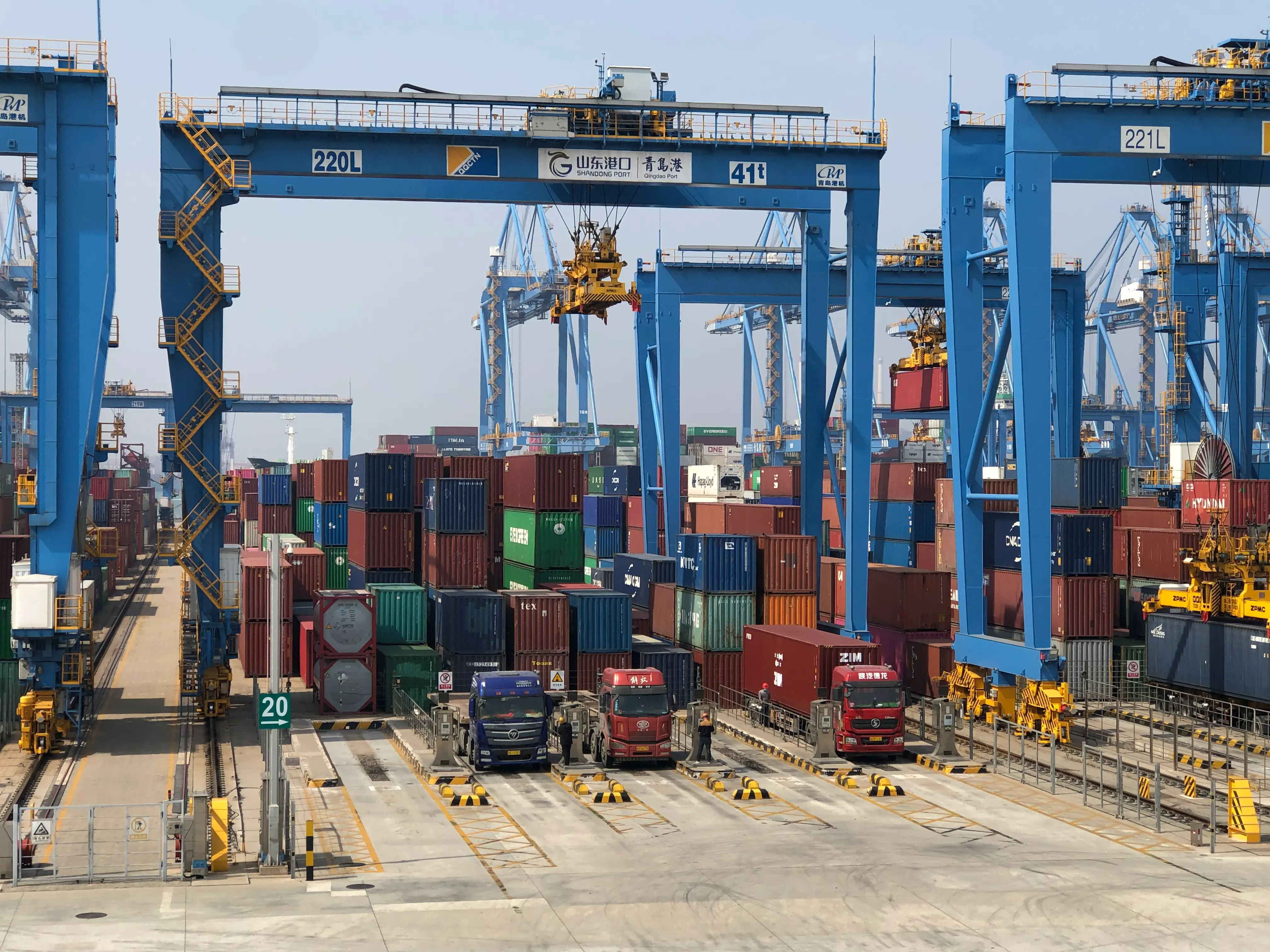
Lighting, sensors, and cameras
You can make crane work safer with good lighting, sensors, and cameras. Overhead crane lights help you see better and spot dangers early. Cameras show live views of blind spots, so you can act fast if there is a problem. Proximity sensors and radar systems warn you about people or vehicles near the crane. This helps you avoid emergencies and crane failure. New safety features like computer vision and LiDAR technology watch the crane all day and night. These systems check camera feeds, find unsafe actions, and warn you before something goes wrong.
|
Technology Type |
Benefit |
|---|---|
|
Overhead Crane Lights |
Make it easier to see, remove shadows, and cut glare. This lowers the chance of crashes. |
|
Forklift and Crane Cameras |
Show live pictures of blind spots, helping operators stay aware. |
|
Proximity Sensors |
Warn operators about workers or vehicles nearby, stopping accidents. |
|
Radar Systems |
Find hidden things or movement in blind spots, making work safer. |
Operator training and safety protocols
Operator training is important for stopping failure and keeping everyone safe. You must teach each operator and signal person how to use hand signals and follow rules. A trained signal person helps you see in blind spots and lowers the risk of emergencies and crane failure. Clear communication and safe work zones help you avoid mistakes and keep everyone safe. Use barrier guards, warning signs, and strict access rules to protect workers. Always do full checks and frequent inspections for important cranes. Written inspections and regular checks help you find risks before they cause failure.
|
Safety Protocol |
Description |
|---|---|
|
Use hand signals, radios, or a signal person to guide crane moves and stop errors. |
|
|
Establishing Safe Work Zones |
Block off the crane area with barriers and warning signs to lower injury risk. |
-
Operator training makes sure everyone knows the rules.
-
Regular checks and inspections keep your equipment safe to use.
-
Emergency drills help your team act fast if something fails.
Real-world examples and checklists
You can learn from real examples to stop failure and make work safer. Many rail yards use safety systems, comfortable cabins, and strict load limits to prevent accidents. Wind speed rules and site checks also help you avoid emergencies and crane failure. Communication and visual tools, like mirrors and spotters, help operators stay aware and lower risk.
Checklist for reducing blind spot risks:
-
Do a full check before each shift.
-
Perform written inspections and frequent checks of important cranes.
-
Check all safety features, like cameras, sensors, and emergency systems.
-
Make sure you do not overload the crane.
-
Train every operator and signal person on emergency steps.
-
Use spotters in blind spots and keep communication clear.
By following these steps and using CEGC’s advanced solutions, you can stop failure, lower risk, and keep overhead crane safety high in your rail yard.
You can make rail yards safer by mapping blind spots. Training every operator helps stop mistakes. Regular checks help you find new problems. The table below shows how these steps work together to keep everyone safe for a long time:
|
Aspect |
Description |
|---|---|
|
Technical Solutions |
Organized training and safety tips for each operator. |
|
Operator Training |
Focus on people to stop accidents. |
|
Regular Assessment |
Keep checking to change and avoid problems. |
Follow these steps to start your check and lower mistakes:
-
Find the main people and companies who help.
-
Draw a map of how goods move.
-
Look for risks and ways things could go wrong.
-
Check the map with every operator.
-
Use what you learn to make things safer.
-
Check again and update your plan.
You can count on CEGC to help your team stay safe and keep every operator out of danger.
FAQ
What is the main benefit of blind-spot mapping for portal cranes?
Blind-spot mapping helps keep people safe. It lowers the chance of accidents. You can spot hidden dangers and make smart choices. Your team feels safer and can work without many stops.
How do CEGC’s systems help you manage blind spots?
CEGC’s systems use cameras and sensors. Anti-sway controls help too. These tools let you see more of your work area. They warn you about dangers before something goes wrong.
How often should you update your blind-spot map?
Update your map after big repairs or changes in equipment. Change it if the yard layout is different. Regular checks help your safety plan work well.


