
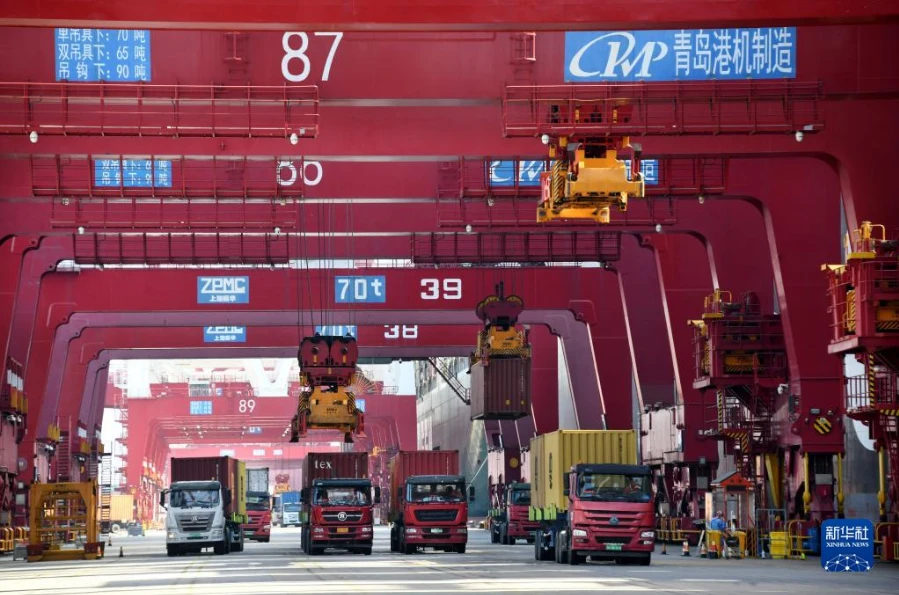
You can encounter issues with container handling gantry crane blind-spot pitfalls when visibility is compromised. Safety concerns escalate when cranes operate in proximity to cargo and buildings. Addressing blind spot safety is crucial, as allision incidents can halt operations, increase costs, and lead to legal complications. CEGC is dedicated to enhancing the safety and efficiency of crane operations.
|
Evidence Type |
Description |
|---|---|
|
Allision Incidents |
In 2022, US ports recorded at least 2,400 allision incidents, with half occurring within terminals. |
|
Financial Impact |
Damage, delays, and operational stoppages contribute to rising costs in the supply chain. |
|
Legal Challenges |
Liability issues and lawsuits frequently elevate operational expenses. |
Key Takeaways
-
Crane blind spots can hide dangers and make accidents more likely. Always look at these spots before you start working.
-
Use new monitoring tools like cameras and sensors to see better and stop accidents when it is hard to see.
-
Regular training and maintenance are very important. Teach operators about blind spots and keep equipment clean to stay safe.
Understanding crane blind spots and safety risks
Defining crane blind spots in container handling
When you use container handling equipment, you deal with crane blind spots. These blind spots make it tough to see what is around the crane. Big cranes can block your view of trucks, people, and cargo. Blind spots can hide things and make accidents more likely. You need to watch these areas to keep everyone safe.
-
Crane blind spots can happen:
-
Behind the crane structure
-
Under the boom or trolley
-
Close to the spreader or container handler
-
Around the bottom of the crane
-
In crowded work areas
-
Blind spots are more risky in busy terminals. If you get too comfortable or the area is crowded, crashes can happen. You should stay careful and follow blind spot safety rules. CEGC gives you cranes with good safety features and custom options for your project. You can pick sensor sets, anti-collision zones, and safety locks to help stop accidents.
Visibility challenges and safety impact
It gets hard to see when fog, rain, or darkness covers the terminal. You have trouble seeing dangers and crane blind spots. Bad weather makes it harder to notice workers and machines. Heavy rain or fog can make the area unsafe, even during the day. Not enough light makes things worse.
You need to know that poor visibility and crane blind spots together make accidents more likely. This can cause dropped loads, crashes, and damage. CEGC’s cranes have strong lights, sensors, and operator-friendly HMI. You can change these features to make things safer and easier to see.
You should always check crane blind spots and adjust to new conditions. By using CEGC’s tools, you can keep your team and cargo safe. Safety depends on you staying alert and having the right tools.
Managing container handling gantry crane blind-spot pitfalls
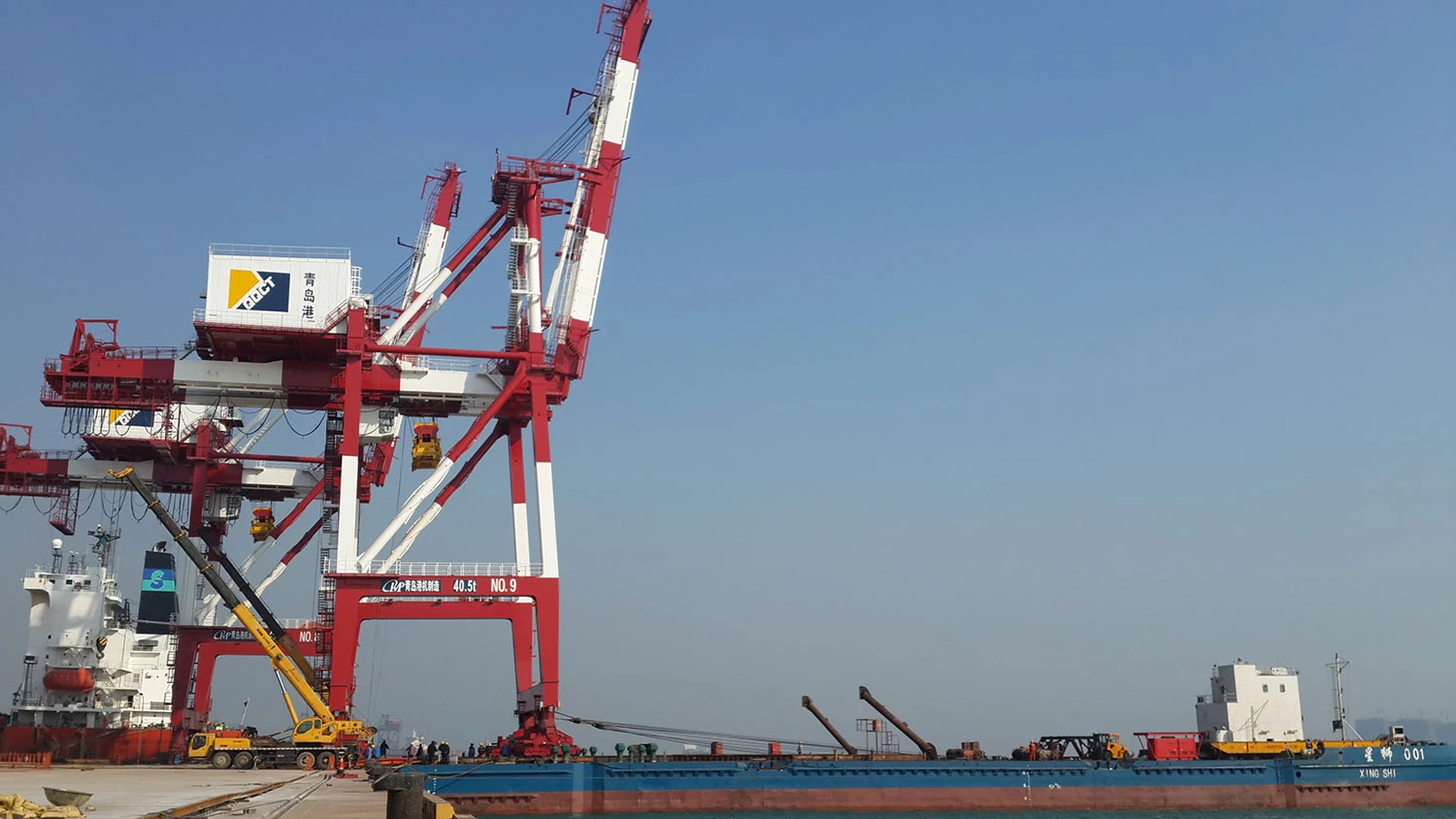
Monitoring solutions: cameras, sensors, and lighting
Every day, you deal with crane blind-spot problems. These problems can cause accidents and injuries. They can also lead to expensive crashes. You need good monitoring tools to keep everyone safe. Modern camera systems, like the HerculesPro Tower Crane Camera, show live video from the hook, jib, and cabin. This helps you see blind spots and stop accidents before they happen. The camera’s bright screen works well when it is dark, so you can work safely at dusk or dawn.
Sensors and lighting are important for blind spot safety. Blind Spot Detection Systems watch hard-to-see areas and warn you about dangers. Intelligent Headlamp Control changes the lights based on the area, so you can see better. These systems help stop crashes and help ground workers stay alert.
|
System Type |
Functionality |
|---|---|
|
Blind Spot Detection System (BSD) |
Watches blind spots and warns drivers about vehicles in hard-to-see places, making lane changes safer. |
|
Intelligent Headlamp Control (IHC) |
Changes lighting by itself based on road conditions, so drivers and others can see better. |
CEGC gives you cranes with AI camera monitoring, automatic hook centering, and emergency braking. These features help you avoid accidents and keep danger zones clear. AI-assisted obstacle detection can find strange movements and act fast, lowering the chance of injuries and crashes.
|
Feature |
Description |
|---|---|
|
AI Camera Monitoring |
Shows live video all the time, so operators can see better and stay safe when it is hard to see. |
|
Automatic Hook Centering |
Keeps the load steady from the start, making things safer and helping operators feel more sure. |
|
Emergency Braking |
Stops right away if there might be a crash, so accidents are less likely in small spaces. |
|
AI-Assisted Obstacle Detection |
Finds strange movements and acts fast, so operators do not react too late. |
A real example shows why these tools matter. In 2019, a crane operator in the UAE did not see a worker in his blind spot. The operator moved a load into scaffolding, which hurt someone and caused over $500,000 in damage. Bad lighting was a big reason. Better monitoring could have stopped this accident.
Operator training and blind spot safety protocols
Operator training is the best way to stop crane blind-spot problems. You need to know where each crane’s blind spots are. Daily walkarounds help you find dangers before you start working. Training should include practice in busy areas, at night, and in bad weather. You must learn how to adjust mirrors and check blind spots before moving the crane or container handler.
|
Training Component |
Description |
|---|---|
|
Operators learn where the blind spots are on each machine they use. |
|
|
Daily walkarounds |
Operators check the site and see what is happening around them. |
|
Seat time in different scenarios |
Training lets you practice in busy places, at night, and when it is hard to see. |
|
Identifying blind spots |
Drivers learn to spot places around vehicles where they cannot see well. |
|
Adjusting mirrors |
You learn how to set mirrors right to see better. |
|
Techniques for lane changes and turns |
You learn safe ways to move big trucks. |
|
Maintaining safe following distances |
You learn to keep space from the vehicle ahead to react to surprises. |
|
Strategies for checking blind spots |
Drivers learn to check blind spots well before moving. |
You should always follow safety rules. These rules include using blind spot detection systems, talking clearly, and following safe movement steps. Blind spot safety rules help you avoid crashes and lower the chance of injuries. You must stay alert and use all your tools to keep things safe.
The HSE manager talked about Human Machine Interface (HMI) and showed the danger zone and blind spots of the excavator. He explained how not seeing well can be dangerous. He said operators and flagmen must stay alert, stand in safe places, and use the right signals to stay safe.
Operator training and safety rules work best together. You need both to stop accidents and keep your team safe. CEGC helps you with operator-centered HMI, clear alarms, and guided operation. These features help you follow safety rules and make blind spot safety better.
Maintenance and inspection for blind spot safety
Regular maintenance and checks are important for crane blind-spot safety. You should clean cameras and sensors often. Dirt or dust can block your view and make it hard to spot dangers. Keeping your equipment clean helps you see hazards and avoid crashes.
|
Maintenance Task |
Why It’s Important |
|---|---|
|
Keeps detection clear and accurate |
You should check blind spot monitoring systems every year. Check them right away if you see any problems. Recalibrate the systems after repairs to keep them working well. These steps help you stop accidents and keep your work running smoothly.
You can map blind spots by drawing a scaled picture of your facility. This helps you see where you cannot see well and where dangers might be. You can add modular sensor packs and collision prevention systems to your cranes. These systems find obstacles and stop the crane if needed, so crashes and injuries are less likely.
Here are some ways to prevent problems:
-
Do a risk check for all lifting jobs.
-
Find dangers and weak spots by crane type.
-
Pick tools that are safe and easy to use.
-
Start with the most risky jobs.
-
Make strong rules for maintenance and calibration.
-
Make monitoring systems part of your safety plan.
Condition monitoring helps blind spot safety by giving you live video and alerts. This helps you stop accidents and make better choices during hard lifts. You can lower the chance of accidents and keep your team safe.
By doing these things, you can handle crane blind-spot problems and protect your work from accidents, injuries, and costly crashes.
You can make blind spot safety better with new monitoring systems and regular operator training.
-
Always look around your crane and use tools to help you see more.
-
Use automatic lifting and tracking to lower risks and save time.
|
Benefit |
Description |
|---|---|
|
Finds things near your crane quickly |
|
|
Seamless compatibility |
Works well with safety rules and port work |
FAQ
What does compliance mean for ship crane blind-spot monitoring?
Compliance means you follow all safety rules. You use the right tools and steps. This keeps your team safe and helps you avoid fines.
How do you ensure compliance with port safety regulations?
You check your tools often. You teach your team about the rules. You use monitoring systems. You follow all rules for container handling gantry cranes.
Why is compliance important for container handling equipment?
Compliance helps stop accidents. It keeps workers and cargo safe. You meet the law. Your port works well. You show you care about safety.
Tip: Always look at compliance rules before using a crane. This keeps your team safe and your tools working well.
-
You can use a checklist to track each compliance step.
-
You should update your records after every check.
|
Compliance Step |
Action Needed |
|---|---|
|
Equipment Inspection |
Check cameras and sensors |
|
Operator Training |
Review compliance steps |
|
Documentation |
Write down what you did |


