
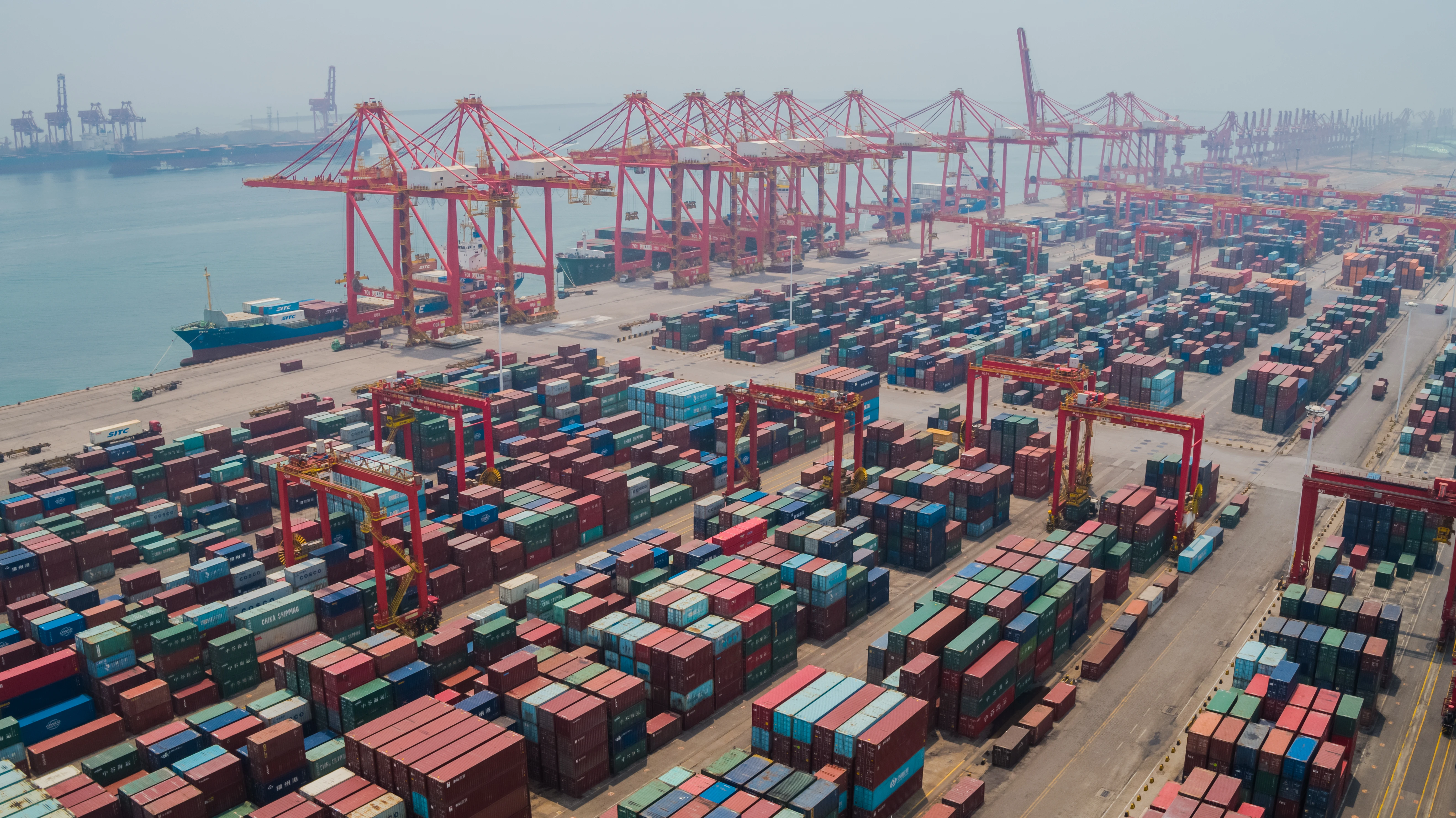
Ship crane blind-spot monitoring under poor visibility is essential for ensuring safety during adverse weather conditions. This system utilizes advanced cameras, sensors, and drones to prevent accidents and minimize delays. When visibility is compromised, significant safety challenges can arise. CEGC provides customized solutions tailored to your specific project requirements, while also adhering to market-standard specifications to meet your operational needs.
|
Aspect |
Description |
|---|---|
|
Automation |
Enhances safety and reliability in port operations. |
|
Tailored Solutions |
Customizes to the unique requirements of various port environments. |
Key Takeaways
-
Use better cameras and sensors to help people see and stay safe when using cranes in bad weather.
-
Use drones to watch from above so you can spot dangers and make good choices quickly.
-
Use smart maintenance to stop crane parts from breaking and keep everything working well.
Risks of Blind Spots in Poor Visibility
Safety Hazards and Collision Exposure
Operating ship cranes in fog, rain, or at night is dangerous. It is hard to see people and objects nearby. You might not notice obstacles until it is too late. Sometimes, loads can fall if the rigging is not lined up right. Workers below could get hurt if this happens. Fog and rain make it harder to see, so accidents are more likely. When you cannot see well, judging distances is tough. This can cause mistakes.
|
Hazard Type |
Description |
|---|---|
|
Impaired Visibility |
Bad weather makes it hard to see and raises accident risk. |
|
Load Drops |
Loads fall when rigging is not set up right. |
|
Collisions |
Not seeing well can cause crashes with people or things. |
CEGC helps solve these problems with anti-sway control and safety interlock systems. Anti-sway keeps loads steady and helps place them better. Safety interlocks protect against overloads, set limits, and stop things in emergencies. These tools help prevent mistakes and make things safer.
Operational Delays and Inefficiency
Blind spots slow down crane work. You may have to move loads again and again. This makes the job take longer. Sometimes, signals are missed or not understood, causing confusion. These delays mean ships and yards have to wait more. Crane cameras and sensors help you see better and avoid errors that waste time. CEGC’s solutions help cranes move smoothly and quickly, even when you cannot see well.
Tip: Use real-time monitoring and guided support to cut delays and stay safe.
Ship Crane Blind-Spot Monitoring Under Poor Visibility
Camera and Sensor Systems
It is important to see clearly to stay safe. Ship crane blind-spot monitoring under poor visibility uses special cameras and sensors to help you see. Crane cameras, like panoramic and zoom types, show you the hook and load. You can spot people and obstacles even in fog, rain, or darkness. These cameras help you avoid accidents and blind lifts. You can zoom in to see small details, which helps with careful work.
Sensors make things even safer. Proximity sensors and radar systems find objects and people near your crane. They warn you before you hit something. These systems work well even in bad weather. Many have strong cases and react quickly. You can add weather shields and use IP65-rated cases outside. You can also check wind speed and direction right away. This helps you change your work if the weather changes.
You can pick the sensor set that fits your port. You can choose how accurate they are and how to put them on. You can also add temperature and immersion sensors if you need them. These features make ship crane blind-spot monitoring under poor visibility work well for all kinds of cranes.
Drone-Assisted Monitoring
Drones help you see places your eyes cannot reach. Drones fly above your work area and show you everything from the sky. You can watch ship crane blind-spot monitoring under poor visibility from above. Drones fly over cranes, containers, and ships. They send live video to your control room. You can find dangers, follow cargo, and check for people who should not be there.
Drones help you guide ships and stop crashes. You can see where ships are moving and keep them safe. Drones also help you spot slowdowns in cargo movement. This lets you fix problems before they get worse. Drones make your port safer by checking fences and watching for intruders. You can use drones in dangerous places where people should not go.
You can send out drones fast. You can use them during the day or at night. Drones can also check hard-to-reach spots on cranes and platforms. Aerial video gives you a new way to see your work. You can make better choices with more information. Drones are an important part of ship crane blind-spot monitoring under poor visibility.
Tip: Use drones to look for damage after storms or accidents. You can find problems early and plan repairs.
Anti-Sway and Collision Prevention
You need loads to stay steady and move safely. Ship crane blind-spot monitoring under poor visibility uses anti-sway and collision prevention systems. Anti-sway systems stop loads from swinging. You can move loads faster and safer. You do not have to wait for the load to stop moving. This helps you work faster and spend less on repairs.
|
Benefit |
Description |
|---|---|
|
Safety Enhancement |
Makes accidents and dropped loads less likely, keeping workers safe. |
|
Increased Productivity |
Lets you work faster because you do not wait for loads to stop swinging. |
|
Lower Maintenance Costs |
Parts last longer, so you fix things less often and save money. |
Collision prevention uses many safety steps. You get signal interlock management, anti-collision path checks, and limit systems. These use radar, cameras, and AI to guess where things will move and stop crashes. Electronic sensors slow or stop cranes if something gets too close.
|
Feature |
Description |
|---|---|
|
Signal Interlock Management |
Central PLC systems let cranes talk to each other and protect each other. |
|
Anti-collision and Path Recognition |
Uses radar, cameras, and AI to guess movement and stop problems. |
|
Limit and Anti-collision Systems |
Sensors find things nearby and slow or stop cranes to avoid crashes. |
You can pick the right system for your port. You can choose the sensors, how much is automatic, and how tough the parts are. You can use special coatings, stainless steel bolts, and waterproof cases. These things protect your equipment from salt, wind, and rain. You can check and fix your systems easily. This keeps your ship crane blind-spot monitoring under poor visibility working for a long time.
|
Component |
Exposure Risk |
Protection Method |
Frequency |
|---|---|---|---|
|
Steel Surfaces |
High – always in saltwater, wind, and rain. |
Use marine-grade epoxy paint to keep water and air out. Use galvanizing or zinc primer for new cranes. |
Check every year; repaint every 2-3 years if needed. |
|
Joints and Bolts |
Medium – can rust from water and dirt. |
Put anti-rust grease on bolts and joints. Use stainless steel fasteners. |
Check every 6 months; grease once a year. |
|
Cables and Pulleys |
High – get rusty from saltwater and wet air. |
Use wire rope oil with anti-rust power. Cover cables with plastic if you can. |
Check every 3 months; oil every 3-6 months. |
|
Hydraulic Systems |
Medium – leaks can cause rust if not fixed. |
Make sure covers are good. Change rusty parts to stainless steel. |
Check every 6 months; replace rusty parts right away. |
|
Electrical Components |
High – rust can cause shorts and failures. |
Use waterproof boxes for wires and panels. Spray silicone or anti-rust spray on wires. |
Check every 3 months; spray every 6 months. |
|
Crane Boom and Load-bearing Arms |
High – always in saltwater and bad weather. |
Use marine paint that stops rust. Clean off salt and dirt often. |
Check every year; repaint every 3-4 years if needed. |
|
Deck Mounts and Base Plates |
Medium – can rust where water sits. |
Make sure water drains away. Use zinc primer and rust-proof paint. |
Check every year; repaint as needed. |
You can count on CEGC for good performance and custom solutions for ship crane blind-spot monitoring under poor visibility. You can keep your port safe, working well, and ready for anything.
Prevent Blind Spots: Integration and Best Practices
Real-Time Monitoring and Alerts
You can stop blind spots by using a safety monitoring system. Follow these steps:
-
Put in a control module like the Milesight UC100. It tracks energy use and gathers important data.
-
Use a LoRaWAN® gateway for wireless data transfer. It sends information to a central platform for real-time monitoring.
-
Look at the data with IoT software. This helps you find problems early and work better.
Real-time alerts from your safety monitoring system help you act quickly. These alerts warn you about faults or hazards. You can fix issues before they get worse. This cuts downtime and keeps crane safety high. Real-time aerial views from drones also show your work area clearly. They help you spot risks fast.
Tip: Use real-time aerial views to look for obstacles and keep your team safe.
Operator Training and Compliance
You need to train operators well to keep cranes safe. Make sure every operator has the right certification. Always check your crane before starting work. Good training and discipline help stop blind spots and accidents.
|
Responsibility |
Description |
|---|---|
|
Operator Discipline |
Follows safety rules and keeps risks low. |
|
Equipment Condition |
Checks and maintains cranes for safe operation. |
|
Lift Planning |
Plans each lift to protect people and cargo. |
|
Compliance Records |
Keeps logs to show you follow safety guidelines. |
Daily checks and strong training programs keep your safety monitoring system working well.
Predictive Maintenance and Energy Efficiency
You can use predictive maintenance to keep equipment running smoothly. Real-time monitoring finds problems early. You can plan repairs before something breaks. This keeps crane safety high and stops blind spots from equipment failure.
Energy optimization saves money. Automated cranes use less energy than diesel models. Watching energy use helps you find ways to save more. Your safety monitoring system can show where to cut costs and lower your environmental impact.
Note: CEGC offers predictive maintenance, remote diagnostics, and energy-saving features for all types of port machinery.
You make things safer and faster by using new monitoring tools and good habits. CEGC lets you pick solutions that fit your port machines. Experts say you should choose reliable suppliers and systems made just for you. Upgrading your equipment helps cranes work safely at night and lowers repair costs.
|
Benefit |
Description |
|---|---|
|
Enhanced Safety |
Advanced systems keep workers safe. |
|
Better Performance |
Upgrades help cranes work better. |
FAQ
What types of cranes can use blind-spot monitoring?
Blind-spot monitoring works on many crane types. You can use it on portal cranes, container cranes, ship cranes, and reach stackers. CEGC has options for all big port machines.
How do sensors help in poor visibility?
Sensors find people and things close to your crane. They warn you before something bad happens. This helps keep your team safe, even when it is foggy or rainy.
Can you customize the monitoring system for different ports?
Yes! You can pick what sensors you want, how much is automatic, and what protects against rust. CEGC makes systems that fit what your port needs.


