
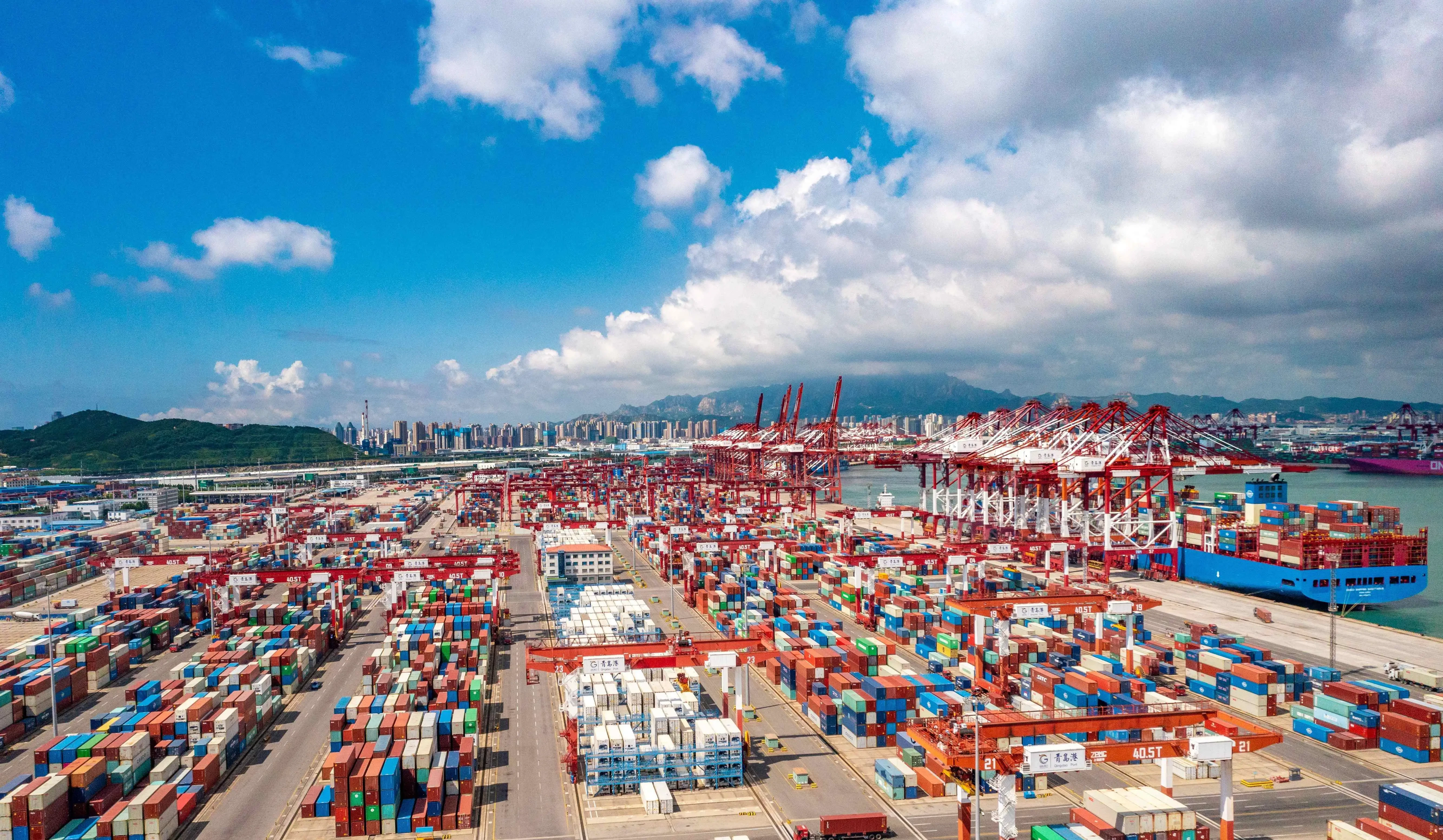
You can see how Reach Stacker blind-spot alerts reduce rack strikes, making the warehouse environment much safer. These advanced alerts are designed to prevent collisions, protecting both people and equipment. CEGC provides lifting equipment equipped with these safety features to support safe operations. Many facilities report fewer injuries and improved safety, along with increased productivity, when using CEGC solutions with Reach Stacker blind-spot alerts.
Key Takeaways
-
Reach Stacker blind-spot alerts warn operators about dangers nearby. This helps stop accidents and keeps warehouses safer for all people.
-
These alerts can lower rack strikes and forklift accidents a lot. This makes the work area safer and helps people work better.
-
Teaching staff how to use alerts improves safety and efficiency. Teams can do their jobs without worrying all the time.
Warehouse safety risks and rack strikes
Causes of rack strikes in warehouses
Working in a warehouse can be risky. Safety depends on how you handle these risks. Rack strikes happen for many reasons. Load sway makes it hard to place items right. If the load moves too much, it can hit racks. This can also break equipment. Overloading and bad weather make things worse. You also need to watch for tip-overs, collisions, and crush injuries. Falling loads, overhead hazards, and ergonomic injuries are dangers too. These can hurt you or break equipment.
Operator skills matter a lot for safety. If you are not trained, you might make mistakes. You could misjudge rack clearance and hit something. Learning safe ways to work helps stop rack strikes.
-
Tip-overs
-
Collisions
-
Crush injuries
-
Falling loads
-
Overhead hazards
-
Ergonomic injuries
Blind spots and forklift accidents
Blind spots are a big problem for warehouse safety. When you drive a forklift, you might not see people or things. Loads can block your view and make it hard to judge distance. Pedestrian safety drops when there are many blind spots. Forklift accidents often happen because drivers cannot see well.
|
Evidence Description |
Impact on Forklift Accidents |
|---|---|
|
Forklift crashes often happen from blind spots and busy traffic. |
Blind spots make crashes more likely in busy warehouses. |
|
Forklift blind spots cause safety problems and lost work time. |
More blind spots mean more accidents and less work done. |
|
People walking near forklifts are at high risk. |
Bad visibility from blind spots raises the chance of accidents. |
|
Forklift accidents are the top equipment danger in warehouses. |
Losing sight and making mistakes from blind spots cause many accidents. |
You must stay alert and use safety systems like CEGC lifting equipment. These tools help you see better and avoid crashes. They make the warehouse safer for everyone.
Reach stacker blind-spot alerts reduce rack strikes
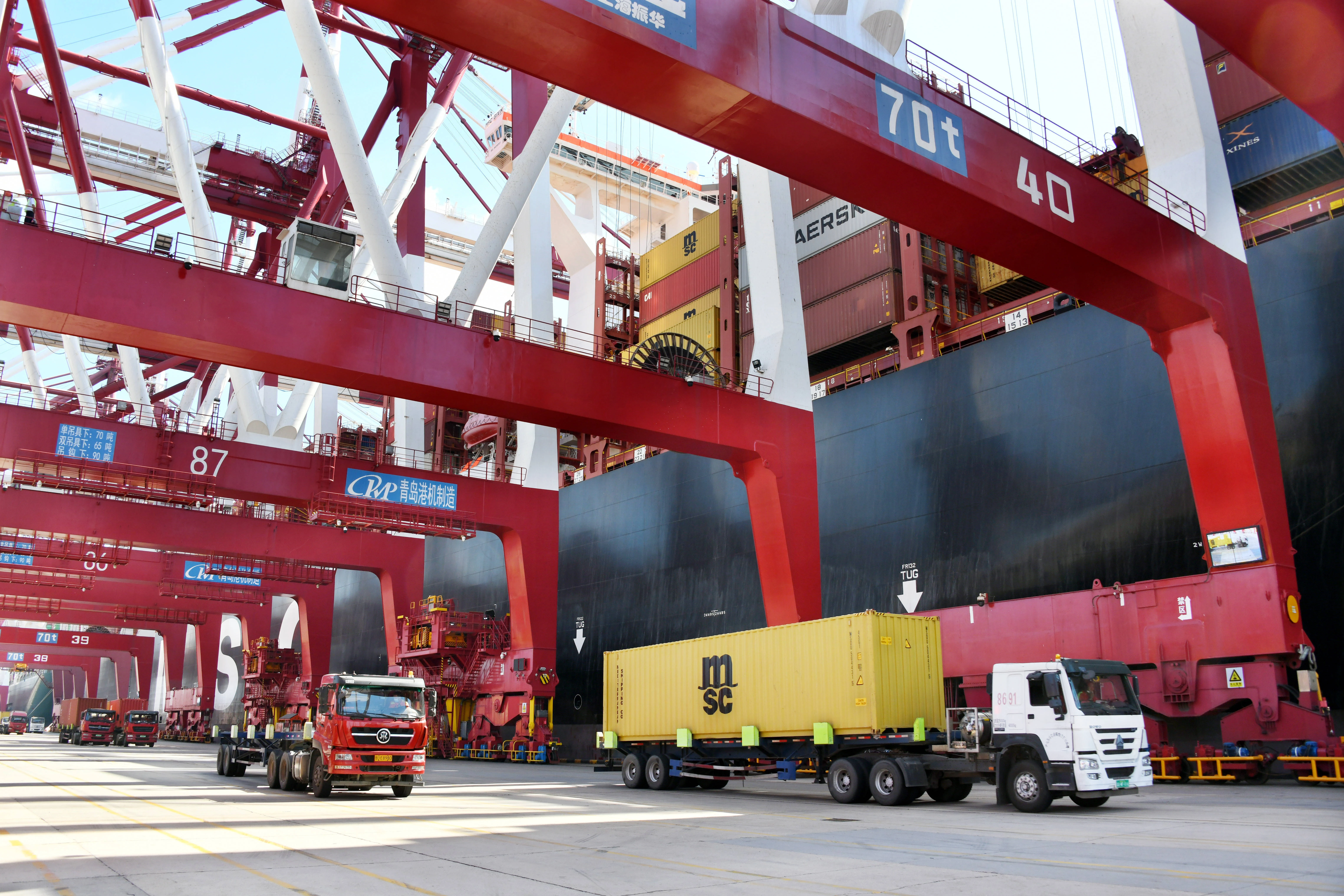
How blind-spot alerts work
Reach stacker blind-spot alerts help stop rack strikes. They use special detection units to watch the area around your equipment. These systems have radar, ultrasonic sensors, and cameras. All the data from these tools is put together to show you what is nearby. The Vision Pulse system uses radio signals to find objects, even if you cannot see them. This technology helps you notice people, vehicles, and other things with great accuracy.
When you drive a reach stacker, the system gives you alerts you can use. You see warning lights on your screen and hear alarms if you get close to danger. Early warnings let you act before you hit something. Some systems can slow down or stop the machine by themselves. You get information right away, so you can make safe choices fast.
Proximity alert systems help you avoid accidents and keep your warehouse safe. These systems change as the environment changes and give quick feedback to both drivers and people walking nearby.
Technical solutions for collision prevention
Reach stacker blind-spot alerts stop rack strikes by using different technical tools. Assisted anti-sway control keeps loads steady, so it is easier to put things in place. Multi-layer safety interlocks protect you from overloads and stop unsafe moves. Operator-centered HMI shows clear alarms and updates, helping you pay attention.
Here is a table that compares old safety steps and new blind-spot alert systems:
|
Modern Blind-Spot Alert Systems |
|
|---|---|
|
Passive controls rely on consistent behavior and do not adapt to dynamic environments. |
Modern systems provide actionable alerts that adapt to real-time conditions. |
|
Generic alarms can lead to alarm fatigue, causing operators to ignore warnings. |
Advanced systems classify objects and provide context, reducing false alarms. |
|
Lack of directional context makes it hard for operators to identify risks. |
Modern systems offer clear directional alerts, improving response times. |
|
Basic proximity sensors may not differentiate between types of nearby objects. |
Advanced systems can identify pedestrians, vehicles, and obstacles, enhancing safety. |
You get help from advanced detection units with radar, cameras, and proximity sensors. These units help you spot people and tell what objects are close. Floor marking and zone control use geofencing to slow down machines and set off alarms near danger. Intersection alert systems warn you about forklifts coming, so you can avoid crashes.
-
Actionable alerts tell you what to do, not just warn you.
-
Operators trust alerts that are clear, so they do not get distracted.
-
Near-miss accidents happen less in risky places, which means better safety.
-
There is less damage to buildings and racks over time.
-
Traffic in the warehouse gets better because people pay more attention.
Reach stacker blind-spot alerts work with CEGC port machines by adding these safety tools. You can pick which sensors, safety zones, and backup systems you need. CEGC gives you standard options and custom choices for container handling equipment, portal cranes, and ship cranes.
Reducing forklift accidents and improving safety
Reach stacker blind-spot alerts help stop rack strikes and forklift accidents by warning you early and giving you feedback right away. Forklift safety systems keep track of every slowdown, stop, or near-miss. Managers use this information to make safety rules and training better. ObjectSense Detection and Notification System changes its detection area based on speed and steering, and gives alerts when something is in the way.
You see fewer accidents and safer warehouses when you use these systems. Proximity sensor technology can cut crashes by 50-65%. AI-powered detection systems lowered near-miss accidents by 98%. Vertical Cold Storage saw a 98% drop in near-miss accidents in six months after using AI-powered detection.
Operator-centered HMIs help you notice what is happening around you. You can focus on important jobs and make smart choices fast. High-performance HMIs help you react to danger and lower forklift accidents.
-
Operator-centered HMIs help you notice dangers, which stops accidents.
-
They make your job easier, so you can focus on important things.
-
High-performance HMIs help you make good choices fast, making the warehouse safer.
Reach stacker blind-spot alerts stop rack strikes by using advanced detection units, alerts you can use, and early warnings. You make the warehouse safer, lower forklift accidents, and protect your building and equipment. CEGC gives you solutions that fit your port and terminal, so you can work safely and get better results.
Implementation and benefits in warehouse operations
Fewer rack strikes and safer warehouses
When you use blind-spot alerts, rack strikes happen less. These alerts help you see danger before an accident happens. Smart sensors watch for movement and warn you if you get too close to racks or people. The TruSense system gives alerts right away to both drivers and people walking. This helps everyone pay more attention and lowers the chance of crashes. Over time, you learn safer habits and talk more about safety with your team.
-
Alerts that happen right away help you notice danger and make good choices.
-
Better visibility means fewer accidents and more work gets done.
-
Watching safety rules all the time means you do not need to check as much, and work goes smoothly.
Integration with safety protocols and training
You can add blind-spot alerts to your safety rules easily. Training teaches you how to use these systems and what to do when you get an alert. AI tools check if people follow safety rules and help everyone stay safe. You do not have to spend as much time looking for mistakes, so you can focus on your job. Better safety steps help you work faster and stop delays.
Tip: Use training to show your team how to react to alerts and stay safe.
Customization for port and terminal needs
CEGC lets you pick the blind-spot alert features that fit your port or terminal. The table below shows some choices:
|
Customization Feature |
Description |
|---|---|
|
Sensor Placement |
Put sensors anywhere on the chassis to cover all sides. |
|
Detection Range |
Choose how far sensors can see, up to 10 meters. |
|
360° Detection Zone |
Add more units for full coverage that moves with the machine. |
|
Non-Line-of-Sight Protection |
Use RFID to find hidden workers and warn both the driver and the person walking. |
You get standard features and special options from CEGC. This helps you make your work safer and more efficient.
You can keep your warehouse safer by using reach stacker blind-spot alerts. These systems warn you early with bright lights and loud alarms. They help you stop accidents and keep work going. CEGC’s solutions make work faster and safer.
|
Solution Benefit |
Result |
|---|---|
|
Early alerts |
Fewer rack strikes |
|
Automation |
Less downtime |
|
Smart tracking |
Better safety |
FAQ
How do reach stacker blind-spot alerts improve safety?
These alerts warn you if something is close. You get real-time warnings, so you can act fast. This helps stop accidents and keeps people and machines safe.
Can you customize blind-spot alert systems for your port or terminal?
You can pick where sensors go and how far they see. CEGC gives choices for container handling equipment and portal cranes.
What training do you need to use blind-spot alerts?
You learn what to do when you get an alert. Training shows you how to use the system the right way. It helps keep your team safe.


