
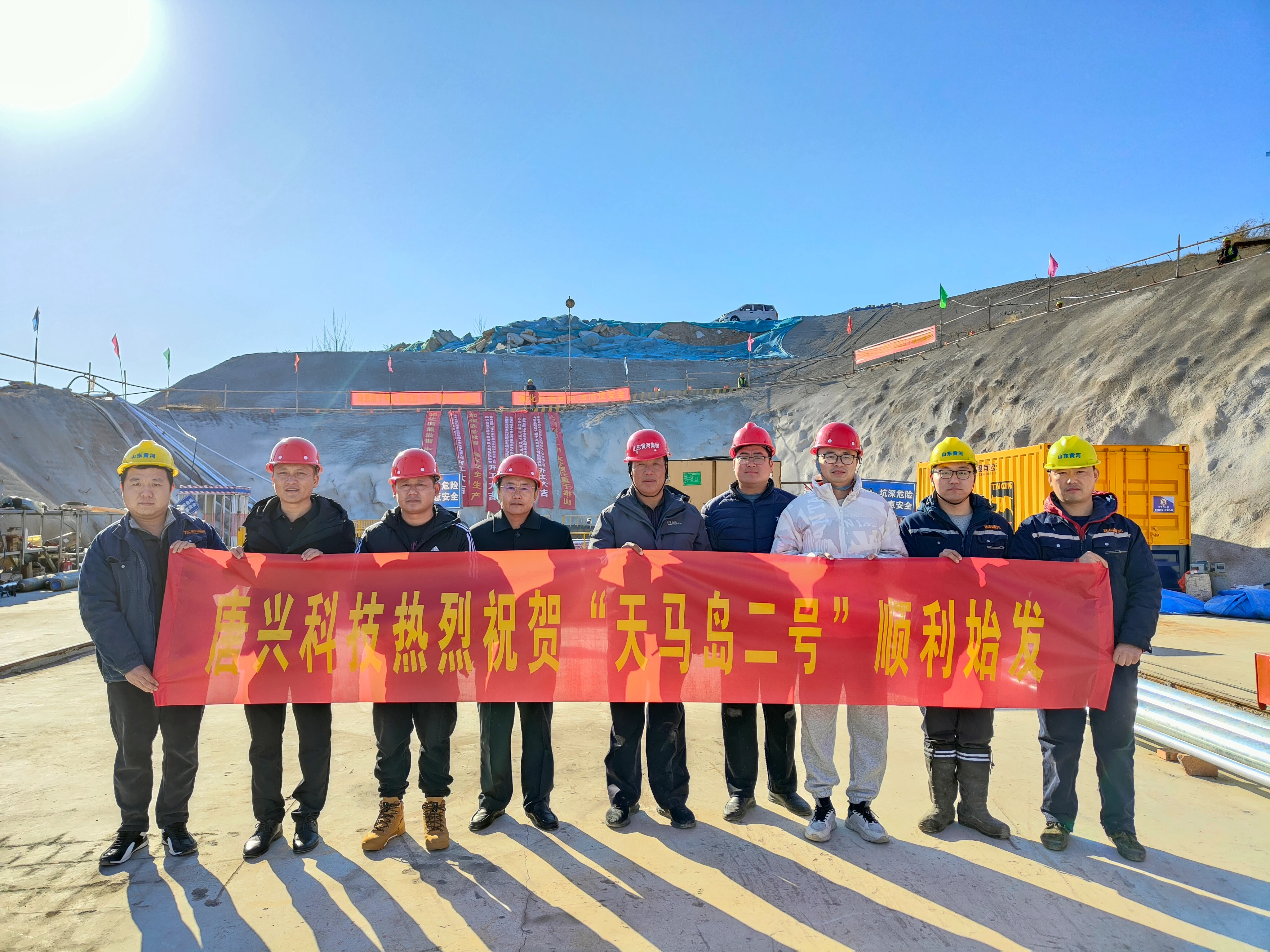
A stable TBM tunnel improves daily advance predictability, ensuring that you can accurately forecast progress each day. When utilizing a tunnel machine or TBM tunnel boring machine, your success hinges on the ground conditions, support systems, and the performance of the TBM. CEGC is dedicated to helping you maintain tunnel stability. With a stable tunnel, planning, controlling costs, and managing risks become significantly easier:
-
Tunnel stability directly influences project timelines and budgets due to varying ground conditions.
-
Effective risk management plans are essential to address issues related to ground stability.
-
Monitoring and ensuring quality during construction helps mitigate risks associated with tunnel stability.
You rely on TBM machines, Microtunnelling Machines, auger boring machines, and TBMs to ensure consistent progress.
Key Takeaways
-
A stable TBM tunnel helps us know how much work we can do each day. This makes it easier to plan and control costs. Real-time monitoring and good support systems are very important. They help keep the tunnel safe and lower risks. Using AI and machine learning can make predictions much better. This helps projects finish on time.
A stable TBM tunnel improves daily advance predictability
Defining TBM tunnel stability
It is important to know what makes a tunnel stable when using a tunnel boring machine. Stability means the tunnel keeps its shape and does not break or move. Engineers check for settlement and changes in shape to see if the tunnel is stable. They use special sensors to watch for strain and movement inside the tunnel.
Tunnel stability is checked by looking at different things like how much the tunnel moves, changes in strain, and how the rock around the tunnel affects the tunnel lining. Important signs of tunnel safety are settlement and how much the tunnel walls move closer together. Engineers also look for cracks along the inside wall of the tunnel lining. Sensors like resistive strain gauges and fiber-optic sensors help measure strain closely. This is very important for knowing how the tunnel structure acts.
Key factors: ground, support, and TBM performance
There are many problems you can face when using a tunnel boring machine. The ground can be hard rock, soft soil, or have water, and this changes how the TBM works. Some TBMs can switch how they dig to match the ground. You need to pick the right TBM and keep it working well. Support systems help the tunnel stay safe. Soil conditioners and backfill grouts help stop the tunnel from sinking. Concrete segments are put in to build the tunnel and fill spaces to keep water out.
-
Picking the right TBM for the ground is needed.
-
Keeping the TBM in good shape stops problems.
-
Good support systems make the tunnel safer.
-
Soil conditioners and grouts help stop sinking.
-
Putting in concrete segments and filling spaces keeps water out.
Urban challenges: settlement, face instability, water ingress
Tunneling in cities has more risks. Settlement can hurt roads and buildings above the tunnel. If the tunnel face is not stable, it can fall in. Water getting in can flood the tunnel and slow down work. You need special ways to fix these problems.
|
Solution Type |
Description |
|---|---|
|
Works well in soft ground and uses dug-up dirt to keep the tunnel face safe. |
|
|
Slurry Shield TBMs |
Good for ground with water, using bentonite slurry to hold up the tunnel face. |
|
Advanced TBMs |
Have smart systems that change how they work when the ground changes. |
|
Pressure Control Systems |
Change face support to match what the ground needs. |
|
Variable Speed Drives |
Change cutting speed for different rocks. |
|
Finds changes in the ground so workers can change how they dig. |
|
|
Essential Support Equipment |
Includes things like material movers, air systems, and grout machines to keep the tunnel safe. |
A stable TBM tunnel helps you know how much you can dig each day. Real-time monitoring lets you find problems early. Studies show that watching shield strain can help you guess when the TBM might get stuck and keep it moving. Using CEGC’s TBM and Microtunnelling Machine gives you choices that fit your project. A stable TBM tunnel helps you plan your work and finish on time. You need a stable TBM tunnel to lower risks and make sure you can dig as planned. Every TBM project needs a stable tunnel to help with daily advance predictability.
Stability and TBM performance prediction
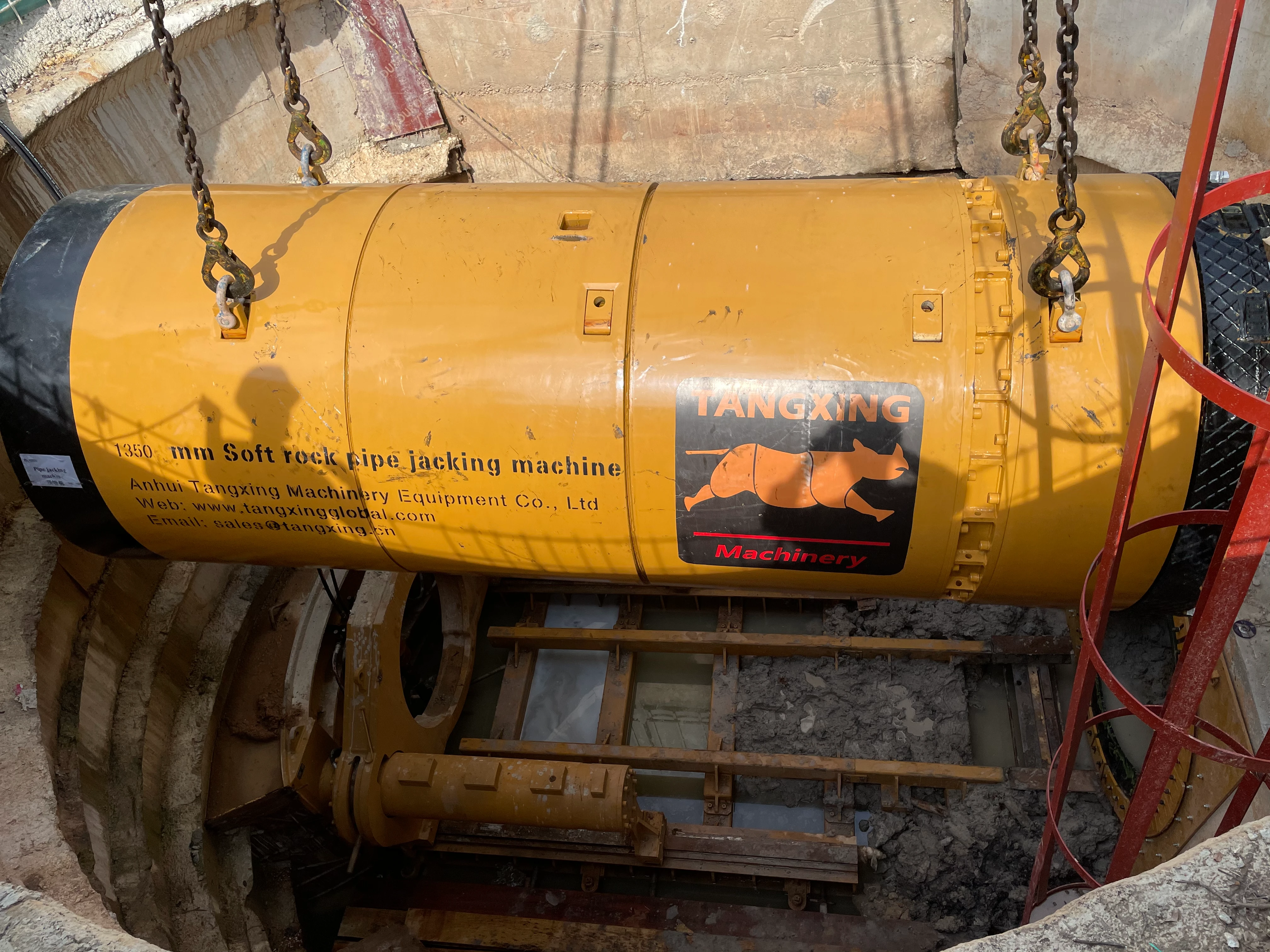
How stability impacts advance rates
You need tunnel stability to keep your project moving. When you use tunnel boring machines, you want to know how much you can dig each day. Tunnel stability changes how well the tbm works and how fast it moves. If the ground is stable, you can guess your progress and plan your work. If the ground is not stable, your work slows down and it is harder to predict what will happen.
-
The type of ground and cutter wear change how the tbm works and how fast it moves.
-
You must figure out bids and check schedule risks using advance rates.
-
Things like how fast the cutterhead spins and machine stops change how you predict performance.
-
High-pressure water and tricky ground can stop your tbm and slow it down.
Stable tunnels help you guess how the tbm will work and keep your project going. If the ground is not stable, you get delays and cannot guess how the tbm will do. You want to avoid these problems and keep your work steady.
Role of performance prediction in TBM projects
Performance prediction helps you plan your project and handle risks. You use models to guess how fast your tbm will move in different ground. You need tbm performance guesses to make your schedule and budget. If you can guess tbm performance, you can avoid surprises and finish on time.
-
Rock strength, cracks, and water change how the tbm works and how fast it digs.
-
The kind of tbm and how it is set up change how you guess performance.
-
Crew skill and how often you fix the tbm change how well it works and how fast people learn.
-
Surprises like face instability and water getting in make it hard to guess performance and cause delays.
You need good performance guesses to make choices and keep your project safe. You want to use models that look at all things that change tbm performance. When you guess tbm performance well, you lower risks and get better results.
AI and machine learning for advance predictability
You can use AI and machine learning to make performance prediction better in tunnel boring machines. These tools help you guess tbm performance by looking at real-time data and what operators do. AI models can guess how much you can dig and help with tricky ground. Machine learning models guess jack speed and torque for micro TBMs, so you can make better choices.
|
Advancement |
Description |
|---|---|
|
Neural networks and AI models |
Guess how much you can dig and help with tricky ground. |
|
Machine learning models |
Guess jack speed and torque for micro TBMs using real-time data. |
|
Guess how fast you can dig and look at hard problems in operations. |
|
|
Transformer-based ensemble deep learning model |
Make tbm advance rate guesses better by using more data and smart tools. |
|
Optuna-assisted ML methodology |
Make operator checks and tbm data easier for better performance guesses. |
You get help from AI models that make guessing better, even with little data. These models help you guess ring cycle time and spot risks. You use them to run your project and budget better.
|
Evidence Type |
Description |
|---|---|
|
AI Application |
Neural networks and AI models are used to guess how much you can dig and help with tricky ground. |
|
Case Studies |
Machine learning case studies show it works for tbm performance guesses. |
|
Predictive Accuracy |
Neural networks make guesses better in different ground. |
|
Operational Efficiency |
Models guess key numbers and spot risks, helping you manage your project and budget. |
AI and machine learning make it easier and more sure to guess tbm performance. You can use these tools to make better guesses and keep your project on time.
CEGC gives you technical help for steady tbm performance. You get custom equipment made for your tunnel needs. Service consulting helps you plan and pick the right equipment. Jobsite assembly makes sure everything is set up right. Trenchless support gives you engineering help for tough ground. Training programs teach your team to do a great job. Spare parts keep your tbm working and cut down on stops.
|
Service Offering |
Contribution to TBM Performance |
|---|---|
|
Customized equipment manufacturing |
Special solutions for your tunnel needs make work better. |
|
Service consulting |
Expert advice helps you plan and pick equipment for better guesses. |
|
Jobsite assembly |
On-site setup makes sure systems work together. |
|
Trenchless support |
Engineering help for tough ground makes sure things go well. |
|
Training programs |
Training helps teams do their best work. |
|
Spare parts availability |
Fast parts delivery cuts down on stops and keeps tbm working. |
You can count on CEGC to help you keep tbm performance steady and make better guesses. You feel sure about guessing tbm performance and how fast you can dig. Stable tunnels, good performance guesses, and smart AI tools help you finish your tunnel boring machine project.
Practical methods for stable tunnel boring machines
Ground conditioning and face pressure control
You can make tunnels more stable by using ground conditioning and face pressure control. These ways help you handle rock mass quality and keep your tbm working well. When you use foams and anti-clay polymers together, you get better quality and faster digging. For example, the MetroSur project dug 936 meters in 31 days, which was a record. On the M30 motorway, soil conditioning tests made cutterhead torque only 30% of what was expected. This made the machine work better and helped people guess how it would perform.
You need to set the right face pressure so the ground does not move suddenly. You can use models like wedge stability or numerical modeling to find the best pressure. The pressure should be the same as the hydrostatic and earth pressure, with a safety margin. This helps you control groundwater and keep the rock mass quality good. You can use both analytical and finite element methods to check your results for different ground types.
|
Aspect |
Description |
|---|---|
|
Face Support Pressure |
The lowest pressure needed to stop sudden movement, based on rock mass quality and tunnel depth. |
|
Cohesionless Ground |
Finite element analysis matches analytical methods when the cover-to-diameter ratio is 1. |
|
Cohesive Ground |
Finite element analysis pressures are the same or higher than analytical solutions. |
Real-time monitoring and support systems
You can use real-time monitoring to watch tbm performance and rock mass quality. These systems help you see changes and make fast choices. Tools like OPSIS and Terraweb give you quick data about tunnel changes and site conditions. Watching things closely lets you change how you work right away, making predictions and quality better.
Watching cutter-head torque in real time is very accurate, with mistakes less than 10%. The match between measured and predicted values is usually over 0.95. This means you can trust the system to guess tbm performance and rock mass quality. Watching ground conditions helps you see problems early and keep your tunnel safe.
The face stability in microtunnelling tbms is very important for quality and good predictions. If you do not have enough face support, the ground can fall in and cause settlements. In soils with bigger pieces, bentonite suspension can make too much pore pressure and cause liquefaction, so you must watch and change support systems carefully.
Custom solutions from CEGC
CEGC gives you special solutions to make tbm predictions and rock mass quality better. Their systems use smart prediction models to help you guess advance speed and ground settlement. For example, the GWO-GRNN model matches test results, with an R² of 0.97 for advance speed and 0.91 for ground settlement. The CRITIC-ALA-Residual-LSTM model is very accurate and helps warn about risks.
|
Metric |
Value |
|---|---|
|
R² (Advance Speed) |
0.97 |
|
R² (Ground Settlement) |
0.91 |
|
Prediction Accuracy |
High |
You can use these solutions to make quality, predictions, and rock mass quality better in your tbm projects. CEGC helps you guess results, handle risks, and keep your tunnel boring machine working its best.
You can dig more each day if your TBM tunnel stays stable.
-
You keep risks low and save money by knowing the ground and what the machine needs.
-
You use good steps like planning and checking quality to get steady results.
|
Project Success |
Cost Efficiency |
|---|---|
|
More safety |
Fewer delays and accidents |
|
Better schedules |
Less risk and less extra digging |
When you use CEGC’s stability steps, your TBM projects do better.
FAQ
What is the role of a model in TBM excavation?
You use a model to predict how tbm excavation will go. The model helps you plan, check risks, and improve your results.
How does data help you during tbm excavation?
You collect data to see how tbm excavation works. Data shows you what happens in real time. You use data to make better choices.
Why do you need both a model and data for successful tbm excavation?
You need a model to predict and data to check your work. The model gives you a plan. Data tells you if your plan works.
[Here are some tips:]
-
Always check your data for errors.
-
Update your model when you get new data.
-
Use both for the best tbm excavation results.


