
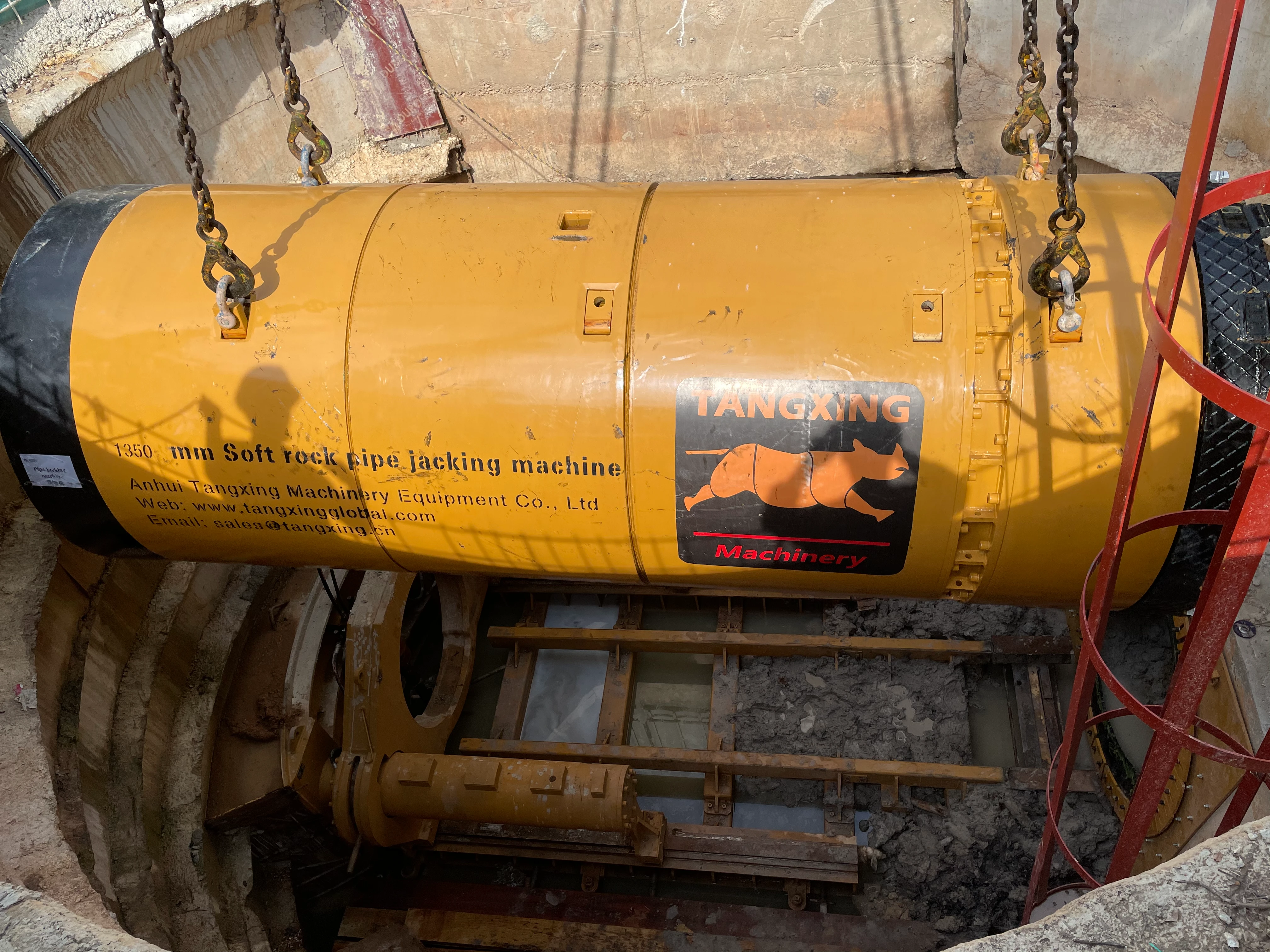
Tunneling in urban environments presents significant challenges. Micro tunneling needs stability in tight corridors to ensure safety and efficiency. Ground movement can jeopardize critical underground infrastructure, leading to sinkholes and damage to pipes if excavation is not managed properly. New tunnel machines, like those from CEGC, are designed to enhance project safety and ensure that installations are executed reliably.
Key Takeaways
-
Micro tunneling needs good planning to stop the ground from moving. Ground movement can cause sinkholes and hurt things already built.
-
Using advanced machines like those from CEGC keeps the tunnel safe and stable. These machines help when working in small city spaces.
-
Workers must check the tunnel often and be skilled. This helps control risks and finish the project well.
micro tunneling needs stability in tight corridors
ground movement and settlement risks
Working in tight city spaces is hard. Micro tunneling needs stability in tight corridors because small ground shifts can cause big trouble. Two main theories help explain this. The Mohr-Coulomb theory shows how soil reacts to stress and strength. Peck's Ground Settlement Theory helps predict how much the ground above the tunnel might sink. Here is a simple table that explains these theories:
|
Theory |
Explanation |
|---|---|
|
Mohr-Coulomb |
Checks tunnel safety by comparing soil stress and strength. |
|
Peck's Ground Settlement |
Measures how much the ground sinks and warns about nearby risks. |
Digging deeper makes ground movement more likely. This can hurt things above and below the ground. Micro tunneling needs stability in tight corridors to stop sinkholes and keep people safe. Past projects show real dangers. In Beijing, a subway project caused a 20-meter sinkhole after a pipe broke. This stopped traffic and made crews fix roads, pump out water, and support the tunnel. Tunneling under busy roads or train tracks is even riskier. You must watch for damage and keep everyone safe.
You can lower these risks with good plans.
"Risk checks find problems before you start building. Fixing these problems means changing designs, using backup tools, checking often, and having backup plans."
"Special tools watch ground movement, building sinking, and water levels. This helps you act fast if something goes wrong."
"Slurry-based microtunnelling balances earth and water pressure. This stops too much digging and ground movement. It is very important under busy train tracks."
"Microtunnelling puts the pipe in place in one step. This makes the hole smaller and lowers the risk of ground movement."
There are different ways to control soil pressure at the tunnel face. Here is a table with some good choices:
|
Method |
Description |
Ideal Conditions |
|---|---|---|
|
Mechanical Balancing |
Uses an Earth Pressure Balance Shield (EPBS) to hold back soil. |
Soft, sticky soils above water. |
|
Air Pressure Balancing |
Blows air into the chamber to balance soil pressure. |
When people need to go inside the chamber. |
|
Slurry Balancing |
Pumps a thick liquid into the chamber to push back soil. |
Very soft soil or lots of water pressure. |
|
Mixed Balancing |
Uses both slurry and air for better control. |
High water pressure. |
You must watch these systems all the time. Keeping the ground steady helps your project finish on time and saves money.
protecting existing infrastructure
Micro tunneling needs stability in tight corridors because you work near other things underground. Cities have many pipes, wires, and building bases. These can get damaged when you tunnel. Sometimes, you even have to change parts of buildings, like roof covers, to make space for your work.
You can protect these things by following smart steps:
-
Check the site carefully to know what is there and what could go wrong.
-
Make sure skilled workers run the microtunneling machines. They can change plans if needed.
-
Use pipe jacking and microtunneling to keep the ground from sinking more than 25 mm (1 in).
Micro tunneling needs stability in tight corridors to keep these important systems safe. If you do not control ground movement, you might break water pipes, cut power, or hurt building bases. These problems can stop your work and cost a lot to fix.
Real projects show why this matters. In one job, a 275-meter sewer line used an Earth Pressure Balanced TBM. Careful checks showed the ground did not sink too much. This happened because of good planning and the right tools.
Always remember, micro tunneling needs stability in tight corridors. This keeps workers safe, protects the city, and helps you finish your job on time.
microtunnelling solutions for urban challenges
face pressure and ground protection systems
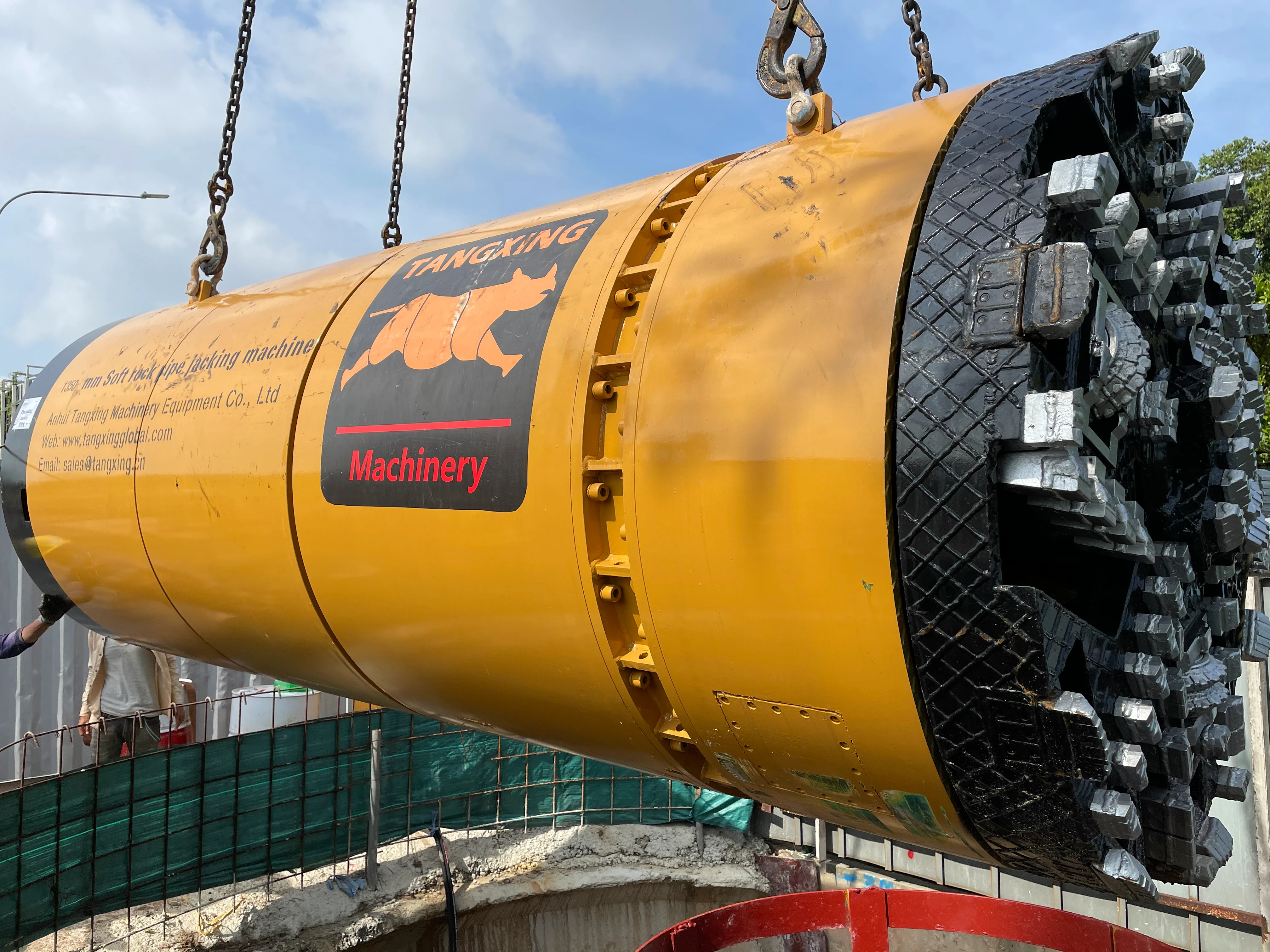
Working on pipelines in cities is hard. Microtunnelling machines from CEGC help keep the ground steady. These machines use slurry systems for soft ground. The slurry keeps the pressure steady and moves dirt away. In thick soils, earth pressure balance systems control pressure. They use a sealed chamber behind the cutterhead. Grout mixing and pumping systems fill gaps and keep tunnels safe. Continuous pressure balance systems stop the ground from sinking. They protect pipes and wires nearby. Microtunnelling lets you put in pipelines with less risk.
-
Slurry systems keep pressure steady and move dirt.
-
Earth pressure balance systems control pressure in thick soils.
-
Grout mixing and pumping fills gaps and keeps tunnels safe.
-
Fibre optic sensors watch ground movement and water levels.
cutterhead and wear management
Microtunnelling machines must work in tough soils and rocks. You need to check cutterhead wear to keep your project going. CEGC tunnel boring machines use smart monitoring tools. Acoustic emission sensors find early wear. Vibration analysis checks for problems. Visual inspection and ultrasonic testing measure thickness and find hidden cracks. Routine maintenance checks help you spot trouble early. You can plan daily, weekly, and monthly checks to stop delays.
|
Monitoring Technique |
Description |
|---|---|
|
Acoustic Emission |
Finds tiny cracks and early wear with sensors. |
|
Vibration Analysis |
Spots strange wear by checking vibrations. |
|
Visual Inspection |
Checks wear with pictures and cameras. |
|
Ultrasonic Testing |
Measures thickness and finds hidden cracks. |
|
Routine Maintenance |
Uses regular checks to find problems early. |
Fibre optic systems help you watch cutterhead health and ground conditions. This keeps your microtunnelling project safe and running well.
guidance and alignment control
You need good guidance for microtunnelling in tight spaces. CEGC tunnel machines use lasers and GPS to steer. Automated systems change the path in real time. Hydraulic steering cylinders make small fixes to keep the tunnel straight. Fibre optic sensors give quick feedback on alignment and ground movement. Modular parts let you fix and change machines fast. You can customize tunnel boring machines for each job. This trenchless method makes work easier and helps you finish faster.
"The Fremont Siphon project showed microtunnelling works in tough soils and tight spaces. The team built tunnels close together using smart guidance and ground protection systems."
Microtunnelling gives you tools to handle city pipeline jobs with confidence. You protect the city, keep workers safe, and get good results.
You need stability for microtunneling in tight corridors. CEGC tunnel machines help you watch ground movement. They use a fibre optic inclinometer to keep things safe. Experts say you should pick skilled teams and good equipment. The table below shows how smart choices help your project succeed and cost less.
|
Benefit |
Description |
|---|---|
|
Picking the right microtunneling system is key for success, especially in cities. |
|
|
Cost Reduction |
Good planning and equipment help you avoid expensive mistakes. |
|
Environmental Impact Minimization |
Choosing the right equipment lowers harm to the environment. |
|
Time Efficiency |
Careful study of the ground saves time and money later. |
-
Strong technical skills
-
Careful project planning
-
Modern equipment and technology
-
Safety and care for the environment
FAQ
Why are CEGC tunnel machines good for tight corridors?
These machines can be changed for each project. CEGC tunnel machines fit into small places. You can pick features that help keep the ground steady and make pipelines safe.
How do you stop the ground from moving during microtunneling?
-
You use systems that control pressure at the tunnel face.
-
You watch the soil with special sensors.
-
You change machine settings to keep the ground from moving.
Can microtunneling keep pipes and wires safe?
|
Method |
Result |
|---|---|
|
Careful planning |
Helps keep pipes from damage |
|
Skilled crews |
Stops wires from getting hurt |
|
Smart machines |
Keeps important things safe |


