
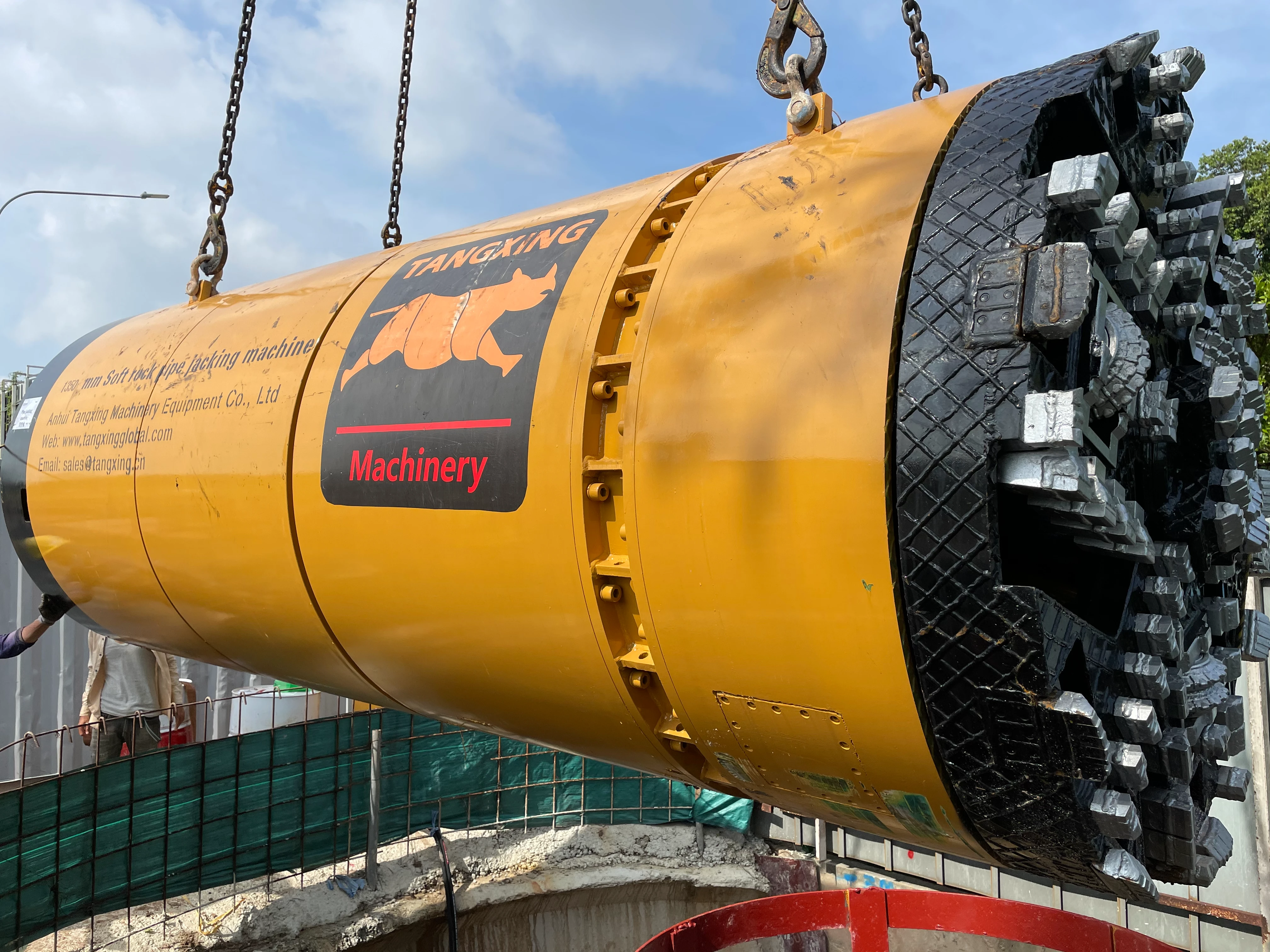
You can see that less re-grouting follows stable TBM tunnel control when you utilize new technology. Synchronous grouting, tail seal grouting, and pre-grouting help prevent water ingress and ensure project safety. CEGC provides tunnel machine solutions that meet market standards and can be customized for each project in urban environments or challenging ground conditions.
|
Advancement Type |
Description |
|---|---|
|
These improve cutting and steering by utilizing real-time rock data. |
|
|
Predictive maintenance |
Machine learning identifies equipment issues early, resulting in less downtime. |
|
Real-time data analytics |
Operators receive insights to enhance their performance and identify water risks. |
|
Digital twin technology |
This simulates operations to evaluate changes before implementing them in reality. |
|
Automated control systems |
These autonomously handle routine tasks for consistent grouting and water management. |
Key Takeaways
-
Good TBM tunnel control means less re-grouting is needed. This saves both time and money.
-
New grouting methods, like synchronous and tail seal grouting, make tunnels stronger. They also stop water from getting in well.
-
Pre-grouting and ground protection systems help keep tunnels stable. They stop water from coming in and keep the project safe.
TBM tunnel control and stability
What is TBM tunnel control?
You control a tunnel boring machine by watching its movement and pressure. You also check the support systems. Tunnel boring has many technical parts that affect how stable the tunnel is. You need to think about the type of ground and how much groundwater is there. TBM system features help you react fast to changes in face pressures. The ground and rocks can change how well your control methods work. To keep the tunnel safe, you use support fast, do permeation grouting, and build canopies. When you run a tunnel boring machine, you use calculations to check earth and water pressure at the tunnel face. Support pressure design helps you fight these pressures. You use different methods to make choices, like testing, math, and computer models. You want to stop the tunnel face from falling and keep the ground from moving too much.
Maintaining tunnel stability
Tunnel boring projects have many problems. Bad ground conditions can make tunnel boring less stable. You need to handle dangers like new rock layers and different soil types. Good TBM tunnel control steps help you keep the tunnel stable. You must stop water from getting in and keep the machines working well. Jamming can slow down work and break things. Safety rules are needed for working in small spaces. You use guidance systems and tools to watch the tunnel boring machine. These help keep the tunnel boring safe and working well.
CEGC’s tunnel machine solutions
CEGC gives tunnel boring machine solutions that meet market rules. You can change the TBM design for your project. The table below lists main problems and how CEGC helps:
|
Pain Point |
Description |
|---|---|
|
Geological Conditions |
New rock layers can slow down tunnel boring. |
|
Groundwater Management |
Water getting in needs good tunnel boring solutions. |
|
Equipment Maintenance |
Good TBM care keeps long tunnel boring jobs on track. |
|
Jamming Risks |
Better monitoring helps stop delays and damage in tunnel boring. |
|
Safety Considerations |
Special rules help keep tunnel boring machine work safe. |
You get better TBM performance, modular TBM design, and custom options for your project from CEGC. These things help you keep tunnel boring stable and lower risks when using a TBM.
Less re-grouting follows stable TBM tunnel control
How instability increases re-grouting
When you control the TBM tunnel well, you need less re-grouting. If the ground changes or water gets in, the tunnel can become unstable. Broken seals also cause problems. These issues make the soil move and get loose. If you do not control the tunnel face, water can flood the shaft. This can stop work and cause big delays. Grouting is used to fix these problems, but too much grouting means more work and higher costs. When you keep water out and the ground steady, you need less re-grouting. This helps you avoid extra work and keeps your project on schedule.
-
Some things that cause instability and need more grouting are:
-
Water coming in through loose ground under the water table
-
Seals in the tunnel boring machine breaking
-
Soils that move and are not stable
-
The ground changing while you tunnel
-
Not using enough pre-grouting or pre-excavation grouting
-
Pre-grouting and pre-excavation grouting help make the ground strong before you start tunnelling. These steps lower the chance of water getting in and needing more grouting. This keeps your project safe and running well.
Synchronous and tail seal grouting techniques
Synchronous grouting and tail seal grouting fill gaps behind tunnel parts as you dig. These methods block water paths and make the tunnel lining stronger. Synchronous grouting puts self-compacting concrete in as the tunnel boring machine moves forward. Tail seal grouting fills the space between the tunnel lining and the machine’s tail shield. You change the grouting pressure and amount to fit the ground and water level.
|
Parameter |
Value/Description |
|---|---|
|
Grouting Material |
Self-Compacting Concrete (SCC) |
|
Grouting Pressure |
Controlled at about 0.2–0.3 MPa |
|
Theoretical Grouting Volume |
0.4 m³ |
|
Actual Grouting Volume |
Set to 200%–250% of the theoretical value |
|
Maximum Buoyancy Difference |
250 kN between nearby segments |
|
Maximum Impact Stress |
18 kPa on the seal plate before SCCBM backfilling |
|
Maximum Side Pressure |
Did not go over 60 kPa |
|
Backfilling Method |
Top-backfilling works better than the three-step way |
|
Flow Behavior |
Checked for SCCBM in the gap behind the segment wall |
You change the grouting speed and pressure to help the slurry spread and block water. The advance rate is kept under 5 mm/min for segmental lining and 20–25 mm/min when tunnelling. The grouting rate is set at 180%, ζ value at 1.2, and grouting pressure at 0.4 MPa for best results. Synchronous and tail seal grouting make the tunnel lining stiff and strong at weak spots. This creates a barrier that stops water from getting in. It also stops the rock from getting soft, swelling, or breaking down. You need less re-grouting when you use these methods to keep water out and protect your project.
Pre-grouting and ground protection systems
Pre-grouting and pre-excavation grouting are done before tunnelling starts. These methods make the ground stronger and lower water risks. Grout is put into the soil to fill empty spaces and block water paths. Closed-mode face support keeps the tunnel face steady while you dig. Soil conditioning and muck transport help control the dirt and remove it safely. Sealing and keeping pressure help stop leaks and make the tunnel safer to build.
-
Pre-grouting and ground protection systems help by:
-
Stopping water from getting in and flooding the tunnel
-
Keeping the ground steady and stopping it from moving
-
Cutting down on extra grouting work
-
Making the project safer and better
-
Saving time and money on your tunnelling job
-
You need less re-grouting when you use pre-grouting, pre-excavation grouting, and good ground protection. These steps keep water out, protect your tunnel, and help you finish with fewer delays. CEGC gives tunnel machine solutions with closed-mode face support and grouting systems you can change for your project. You get good results in cities and tough ground. You need less re-grouting and can finish your tunnel project well.
Practical benefits for tunnel projects
Cost and time savings
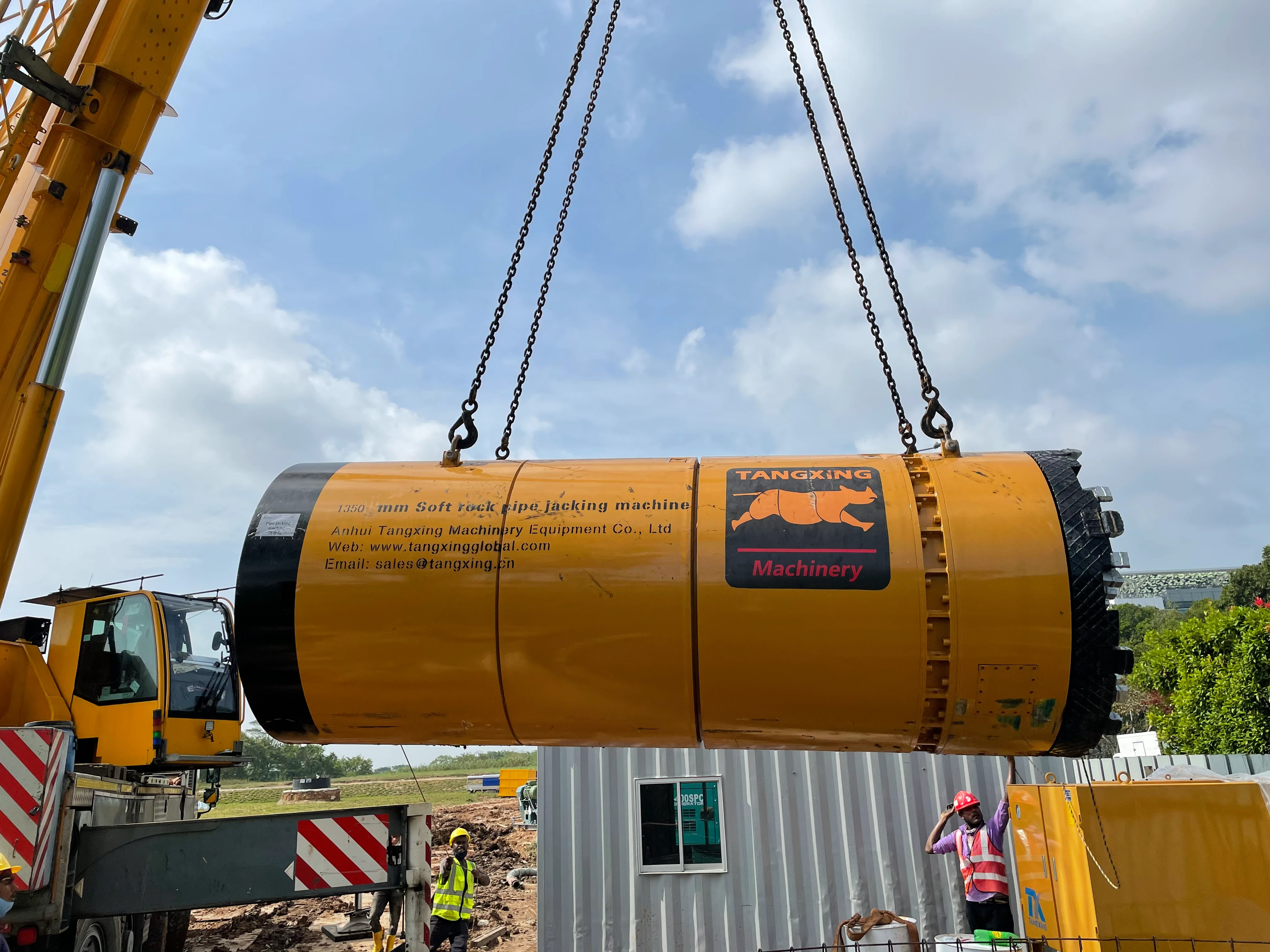
When you use advanced tunnel boring machine control, you save money and time. Micro TBMs help you work faster in hard underground places. Automated guidance systems help you steer better and make fewer mistakes. You finish the job sooner because cutterhead designs keep tunneling smooth in all kinds of ground. Many city projects finish quicker when they use micro TBMs. You spend less on workers and supplies because you do not need as much grouting or water control. You do not have to stop work because of water leaks or shaky ground. This helps you stay on track and do a better job.
-
Automated systems cut down on mistakes and save time.
-
Advanced cutterheads work well in different ground.
-
Needing less grouting saves money and stops delays.
-
Good water control keeps the project moving.
Quality and risk management
Better tunnel machine control helps you make the tunnel safer and stronger. Pre-grouting stops water from coming in and makes tunneling easier to plan. You keep the tunnel safe from sinking, even in weak rock. New grouting methods make the rock stronger and mean you do not need to grout as much. Ground improvement like permeation and jet grouting make the ground hold more weight and stop it from sinking. You follow safety rules and keep the tunnel safe to work in. You do a better job by stopping water problems and making the tunnel work better.
Advanced grouting and ground improvement keep water out and help your project succeed.
Customization for urban and complex geology
You can change how you use tunnel boring machine control for cities and hard ground. Deep Reinforcement Learning helps you set up the TBM for the ground and how much it moves. Digital twin models let you change how you work right away. You pick TBMs for soft ground, tricky ground, or both. AI-driven TBMs change as the ground changes and keep digging safe. CEGC lets you change things for your project needs.
|
Evidence Description |
Explanation |
|---|---|
|
Clear visual map of operations |
You spot slow spots and use your team better. |
|
Structured approach to value |
You know what customers want and plan for success. |
|
Expertise in challenging geology |
You make sure the tunnel works well in tough ground. |
|
Technological innovations |
You get better control and finish the project on time. |
You do better with less grouting, good water control, and strong results. Changing things for your project helps you win in cities and hard ground.
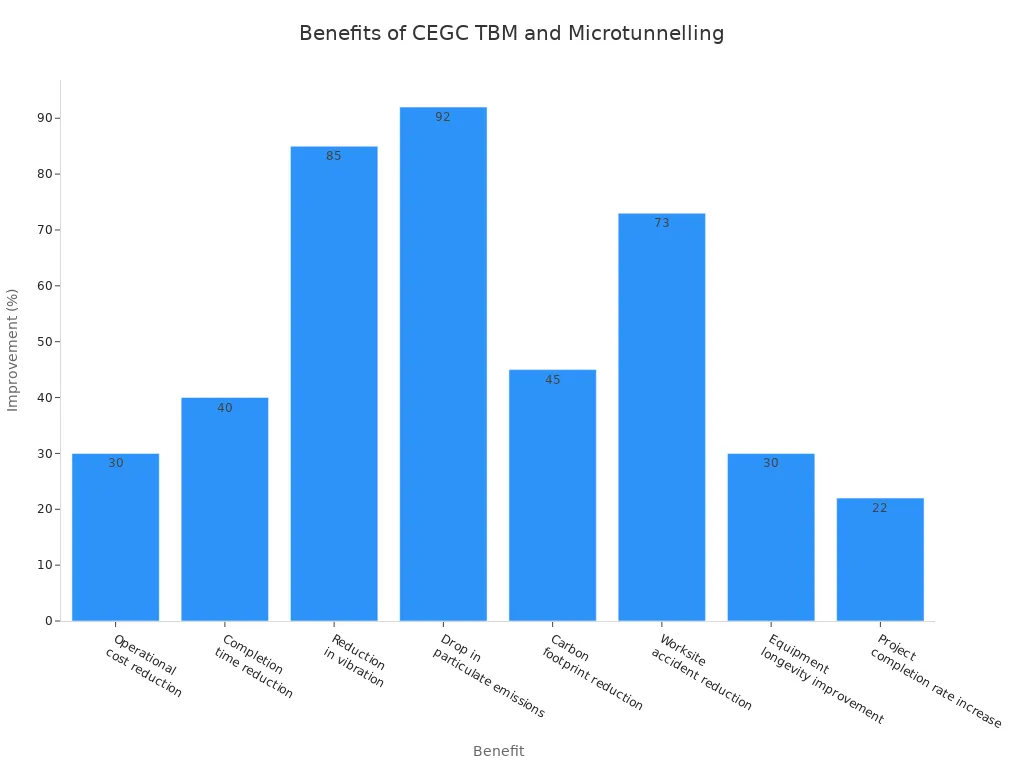
You get less re-grouting and safer tunnels with stable TBM tunnel control. You watch the pressure all the time and use alert systems to help. Annulus grouting keeps the ground from sinking too much. CEGC gives advanced grouting and solutions you can change for your project. These make the tunnel strong and let you adjust as needed. Owners and workers save money, finish faster, and have fewer accidents.
-
Micro TBM technology helps you spend less and causes less trouble.
-
Digital records and data help you take care of machines and guess costs better.
|
Evidence Type |
Description |
|---|---|
|
Structural Integrity |
Advanced grouting makes sure parts stick well and block water. |
|
Material Optimization |
Custom TBM solutions match the ground you are working in. |
|
Quality Assurance |
Automated batching keeps the mix right every time. |
Pick CEGC’s tunnel machines for your next job to get safer, quicker, and better tunneling.
FAQ
What is the main benefit of stable tunnel control?
You see fewer delays and less re-grouting. Stable tunnel control keeps your project safe and helps you finish on time.
How do advanced grouting techniques help your tunnel project?
You block water and keep the ground steady. These methods make your tunnel stronger and reduce extra work.
Can you use a tbm in complex urban geology?
You can use a tbm for city projects. Custom options help you handle tough ground and keep your tunnel safe.


