
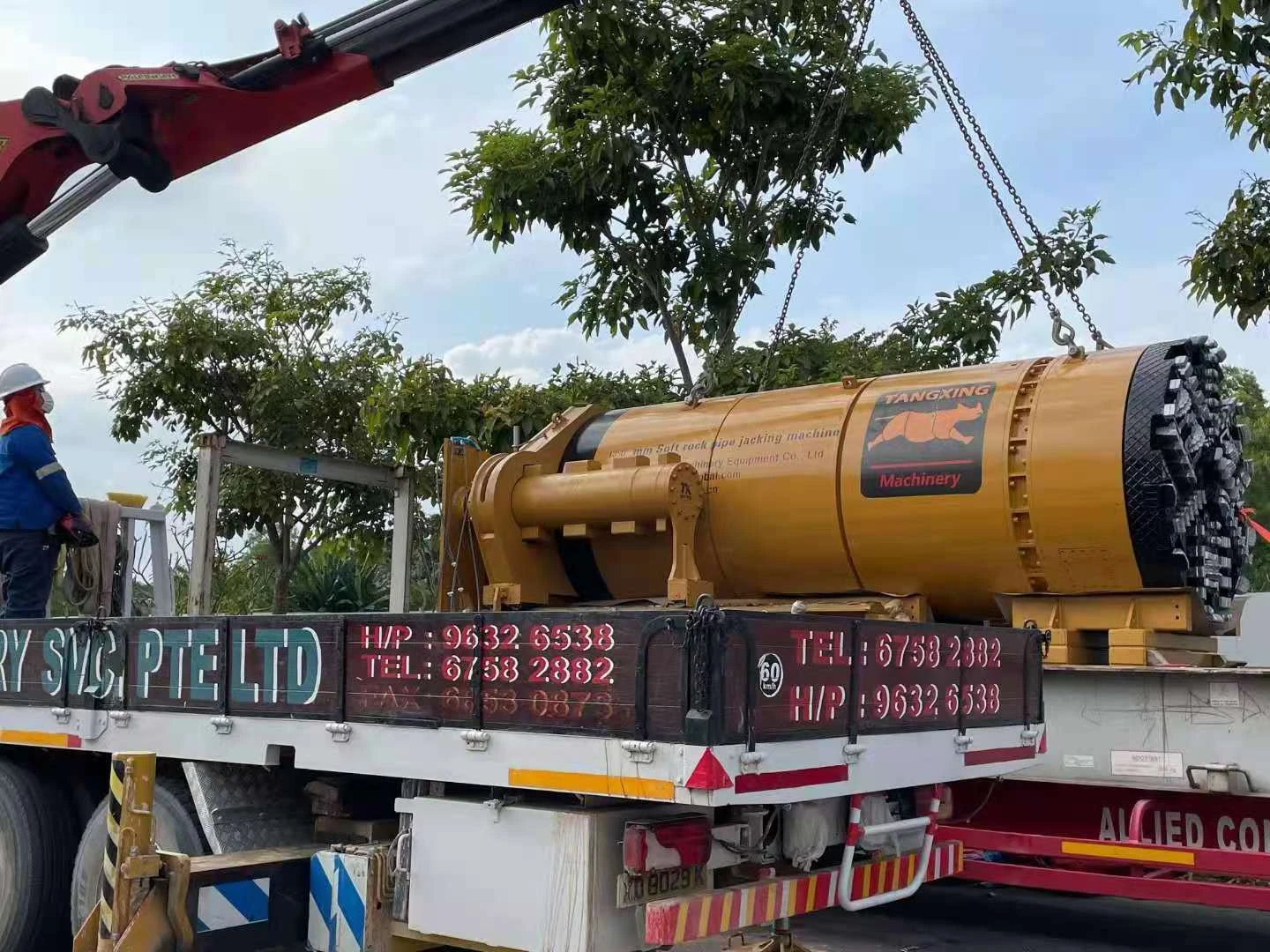
You can use tbm tunnel energy per ring can guide optimization in your tunnel boring machine projects. CEGC gives you TBM and microtunnelling machine solutions that meet market standards. You get better results by tracking tbm tunnel energy per ring can guide optimization. Steady torque and auto correction in TBM machines help parts last longer, make optimization better, and keep the tunnel straight.
-
Torque control lowers the cost of fixing worn parts and makes the tunnel boring machine work better.
-
Sensors fix TBM yaw fast, which helps optimization and makes the tunnel more accurate.
-
Steady torque stops seal shock, so the TBM machine lasts longer.
Key Takeaways
-
Check TBM tunnel energy for each ring to help the machine work better and lower repair costs.
-
Use live sensor data to watch ground conditions and change TBM settings for best results.
-
Use soil conditioning ways to make tunneling better and stop settlement problems.
Why tbm tunnel energy per ring can guide optimization
Energy metrics and TBM performance
You can use tbm tunnel energy per ring to help with optimization in every tunnel project. This metric shows how your tunnel boring machine and microtunnelling machine work during construction. When you track energy per ring, you see how much force and torque your tbm uses for each segment. This helps you notice changes in ground conditions, cutterhead wear, or problems before they get worse.
You should look at important energy metrics to make things work better and more accurately. These include specific energy, thrust, torque, and the Shield Tunneling Index (KSTI). KSTI tells you the ratio of thrust and torque to penetration rate. This shows how well tunneling is going. Higher KSTI values mean tunneling is more efficient and uses less energy per ring. You can use these numbers to compare different tbm tunneling settings and make quick changes for optimization.
Tip: Watching tbm tunnel energy per ring helps you guess when the cutterhead will wear out and plan maintenance before big problems happen.
You can see how CEGC’s tunnel boring machine and microtunnelling machine solutions solve main problems with advanced features. For example, keeping the right face pressure is very important. If the pressure gets too low, the ground might fall in. If it gets too high, you could have blowouts and water coming in. CEGC’s closed-mode face support and ground protection systems help you keep the right balance. This lowers ground settlement and keeps the tunnel face stable.
Here is a table that shows how pre-reinforcement methods can lower settlement in tunnel building:
|
Parameter |
Pre-Reinforcement |
Post-Reinforcement |
Reduction (%) |
|---|---|---|---|
|
Maximum vertical settlement (mm) |
92 |
17 |
79.3 |
|
Maximum ground settlement (mm) |
42 |
7 |
83.3 |
You can also use soil conditioning to make tbm performance better. These include foaming agents for sandy soils, anti-clay polymers for clay, and strong stabilizers. These solutions help the ground behave better, so digging is smoother and easier to predict. When you use these methods with real-time sensor data, you get a full view of your tunnel boring machine’s health and efficiency.
You can use these soil improvement methods to fix settlement and water problems:
-
Permeation grouting makes soil stronger and blocks water.
-
Compensation grouting lifts up buildings that have settled.
-
Jet grouting makes hard columns in weak soils.
-
Compaction grouting packs soil tighter to stop settlement.
You can count on CEGC’s modular design and easy-to-service layout to cut downtime and make maintenance simple. This keeps your tunnel boring machine working well and helps with ongoing optimization.
Impact of ground conditions and operational parameters
You face many problems in tunnel building, like changing ground, water coming in, cutterhead wear, and alignment issues. Each of these can change tbm tunnel energy per ring and affect optimization. You need to know how ground conditions and machine settings work together to keep your project going well.
The table below shows how different ground and machine factors affect tunnel boring machine performance:
|
Geological Factors |
Operational Parameters |
|---|---|
|
Presence of gas |
Cutterhead design |
|
High permeability |
Face support |
|
High strength |
Excavation tools |
|
Mixed ground conditions |
Muck transport |
|
Ground instability risks |
Performance and wear |
|
Aggressive groundwater |
Ground support measures |
You can see that cutterhead wear really affects energy use. When cutter wear goes over 12 mm, energy use for crack growth goes up by 35%. This means you need to watch tool wear closely and change your tbm tunneling settings for optimization. Water coming in and ground problems also make energy needs go up, so using real-time prediction and data analysis is important for safety.
You can use real-time sensor data to track things like rpm, thrust force, advance speed, and screw conveyor torque. The table below shows how these things change earth pressure:
|
Input Variable |
Influence on Earth Pressure |
|---|---|
|
RPM |
Negative correlation |
|
Thrust force |
Positive correlation |
|
Advance speed |
Positive correlation |
|
Screw conveyor rotation speed |
Positive correlation |
|
Screw conveyor torque |
Negative correlation |
You can use this information to change your plan and be more accurate. For example, raising thrust force or advance speed makes earth pressure go up, which can help keep the face stable in loose ground. Lowering rpm or screw conveyor torque can save energy and stop too much digging.
New AI-based energy estimation and real-time sensor data are changing how you manage tunnel boring machine projects. Machine learning models can look at lots of data and give real-time predictions of tbm performance. These tools help you guess tool wear, improve tunneling plans, and be more accurate. You can use these ideas to make better choices and get higher efficiency in every tunnel.
You can also use statistics like t-tests, F-tests, and ANOVA to study how ground and machine settings affect tbm tunnel energy per ring. This helps you find patterns and make your building process better for good results.
Note: Using real-time prediction and data analytics in your project management can help you save money, be more accurate, and keep optimization steady in all tunnel boring machine and microtunnelling machine projects.
Measuring, analyzing, and optimizing TBM energy per ring
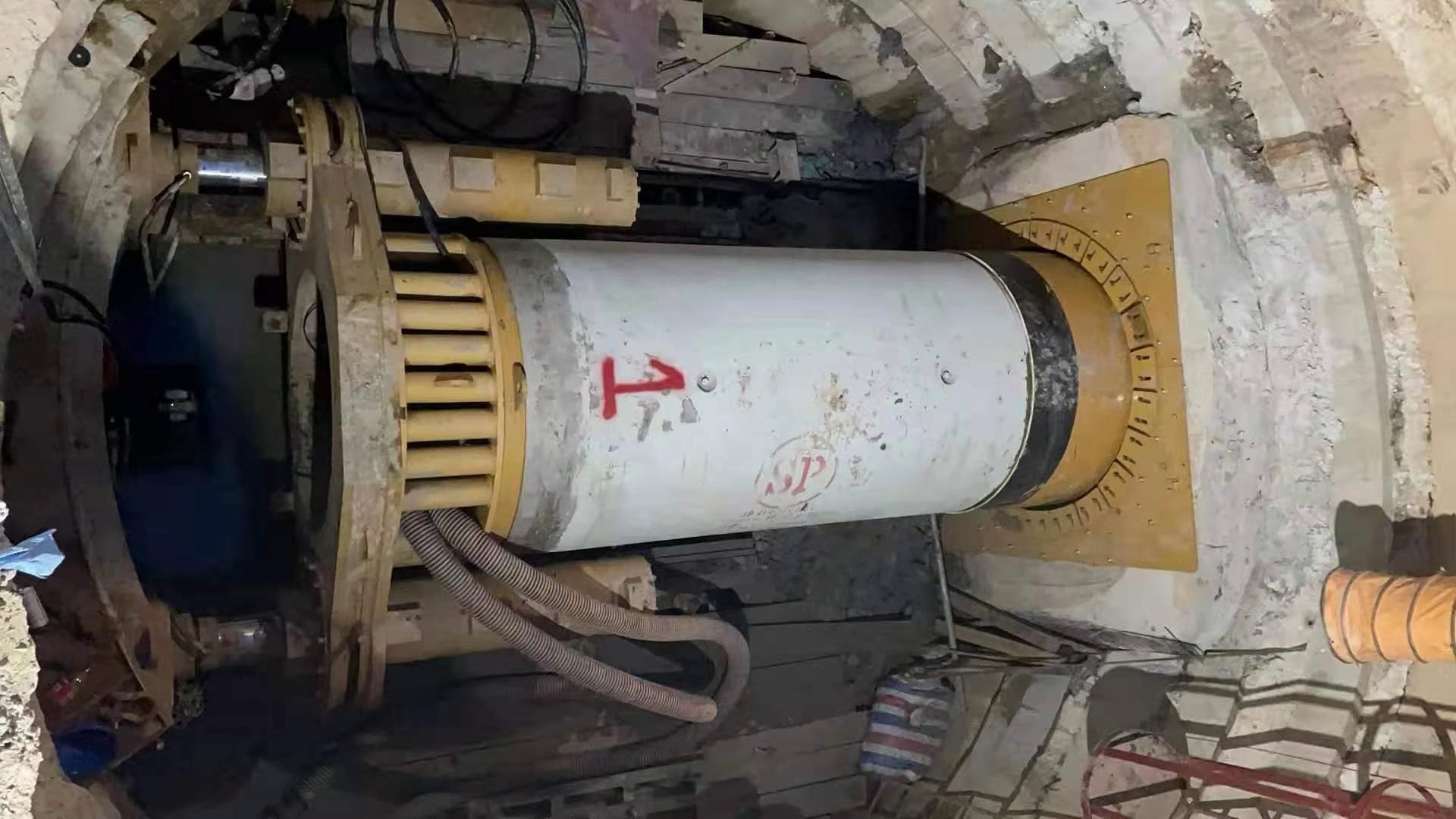
Data capture and real-time monitoring
You need good data to make tunnel boring machine work better. You can measure tbm tunnel energy per ring in different ways. Empirical models help you look at how much energy is used in tunnel boring machine and microtunnelling machine projects. Experimental models let you check energy use during tbm building. Intelligent models use artificial intelligence to guess how the tbm will work using real-time data. AI models can watch cutter wear and how fast the machine digs, giving you quick feedback for optimization.
|
Method Type |
Description |
|---|---|
|
Empirical Models |
Study energy use in mechanized tunneling. |
|
Experimental Models |
Check and confirm energy use in tbm work. |
|
Intelligent Models |
Use AI to guess tbm performance from real-time data. |
Real-time monitoring lets you see tunnel boring machine energy data right away. You can use big data tools to collect sensor information during tbm building. Real-time analytics help you act fast when ground conditions change. You can guess digging speed and change tunnel boring machine settings to work better.
Using energy data for project-based customization
You can use tbm tunnel energy per ring data to change your tunnel boring machine for each job. CEGC gives you machines that meet market standards and can be changed for your needs. You can adjust face pressure, cutterhead design, and soil conditioning using energy data. This helps you build faster and save money. You can change your tunnel boring machine for different ground and tunnel sizes, making optimization easier.
Tip: Changing your tunnel boring machine with energy data helps you stop delays and keeps tbm building on time.
Optimization actions: parameter adjustment, maintenance, and risk management
You can use tbm tunnel energy per ring data to guide how you optimize. Changing things like thrust force, torque, and digging speed makes the tunnel boring machine work better. You can study control modes to manage energy use during tbm building. Doing regular maintenance with energy data stops clogging and cutterhead wear. You can plan for risks if the ground changes suddenly. Using energy numbers in your project management helps you make good choices and keeps tunnel boring machine building efficient.
|
Optimization Action |
Description |
|---|---|
|
Set the best settings to use less energy and dig better. |
|
|
Control Modes |
Study control modes to manage energy use during tbm work. |
|
Maintenance |
Use energy data to plan fixes and stop problems like clogging and cutterhead wear. |
You can trust CEGC’s tunnel boring machine options and market specs to help you build tunnels faster and make every ring better.
You can use tbm tunnel energy per ring to help make things better. This helps the tunnel boring machine work well. CEGC gives you special tbm systems and strong engineering skills. These make work faster and fix problems. You can build tunnels quicker and hurt the environment less with new trenchless solutions.
|
Capability |
Description |
|---|---|
|
Customized TBM Systems |
Made for tough ground and tunnel sizes from 3 to 12 meters. |
|
Engineering Capabilities |
Special design, ground changes, and factory tests. |
|
Customization Scope |
Changes for TBM, HDD, port work, and mining machines. |
-
CEGC’s trenchless engineering makes jobs 40% faster and cuts problems by 95%.
-
You get great flexibility and can make each project better.
You should watch tbm tunnel energy per ring as a rule for making things better in tunnel jobs. Using automation, hybrid tbm systems, and remote checks will make work even more efficient in the future.
FAQ
What is tunnel energy per ring?
Tunnel energy per ring tells you how much power your tunnel boring machine uses for each part. This helps you make the tunnel work better and spend less money.
How does real-time data collection improve tunnel projects?
Real-time data collection lets you watch what the tunnel boring machine does as it works. You can change things fast and use the data to make smart choices for safety and better results.
Can dynamic real-time prediction help with tunnel optimization?
Dynamic real-time prediction helps you guess what will happen in the tunnel. This lets you fix problems before they start and keeps your project safe and on track.


