
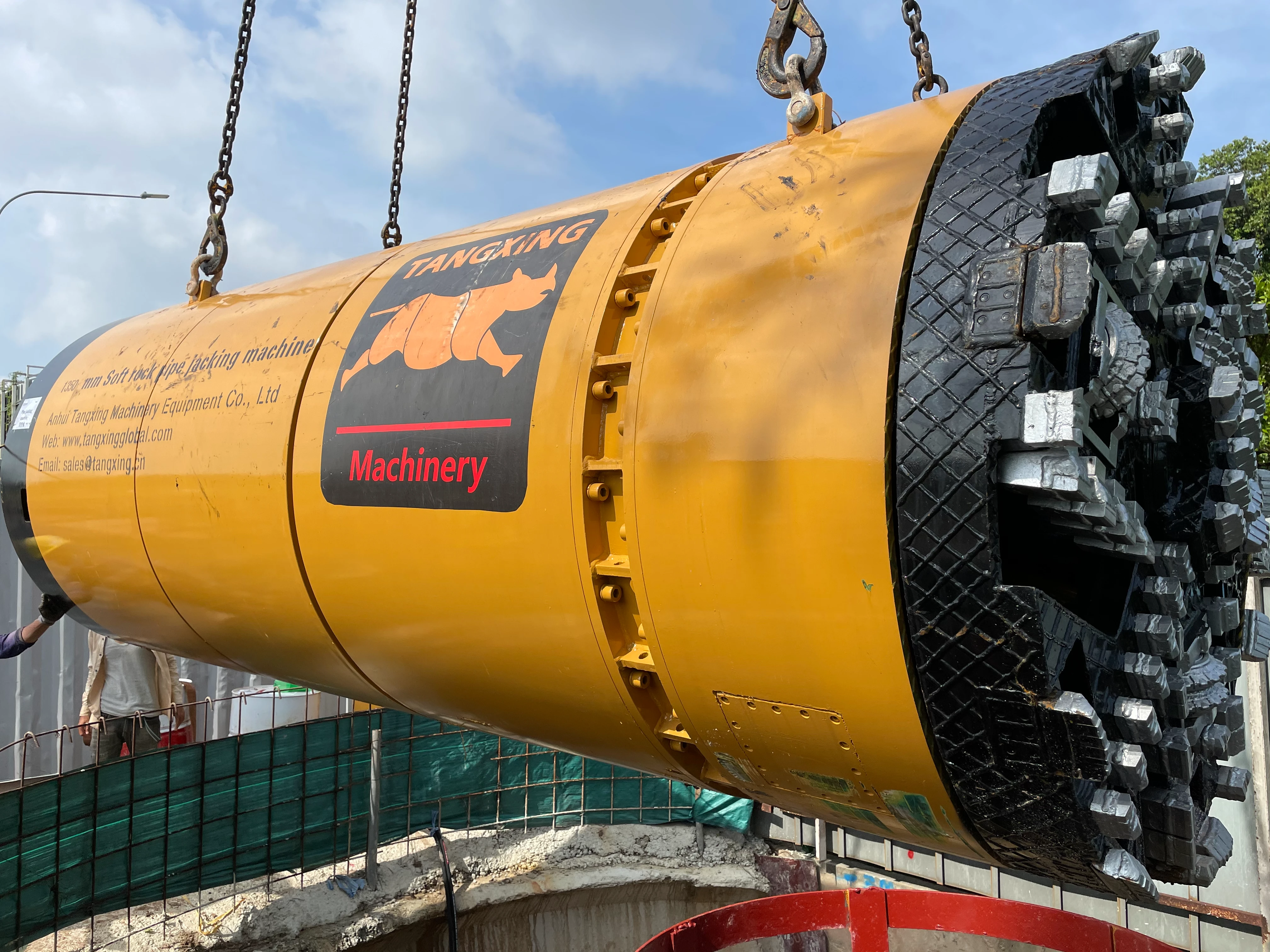
TBM tunnel energy peaks often come from clogging, as material buildup inside the tunnel boring machine increases resistance and forces the system to consume more power. When muck blocks the machine, energy use rises rapidly, leading to potential project delays and increased operational risk. CEGC provides advanced solutions designed to minimize energy consumption and maintain project safety by effectively managing clogging issues. With CEGC, you can avoid unnecessary delays and reduce risk throughout your tunneling operations.
Key Takeaways
-
When clogging happens in tunnel boring machines, energy use goes up. This makes the machines use more power and costs more money for the project. Checking the machines often can help find these problems early and fix them.
-
Using soil conditioning and real-time monitoring can lower the chance of clogging a lot. These methods help the machines work smoothly and stop delays from happening.
-
If you use modular designs for TBMs, repairs and upgrades are faster. This means the machines stop working for less time and your project can finish on time.
What Are Energy Peaks in TBM Operations?
Why Energy Peaks Matter
Energy peaks happen when your tunnel boring machine needs extra power. These spikes can show up during tunnel building with a TBM or microtunnelling machine. Energy peaks are important because they make your project cost more and slow things down. If your TBM uses more energy, you pay more for electricity and parts can get too hot. High energy use means your tunnel machine is working in tough spots, which can cause breakdowns. Managing energy peaks helps your tunnel project avoid delays and keeps your team safe.
CEGC builds tunnel boring machines with standard specs to help you avoid these issues. You get steady performance and less risk of sudden energy spikes. This helps your tunnel stay on schedule and finish faster.
Common Causes in Tunnel Boring Machines
Many things can cause energy peaks in TBM work. Hard ground makes your tunnel machine work harder. Clay sticks to the TBM and raises friction, while rock needs more force to break through. Sand and gravel change friction depending on moisture and size. These changes affect jacking friction and can cause energy spikes.
Here is a table that shows common causes of energy peaks in tunnel boring machines:
|
Cause |
Description |
|---|---|
|
Bad lubrication |
Friction and heat go up if the TBM does not get enough lubrication. |
|
Overloading |
Too much strain on the tunnel machine can make it overheat. |
|
Misalignment |
Parts wear unevenly and energy peaks rise if the TBM is not aligned. |
|
Poor ventilation |
Heat builds up in the tunnel machine if there is not enough airflow. |
|
Tough conditions |
Hard ground makes the TBM use more energy to keep moving. |
Torque stability matters for your tunnel project. If you see torque swings, your TBM may have clogging or resistance. These swings mean your tunnel boring machine needs more power, which can be a warning sign. You should watch for these signs to keep your tunnel safe and working well.
TBM Tunnel Energy Peaks Often Come from Clogging
How Clogging Happens in TBM
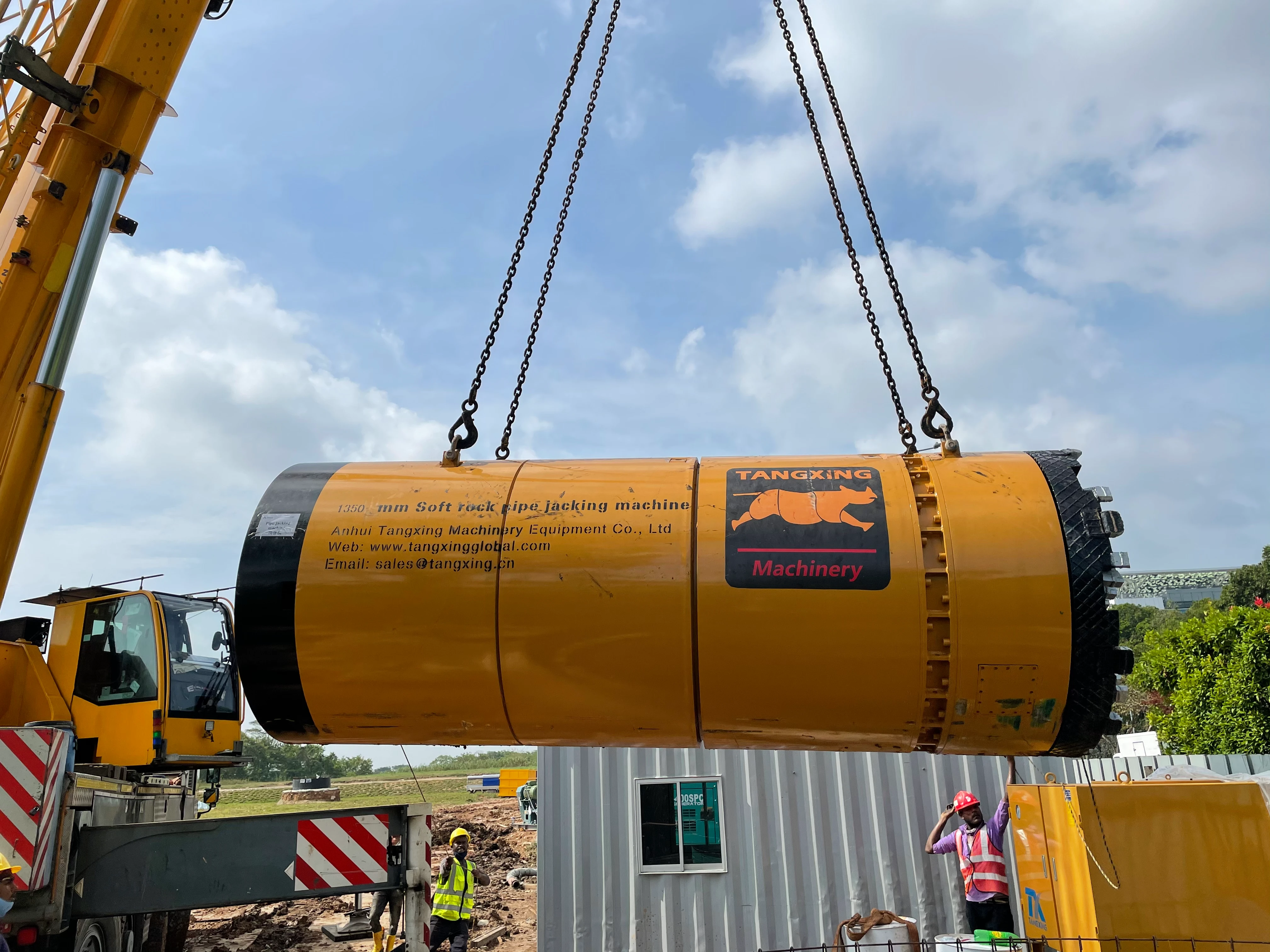
You see energy peaks when solids pile up inside the tunnel boring machine. Sticky clay sticks to the cutterhead and blocks holes. Mud cake forms when clay builds up on metal parts. This makes it hard for the tunnel boring machine to cut through the tunnel. Sometimes, the slurry inside the machine is not balanced. Water and sand mix unevenly, so the machine struggles to remove muck. You can use super-absorbent polymers to manage water in coarse sands. These help keep the slurry steady.
-
Solids buildup slows the cutterhead and blocks the machine.
-
Mud cake forms on metal parts and stops smooth work.
-
Slurry imbalance makes muck removal harder and adds resistance.
Clogging can happen at the cutterhead, suction inlet, or at the back of the tunnel boring machine. You need to check these spots often to avoid sudden energy spikes.
Impact on Energy and Efficiency
When clogging happens, energy peaks rise fast. The tunnel boring machine needs more torque to push through blocked material. This extra force makes the machine use more power and costs go up. Delays happen because the machine cannot move forward smoothly. You spend more money on electricity and repairs. Your schedule slips and you might miss deadlines.
Urban projects feel these problems more. Soft soil and high groundwater pressure make clogging worse. Energy peaks often come from clogging in these tough spots. You must manage these risks to keep your tunnel boring machine working well.
Here is a table showing how unstable ground makes clogging and energy peaks worse:
|
Geological Risk Factors |
Impact on TBM Operations |
|---|---|
|
Soft Soil |
More clogging and less efficient work |
|
High Groundwater Pressure |
Energy peaks from extra resistance |
|
Nature of Subsoil |
Hard to keep tunneling smooth |
CEGC gives closed-mode face support to control face pressure and protect the tunnel. Soil conditioning and muck transport keep spoil behavior steady. Sealing and pressure systems stop leaks and improve stability. These solutions help you avoid energy peaks from clogging.
Identifying Clogging Issues
You can spot clogging by watching for signs and data patterns. Torque oscillation shows up as strange or quick changes in torque. Side force frequency stays lower than normal when clogging happens. Normal force drops when rock pieces break off and block the machine. Rolling force changes often as the cutterhead hits different materials. Real-time monitoring systems track these patterns and alert you early. Machine learning models help you predict problems by finding hidden patterns in your data.
Here is a table with common signs of clogging in tunnel boring machine work:
|
Indicator |
Description |
|---|---|
|
Torque Oscillation |
Strange or quick torque changes mean clogging. |
|
Side Force Frequency |
Lower than normal, showing clogging issues. |
|
Normal Force Drops |
Happens when rock breaks off, showing clogging. |
|
Rolling Force Variations |
Changes as cutterhead hits materials, signaling clogging. |
|
Real-time Monitoring Systems |
Track torque and give alerts for early detection. |
|
Machine Learning Models |
Predict problems by finding hidden patterns in data. |
You can cut downtime from energy peaks caused by clogging by using modular design for maintenance. Modular tunnel boring machines let you fix and upgrade quickly. You get flexibility for different ground conditions and save time and money.
Here is a table showing the benefits of modular design in tunnel boring machine maintenance:
|
Benefit of Modular Design |
Description |
|---|---|
|
Easier Repairs |
Quick repairs cut downtime from clogging. |
|
Flexibility |
Adapt to different ground, minimizing interruptions. |
|
Cost-Effective Solutions |
Upgrade without buying a new machine, saving time and money. |
CEGC helps you with modular assembly, easy layouts, and project support packages. You can keep your tunnel boring machine running longer and avoid energy peaks from clogging. These solutions help you handle maintenance problems and keep your tunnel project on track.
Tip: Watch your torque and force data closely. Early detection helps you fix clogging before it causes energy peaks.
Managing and Preventing Clogging in TBM Projects
Detection and Monitoring Strategies
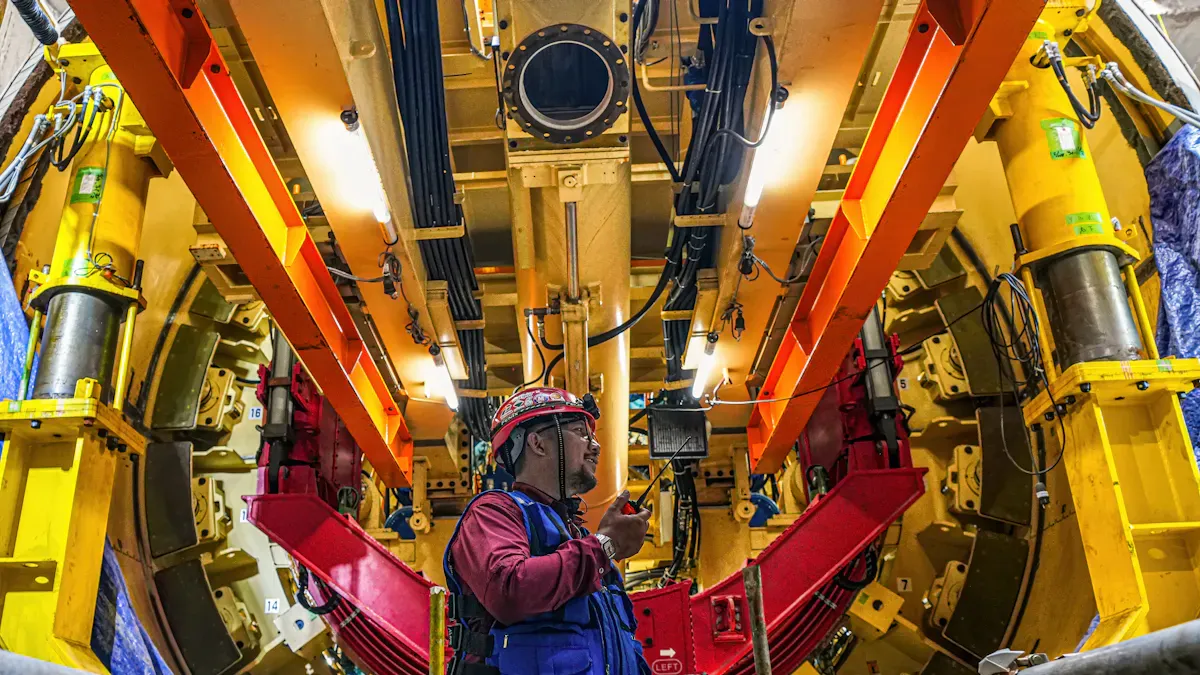
It is important to find clogging early. This keeps your tunnel boring machine working well. Real-time monitoring lets you watch fines buildup and slurry quality. Sensors check pressure, flow, and particle size. Acting fast stops delays and keeps your tunnel safe. Many teams use temperature checks, but slow sampling can miss issues. You should use advanced systems for better results.
Here is a table showing technologies for real-time detection in tbm and microtunnelling machine operations:
|
Technology |
Description |
|---|---|
|
Deep Residual Network |
Diagnoses cutterhead clogging using working state data and time-domain features. |
|
LSTM-autoencoder and Transformer |
Improves accuracy and efficiency of clogging detection in real time. |
Tip: Finding problems early helps you avoid downtime. It keeps your tunnel boring machine working longer.
Technical Solutions and Best Practices
You can stop clogging by using anti-clogging steps like soil conditioning and pressure control. CEGC gives you special tbm and microtunnelling machine features for tough ground. You get torque margin changes, cutter-head designs, and real-time monitoring systems. These features help you handle gravel lenses and lower cutter wear.
Here is a table showing how CEGC features improve tunnel performance:
|
Feature |
Benefit |
|---|---|
|
Prevents stopping in gravel lenses |
|
|
Cutter-head designs |
Reduces wear and tear on the cutterhead |
|
Real-time monitoring systems |
Minimizes unexpected delays |
|
Formation-targeted cutterhead |
Enhances stability and reduces maintenance |
|
Steady torque and drive matching |
Improves performance in hard ground conditions |
Planned maintenance and diagnostics are important for your tunnel project. Scheduled maintenance stops urgent failures. Regular lubricant replacement keeps your tbm working well. Time-based maintenance changes parts before they cause clogging.
Soil conditioning makes muck flow better and lowers mud cakes. Adding foam makes the mixture smoother and less sticky. Pressure control keeps tunnel lining safe and stops water leaks. Advanced slurry tbms and earth pressure balance tbms help you manage pressure and avoid clogging.
Note: CEGC helps you with modular maintenance, project support, and easy diagnostics for auger boring machine and microtunnelling machine projects.
You can stop TBM tunnel energy peaks by handling clogging. Use good drainage to keep water moving. Watch pore pressure and check if water is clear. These steps help you find problems early. CEGC gives you tools like micro tunneling torque tuning and slurry balance pipe jacking machines:
|
Solution Type |
Description |
|---|---|
|
Micro tunneling torque tuning |
Changes cutterhead power to stop clay from sticking. This helps the machine go faster and have less downtime. |
|
Slurry balance pipe jacking machines |
Uses slurry to hold up the face and move spoil. This makes digging work better. |
Experts say you should add risk management features and two-speed gearboxes. Emergency thrust systems help in tough spots. Use probe drilling all the time to lower risks and keep your tunnel boring machine working well.
FAQ
What causes energy peaks in a tunnel boring machine?
Energy peaks happen when there is clogging or hard ground. Poor muck removal can also make resistance go up. The TBM must push harder, so it uses more power.
How can you prevent clogging in your TBM project?
You can stop clogging by using soil conditioning and real-time monitoring. Doing regular maintenance helps too. CEGC gives modular designs and support to keep your tunnel boring machine working well.
Tip: Check your torque data often. Acting early can stop downtime and save money on repairs.
Which CEGC features help reduce TBM energy peaks?
|
Feature |
Benefit |
|---|---|
|
Closed-mode face support |
Keeps pressure and stability |
|
Modular maintenance |
Makes repairs faster |
|
Real-time monitoring |
Finds clogging quickly |


