
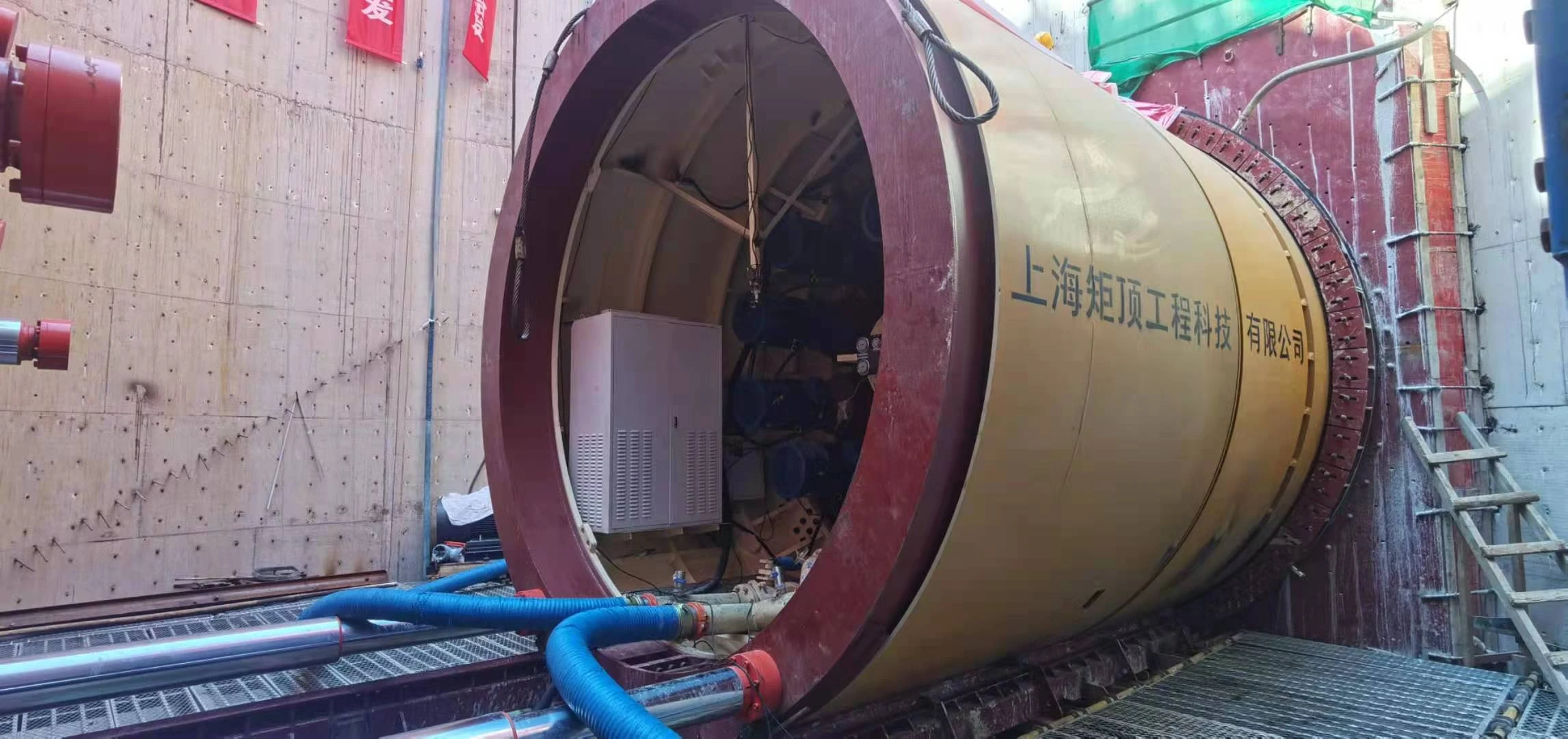
You see quicker progress when micro tunneling torque tuning cuts clay adhesion events in hard soils. Watching the process live helps you adjust actions and avoid costly slowdowns. CEGC provides tunnel machine solutions that address bit balling and other challenges, with modifications tailored to handle tough ground types.
Key Takeaways
-
Micro tunneling torque tuning lowers clay sticking. This makes tunneling in clay soils smoother and faster. Real-time monitoring uses sensors to give instant feedback. This helps workers change torque settings quickly. It also makes the machine work better. Custom tunnel boring machines have special features for different soils. This makes work more efficient and cuts down on delays during projects.
Torque Tuning In Microtunneling
Role In Tunnel Machine Performance
Torque tuning helps you get better tunneling results. It means changing the power that spins the cutterhead. In clay-rich soils, clay can stick to the cutterhead and slow things down. Micro tunneling torque tuning changes the torque to fit the soil. This keeps the cutterhead moving and stops clay from sticking. You get smoother tunneling and fewer stops.
Real-Time Monitoring And Adjustment
You watch the tunnel machine as it works in real time. Sensors check torque, thrust, and pressure. These sensors send you feedback so you can make fast changes. Machine learning models guess the best jack speed and torque. The table below shows how monitoring works:
|
Evidence |
Description |
|---|---|
|
Measurement Sensors |
Sensors check torque, thrust, and pressure and give you live feedback. |
|
Machine Learning |
Algorithms learn from what you do and change torque settings with live data. |
|
Predictive Models |
Models guess jack speed and torque to help tunneling go better. |
|
Operator Behavior Analysis |
Your choices and data help improve torque settings for smoother tunneling. |
You can use some best practices with real-time monitoring and torque tuning:
-
Let the model use live data and your changes.
-
Get feedback that helps you use AI ideas.
-
Let AI change settings but keep you updated.
CEGC Customization Enhances Performance
You can pick tunnel boring machines and microtunnelling machines from CEGC for your project. CEGC makes equipment for tunneling, ports, and mining. You get solutions that work in clay-rich soils and other hard places. Micro tunneling torque tuning stops clay from sticking, and CEGC’s custom features help you get better results. You can choose features that fit your site and soil, so your tunneling is more dependable.
Clay Adhesion And Technical Solutions
Why Clay Sticks To Tunnel Boring Machines
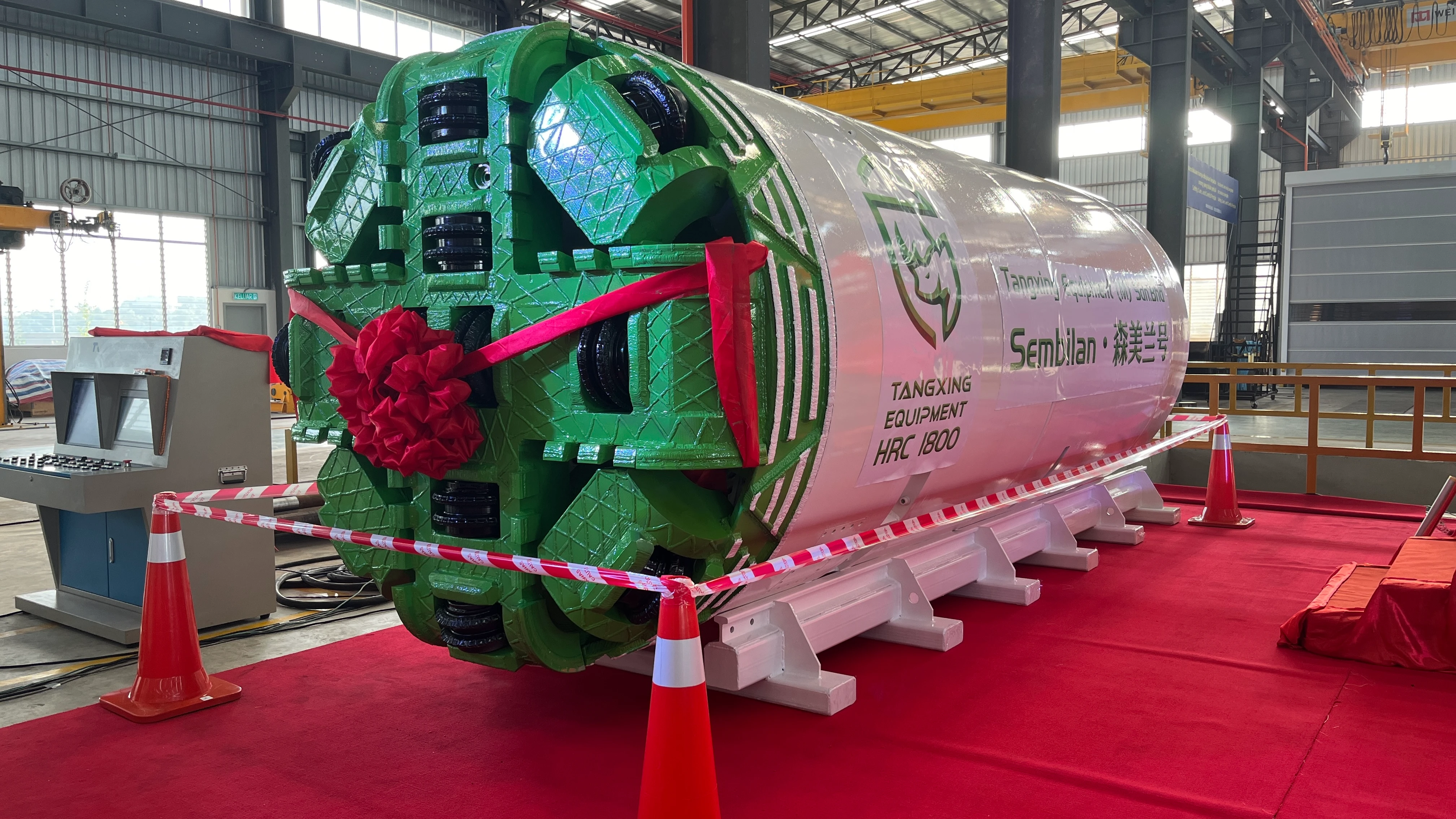
Clay often sticks to tunnel boring machines during microtunneling. Clay has special features that make it cling to metal. The size of the grains, the type of minerals, how plastic the clay is, and how much water is in the soil all matter. When digging in clay-rich soil, the cutterhead and spiral conveyors can get blocked. This blockage slows down the shield and makes more friction. You have to clean the machine more, which wastes time. The argillization effect turns mudstone into sticky mud that forms cakes on the cutter. These mud cakes make digging harder and less effective.
-
Bad clogging happens in clay and slows down digging.
-
Clogging causes trouble for the cutter head and spiral conveyors.
-
If you do not control clogging, you lose time and work slower.
-
How much clay sticks depends on the soil, grain size, mineral type, plasticity, and water.
-
The argillization effect makes sticky mud that forms cakes on the cutter.
Micro Tunneling Torque Tuning Cuts Clay Adhesion Events
Micro tunneling torque tuning helps stop clay from sticking by changing the power to the cutterhead. You can set the torque to fit the soil. When you tune the torque, the cutterhead keeps moving and clay does not stick. This makes the work faster and cuts down on stops. You see fewer mud cakes and less clogging. Watching the machine in real time helps you change settings fast. You use sensors to check torque, thrust, and pressure. Machine learning models help you pick the best settings for each soil.
-
Micro tunneling torque tuning stops clay from sticking by matching torque to the soil.
-
You get fewer mud cakes and less clogging.
-
Watching in real time lets you change torque fast.
-
Machine learning models help you find the best settings for each soil.
You also help the environment. Thick and sticky clay slurry is hard to pump and move. You use safe and earth-friendly chemicals to lower harm to nature. Rheological modifiers from plants or farm leftovers help the planet and cut down on man-made chemicals.
Slurry Balance Pipe Jacking Machines And Soil Conditioning
Slurry balance pipe jacking machines are important in clay-rich soils. You use these machines to keep things steady while digging. The slurry system holds up the tunnel face and helps the tunnel stay safe. You mix soil with slurry to make it flow better through pipes. This lowers friction and stops clogging. You use soil conditioning agents to make clay behave better in the slurry. Sika Stabilizer-1514/1518 foaming agents and Sika Stabilizer-3212/3214/3215 pure polymers help with clay.
-
Slurry balance pipe jacking machines keep the tunnel face safe.
-
You mix soil and slurry to help it flow.
-
Soil conditioning agents make clay work better in the slurry.
-
Sika Stabilizer-1514/1518 foaming agents and Sika Stabilizer-3212/3214/3215 pure polymers help with clay.
You look at both slurry balance pipe jacking machines and microtunnelling machines for clay-rich soils. Slurry balance pipe jacking machines use slurry to hold up the face and move spoil. Microtunnelling machines use torque tuning and soil conditioning to stop clay from sticking. Both ways help you dig better and have less downtime.
|
Machine Type |
Main Feature |
Best Use Case |
|---|---|---|
|
Slurry balance pipe jacking machines |
Uses slurry for face support and spoil transport |
Clay-rich soils with high clogging risk |
|
Microtunnelling machines |
Uses torque tuning and soil conditioning |
Projects needing real-time adjustment |
You pick the best machine for your job. Slurry balance pipe jacking machines give strong support and move spoil well in clay-rich soils. Microtunnelling machines let you change torque and use soil conditioning. Both choices help you stop clay from sticking and make tunneling work better.
Implementation And Results
Practical Steps For Torque Adjustment
First, you check the cutterhead and the excavation system. You look at the soil to see what changes are needed. You set the torque so it matches the soil type. Lubrication helps lower how hard it is to dig. Automated systems let you make changes quickly. You control how fast and strong the cutterhead spins. If the equipment cannot handle the job, you use intermediate jacking stations. You use the newest technology for special digging methods. This keeps the excavation system working well and steady.
|
Challenge |
Solution |
|---|---|
|
Penetration resistance |
|
|
Equipment limitations |
Implementation of intermediate jacking stations |
|
Need for specialized techniques |
Adoption of state-of-the-art technology |
Monitoring Performance And Reducing Downtime
You use monitoring systems to watch how digging is going. These systems also check if the cutterhead is healthy. Predictive maintenance uses data to guess when things might break. Ground Penetrating Radar finds cracks and water leaks. LiDAR makes 3D maps and checks if the tunnel is strong. Fiber optic sensors show live data about strain and temperature. You control the system and change things to keep it running well. You also watch how the slurry moves and how the cutterhead works.
|
Monitoring Technique |
Description |
|---|---|
|
Predictive Maintenance |
Uses data analytics and machine learning to forecast potential tunnel failures before they occur. |
|
Ground Penetrating Radar |
Non-destructive method to detect subsurface anomalies, such as cracks and water ingress. |
|
LiDAR |
Advanced technology for mapping and structural analysis, capturing accurate 3D models of tunnels. |
|
Fiber Optic Sensors |
Provides real-time monitoring of structural health indicators like strain and temperature. |
Customization Enhances Performance In Clay-Rich Soils
You pick custom features for your tunnel machine and digging system. You choose what fits your soil and slurry needs best. You control how the cutterhead torque and slurry move. Customization helps you work faster and stop delays. You see less clay sticking and better digging speed. CEGC gives you custom options for tough jobs. Customization makes your work better and gives you good results.
Tip: Customization lets you control the system for every soil type. You work faster and keep the cutterhead moving smoothly.
With micro tunneling torque tuning, clay sticks less to the machine. The machine works better in clay-rich soils. You finish the job faster and spend less money. CEGC lets you pick features for your tunnel boring machines and microtunnelling machines. Experts say you should:
-
Try eco-tuning to make things work better
-
Use smart features that connect together
-
Get help from experts and use bundled solutions
FAQ
What is torque tuning in micro tunneling?
You change the cutterhead’s power for each soil type. Torque tuning stops clay from sticking and keeps work smooth.
How does real-time monitoring help reduce clay adhesion?
Sensors watch torque and pressure as you dig. Fast feedback helps you change settings, so less clay sticks and digging stays easy.
Can you customize CEGC tunnel machines for clay-rich soils?
You pick features that match your project needs. CEGC gives custom choices for tunnel boring and microtunnelling machines to handle tough clay.


