
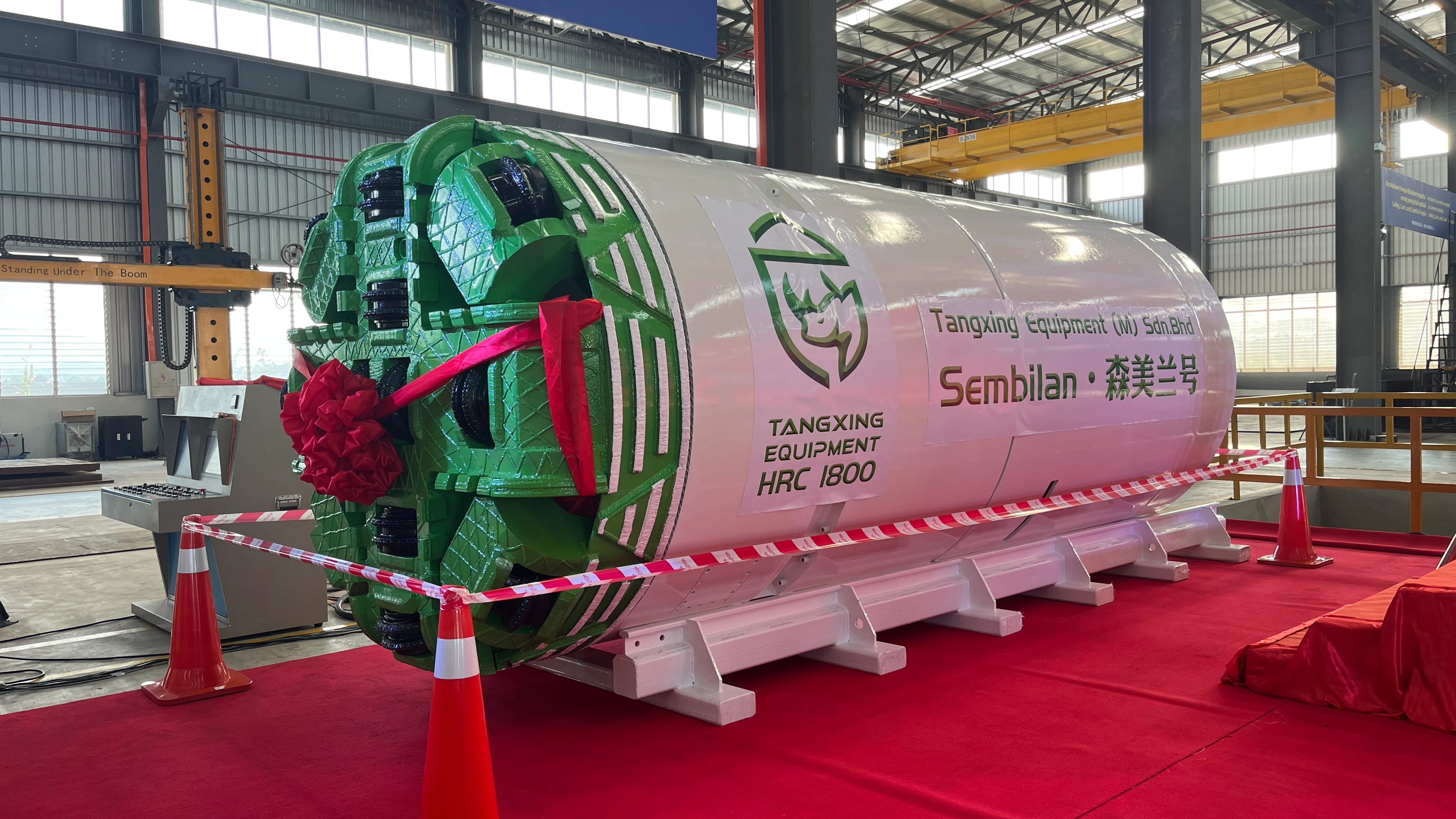
Torque derating can quietly kill a TBM tunnel schedule without warning. Many people overlook this risk in tunnel boring machine operations. However, it can lead to hidden delays and increased costs for your project. You need consistent torque for the cutterhead to function effectively. CEGC provides market-standard specifications and customized solutions to prevent these issues.
Key Takeaways
-
Torque derating can make your tunnel boring machine slower. This can cause delays that are hard to see and make the project cost more. You need to pay close attention to stop these problems.
-
Check torque and jack speed often to find derating early. Set up alerts if performance drops so you can fix it fast.
-
CEGC has ways to help keep torque steady and stop derating. Use their standard specs and custom choices to keep your project moving.
What is torque derating in TBM machines?
Definition and causes in tunnel boring machines
You might hear "torque derating" when using a tunnel boring machine, auger boring machine, or Microtunnelling Machine. Torque derating means the machine cannot give all its designed torque to the cutterhead. This can happen for different reasons. It may show up when the ground is very hard. It can also happen if the drive system cannot meet the needs of the job.
Here are some common causes of torque derating in tunnel machines:
-
Mechanical problems, like worn gears or weak drive parts, can lower torque.
-
Electrical issues, such as low voltage or hot motors, can cut power.
-
Operational limits, like wrong settings or overload protection, can stop full torque.
-
Ground conditions matter a lot. Hard rock, mixed soils, or loose faces make cutting harder. The torque needed for breaking rock changes with the ground. If you do not set the cutterhead torque right, the machine may not work well. You also need to watch and control jack speeds. This helps keep the ground steady and stops torque derating.
Why torque derating matters for project schedules
Torque derating can quietly ruin a TBM tunnel schedule. If the machine cannot give enough torque, the cutterhead slows down. This means slower digging and longer work times. The project gets delayed, but the reason is not always clear. Many teams miss the first signs because the machine still moves, just more slowly. Over time, these small delays add up. You spend more money and risk missing your deadline. To keep your tunnel project on time, you must look for torque derating and fix it early.
How torque derating can quietly kill a TBM tunnel schedule
Impact on penetration and advance rates
You need steady torque to keep your tunnel boring machine moving. If torque drops, the cutterhead slows down. This means the machine digs slower. It takes longer to get through hard ground. Your advance rate goes down. You spend more time on each meter of tunnel. The project takes longer to finish. The machine works harder but does not move faster. Torque derating can quietly kill a TBM tunnel schedule because you lose efficiency. There are no clear warning signs.
Tip: Check your daily advance rates often. If they drop, look for torque derating. Acting early helps you avoid bigger delays.
Why issues often go unnoticed in TBM operations
You may not notice torque derating right away. The machine still runs. The cutterhead turns, but not at full power. Many teams miss these small signs. You might think slow progress is from tough ground or worn cutters. Sometimes, you miss electrical or mechanical limits. You trust the machine to give full torque, but hidden problems can lower output. Without real-time monitoring, it is harder to spot these issues. Torque derating can quietly kill a TBM tunnel schedule because small losses build up over time.
Common misconceptions include:
-
Thinking slow progress is normal in tough ground.
-
Believing the machine always gives full torque.
-
Ignoring small drops in penetration rate.
You need to stay alert. Use diagnostic tools and watch torque output. This helps you find problems before they get worse.
Real-world consequences for tunnel schedules and costs
You face real risks if torque derating is not fixed. The tunnel machine slows down. You miss important milestones. The schedule gets delayed. You pay more for labor and equipment. Costs go up. Owners and contractors may face claims and penalties. Municipal utilities get public pressure. Torque derating can quietly kill a TBM tunnel schedule by causing hidden delays and extra costs.
Here is a simple table showing the impact:
|
Problem |
Effect on Project |
|---|---|
|
Lower torque |
Slower advance rate |
|
Longer excavation time |
Higher labor costs |
|
Missed deadlines |
Contract penalties |
|
More interventions |
Increased safety risks |
You can stop these problems. CEGC gives technical solutions for steady torque and drive matching. You get market-standard performance and custom options. These features help you keep steady progress and protect your schedule.
Detecting and preventing torque derating
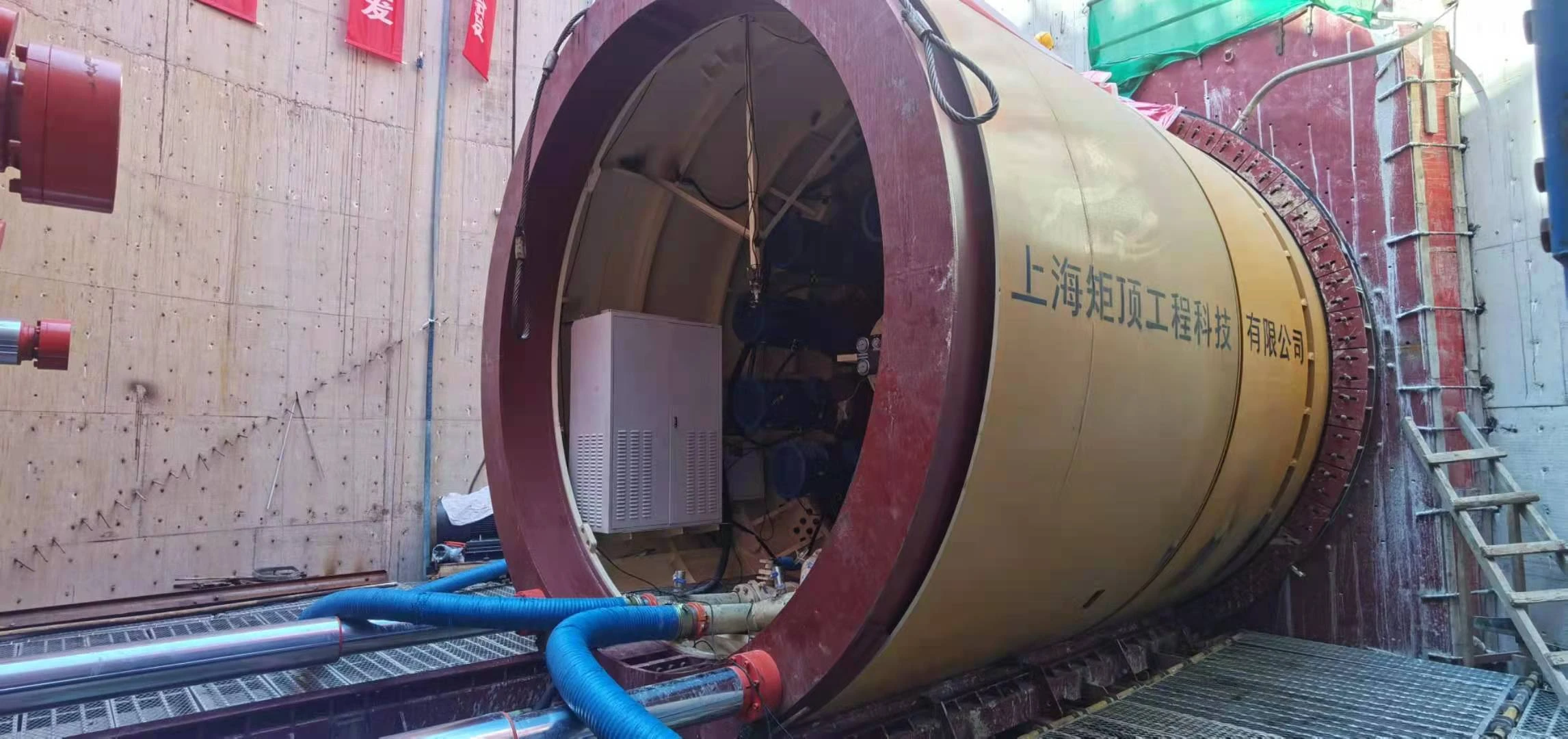
Monitoring and diagnostic strategies for TBM machines
You must watch your tunnel boring machine all the time. This helps you find problems early. Always check cutter-head torque and jack speed. These numbers show how hard your machine works. They also show how well it moves through the ground. Advanced models, like Random Forest, can guess changes in cutter-head torque. These guesses help you see torque derating before it slows your project. If you track these values every day, you can change your TBM machine settings fast. This keeps your tunnel machine working well and stops hidden delays.
Tip: Set up alerts for drops in torque or jack speed. Early warnings help you act quickly and keep your schedule safe.
Mitigation steps and CEGC solutions
You can do simple things to stop torque derating from hurting your project:
-
Check torque and jack speed data every shift.
-
Look at drive parts and electrical systems often.
-
Change machine settings if you notice slowdowns.
-
Teach your team to spot early signs of trouble.
CEGC gives you more ways to protect your tunnel schedule. You get market-standard specs and custom solutions for your TBM tunnel boring machine or Microtunnelling Machine. CEGC offers steady torque delivery, drive matching, and advanced diagnostics. These features help you deal with tough ground and changing conditions. Torque derating can quietly kill a TBM tunnel schedule, but you can stop it with the right tools and support.
Torque derating can quietly mess up your TBM tunnel schedule. You should find problems early and use the right tools. Stay watchful by checking your machine often and using technical fixes. If you want your machine to work well, talk to CEGC. They give you standard and custom TBM or Microtunnelling Machine solutions that keep your project on track.
FAQ
What is torque derating in a tunnel boring machine?
Torque derating means your TBM machine cannot give full power to the cutterhead. The machine digs slower and does not work as well.
How can you spot torque derating early?
Check how much tunnel you dig each day and watch torque numbers. Set alarms if these numbers drop. You can find problems before they make your project late.
What solutions does CEGC offer for torque derating?
-
You get standard specs for your machine.
-
Custom choices match what your project needs.
-
Steady torque and drive matching help you stop hidden delays.


