
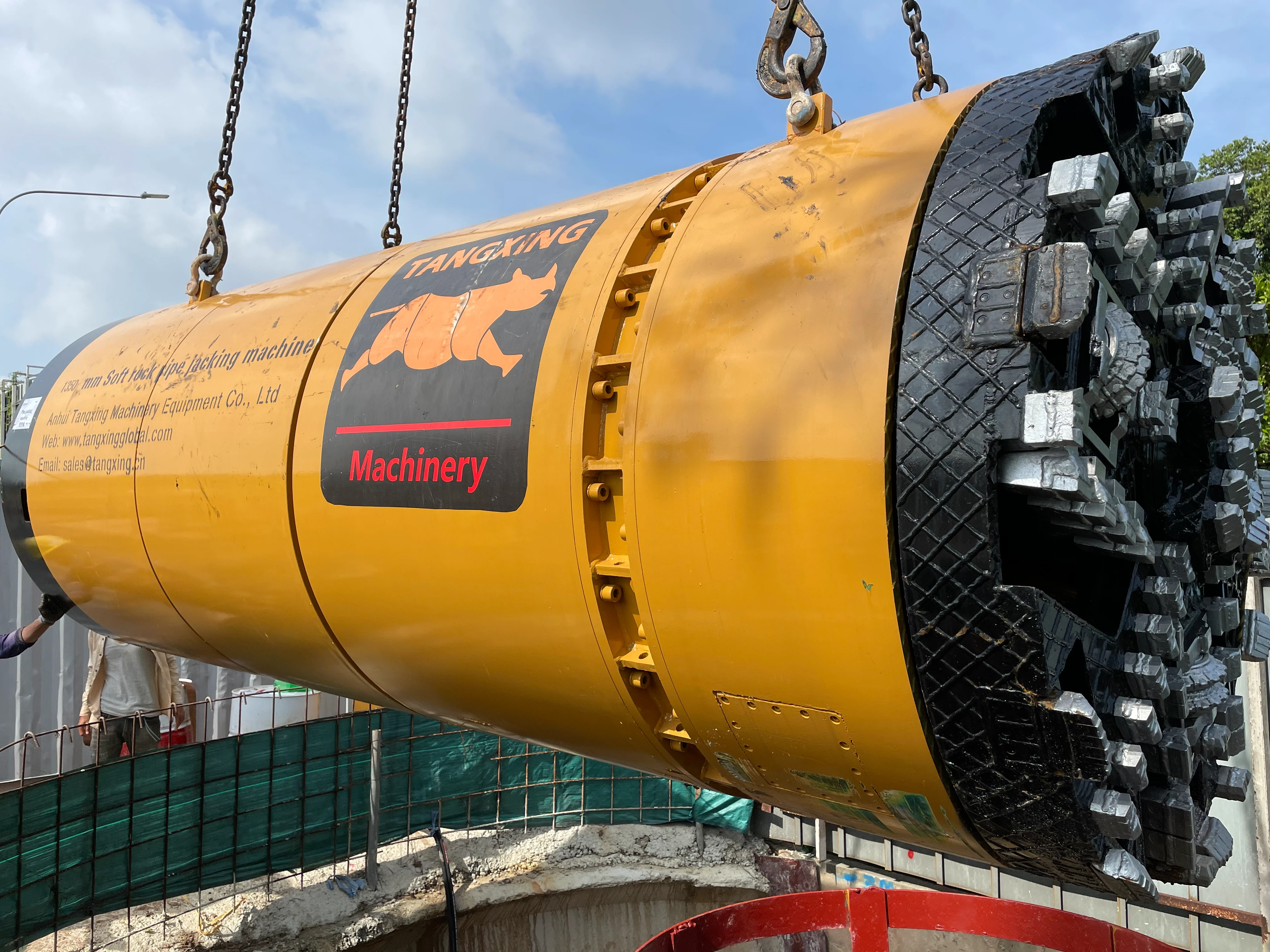
Torque oscillation can signal clogging in a TBM tunnel. You can observe torque changes when the cutterhead encounters mud cake or blocked soil. Identifying this issue early helps prevent blocked cutterheads, excessive heat, and safety concerns. CEGC provides tunnel boring machine and TBM solutions with market-standard specifications and project-based customization.
Key Takeaways
-
Watch torque oscillation very carefully. If torque changes, it can mean there is clogging in the cutterhead. This helps people fix problems early.
-
Use real-time monitoring systems. These systems find strange torque patterns fast. They help stop expensive delays and keep workers safe.
-
Do good maintenance often. Check the machine regularly and train operators well. This lowers the chance of clogging and makes TBM work better.
Torque oscillation can signal clogging in a TBM tunnel
What is torque oscillation in TBM operations
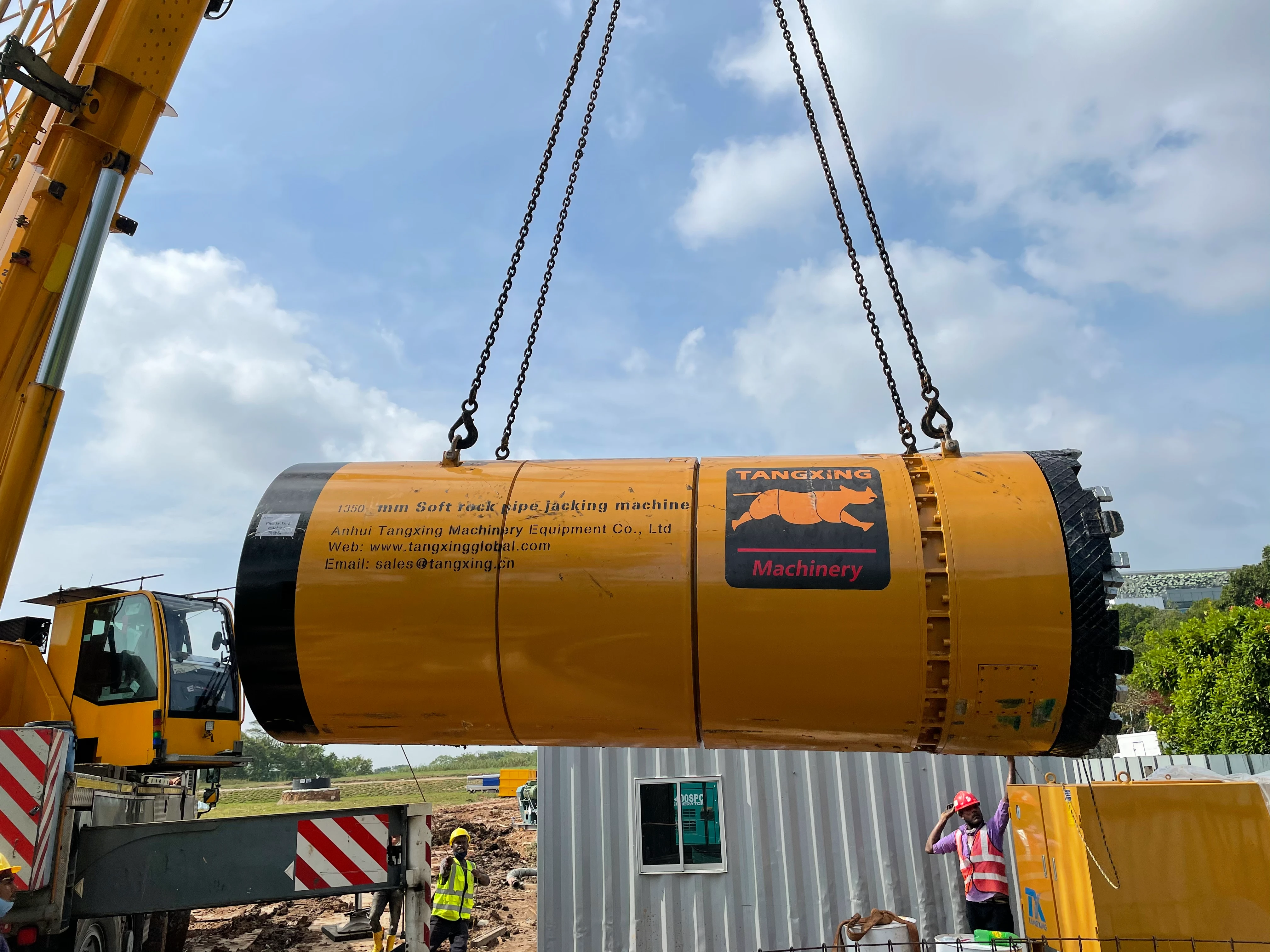
Torque oscillation happens when the cutterhead spins and hits different rocks or soil. Torque is the force that twists the cutterhead. Oscillation means the torque goes up and down, not steady. Operators want torque to stay normal. If torque changes fast, there could be a problem.
Here is a table showing typical torque values for different rock types during TBM operations:
|
Rock Type |
Average Torque (kN⋅m) |
Coefficient of Variation |
|---|---|---|
|
Fine sandstone and medium-coarse sandstone interbedded |
670 ~ 770 |
N/A |
|
Fine sandstone strata |
670 ~ 770 |
N/A |
|
Medium-coarse sandstone strata |
670 ~ 770 |
N/A |
|
Shaly sandstone strata |
195.15 |
0.52 |
|
Shaly sandstone and coal seam interbedded |
117.17 |
N/A |
|
Coal seam |
117.17 |
N/A |
Harder rocks like sandstone need more torque. Softer rocks like coal need less torque. When the cutterhead moves through these layers, torque oscillation can signal clogging in a TBM tunnel. If torque rises or falls outside the normal range, mud or soil may block the cutterhead.
How torque changes indicate clogging
You can find clogging by looking for strange torque patterns. If the cutterhead gets blocked, torque goes up or down quickly. The machine may slow down. The cutterhead can wear out faster. Ground problems can also make torque change.
-
Side force frequency stays lower than normal and rolling forces.
-
Normal force drops when rock pieces break off.
-
Rolling force changes often as the cutterhead cuts different materials.
If you see these signs, check for clogging. CEGC’s tunnel machines help you watch torque live. You get steady torque, so the cutterhead works well. You save money by avoiding cutterhead damage and downtime. You also keep your TBM tunnel boring machine safe.
Tip: Real-time monitoring systems can track torque oscillation. These systems warn you when torque oscillation can signal clogging in a TBM tunnel. You can act fast and keep your project safe.
CEGC gives market-standard specs and custom options. You can pick features for your tunnel boring machine, microtunnelling machine, or auger boring machine. You get good performance and support for your TBM machine.
Detecting clogging in slurry tunnel boring machine
Monitoring torque and vibration signals
You can find clogging in a slurry tunnel boring machine by watching torque and vibration signals. These signals show changes in the cutterhead and slurry chamber. If you notice strange patterns, something may be wrong. Experts use vibration signal analysis and real-time monitoring systems to check the machine’s health. Machine learning models help predict problems before they happen.
-
Vibration signal analysis shows how the cutterhead moves. If the signals change, there could be slurry chamber clogging.
-
Real-time monitoring systems use tunneling parameters and geological data. These systems warn you about excavation chamber clogging.
-
Machine learning models, like LSTM autoencoders, find hidden patterns in the data. They alert you to risks early.
Seismic and acoustic wave analysis are important too. You can use these methods to check the ground ahead of the tunnel. The table below explains how seismic detection and prospecting help you find problems before clogging happens.
|
Aspect |
Description |
|---|---|
|
Method |
|
|
Purpose |
Finding unusual rock density, velocity, and structure ahead of the tunnel face |
|
Advantages |
High detection accuracy, large range, low electromagnetic interference |
|
Challenges |
Weak source wave energy makes identification hard; needs deconvolution for better resolution |
|
Aspect |
Description |
|---|---|
|
Method |
Seismic ahead-prospecting using TBM drilling noise |
|
Purpose |
Near-real-time detection of geological conditions to stop tunnel blockage |
|
Key Findings |
Deep learning improves accuracy for wavefield retrieval in geological prospecting |
|
Application |
Used in the Gaoligongshan Tunnel, found two abnormal zones for TBM drilling guidance |
These monitoring techniques help your slurry tunnel boring machine work well. Early detection stops downtime and keeps your project safe.
Real-time detection and response strategies
You need real-time detection and response strategies to handle clogging risks in a slurry tunnel boring machine. CEGC’s soil conditioning, muck transport, and face pressure control systems help with these challenges. Soil conditioning equipment changes the excavated material so slurry flows better and reduces clogging. Efficient muck transport systems move material fast, stopping excavation chamber clogging.
Face pressure control systems keep pressure steady in the excavation chamber. If you lose control, sticky clay can block the suction entry gate. This raises the risk of clogging. Twin pressure balancing pipes and agitator paddles help mix slurry and lower blockages.
Good maintenance practices also prevent clogging. You should:
-
Use damping devices to lower vibration and shock.
-
Check and maintain cutters often.
-
Lubricate and clean cutter bearings and moving parts.
-
Train operators and follow standard practices.
Predictive maintenance programs and modern monitoring technology help spot problems early. Engineers use numerical models to check tunnel stability and predict settlement patterns. This helps design ways to keep the tunnel safe.
Real-time detection strategies use AI algorithms to look at sensor data. These systems change TBM operations based on live information. Early detection of strange signals lowers downtime and boosts safety. You can change cutting parameters and adjust to new ground conditions.
Industry standards for soil conditioning and muck transport focus on flexibility and efficiency. Modern TBM designs use foam injection ports and automated foam systems. These features help manage soil conditioning and fix issues quickly.
Tip: You can lower downtime and work better by using real-time monitoring and response systems. These strategies keep your slurry tunnel boring machine safe and productive.
You can make your tunnel safer and faster by checking torque oscillation in your TBM. CEGC gives you tunnel boring machine solutions that fit your project. Here is how CEGC helps your work:
|
Service |
Benefit |
|---|---|
|
Customized Equipment |
Fits your special project needs |
|
Expert Consulting |
Helps you plan and make things better |
|
Training Programs |
Shows you how to use machines safely |
If you use real-time torque monitoring and technical help, you lower the chance of slurry clogging. Your slurry tunnel boring machine stays in good shape. Finding problems early stops expensive delays and keeps your team safe.
-
Good slurry management makes your machine work better.
-
You have less downtime and your project goes smoother.
FAQ
What is torque oscillation in a tunnel boring machine?
Torque oscillation happens when the cutterhead moves through different soil. It can tell you if there is a clog or something needs fixing.
How does machine learning help detect clogging?
Machine learning looks for patterns in sensor data. It helps you find early signs of clogging in your TBM tunnel boring machine.
Why is data processing important for tunnel machine monitoring?
Data processing sorts and checks information from your tunnel machine. This makes machine learning models work better and gives you clear answers.


