
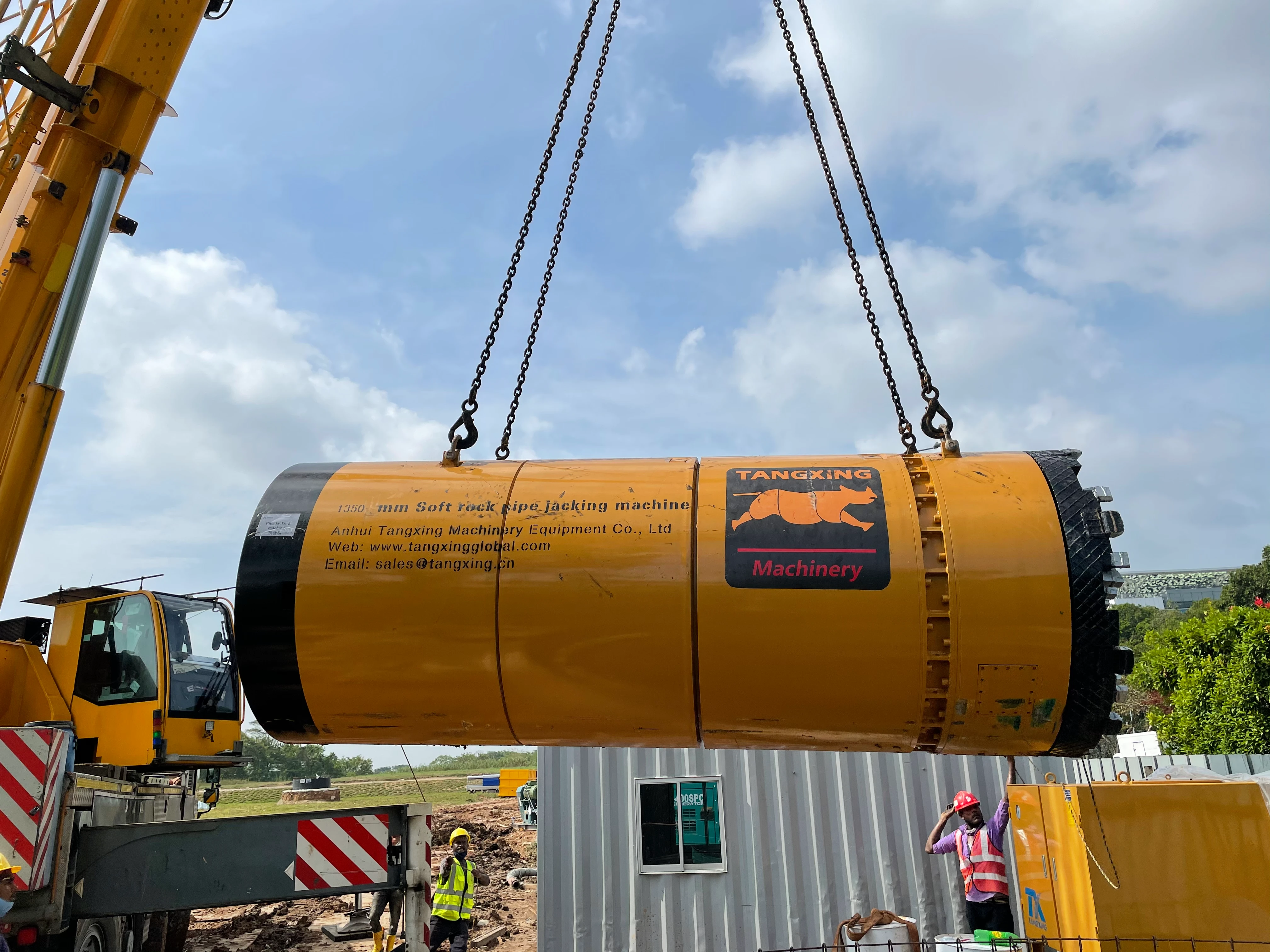
If you do not set your tunnel machine right, you can have big problems. You might get pipe jamming, too much wear, or lose slurry. Micro tunneling torque must match slurry settings to keep your project safe. This also helps your project work well. CEGC gives you standard specs and custom choices for your tunnel boring machine needs.
Key Takeaways
-
Always check the ground before you start microtunneling. This helps you pick the best torque and slurry settings.
-
Make sure the torque and slurry settings fit your tunnel machine. This stops problems like pipe jamming and cutterhead damage.
-
Keep watching and changing your settings while tunneling. Use sensors to make sure work is safe and goes well.
Microtunnelling Torque And Slurry Basics
Torque In Tunnel Machines
It is important to know about torque when using a tunnel machine. Torque is the force that spins the cutterhead on a TBM or microtunnelling machine. This force lets the machine cut through dirt and rocks. For example, the AVN 800 HR microtunnelling machine can use up to 55kNm of torque. You need to use all the torque, high speed, and thrust to break hard rocks. It is also important to control skin friction. Bentonite lubrication helps lower jacking forces and keeps the project going.
-
Slurry TBMs work best in soft or mixed ground.
-
These machines use slurry under pressure to keep the tunnel face safe.
-
They help stop the ground above from sinking and protect the environment, especially in cities.
Slurry Role In Microtunnelling
Slurry is very important in microtunnelling. It holds up the tunnel face and keeps earth and water pressure balanced. The way the slurry acts changes how much torque you need. If you dig in clay, you might need more torque and to change jack speed. This helps save energy and keeps the work safe. Slurry also moves muck out of the tunnel, making things easier.
Coordination Of Torque And Slurry
You need to match torque and slurry settings for safe and good microtunnelling. New machines use IoT sensors to check torque and soil in real time. AI can change drilling settings to fit the ground and slurry. Special cutterhead designs and hybrid power systems help with different soils and keep torque steady. When you match torque and slurry, you lower risks and get better results.
Why Micro Tunneling Torque Must Match Slurry Settings
Operational Risks Of Mismatched Settings
There are many problems if you do not match torque and slurry settings. If micro tunneling torque matches slurry settings, you can stop pipe jamming and too much wear. Setting the torque wrong can break the cutterhead or make the pipe get stuck. Slurry blowout is also a risk. This happens when tunnel pressure gets too high and pushes slurry into the ground. The ground above the tunnel can sink. This can hurt roads, buildings, and other things.
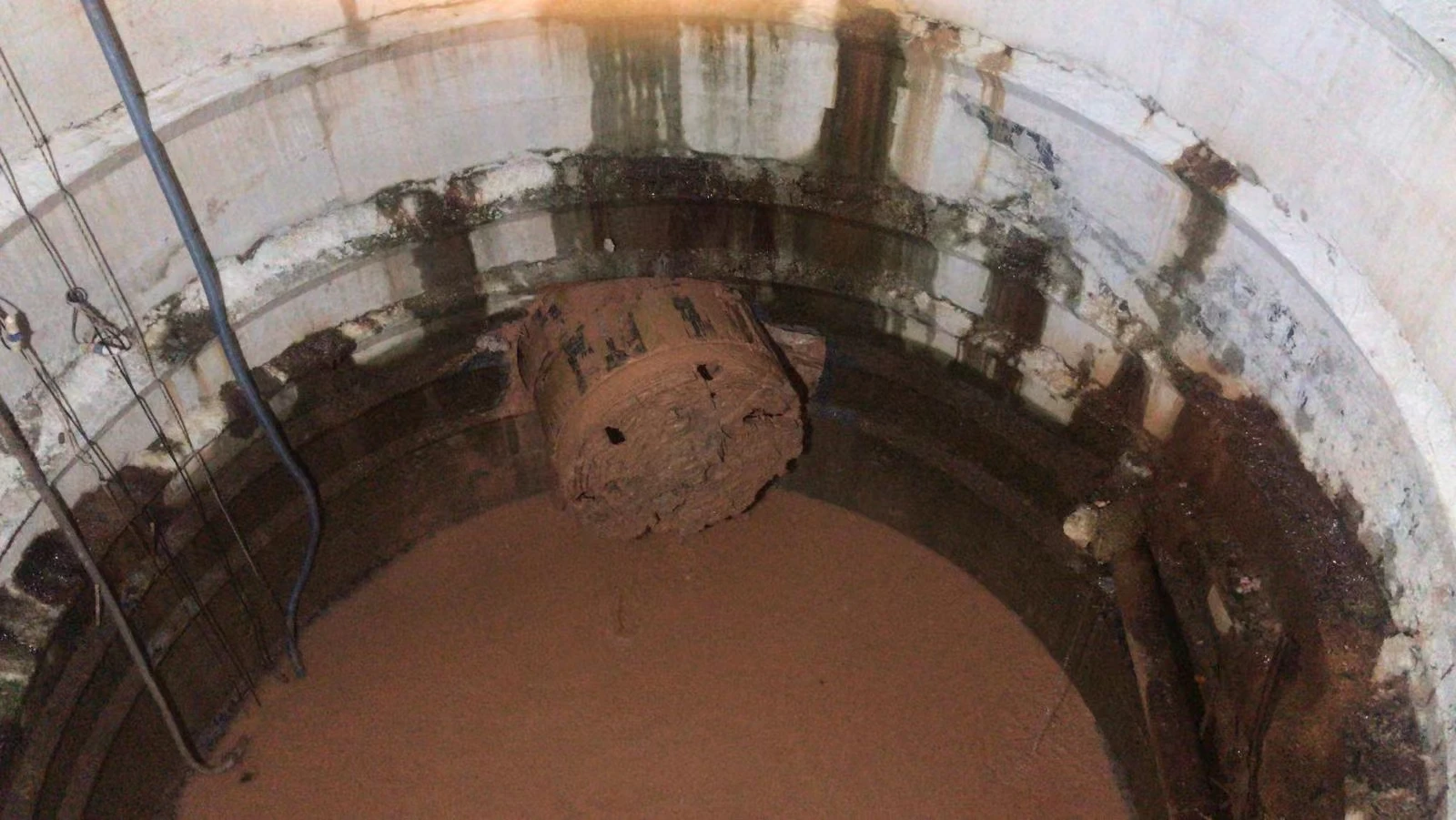
If you do not control your settings, mud cake can form. Mud cake sticks to the cutterhead and slows down the work. It can make the cutterhead hot and harden the mud, which makes it harder to clean. Mud cakes can mess up the soil and make the tunnel face fall in. This puts workers and the environment in danger.
-
Mud cake makes tunneling slower.
-
Thick support fluid makes mud stick more.
-
Mud cakes make the cutterhead hotter and harder to clean.
-
Mud cakes can mess up the soil and make the tunnel face fall in.
Impact On Ground Stability And Machine Performance
You need to match micro tunneling torque and slurry settings to keep the ground safe. If you do not balance these, you can lose control of the tunnel face. This can make the ground move or even fall in. When you keep the right balance, you protect the ground above and around your tunnel. You also help your tunnel boring machine work better.
Matching torque and slurry settings helps you avoid sudden stops and starts. This keeps your speed steady and lowers cutterhead wear. You save money on repairs and keep your project on time. In microtunneling, you must always check your settings and change them as the ground changes. This keeps your team safe and your tunnel machine working well.
CEGC Solutions For Safe Microtunnelling
You can count on CEGC to help you with these risks. CEGC gives you technical help to control face pressure, manage cutterhead wear, and keep your tunnel on track. The table below shows how CEGC’s systems help keep microtunneling safe and efficient:
|
Findings |
Description |
|---|---|
|
You must change tunneling settings to make a filter cake, keep chamber pressure, and stop the ground from sinking. |
|
|
Correlation of pressures |
Chamber, soil, and water pressures are linked to shield tunneling settings and filter cake making. |
|
Continuous failure mode |
The ground can fall in if the filter cake breaks and chamber pressure drops. |
|
Sensitivity of soil pressure |
Soil pressure at the cutterhead changes fast if you disturb shield tunneling. |
|
Validation of collapse pressure |
Lab tests show the collapse pressure matches what engineers think. |
With CEGC, you get more than just face pressure control. You also get a system that helps you cut well and manage cutterhead wear. This keeps your cutterhead in good shape, even in hard or mixed ground. CEGC’s guidance systems help you stay on line and not cut too much. The modular design makes it easy to move, put together, and fix your tunnel boring machine. You can pick standard specs or ask for custom features for your project.
When you remember to match micro tunneling torque and slurry settings, you lower the chance of downtime and expensive repairs. You also protect the environment and keep your team safe. CEGC gives you the tools and support you need for good microtunneling work.
Matching Torque And Slurry: Step-By-Step
Assess Ground And Project Needs
You need to start by looking at the ground and what your project needs. This helps you not make mistakes when you push pipes or put them in. You should gather borehole data and learn about the soil. You also have to check where the groundwater is. If you skip this, you might have trouble with pipe jacking or moving slurry.
-
Make sure digging is safe and works well.
-
Learn about the ground to stop problems.
Here is a table that shows what you should check before you set up your pipe jacking equipment:
|
Borehole Data |
Description |
|---|---|
|
Soil Types |
List of different soils found in the area |
|
Physical Properties |
Weight, holes, limits, water, and particle size |
|
Groundwater Table |
Measurements taken at the site |
You should also look at old pipe-jacking projects with instruments. These show how soil can change the way you push pipes. Watching real projects gives you facts to help you make choices.
Set Torque And Slurry Parameters
You need to pick the right torque and slurry settings for your machine. First, look at the size of the soil grains. Use sieving and sedimentation to do this. Test how water moves through the soil. Check how sticky the soil is with Atterberg limits. Test how strong and packed the soil is.
You can use smart tools to set your machine better. For example, a random forest model can show how slurry pressure changes. Particle swarm optimization helps keep the tunnel safe. These tools help you match cutter head torque and slurry pressure for safe pipe jacking.
You should also follow the rules most people use. Here is a table with important things to check:
|
Parameter |
Description |
|---|---|
|
Jacking Forces |
Split into face and friction parts |
|
Excavatability Index |
Linked to how strong and breakable the rock is |
|
Cutter Head Wear |
Related to how far it turns and how hard the rock is |
|
Prediction Models |
Used to guess how the machine will work in different soils |
CEGC lets you change these things for your project. You can adjust torque reserve, sealing, and the conditioning interface.
Monitor And Adjust During Operation
You need to watch your microtunneling work all the time. Use sensors to check torque, slurry pressure, and soil changes. If the ground changes, change your settings right away. This keeps pipe jacking smooth and protects your pipes.
You should also check the slurry system often. Make sure it moves muck out without getting blocked. If you see high cutter head torque or slow pipe jacking, stop and check for problems. Fixing things fast can stop damage and delays.
Avoid Common Mistakes
Many teams make the same mistakes in microtunneling. You can stop these mistakes by doing things the right way:
-
Do not ignore changes in soil or water.
-
Do not set torque and slurry pressure once and leave them.
-
Do not forget to check your pipe jacking equipment.
-
Do not use the wrong slurry for your soil.
-
Do not rush pipe jacking or putting in pipes.
You should train your team well. Training teaches how to use equipment, spot ground changes, and what to do in emergencies. Certification shows your team knows the rules and how to stay safe. Keep learning new ways to do trenchless work.
Best Practices For Microtunnelling
You can follow these steps for safe and good microtunneling:
-
Always check the ground before you start pipe jacking.
-
Set torque and slurry settings from soil tests and project needs.
-
Watch everything and change settings if you need to.
-
Use CEGC’s specs or ask for custom features for your machine.
-
Train your team and learn new ways to work.
-
Write down details for every pipe you put in.
-
Look at data from other projects to get better next time.
Remember, every microtunneling job is different. CEGC can help you change your tunnel boring machine for your pipeline job. This help lowers risks, stops delays, and saves money for every meter of pipe. When you match cutter head torque and slurry settings, you keep your team, your machine, and your project safe.
-
Check the ground before you start.
-
Set torque and slurry for your tunnel machine.
-
Watch your settings and adjust as needed.
Tip: You can contact CEGC for custom solutions and expert support. Good settings lower risk, cut downtime, and save money on every meter.
FAQ
What happens if you do not match torque and slurry settings?
You might get pipe jamming or cutterhead wear. You could also lose slurry. Your tunneling work might have to stop. Always check your settings before you begin.
How do you adjust slurry and torque during tunneling?
You use sensors to watch the ground and machine. You change slurry pressure and torque when you need to. This helps keep tunneling safe and working well.
Why is ground assessment important before tunneling operations?
You need to know about the soil before you dig. This helps you pick the spread of slurry and torque. Good checks make tunneling safe and help it go smoothly.


