
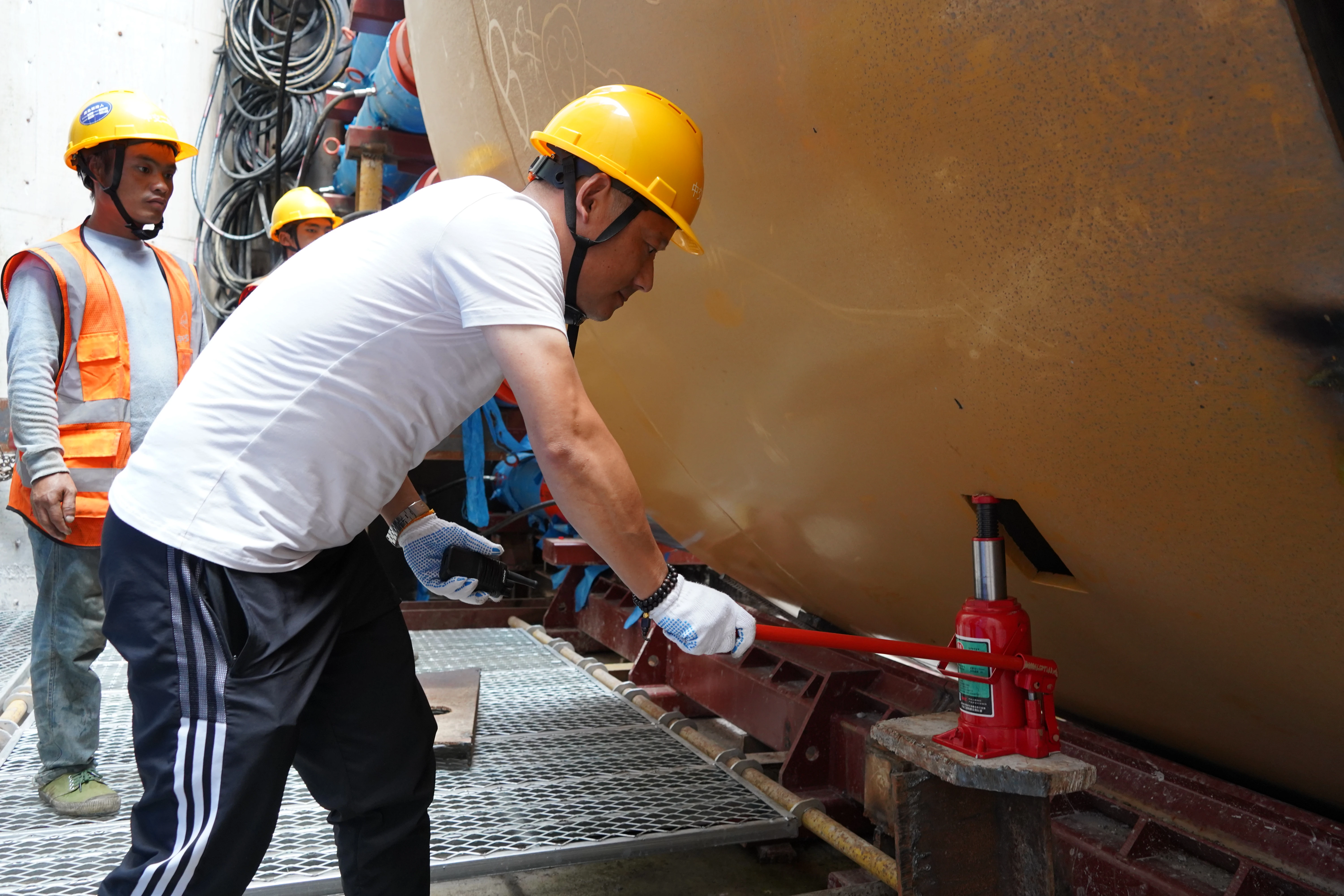
You deal with cylinder sync issues that break thrust balance on TBM machine operations every day. When cylinder sync issues break thrust balance on TBM machine systems, CEGC knows tunnel boring machines can lose thrust balance, making tunneling dangerous. You might experience ground settlement or water ingress due to cylinder sync issues that break thrust balance on TBM machine drives. These problems hurt TBM performance and put your project at risk. CEGC provides standard solutions to address cylinder sync issues that break thrust balance on TBM machine equipment, ensuring your tunnel boring machines operate smoothly and safely. Cylinder sync issues that break thrust balance on TBM machine applications threaten TBM safety, so maintaining steady thrust balance is critical. With CEGC, you can trust that your TBM machine will overcome cylinder sync issues that break thrust balance, making tunneling safer and more reliable. Cylinder sync issues that break thrust balance on TBM machine projects increase risks, but CEGC delivers the expertise and technology you need for successful tunnel boring machine operations.
Key Takeaways
-
Cylinder synchronization is very important for thrust balance in TBM work. Make sure all hydraulic cylinders move at the same time to stop twisting or tilting.
-
Regular checks and care of your TBM can stop thrust imbalance. Look at hydraulic systems and use real-time tools to find problems early.
-
If you ignore sync issues, big problems like ground sinking and water leaks can happen. Fix any signs of thrust imbalance fast to keep your project safe.
Cylinder Sync Issues in TBM Thrust Systems
What Is Cylinder Synchronization?
You need cylinder synchronization for your TBM to work well. In synchronous tunnel boring machines, every hydraulic cylinder must move together. This is called cylinder synchronization. When cylinders move at the same speed, thrust force stays balanced. The machine needs this balance to dig tunnels safely. If one cylinder moves faster or slower, the TBM can twist or tilt. This problem happens in both shield tunneling and excavation. All cylinders must work together so the TBM can push forward without problems.
CEGC builds tunnel boring machines with smart control systems. These systems help keep cylinder synchronization, even in hard ground. You get steady performance and less time wasted. Tunnel digging becomes safer and easier.
Why Thrust Balance Matters
Thrust balance keeps your TBM safe and working well. You need enough thrust to dig through the ground and enough torque to turn the cutterhead. The depth and type of soil or rock change how much thrust you need. If your TBM loses balance, you face big risks:
-
High shield pressure can hurt the machine and slow digging.
-
Poor adaptability can make tunneling slow and cause jamming.
-
Unsteady thrust can cause ground settlement or water leaks.
Tip: Always check thrust force and cylinder synchronization to avoid delays and repairs.
With CEGC’s standard solutions, your tunnel boring machines work their best. You protect your project and your team by keeping thrust balance and force control.
How Sync Issues Break Thrust Balance on TBM Machine
Causes of Sync Problems
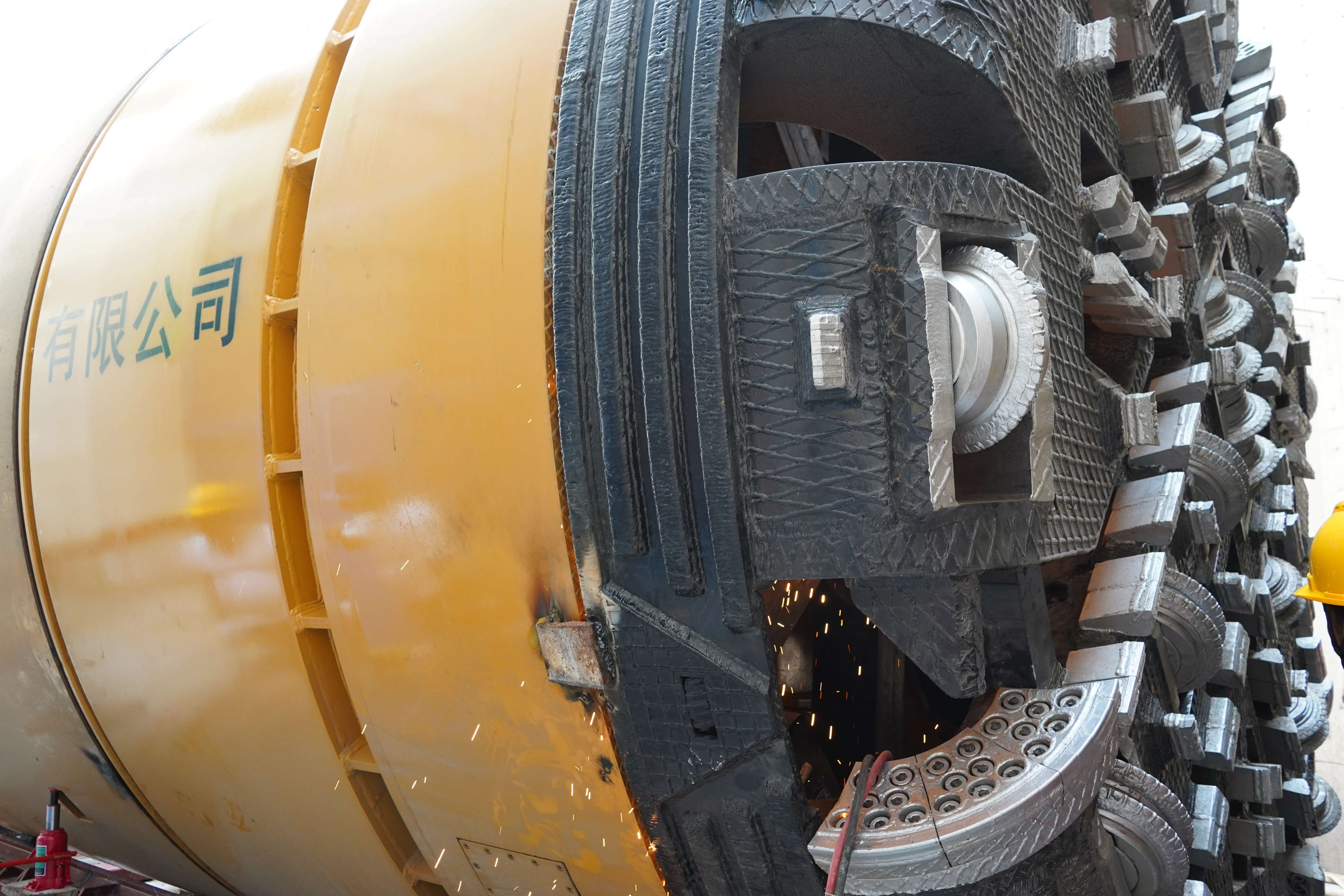
Sync problems happen when the hydraulic cylinders do not move together. This can happen for many reasons. Sometimes, the control system does not send the right signals. Other times, there are leaks or blockages in the hydraulic lines. These problems make one cylinder move faster or slower than the others. You might also see worn seals or valves on the cylinders. If you use your TBM in hard ground, pressure can change fast. These changes make it harder for the cylinders to stay in sync.
You should watch for these causes:
-
Broken sensors or wires in the control system
-
Uneven pressure in the hydraulic lines
-
Old seals or valves in the cylinders
-
Fast changes in ground conditions
-
Bad maintenance or missing regular checks
When you have sync problems, your TBM cannot keep thrust balance. This means one side of the machine loses thrust force. The TBM might twist, tilt, or get stuck. You need to fix these problems fast to keep your project safe and moving.
Impact on TBM Performance
Sync issues do more than slow down your work. They can cause big risks for your tunnel boring project. When your TBM loses thrust balance, you can get ground settlement, face instability, and water coming in. These problems can stop your project and cost a lot of money.
Here is how thrust imbalance affects ground settlement:
|
Evidence Description |
Impact on Ground Settlement |
|---|---|
|
The EPB-TBM works by controlling the pressure inside the excavation chamber to balance earth and water pressure at the tunnel face. |
This balance helps stop ground settlement and keeps the tunnel stable during digging. |
|
The thrust of the TBM was a big factor that changed the shape and strength of the tunnels. |
Thrust imbalance can disturb the ground and cause sinking. |
You must keep your TBM balanced to stop these problems. If you do not, the ground above your tunnel can sink. This can hurt roads, buildings, or pipes above the tunnel.
Face instability is another danger. When your TBM does not push evenly, the tunnel face can fall in. You might see dirt or water rush into the tunnel. This makes the worksite unsafe for your team.
Water coming in gets worse when you have thrust imbalance. You might have:
-
Slower digging and higher costs
-
More water coming into the tunnel, especially under high pressure
-
Needing higher face pressure, which can make the tunnel less safe
You must watch how your TBM works. If you see uneven movement, loud sounds, or sudden stops, check for sync problems right away. Fixing these problems early keeps your TBM safe and your project on time.
Note: Always check your TBM for missing thrust force or uneven movement. Acting early stops bigger problems.
You can trust CEGC to help you fix these sync problems. With the right help, your TBM will keep working safely and well.
Identifying and Preventing Thrust Imbalance
Warning Signs in TBM Operation
You need to look for signs of thrust imbalance in your TBM. If you see the machine move unevenly or hear odd noises, check it right away. Sometimes, cylinders pull back at different speeds. This can make the TBM twist or tilt. You might notice the cutterhead shakes more than normal. If the TBM slows down or stops fast, thrust imbalance could be why.
Other warning signs are:
-
Pressure readings from the hydraulic system are not even
-
The TBM moves forward at different speeds suddenly
-
You see the TBM shield tilt
-
The ground near the tunnel settles in a strange way
You can use special tools to find these problems early. Here is a table with some tools you can use:
|
Monitoring Technology |
Description |
|---|---|
|
Real-time Monitoring System |
Made for TBM and rock interaction, it checks cutterhead shaking and shield movement. |
|
Sensor Technologies |
These sensors collect data and give feedback, so you know about errors right away. |
|
Data Analysis Methods |
These methods study vibrations and pressure changes to watch the cutterhead and rock. |
Prevention and Correction Strategies
You can stop thrust imbalance by doing a few easy things. First, check the TBM hydraulic system before every shift. Make sure all cylinders move together. Plan regular maintenance to keep the TBM working well. Fixing problems early helps you avoid downtime. This means you service equipment often and fix small issues before they get big. It stops surprise breakdowns and keeps your TBM reliable. Keeping your TBM reliable is important for steady work.
Here are steps you can follow:
-
Make a plan and budget for maintenance.
-
Stop breakdowns before they happen.
-
Help your TBM last longer.
-
Do what the manufacturer says.
You should also use real-time monitoring and sensors to watch TBM performance. These tools help you find thrust imbalance early. If you see signs of trouble, fix them fast. Keeping your TBM balanced makes it more stable and keeps your project safe. You protect your team and lower risks from ground sinking or water leaks.
Tip: Do maintenance when work is slow to save time and keep your TBM working its best.
You need cylinder synchronization so your TBM keeps thrust balance. CEGC gives you technical help and custom choices for every TBM, even microtunnelling and tunnel boring. To keep your TBM safe, do these things: Use real-time monitoring on your TBM. Add AI and IoT so your TBM can change when the ground changes. Use analytics to guess problems in your TBM. Smart systems help you find risks early in your TBM.
|
Evidence Type |
Description |
|---|---|
|
Real-time Monitoring |
Safety systems in your TBM help you find problems fast. |
|
Predictive Maintenance |
Your TBM can get fixed before it breaks down. |
|
Automated Safety Responses |
Your TBM stays safe with quick moves. |
You keep your TBM working well by checking it often and using smart tools. This keeps your team safe and helps your project stay on time.
FAQ
What happens if you ignore cylinder sync issues in your tbm?
You can lose thrust balance in your tbm. This might make the ground sink or shift. The tunnel face can become unstable. Water can leak into the tunnel. Your project could stop, and fixing things may cost a lot.
How can you monitor thrust balance in your tbm?
You can use sensors and real-time monitoring systems. These tools help you watch thrust balance in your tbm. They let you find problems early. Looking at data makes your tbm safer and work better.
Why does your tbm need regular maintenance?
Regular maintenance keeps your tbm working well. You stop thrust imbalance and avoid downtime. Your team stays safe. Maintenance helps your tbm last longer and keeps it safe.
Tip: Always follow the maintenance schedule from the manufacturer for your tbm.
|
Maintenance Task |
Benefit for TBM Operation |
|---|---|
|
Cylinder inspection |
Keeps thrust balance in your tbm |
|
Sensor calibration |
Improves tbm performance |
|
Hydraulic check |
Prevents tbm breakdowns |


