
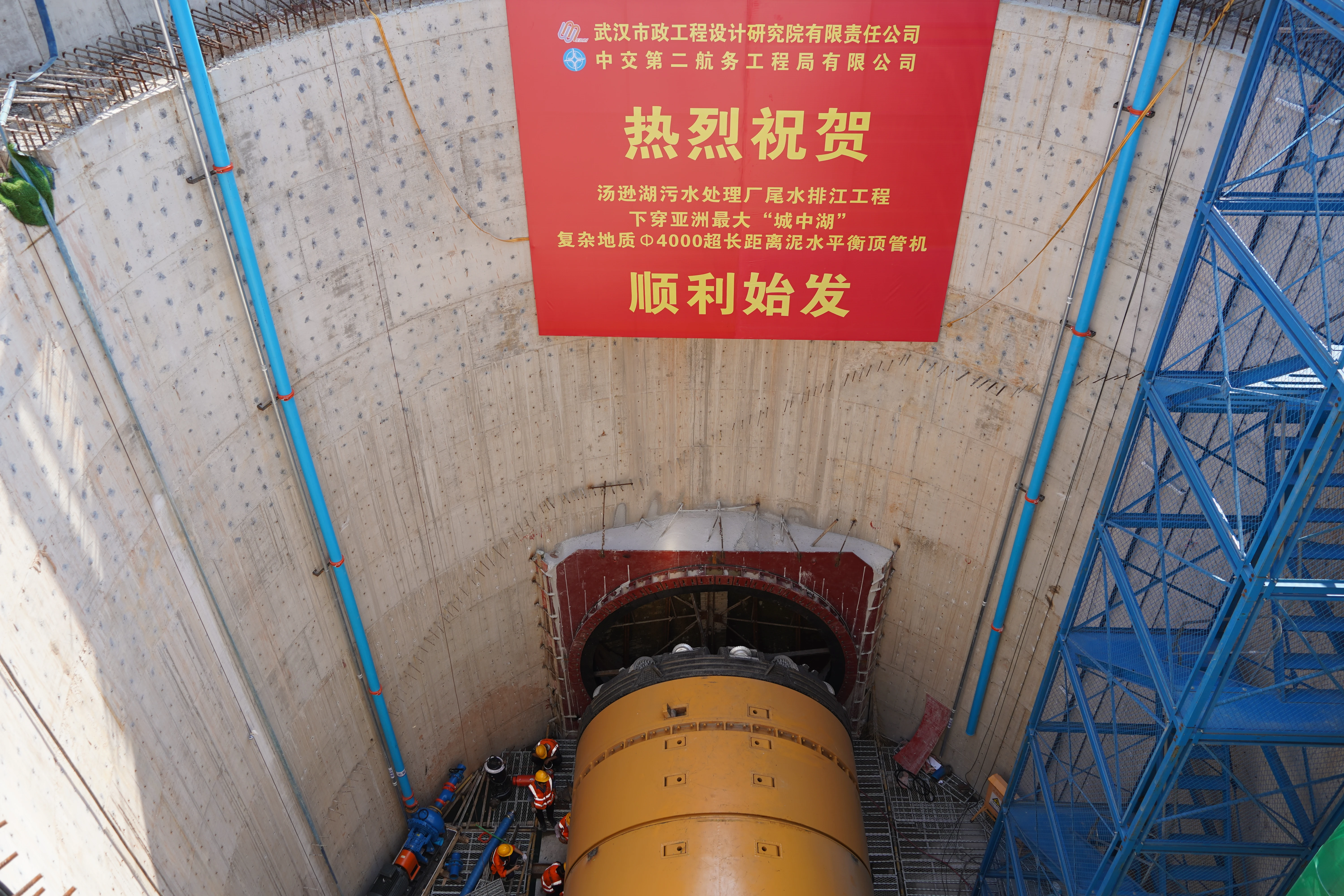
Yaw drift can steer a TBM tunnel off line quickly. You see this when the tunnel machine starts to turn slightly without correction. Even a small yaw drift can cause big alignment issues. CEGC helps you keep your tunnel boring machine on track and avoid costly mistakes.
Key Takeaways
-
Yaw drift can make a tunnel boring machine go off course fast. You need to control yaw drift to stop expensive fixes and slowdowns.
-
Use real-time monitoring systems to find yaw drift early. This helps keep your tunnel machine moving the right way and keeps everyone safe.
-
CEGC gives special solutions and training to help with yaw drift. Good guidance systems can stop alignment problems and help your project do well.
What is yaw drift in TBM tunneling?
Yaw drift and tunnel machine alignment
You need to understand yaw drift if you want your tunnel machine to stay on track. Yaw drift happens when your tunnel boring machine, microtunnelling machine, or auger boring machine slowly turns left or right from its planned path. This movement is called "yaw." When your machine drifts in yaw, it does not follow the design line. Even a small drift can cause big problems over a long tunnel drive. Yaw drift can steer a TBM tunnel off line quickly, especially in urban projects where space is tight.
To keep your tunnel straight, you must control three types of movement: yaw, pitch, and roll. Yaw is the left or right turn. Pitch is the up or down tilt. Roll is the side-to-side tilt. If you do not control yaw, your tunnel can curve away from the target. This can lead to costly rework or even project failure.
CEGC designs tunnel machines with strong alignment control. You get market-standard performance and the option to customize for your project. The guidance system helps you track yaw, pitch, and roll in real time. This makes it easier for you to keep your TBM tunnel boring machine on the correct line and grade.
Difference from other TBM errors
Not all errors in tunnel boring are the same. Yaw drift is different from pitch or roll errors. Pitch errors make your tunnel go up or down. Roll errors tilt the tunnel sideways. Yaw drift changes the direction of the tunnel. You must watch for all three, but yaw drift can steer a TBM tunnel off line quickly if you do not act fast. CEGC’s alignment systems help you spot and fix these errors before they become serious.
Yaw drift can steer a TBM tunnel off line quickly: Causes and effects
Main causes of yaw drift
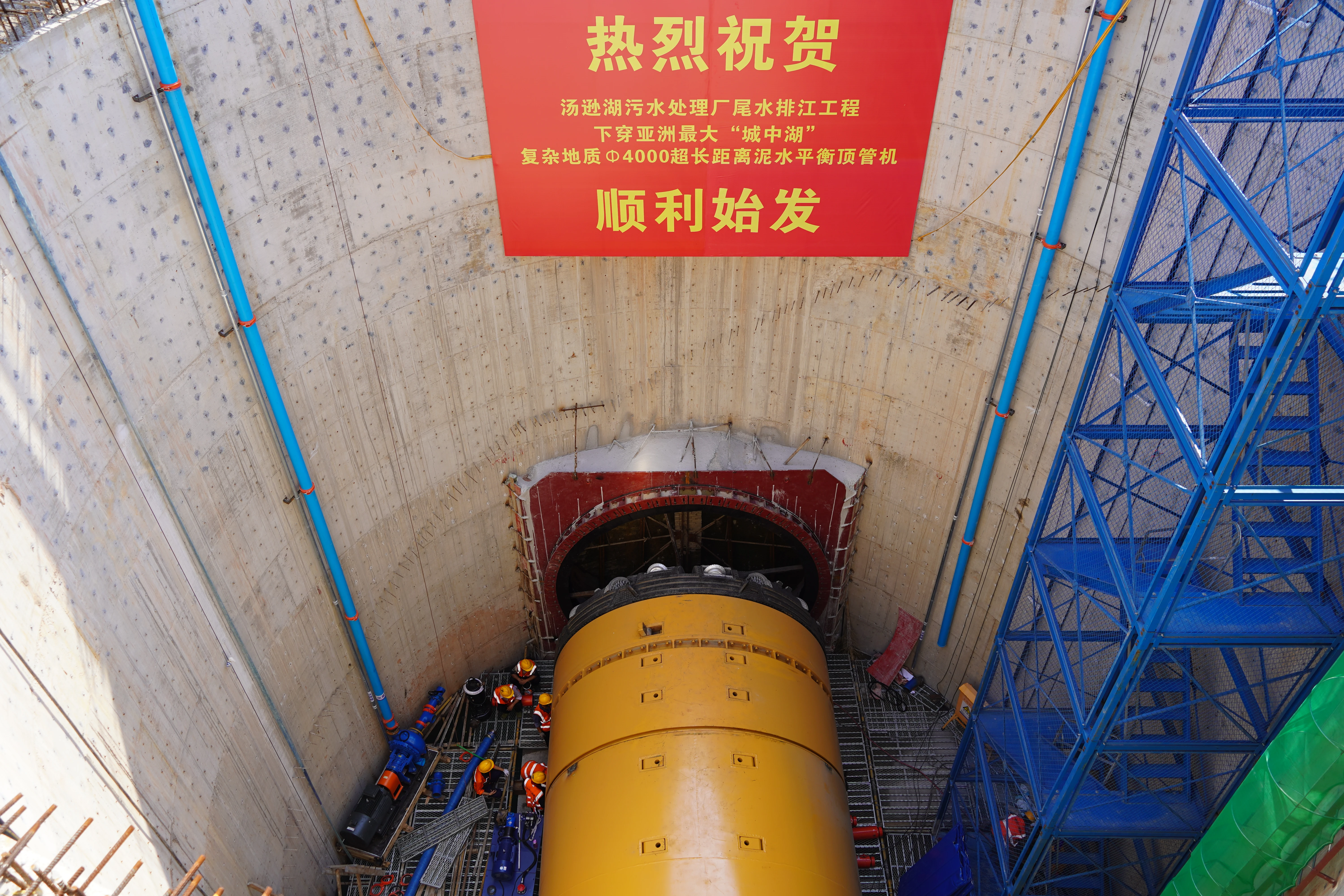
Yaw drift happens when your tunnel machine turns away from its planned path. There are a few main reasons for this problem. Sometimes, sensors give wrong information to the guidance system. If sensors do not work right, the tunnel boring machine can drift without warning. The ground is also important. Changes in soil or rock can change how the machine moves. You need to watch for soft ground, water, or mixed layers. These things can change the face pressure and make the machine turn. Machine control is another reason. If you do not steer the TBM tunnel boring machine carefully, small mistakes can build up. Segment misalignment happens when tunnel segments are not put in the right place. This can push the machine off course.
You need to pay attention to the ground. It changes how you set face pressures and run your tunnel machine. If you do not control these pressures, you could lose ground or cause settlement. Not enough pressure can make the ground fail. Too much pressure can cause blowouts. Both problems can make the tunnel machine drift in yaw.
-
Sensor errors
-
Changing ground conditions
-
Machine control mistakes
-
Segment misalignment
How misalignment develops fast
Small yaw errors can get worse quickly. At first, you might not see a tiny drift. Over a long tunnel, these errors add up. In cities, there is not much space. You cannot let your tunnel machine drift. If you do not fix yaw drift, the tunnel can miss the target line. You might have to stop and fix the problem. This wastes time and money. Yaw drift can steer a TBM tunnel off line quickly, especially in cities or near utilities.
You need a strong guidance system. CEGC gives you guidance system integration to track your tunnel machine in real time. A strong machine structure keeps the TBM tunnel boring machine steady. Controlled excavation profile helps you avoid overcut and keeps tunnel segments in line.
Real-world impacts on projects
Yaw drift can steer a TBM tunnel off line quickly. You face big risks if you do not control alignment. The tunnel may not be strong if it does not follow the design. Safety is a problem if the tunnel machine moves into weak ground. Costs go up if you need to fix mistakes or redo work. Claims and stoppages happen if you break settlement limits or hit utilities.
You must meet owner rules for accuracy. CEGC’s tunnel machines help you get the same results every time. You get market-standard specs and can change them for your project. This keeps your tunnel boring machine on track and lowers risk.
|
Impact Area |
What Happens If Yaw Drift Is Not Controlled |
|---|---|
|
Structural Integrity |
Tunnel may not meet design standards |
|
Safety |
Increased risk of ground failure |
|
Cost |
Higher expenses for rework and delays |
|
Claims/Stoppages |
Project interruptions and legal issues |
You need to focus on guidance, steering, and line assurance. CEGC gives you technical solutions to keep your tunnel machine straight and your project safe.
Detection and prevention of yaw drift in TBM operations
Monitoring and guidance systems
It is important to find yaw drift early. This helps keep your tunnel machine on track. There are different monitoring systems that help you do this job. Survey control checks where your tunnel is at certain points. Real-time steering uses sensors and guidance systems. These show you which way the tunnel boring machine is moving. As-built reporting lets you see if the finished tunnel matches the plan.
Here is a table that lists common guidance systems and their features:
|
Method Type |
Advantages |
Disadvantages |
|---|---|---|
|
Gyroscope Guidance System |
Low cost |
Needs regular calibration, low accuracy |
|
Prism Guidance System |
Simple structure, low cost |
High installation requirements, low precision |
|
Laser Target Guidance System |
Long measurement distance, high precision |
Prone to errors, installation issues |
|
Visual Measurement Guidance System |
Large field of view, good real-time performance |
Still in research stage, limitations |
Laser guidance is special because it is very accurate and works far away. You can use it with inclinometers and target sensors. These tools help you track yaw, pitch, and roll. This lets you see if yaw drift can steer a TBM tunnel off line quickly.
Correction strategies and CEGC solutions
You can stop and fix yaw drift with the right steps. Operator training teaches your team how to find and fix alignment problems. System integration connects your guidance tools to the tunnel machine controls. Modular design makes it easy to change or fix parts underground.
CEGC gives you a support package. It includes training, setup, and maintenance planning. You can also change your guidance and alignment system to fit your needs. The table below shows some technical features you can pick:
|
Feature |
Description |
|---|---|
|
Uses active laser guidance for accurate microtunneling. |
|
|
Inclinometers |
Measure pitch, yaw, and incline data. |
|
Target Sensors |
Send real-time data to the operator’s console. |
|
Data Logging |
Records over 100 data points for custom reports on alignment and performance. |
With these tools, you can keep your tunnel boring machine on the right path. This helps you avoid expensive mistakes.
You have to watch yaw drift to keep your TBM tunnel boring machine going straight. Small mistakes can turn into big trouble quickly. The table below shows how TBM meters help keep your project safe:
|
Benefit |
|---|
|
Make sure the tunnel is strong |
|
Lower the chance of ground problems |
|
Check for ground sinking or building movement |
|
Help you decide how to make the ground stronger |
Focusing on alignment control helps you build safe tunnels and stop expensive problems. CEGC’s smart guidance and fixing systems help you do well on every tunnel machine job.
FAQ
What is the main risk if you ignore yaw drift in a tunnel boring machine?
Your tunnel can move off the planned path. This means you might need to fix it, which costs a lot. The project could take longer and become unsafe.
How can you detect yaw drift early during tunneling?
You can use guidance systems that work in real time. Survey checks and as-built reports also help. These tools let you find small mistakes before they get worse.
Does CEGC offer solutions for yaw drift control?
|
Solution Type |
Benefit |
|---|---|
|
Guidance Integration |
Keeps your tunnel on line |
|
Custom Alignment |
Fits your project’s needs |
|
Operator Training |
Helps your team avoid mistakes |


