
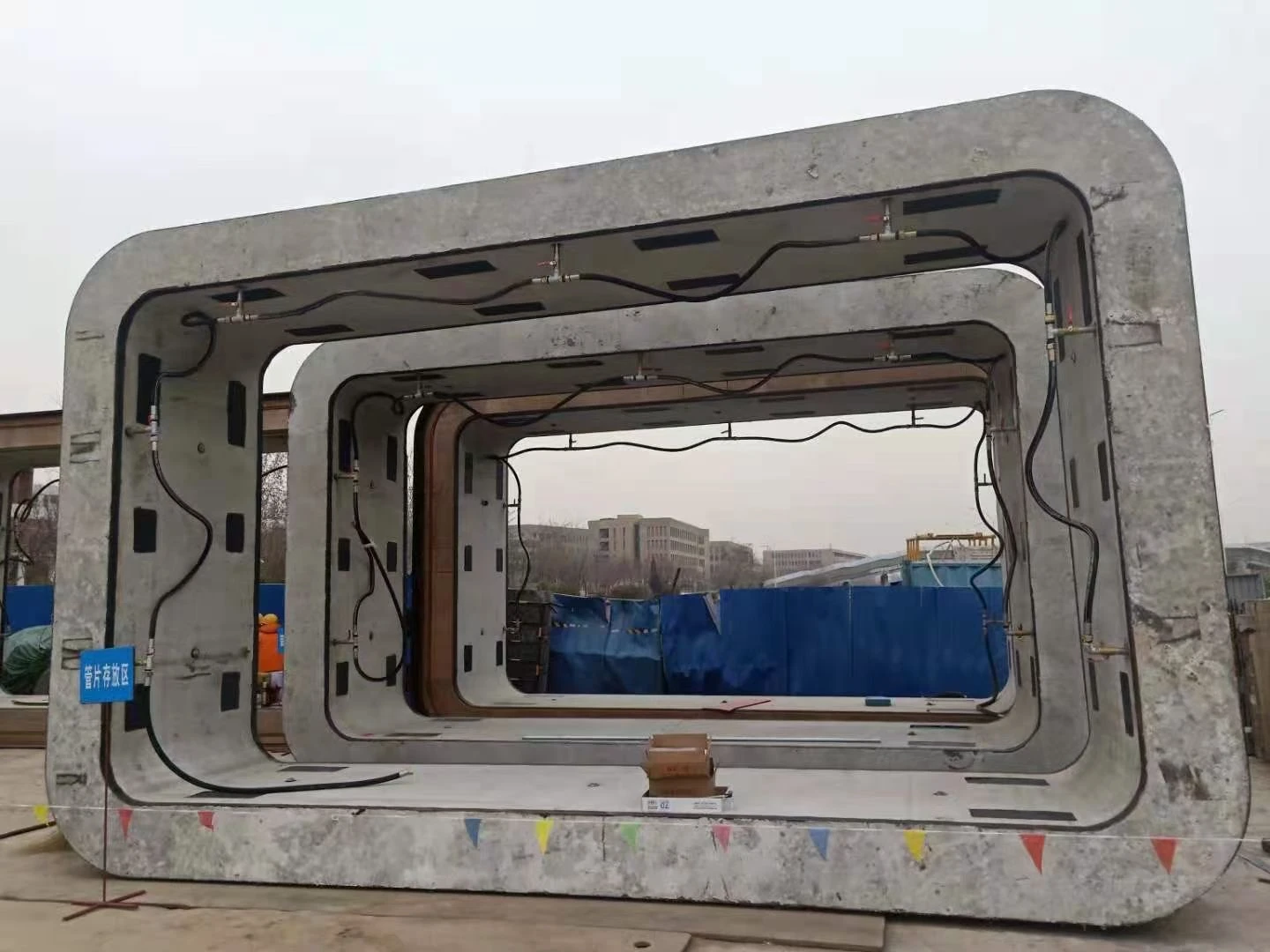
You can encounter significant tunnel issues if grout timing is incorrect during TBM tunnel ring installation. Bad grout timing can ruin a TBM tunnel ring, leading to gaps that may cause the ground to shift, the segments to misalign, and water to leak. CEGC engineers have observed that late grouting frequently results in squeezing and rapid tunnel complications.
Key Takeaways
-
Grout timing is very important for tunnel safety. If you grout too late or too early, big problems can happen. These problems include tunnel rings not lining up and water leaking in.
-
Watch grout pressure and volume carefully. Use live data to spot issues fast and stop expensive fixes.
-
Always use the best ways to grout. Make a plan, check your tools, and work with your team. This helps keep the tunnel strong and safe.
How bad grout timing can ruin a TBM tunnel ring
Grout timing in TBM tunneling
It is important to know why grout timing matters when you put in a tunnel ring with a tunnel boring machine. Grout fills the space between the tunnel lining and the ground. When you add grout at the right time, it helps support the tunnel ring and keeps the ground from moving. If you wait too long or grout too early, you can have big problems.
Civil engineering research shows grout timing changes the pressure on tunnel linings. The pressure, timing, and grout properties all help keep the tunnel safe. You can see the main points in the table below:
|
Aspect |
Findings |
|---|---|
|
Grouting Pressure |
Changes the pressure on tunnel linings during building. |
|
Timing of Grout Application |
Changes how the pressure on the lining grows and moves. |
|
Properties of Grout Material |
Very important for the pressure on tunnel linings. |
If you grout too late, the ground can move and push on the tunnel ring. If you grout too soon, the grout might not fill the gap right. Both mistakes can hurt the tunnel ring. Bad grout timing can ruin a TBM tunnel ring by making it weak from the start.
Types of tunnel ring damage
When grout timing is wrong, you can get different types of tunnel ring damage. Here are the main problems:
-
Inadequate bonding: If you wait too long to grout, the segments may not stick together well. This makes the tunnel ring weak and lets water or dirt get inside.
-
Segment displacement: Bad timing can make the segments move out of place. You might see cracks or gaps between them. This can make the tunnel crooked and put more stress on it.
-
Water ingress: If grout does not seal the gap in time, water can leak into the tunnel. This can cause rust and damage over time.
-
Soil movement: Bad grout timing can ruin a TBM tunnel ring by letting the ground move around the tunnel. This can make the tunnel bend or even fall in.
-
Long-term durability issues: Over time, these problems can make the tunnel unsafe and not last as long.
If you grout late, you can get problems like the ground sinking and more stress on the tunnel lining. This can make the segments not stick together as well.
You should also know how grout pressure and the size of the gap change the tunnel. If you do not balance the pressure, you can lose grout and the ground can sink. If the gap is not even, some parts of the tunnel ring get more stress. High grout pressure can even lift the tunnel or make empty spaces.
Here is a table that shows how segment movement affects tunnel safety:
|
Evidence Description |
Impact on Tunnel Safety |
|---|---|
|
Makes the tunnel not line up and weakens it |
|
|
More force and stress on the segment lining |
Makes the tunnel less safe and can cause it to fail |
|
Misalignment causing more pulling stress |
Makes cracks more likely and can break the tunnel suddenly |
Soil movement is another problem. If you use too much grout, you can push on the ground and make the tunnel bend. If the tunnel bends, the ground around it can get tighter or looser, which makes the tunnel even less safe.
Real-world failure cases
There are many real examples where bad grout timing can ruin a TBM tunnel ring. In one project, engineers waited too long to grout after putting in the tunnel segments. The ground moved, and the tunnel ring segments shifted. Water leaked through the gaps, and fixing the tunnel cost a lot of money.
In another case, workers grouted too early and did not use enough pressure. The grout did not fill the gap, so the tunnel ring did not stick to the ground. The segments cracked, and the tunnel lost its shape. This caused long-term repair problems and safety worries.
You can stop these problems by watching grout timing closely. Always check the pressure, amount, and timing of your grout. Remember, bad grout timing can ruin a TBM tunnel ring and put your whole project in danger.
Preventing TBM tunnel ring damage
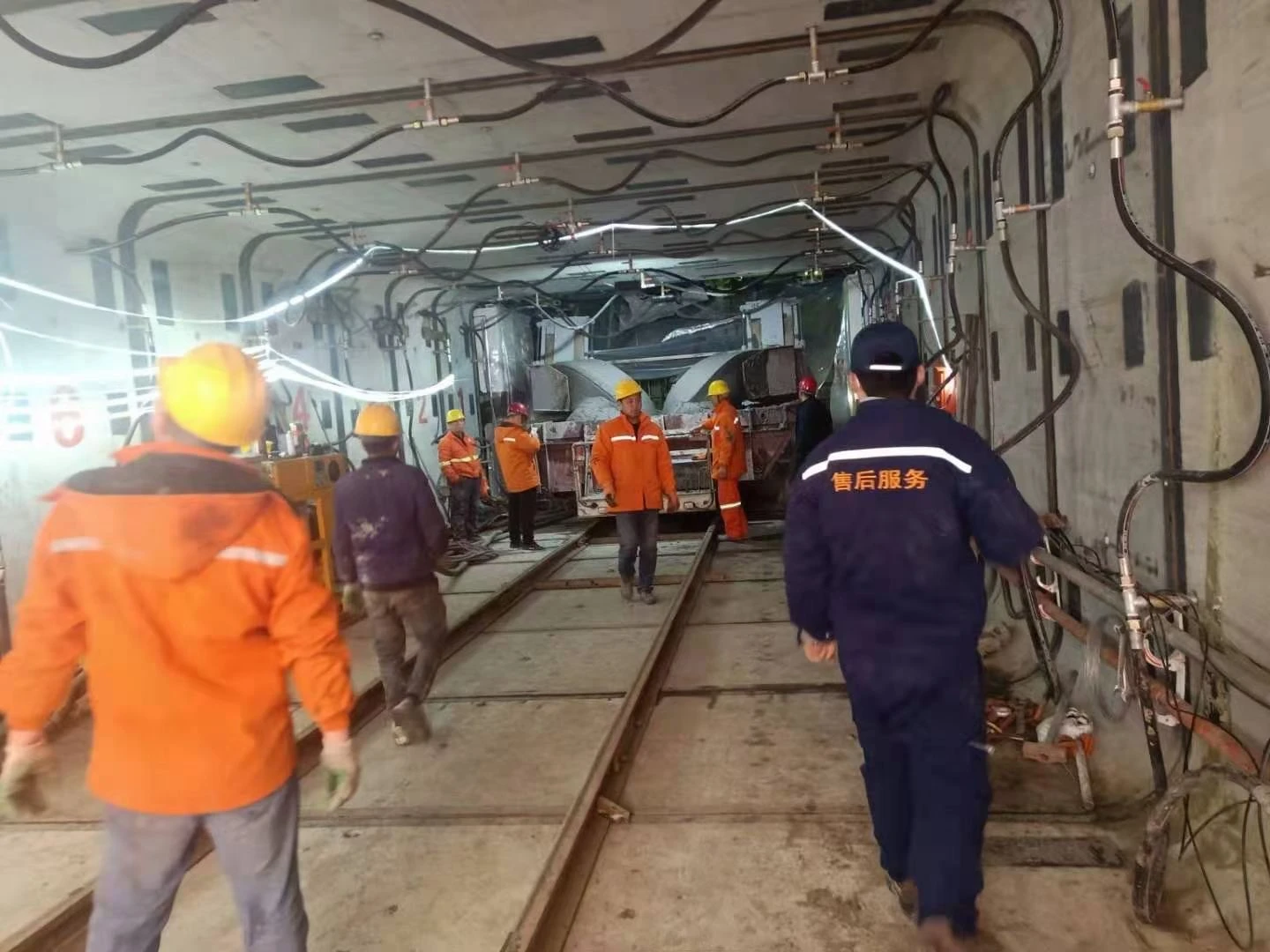
Best practices for grout timing
You can prevent tunnel ring damage by following some simple steps. Here are best practices you should use:
-
Grout ahead of the working face to control water and keep the ground stable.
-
Check if you need grouting by looking at probe hole drilling results or geotechnical data.
-
Grout from the surface if possible, but watch out for deep or rough ground.
-
Plan your grouting so you do not slow down the tunnel boring machine.
-
Use good drilling equipment to keep your project on schedule.
You should always coordinate with your team and check your equipment before starting. Careful planning helps you avoid mistakes that can lead to tunnel problems.
Warning signs and quick response
Monitoring systems help you spot grout timing issues early. These systems show real-time data on grout flow, pressure, and volume. If you see a difference between the amount of grout you expect and what you actually use, you might have a blockage or a leak. Quick action can stop small problems from becoming big ones.
Watch for these warning signs:
Sudden drops in grout pressure
Lower grout volume than planned
Water or soil entering the tunnel
Segment movement or cracks
If you notice any of these, stop work and fix the issue right away. Fast response keeps your tunnel safe.
Prevention success stories
Many projects have avoided damage by following these steps. In one case, a team used real-time monitoring and caught a grout leak early. They fixed the problem before it caused segment movement. Another project planned grouting ahead of the working face and kept the tunnel dry and stable. These examples show that you can avoid costly repairs if you act quickly and follow best practices.
Bad grout timing can ruin a TBM tunnel ring, but you can prevent most problems with careful planning and fast action.
You keep your tunnel safe by using good grout timing steps. If you make mistakes, the ground can sink, segments can move, and the tunnel can get weak. Here is how timing changes tunnel rings:
|
Aspect |
Impact on Tunnel Rings |
|---|---|
|
Grout Timing |
Makes grout stronger or weaker |
|
Ground Settlement |
Good timing stops the ground from moving |
|
Lining Pressures |
Keeps the pressure on the tunnel lining safe |
|
Tunnel Stability |
Helps the tunnel stay safe for a long time |
Watch carefully, fix problems quickly, and always use the right grout timing to protect your tunnel.
FAQ
How do you know if grout timing is wrong?
You may see cracks, water leaks, or segment movement. These signs mean you should check your grout timing and fix it fast.
What happens if you grout too early?
You might not fill the gap fully. This can cause weak bonding and let water or soil enter the tunnel.
Can you fix tunnel ring damage from bad grout timing?
You can repair some damage by adding more grout or replacing segments. Early action helps you avoid bigger problems.


