
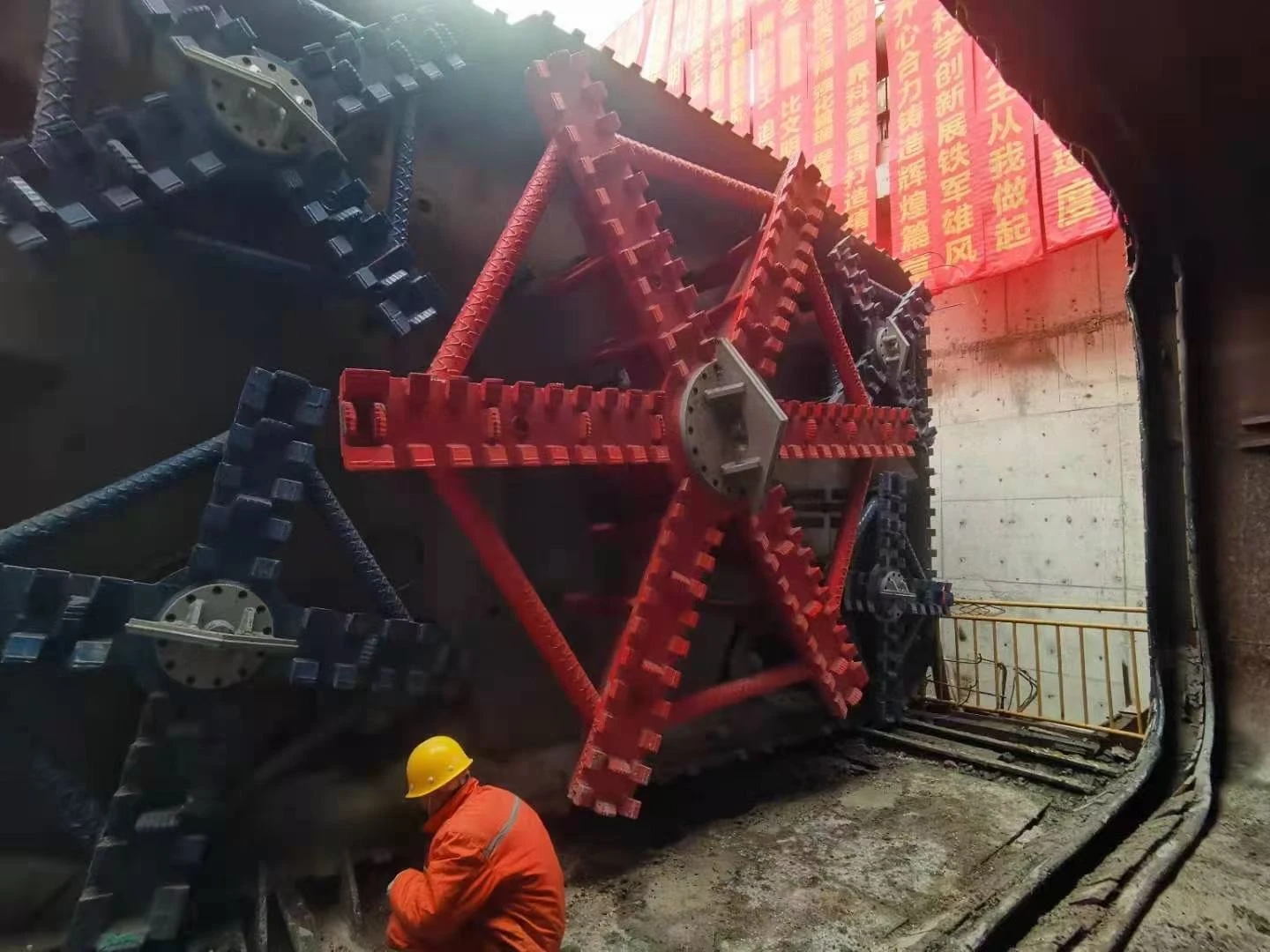
You see that a tbm machine needs grout stability to cut voids. The right grout stops the ground from moving and keeps water out. CEGC uses advanced grouting materials to keep tunnels safe and working well. Studies show that using the right grout helps stop the soil from sinking and keeps segments lined up. This helps you avoid expensive project delays.
Key Takeaways
-
Stable grout stops the ground from sinking and keeps tunnels safe. It fills the space around the tunnel and helps hold it up.
-
Choosing the correct grout mix and checking pressure during grouting prevents expensive delays. It also makes sure the tunnel stays strong for a long time.
-
Using new grouting tools and good methods makes grout more stable. This keeps tunnels dry and protects them from water getting in.
Grout Stability in TBM
What Is Grout Stability?
It is important to know about grout stability for tunnel building. In TBM and Microtunnelling Machine work, grout stability means the grout stays the same and does not split or leak after mixing and while being put in. This is needed to fill the annulus, which is the space between the tunnel wall and the dug-out ground. If you use stable grout, you can:
-
Lower ground sinking by filling the annulus all the way.
-
Stop the last segments from moving or floating.
-
Move weight from the ground to the tunnel parts safely.
-
Keep water out of the tunnel.
Grout stability comes from many physical and chemical things. The main things are shown in the table below:
|
Property |
Description |
|---|---|
|
Rheological performance |
How well the grout works depends on how it is mixed, which changes its stability and evenness. |
|
Bleeding rate |
Shows how steady the fresh grout is; higher rates mean lower quality and more splitting. |
|
Mixing time |
Best times for good mixing: 7-30 min for bentonite, 60 min for cement. |
|
Component A properties |
Checked by gel time, how long it stays soft, flow speed, and how strong it is when pressed. |
|
Hardener type |
Uses sodium silicate with a certain Si/Na ratio, which changes how steady the mix is. |
|
Cement type |
Ordinary Portland Cement (OPC) and Portland Limestone Cement (PLC) change bleeding and stability. |
|
GGBFS inclusion |
Makes the mix smoother and keeps water in, so there is less bleeding than with OPC. |
You can check grout stability before using the TBM by testing with the Geometric Damping Ratio, Dominant Resonance Duration, and N10AMP. These tests show how much energy is lost, how long shaking lasts, and how high the peaks are in the grout. Good grout makes sure the annulus grout works well during pressure grouting.
Why TBM Machines Need Stable Grout
A TBM machine needs grout stability to cut voids and keep tunnels safe. When you use a TBM or Microtunnelling Machine, you need pressure grouting to fill spaces and hold up the ground. Stable grout is very important for keeping the ground steady, stopping water, and holding weight. Here are some ways pressure grouting helps in TBM jobs:
-
Pressure grouting makes the soil around the tunnel stronger.
-
It controls water, so the tunnel stays dry.
-
It helps the tunnel hold more weight by filling gaps and moving pressure to the tunnel wall.
You must pick the right grout mix for your job. Studies say cement grouts stop clogging and fill holes, making the tunnel stronger over time. Bentonite and sodium silicate make the grout stronger and set faster. Two-part grouts with more pressure lower how much the ground sinks. These materials and ways of grouting help your tunnel last longer and stay safe.
You also need to think about how much water the ground lets through for pressure grouting. Normal cement grouts work well up to 5 x 10⁻⁴ m/s, but chemical grouts can go as low as 1 x 10⁻⁶ m/s. New grouting ways, like polyurethane and chemical grouting, help with tough soil and keep the tunnel strong.
If you use CEGC’s TBM and Microtunnelling Machine solutions, you get advanced grouting systems for hard jobs. These machines give exact pressure grouting, backfilling, and annulus filling, which are all needed for tunnel safety and good work. Always remember, a TBM machine needs grout stability to cut voids, keep the ground steady, and make your tunnel last a long time.
Ground Stability and Grout
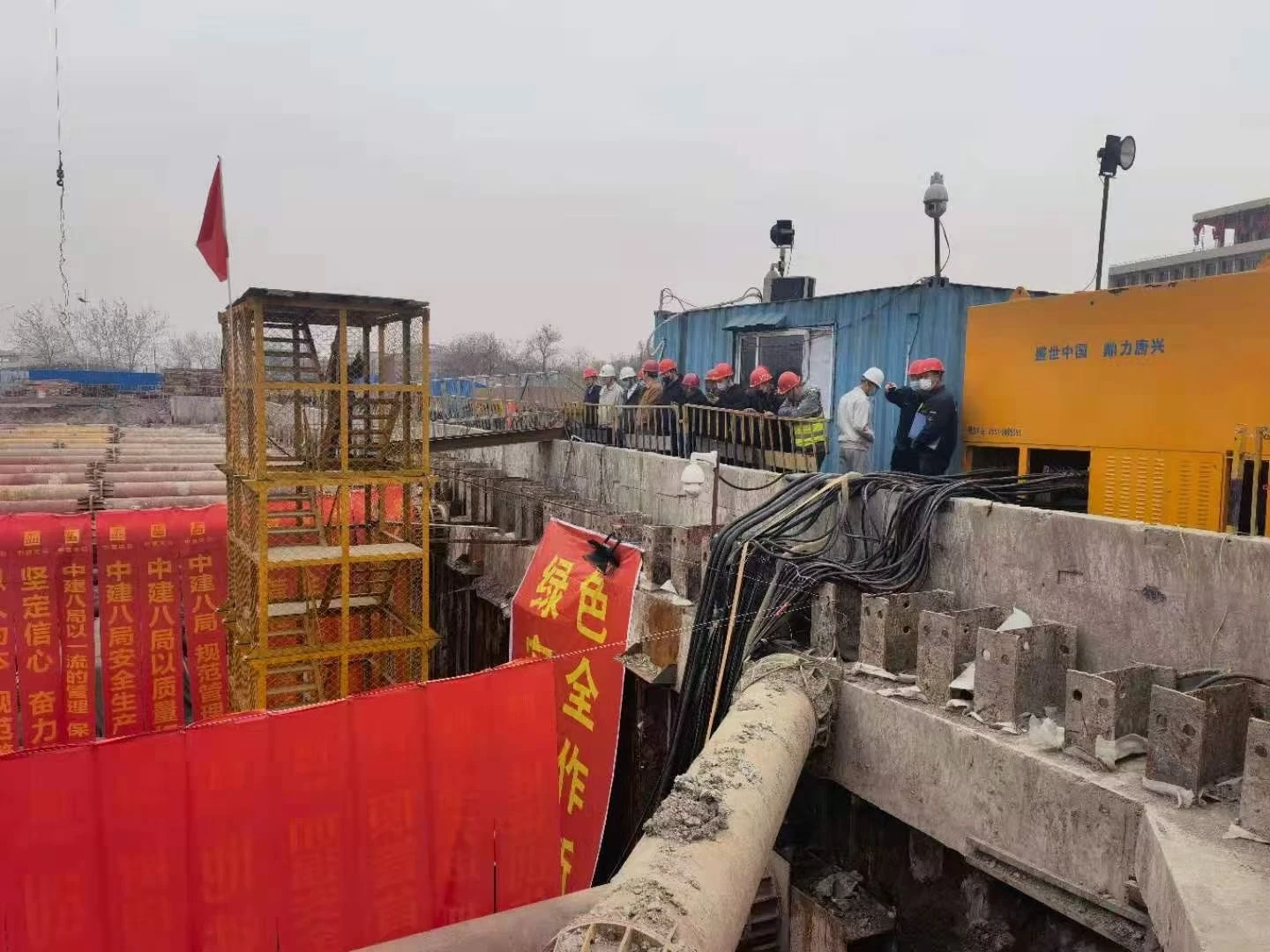
Stable Grout for Ground Support
You need stable grout to keep the ground steady when building a tunnel. When you use a TBM, you must fill the space between the tunnel wall and the dug-out ground. This is called pressure grouting. It helps hold up the ground and stops empty spaces from forming. You have to put in grout right away as the TBM moves forward. This keeps the tunnel wall touching the soil all the time.
-
The space must stay even and be filled all the way.
-
The grout should turn solid fast and get strong quickly.
-
Good backfilling depends on these steps.
You can make grout better by using special mixing machines. These machines make the grout smoother and more even. This gives you stronger ground and lowers the chance of grout splitting or separating. When you use stable grout, you keep the pressure the same at the tunnel face. This helps stop the ground above from moving and keeps the tunnel safe.
Preventing Collapse and Water Ingress
You must use the right grouting steps to stop the tunnel from falling in and to keep water out. Pressure grouting fills the space and seals the tunnel wall. This keeps water from getting in and makes the tunnel dry. After the main grouting, you need to seal tunnels with many parts. Grout made with cement cuts down on water leaks and keeps the tunnel strong.
-
Filling the space behind the tunnel wall stops the ground from sinking.
-
It keeps water out, which is important for the tunnel to last.
-
Grouting helps you control water in the ground and keeps things safe.
If you do not use stable grout, you can have big problems. In the Dejiang Tunnel, high water pressure caused a huge water leak. The tunnel exit and nearby land got flooded because the grout did not work. In the Messochora tunnel, weak grout made the walls move in and crack. These stories show why a TBM needs stable grout to fill gaps and keep your project safe.
Impact on Tunnel Safety and Performance
You make tunnels safer and better by using good pressure grouting. Stable grout stays the same and does not split or separate. You can put grout into small spaces in the soil, making the ground stronger. Good grout stops clogging and helps the grout go where it should.
You must watch the pressure in the ground when you use grout. Keep the pressure steady at the tunnel face and around the wall. Enough grout pressure fills holes and keeps things balanced, so the ground above does not sink. If you use too much pressure, you might lift the tunnel or make new holes. You need to set the pressure just right for safety.
How fast grout hardens changes how steady the tunnel is. Grout with one part gets hard slowly, so water can mix in and make it weaker. This means the grout does not fill as well. Grout with two parts gets hard faster and makes the tunnel safer. You can check how well the tunnel is doing by looking at how fast waves move through it and how stiff it is. Higher numbers mean the tunnel is stronger and lasts longer.
Tip: Always check your grouting work. Use new grouting tools and pressure grouting systems to keep the ground steady, the tunnel safe, and the tunnel working well for a long time.
Risks and Best Practices for Grout Stability
Consequences of Unstable Grout
If you do not control grouting, big problems can happen. Unstable grout can make the ground sink. This can cause cracks on the surface and bumpy roads. Water might leak into the tunnel and make it unsafe. Delays can happen if water gets inside. The TBM or Microtunnelling Machine can get damaged if pressure grouting does not work. Bad grouting can make the ground weak. This can lead to the tunnel falling in. If the annulus is not filled right, the tunnel loses strength. The tunnel will not last as long. You can also have trouble with backfilling and annulus grout. This can hurt the tunnel’s safety for a long time.
Best Practices for Grout Stability
You can stop these problems by using good grouting steps. Always pick the right grout mix for your soil and water. Test the grout before you start pressure grouting. Keep the annulus full during TBM work. Use steady pressure grouting to balance the ground and water. Watch the grouting pressure and flow to fill all spaces. Follow the rules for grout mix and pressure:
|
Requirement |
Description |
|---|---|
|
Grouting requirements |
Found in Section 02431 - Tunnel Grout. |
|
Mix 1 part Portland Cement with 4 parts clean sand and water. |
|
|
Pressure management |
Keep steady pressure at the tunnel face to balance water and ground. |
Train your team on how to grout and stay safe. This helps keep the ground steady and the tunnel strong.
Technologies for Monitoring Grout
New technology helps you watch grout stability and keep things safe. You can check pressure grouting, grout quality, and annulus filling as you work. Here are some important tools:
|
Technology Type |
Description |
|---|---|
|
Ultrasonic Pulse Velocity (UPV) Systems |
Checks how strong the grout is. |
|
Acoustic Emission (AE) Monitoring |
Finds stress waves in the grout. |
|
Resistivity/Impedance Spectroscopy |
Measures how well grout carries electricity. |
|
Fiber Optic Sensing (FOS) |
Gives real-time data about grout conditions. |
|
Pressure and Flow Measurement Systems |
Watches grout pressure and flow. |
|
Density and Viscosity Meters |
Checks how thick and heavy the grout is. |
|
Temperature and Hydration Monitoring |
Tracks heat and water in the grout. |
Real-time monitoring helps you control quality and watch key details. AI and IoT systems help you change TBM work fast. Predictive analytics help you stop problems before they start. Remember, a tbm machine needs grout stability to cut voids and keep your tunnel safe.
You keep tunnels safe and working well by making grout stable. Pick the right grout mix, control the pressure, and follow safety rules. For each tunnel job, you should:
-
Check how much grout goes in.
-
Use new safety tools.
-
Check the grout again as digging goes on.
-
Pick materials that make the tunnel last longer.
FAQ
How does grout help the annulus in a tunnel boring machine project?
You fill the annulus with grout to support the tunnel. This process keeps the tunnel boring machine safe and prevents ground movement.
Why is stability important for the annulus during tunnel construction?
You need stability in the annulus to avoid tunnel collapse. Stable grout protects the tunnel and keeps water out.
What happens if you do not fill the annulus properly?
You risk tunnel damage if you leave the annulus empty. Water can enter, and the tunnel may lose strength.
Tip: Always check the annulus for proper grout filling to keep your tunnel safe.


