
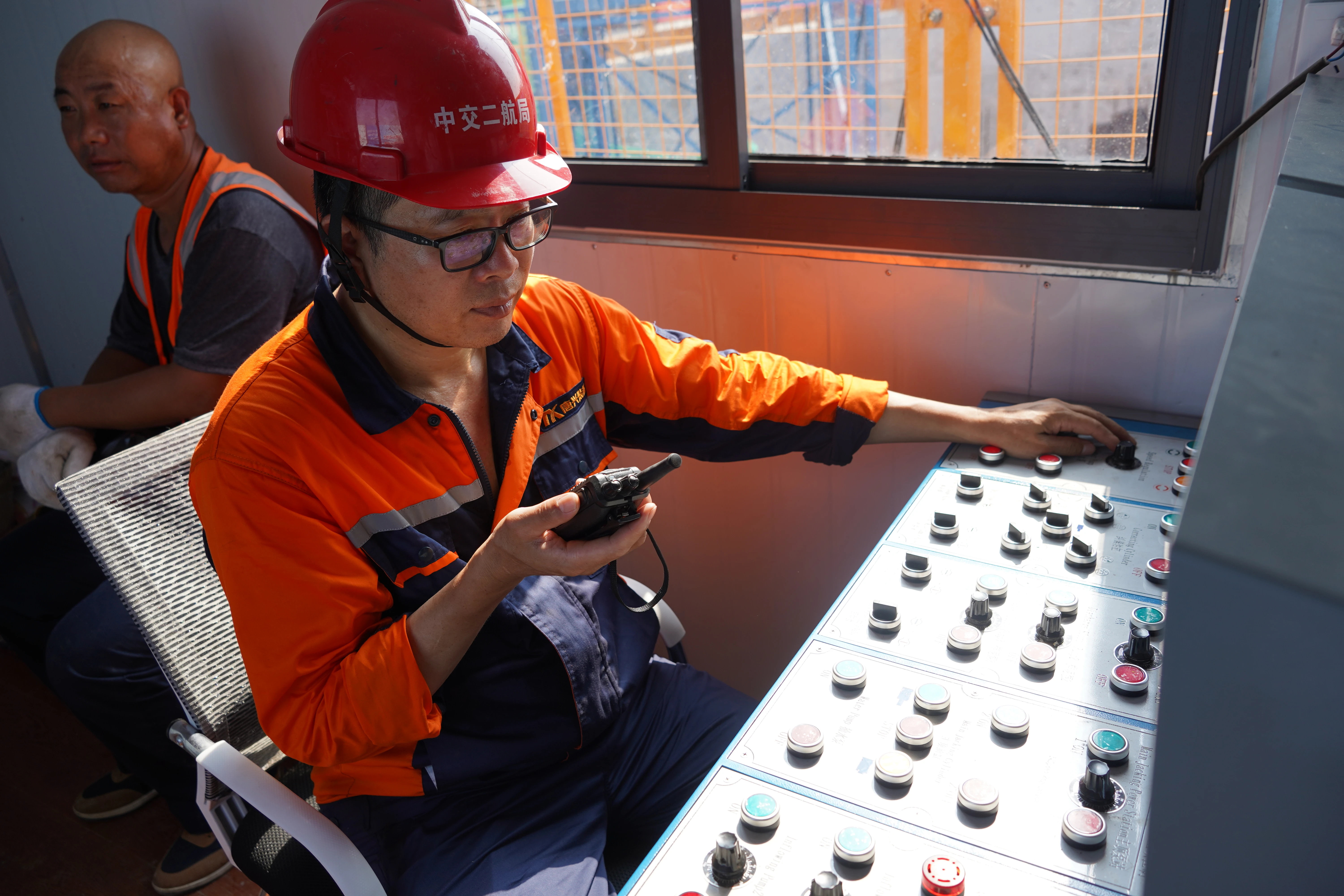
You should know that TBM tunnel grout pressure spikes can lift the ground. When you inject grout at high pressure, it can push soil upward. This may damage roads or buildings above. Proper grout pressure management keeps your project safe. Trust CEGC for expert solutions in safe micro tunneling.
Key Takeaways
-
Watch grout pressure when tunneling so the ground does not lift. Keep the pressure a little higher than water pressure to stay safe.
-
Pick grout mixtures that do not change much. A good slurry mix helps stop pressure from jumping up and keeps it steady.
-
Check grout injection all the time. Use data loggers to see how much grout goes in and how strong the pressure is. This helps you fix problems fast.
Grout Pressure Spikes in TBM Tunneling
How Grout Injection Works
You use grout in a tbm tunnel to fill the space between the tunnel lining and the soil. This space is called the annular gap. When you inject grout, you create a controlled cavity around the tunnel. The grout flows into this gap and pushes outward against the soil. This outward force helps keep the tunnel stable and prevents the ground from sinking. In mechanized shield tunneling, especially with Earth Pressure Balance machines, grout injection keeps the pressure even. This balance stops the ground from moving too much. If you do not keep the pressure right, the ground can settle or even crack. The grout also helps seal the tunnel, stopping water from leaking in. You can think of the process as blowing up a balloon inside the ground. The grout expands and presses against the soil, making the tunnel safe and strong.
You usually inject grout at pressures between 0.5 bar and 4 bar. At lower pressures, you might see water leaks or loose soil. At higher pressures, you can see the ground move upward. If you go above 4 bar, you may notice the ground lifting by almost a centimeter. This shows why you must control the pressure during every step of the tunnel boring process.
Causes of Pressure Spikes
You can see grout pressure spikes in a tbm tunnel for many reasons. One main cause is the way you connect the grout supply lines. Industrial pipe couplings can create sudden surges during grouting cycles. The tbm cutterhead also vibrates, which can make the pressure jump quickly. If you use grooved couplings with flexible parts, you can absorb some of these changes and keep the pressure steady.
Another cause comes from the grout itself. If you use a mixer that does not make a stable slurry, you can get sudden changes in pressure. Colloidal grout mixers help by making a smooth, pumpable slurry. This reduces the risk of spikes that can stress the joints and pipes. Asymmetric tail-grouting, where you inject more grout on one side of the tunnel, can also cause uneven pressure. Pressurized face tunneling, where you push slurry at the tunnel face, can add to these spikes if not managed well.
You must also watch for changes in the type of grout. Some grouts have different flow properties. If you switch from one type to another, you can see a sudden spike in pressure. Always check the grout mix and the equipment before you start.
TBM Tunnel Grout Pressure Spikes Can Lift the Ground
You need to know that tbm tunnel grout pressure spikes can lift the ground. When you inject grout at a pressure higher than the natural water and soil pressure, the ground can move upward. This happens when the grout pressure is about 1.07 to 1.57 times higher than the static pressure. The soil cannot hold the extra force, so it pushes up. This can cause roads or buildings above the tunnel to crack or shift.
Here is a table that shows what happens when grout pressure gets too high:
|
What Happens |
Key Findings |
|---|---|
|
Lateral upward movement |
Grout pressure higher than soil pressure causes ground uplift. |
|
Soil arching |
Grout changes stress in the soil, making it move and lift. |
|
Uneven grouting |
More grout on one side can lift the ground unevenly. |
You must keep the grout pressure just right. If you go too high, you risk lifting the ground above the tunnel. If you go too low, you risk the tunnel sinking or leaking. Most projects keep grout pressure just above the water pressure in the soil. For example, you might need to go 1 to 2 bar higher than the water pressure behind the tunnel segments. If you do not control these spikes, you can see the ground move up by almost a centimeter or more.
You also need to watch the type of grout and the way you inject it. Some grouts set quickly and become strong, which helps keep the tunnel safe. The best practice is to use a two-component grout system. This system fills the gap completely and stops the ground from moving. The grout must stay in place and not leak out. If you follow these steps, you can prevent tbm tunnel grout pressure spikes from lifting the ground and keep your project safe.
Managing Ground Uplift Risks
Consequences of Ground Lifting
You need to know the risks if grout pressure gets too high. In cities, ground lifting can make tunnel segments move out of place. It can also break roads or buildings above the tunnel. For example, in the Zhuhai tunnel project, tunnel segments lifted up to 50 mm in shallow spots. This made repairs cost a lot more money. You might see problems like hydraulic jacking, blocked drains, and grout curtains wearing out over time. These issues can make the ground less stable and slow down building work. Using high-pressure grout lines without careful checks can cause sudden sinking or rising. This can hurt roads, buildings, and the environment.
Monitoring Grout Pressure
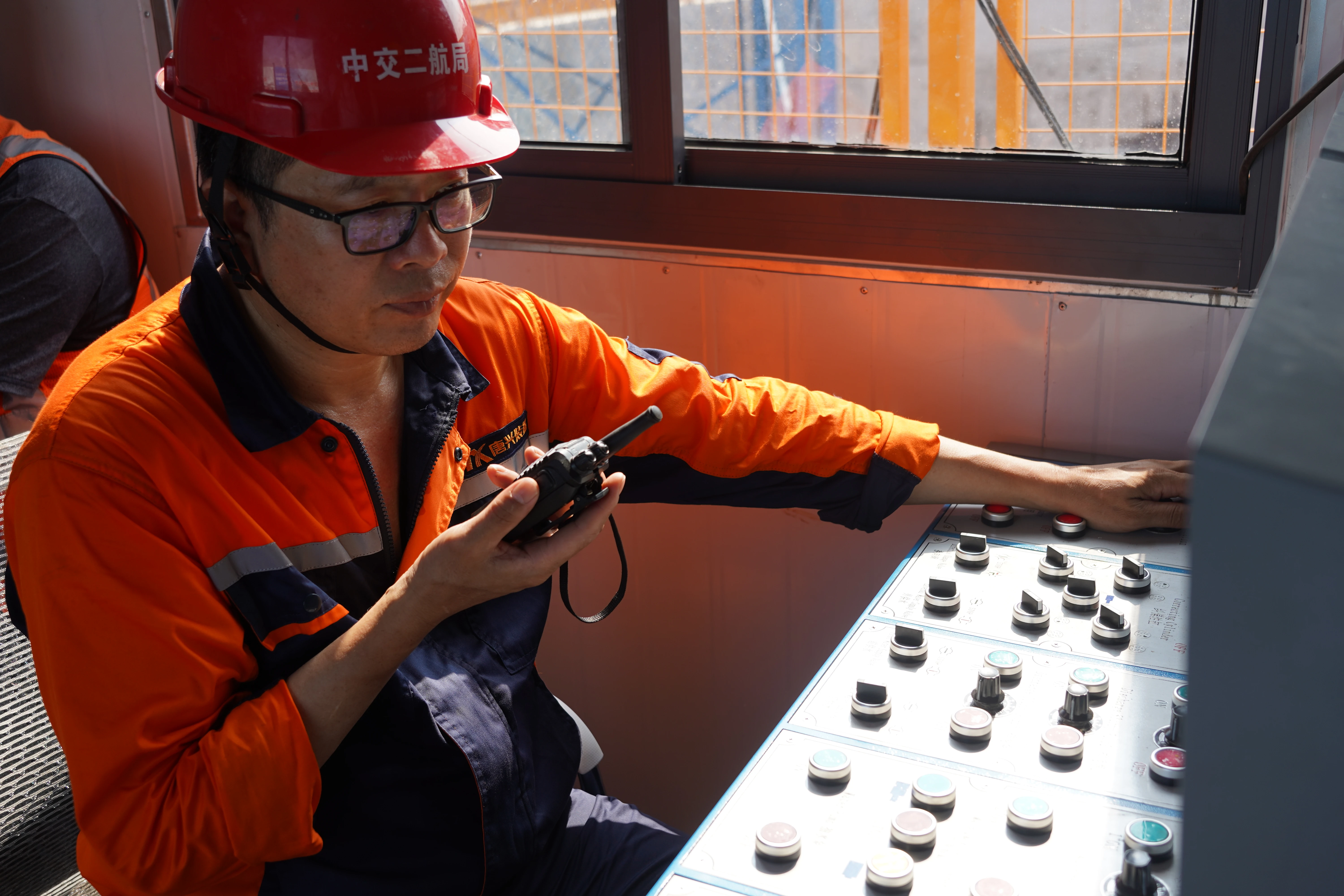
You can lower risks by watching grout injection pressures during tunneling. TBM data loggers record flow, pressure, and volume for each grout line. These tools let you check how much grout you put in compared to the space behind tunnel segments. If pressure goes up but grout flow stops, there could be a blockage. Calibrating your equipment often helps you get correct readings. You should check for mistakes in grout take calculations, especially if groundwater changes. Good monitoring keeps pressure just above water levels, usually by 1-2 bar. This helps with safe backfilling and ground improvement.
Prevention and Mitigation Strategies
You can stop grout pressure spikes by using best grouting methods. Mix grout well to make a stable slurry for backfilling. Change control settings if grout volumes are too low. Finding problems early lets you fix them before they get worse. The table below shows important strategies:
|
Prevention Strategy |
Description |
|---|---|
|
Proper Grouting |
Stops ground movement and surface sinking during backfilling. |
|
Monitoring Grout Parameters |
Makes sure you use the right amount and quality in high-pressure work. |
|
Early Issue Identification |
Data systems warn you about problems in high-pressure grout lines. |
|
Adjusting Control Settings |
Keeps grout mixing and pressure safe. |
|
Overcoming Hydrostatic Pressures |
Keeps grout injection pressures above groundwater for good backfilling. |
You should always follow CEGC’s rules for safe building. Their knowledge of slurry transport and high pressures helps keep tunnels and the ground safe.
You need to keep grout pressure steady in TBM tunneling. This helps stop the ground from lifting up. Use tools to check pressure and know why spikes happen. These steps help protect people and buildings:
-
Check if the ground moves to pick safe ways.
-
Use compensation grouting to stop the ground from sinking.
-
Fix things early before trouble starts.
FAQ
Is micro tunneling always more expensive than open cut?
You may pay more upfront for micro tunneling. You often save money on indirect costs like road repairs and traffic control.
What tunnel lengths are too short for a Microtunnelling Machine?
You should use open cut for pipe runs under 20 meters. Mobilizing a Microtunnelling Machine does not make sense for very short crossings.
How long does micro tunneling setup take?
You can expect setup to take several days to a few weeks. The time depends on your site, machine size, and ground conditions.


