
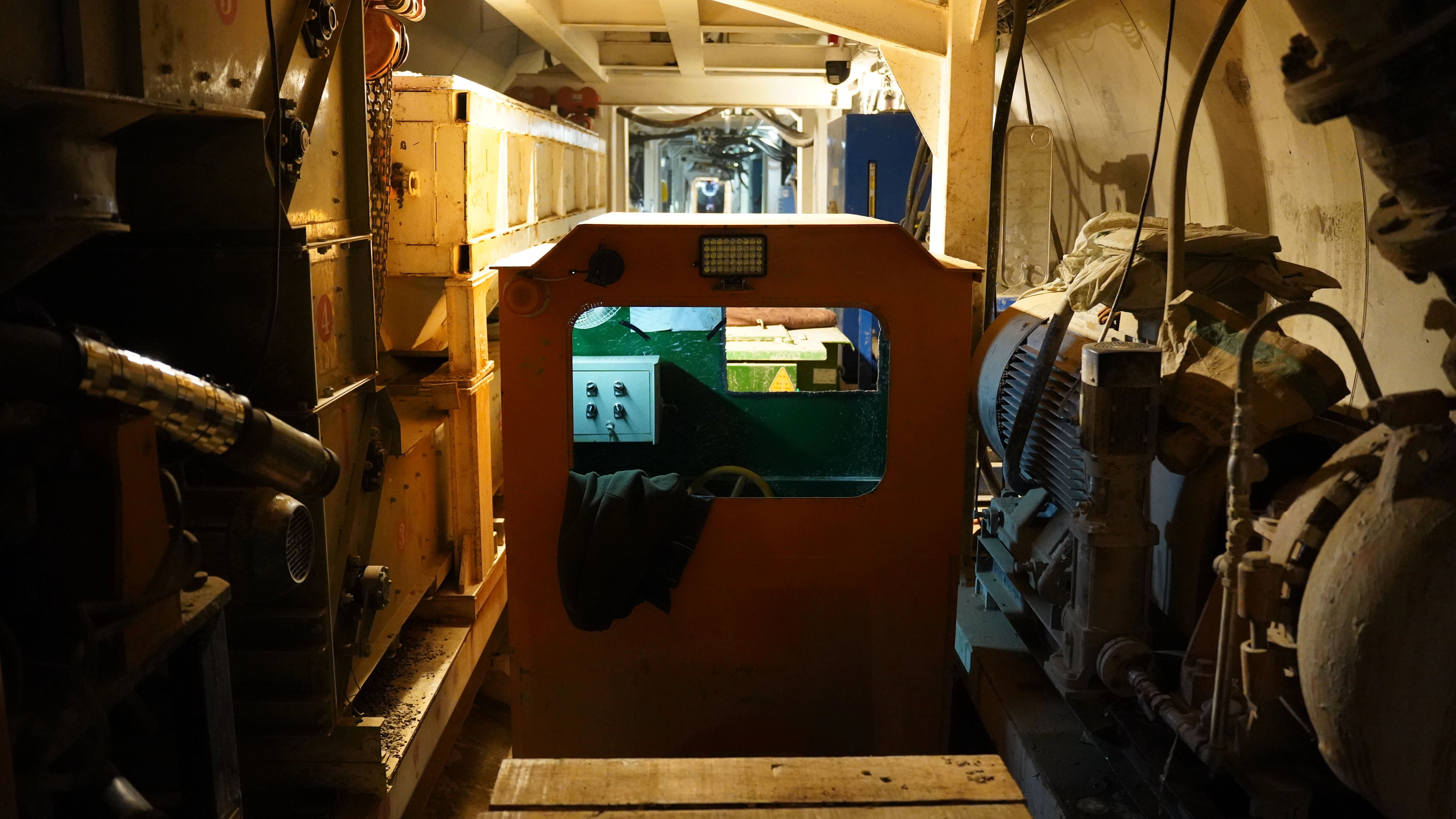
Clogging in micro tunneling is a significant issue that can compromise the effectiveness and safety of tunnel drainage systems. Fortunately, a chemistry response keeps micro tunneling from clogging, addressing the problem effectively. Clogging can arise from biological factors or chemical reactions. CEGC implements specialized strategies to manage clogging and enhance the performance of tunnel boring machines.
Key Takeaways
-
Micro tunneling can clog from biological growth or chemical reactions. Checking often helps stop these problems.
-
Biocides like chlorine and copper can control biological clogging well. Pick the best biocide for your project.
-
Eco-friendly solutions like ultrasonic cleaning and biodegradable agents help the environment. They also keep the tunnel working well.
Types of Clogging

Biological Clogging
Biological clogging happens when bacteria or algae grow in the tunnel drainage system. These organisms make sticky layers that can block water from moving. Warm and wet places make biological clogging worse. When you use a tunnel boring machine, this clogging can slow down water flow. It also means you need to do more maintenance. If water backs up, it can make the floor slippery and unsafe. You should watch for biological growth to keep the tunnel drainage system working well.
Chemical Clogging
Chemical clogging happens when minerals and other compounds build up inside the tunnel drainage system. This problem is common in clayey soils. Clay particles can stick to tunnel boring machines, especially if the soil is wet or has a lot of clay. Montmorillonite is a type of clay that makes things stick even more. Chemical clogging can cause material to stick to auger boring machines and cutting heads. This means you have to clean them more often. It also makes the machines work less efficiently and causes more downtime.
Chemical clogging usually happens because of calcium carbonate crystallization. When groundwater touches the tunnel, ions in the water react and make solid deposits. These solids block pipes and stop water from draining. Calcium carbonate and magnesium deposits are common problems. Iron sulfide, lime, and gypsum can also cause clogging. Salt crystallization can happen in dry areas, making chemical clogging worse.
|
Chemical Compound |
Description |
|---|---|
|
Calcium Carbonate |
Makes solid pieces that block drainage systems. |
|
Magnesium Deposits |
Build up and add to chemical clogging in micro tunneling. |
|
Iron Sulfide |
Forms solids that can block drainage and geotextile envelopes. |
|
Lime |
Mixes with other things to make blockages in drainage systems. |
|
Gypsum |
Helps form solids that lower how well water can move through. |
You should check groundwater chemistry often, especially in the first years after building the tunnel. This helps stop clogging and keeps the tunnel boring machine working well.
Chemistry Response in Micro Tunneling
Biocides for Biological Clogging
Biological clogging happens when bacteria and algae grow in tunnels. These organisms make sticky layers that block water. Biocides are used to stop this problem. Biocides help stop biofilms from forming. This lowers the chance of clogging. Picking the right biocide is important for each project. Glutaraldehyde is often used. Chlorine and copper are good choices too. You can add chlorine at 1-2 ppm all the time. Or you can use 10-20 ppm for short times.
|
Treatment Type |
Description |
|---|---|
|
Biocides |
Chlorine and copper help control biological clogging. |
|
Chlorine Levels |
Use 1-2 ppm all the time or 10-20 ppm sometimes. |
You need to watch how much biocide you use. How well it works depends on the bacteria and the place. Always check for risks to the environment.
Tests show sodium lauryl ether sulphate (SLES) can harm soil and water. You must use biocides carefully to keep the environment safe.
A chemistry response helps stop clogging in micro tunneling by using biocides safely.
pH and Inhibitors for Chemical Clogging
Chemical clogging happens when minerals like calcium carbonate and iron build up. Chemical treatments can stop these deposits from forming. Lowering the pH to 7.0 or less helps stop lime scaling. For iron, you can pump water into a pond so solids settle. Phosphonate products help manage iron clogging. Triton X-100 is an inhibitor that works for calcium carbonate. Using 1% Triton X-100 makes the structure better and reduces clogging.
|
Inhibitor Type |
Concentration |
Yield of Calcium Carbonate |
Structural Density Improvement |
UCS Improvement |
Contact Angle |
Dust Suppression Effect |
|---|---|---|---|---|---|---|
|
Triton X-100 |
1% |
21.83% |
Improved |
15.63% |
22° |
Excellent |
You should use chemical treatments as part of regular care. Always check water quality and change your plan if needed. A chemistry response stops clogging by using the right inhibitors and pH controls.
Eco-Friendly and Innovative Solutions
Eco-friendly choices help lower the impact of chemical treatments. New products like biodegradable foaming agents protect the environment. Sika® Stabilizer TBM foaming agents make soil better and help tunneling. Ultrasonic cleaning is another good method. It removes dirt without adding more chemicals. This is safer than acid cleaning, which can be risky.
-
Ultrasonic cleaning takes away dirt without new chemicals.
-
Acid cleaning works but can be dangerous.
Studies show ultrasonic cleaning with oxalic acid can remove up to 91% of fouling. You must be careful with acids to avoid harm. A chemistry response uses both old and new ways to stop clogging.
You can also try new anti-clogging products. Microbially induced calcite precipitation (MICP) can cut water leaks by over 94%. This uses bacteria to make minerals that block leaks. Regular checks and cleaning are important. Studies show up to 40% of maintenance costs are from clogging. Using the right chemistry response can lower these costs.
Tip: Always check for organic matter and changes in water quality. These can make clogging worse and affect how well treatments work.
A chemistry response keeps micro tunneling from clogging by using safe products, regular checks, and new technology. CEGC can help protect your tunnel drainage system and keep machines working well.
You can keep your tunnel drainage system safe by using chemistry responses to stop clogging. Smart sensors help you find problems quickly and protect workers. Here are some easy ways to stop clogging:
|
Recommendation |
Description |
|---|---|
|
Stops the machine from getting stuck and losing ground |
|
|
Use of engineered slurries |
Makes the tunnel face strong and helps parts move easier |
|
Minimize cutterhead opening ratio |
Makes it less likely for the chamber to get jammed |
If you follow these steps, you will have less clogging and your micro tunneling project will work better.
FAQ
What causes clogging in a tunnel drainage system?
Clogging happens when minerals or bacteria build up. These things block water from moving through the system. When this happens, the tunnel drainage system does not work as well.
How do you keep a tunnel drainage system clear?
You can use biocides and chemical treatments to help. It is important to check the system often for problems. Doing this helps keep the tunnel drainage system working right.
Why is a tunnel drainage system important for safety?
A tunnel drainage system moves water away from tunnels. This helps stop flooding and keeps workers safe during micro tunneling.


