
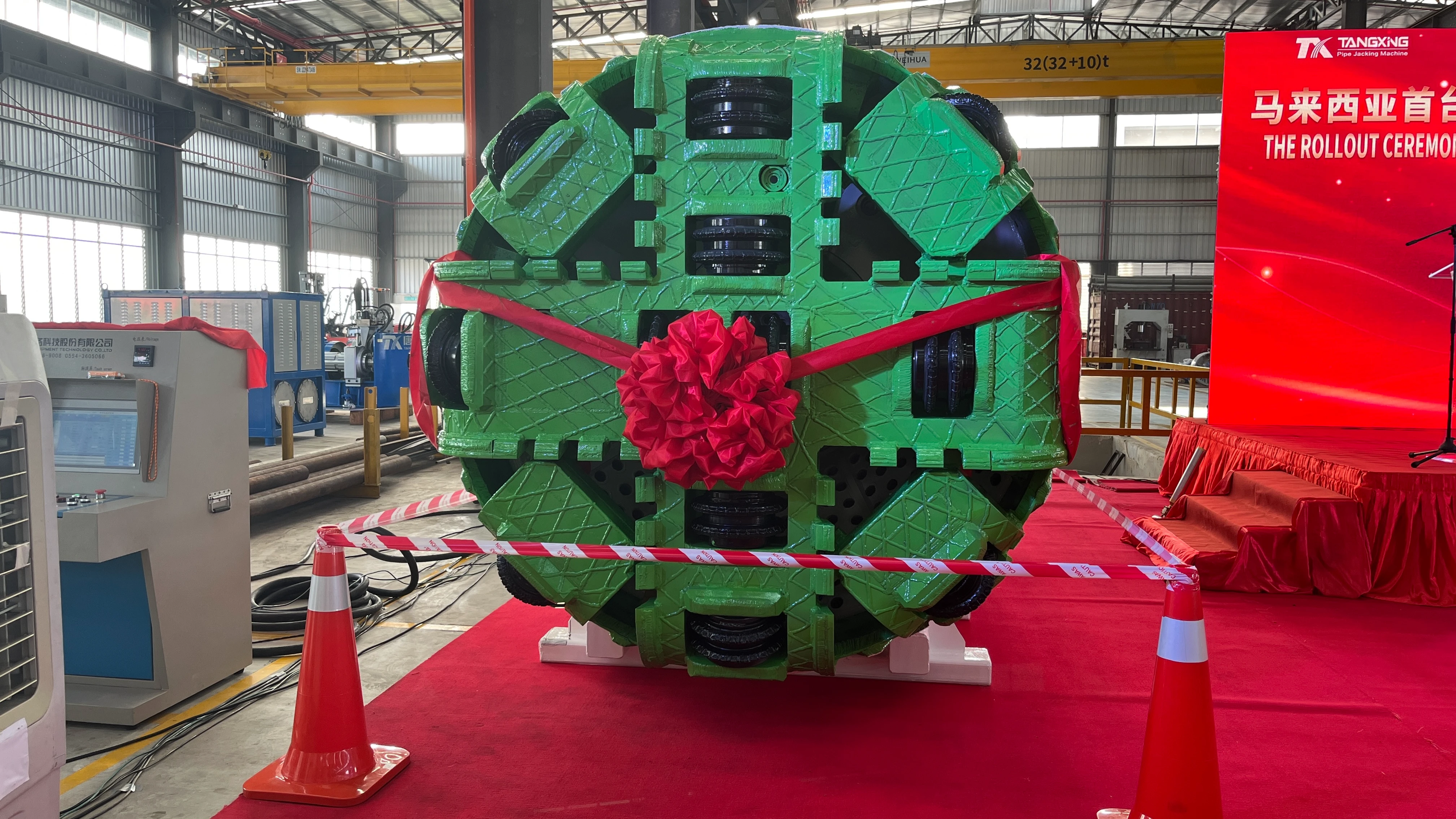
When utilizing tunnel boring machines in varying ground layers, significant challenges can arise. Mixed strata can trigger claims on TBM tunnel packages, as the ground may shift unexpectedly and catch you off guard. CEGC prioritizes safety in every tunnel machine design to ensure the well-being of your team and maintain a secure working environment.
Key Takeaways
-
Mixed strata can bring surprises in tunneling work. You should get ready for changes in soil and rock layers. This helps stop delays and keeps equipment safe from harm.
-
Do careful site checks to find mixed strata early. This helps you plan better and lowers the chance of ground loss. It also helps keep people safe from accidents.
-
Use contracts that can change if mixed strata appear. Make sure risk-sharing deals are clear. This stops fights and helps control costs well.
Mixed Strata Challenges in TBM Tunneling
What Are Mixed Strata?
Mixed strata happen when soil and rock layers change fast. These layers can be soft clay, hard granite, sand, or a mix. The tunnel boring machine may not work the same in each layer. For example, the DTSS project in Singapore had hard granite mixed with soil. This caused the cutters to wear out and slowed digging. When moving from hard rock to soft soil, the machine can shake and lose balance. The tunnel face can change, which affects digging speed.
-
Mixed strata can cause:
-
Vibrations and uneven force on the TBM.
-
Sudden changes in digging speed.
-
More cutter wear and maintenance.
-
How Mixed Strata Affect TBM Operations
Mixed ground can make the TBM face pressure uneven. This can cause the tunnel face to become unstable. Weaker parts may be over-dug, leading to collapse and surface sinking.
You need to pick the right cutting tools for each layer. Using the wrong tool can break it and cause ground loss. You might see:
-
Ground loss in certain spots while tunneling.
-
Trouble keeping the tunnel face steady.
-
Too much wear on cutting tools.
Safety and Equipment Concerns
Mixed strata make safety risks higher. You could see collapse, surface sinking, or mud and water coming in. These problems happen because ground changes quickly, face pressure is uneven, or there are faults. Some projects have many strata changes in a short space, which makes accidents more likely. CEGC builds tunnel machines to meet safety rules and adds features to help control risks. Advanced monitoring and emergency systems help keep your team safe.
|
Key Findings |
Implications on TBM Cutterhead Wear Rates |
|---|---|
|
Disc cutters wear unevenly in soft strata. |
This makes operations harder and increases wear. |
|
More force in hard strata makes tools resist more. |
This wears tools faster and makes rock breaking harder. |
How Mixed Strata Can Trigger Claims and Increase Risk
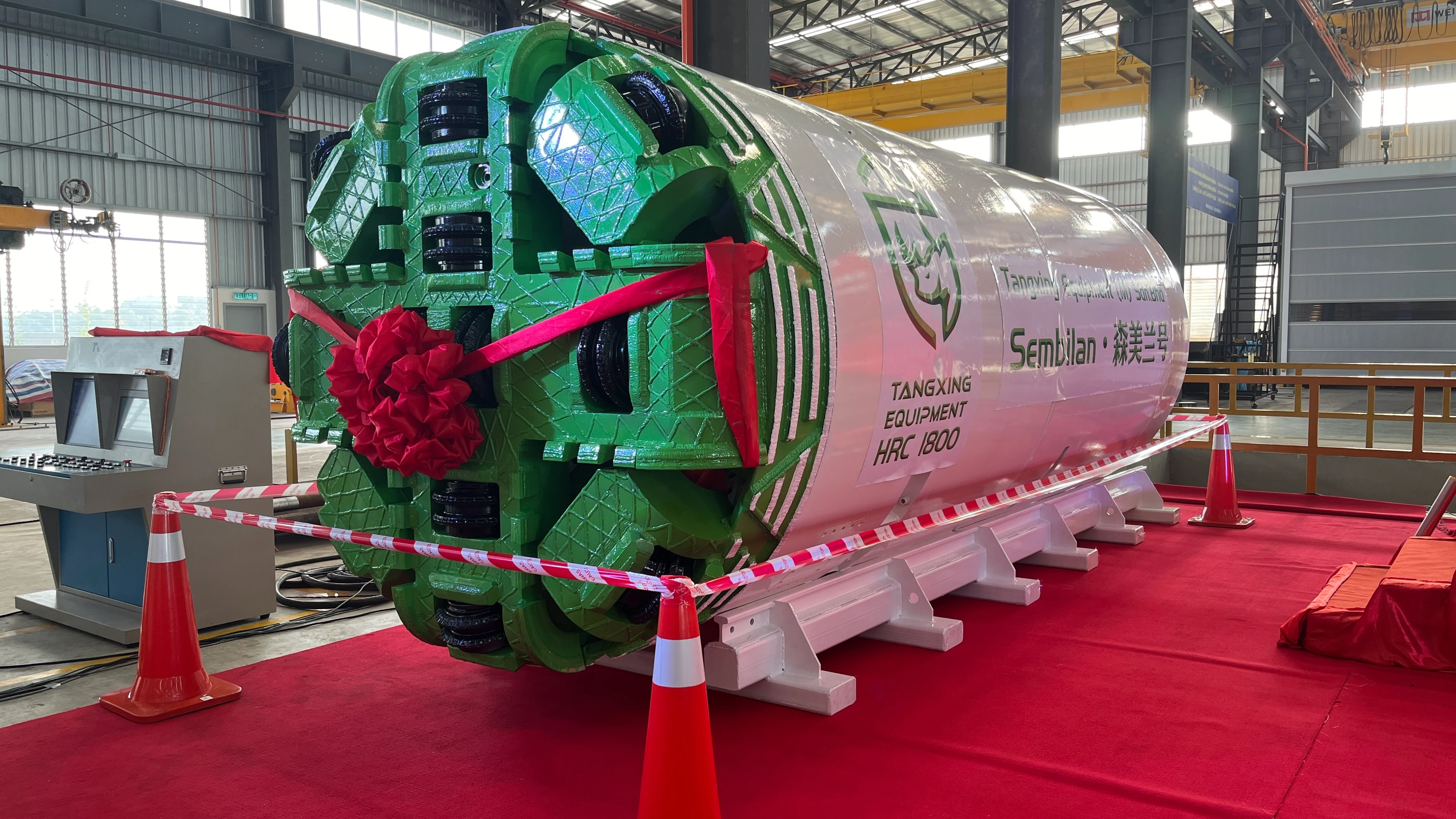
Claims Risk Mechanisms
When you dig tunnels in mixed strata, you face many risks. These risks can cause claims and arguments. Mixed strata can trigger claims on TBM tunnel packages because the ground changes fast. Sometimes, soil or rock falls away from the tunnel face. This is called loss of ground. It can make the surface sink and damage buildings above. You must watch the ground closely to stop subsidence and lower losses.
Soil moving is a main reason buildings get damaged. Surface sinking changes as TBM keeps digging. The effects of surface settlement from TBM work are hard to figure out and predict. So, you must check and control the ground all the time during TBM work. This helps you get subsidence information right away. It gives you enough time to fix problems and stop losses.
Mixed strata can trigger claims on TBM tunnel packages because you may need to stop the tunnel boring machine. Stoppages happen when the machine hits hard rock or soft soil. You may need to fix equipment or change tools. These stoppages make risk higher and cause delays. You may also see loss of ground, which can lead to flooding or collapse. Equipment damage is common in mixed strata. You must replace worn cutters and fix broken parts. Safety incidents can happen if the tunnel face becomes unstable. You must protect workers from sudden changes in the ground.
Typical Claim Scenarios
You may see many claim situations in TBM tunnel projects. Mixed strata can trigger claims on TBM tunnel packages when you find unexpected ground. You may see loss of ground in soft soil, which makes the surface settle. You may need to fix roads or buildings above the tunnel. You may also see claims for equipment damage. When the tunnel boring machine hits hard rock, cutters wear out fast. You must replace them often, which costs more.
-
TBM stoppages from mixed strata can make tunneling harder and cause big delays.
-
Poor site checks can lead to unknown ground, which makes design and building harder.
-
The industry has seen big insurance claims and contract fights because of cost overruns from unknown ground.
You may see claims for delays. Mixed strata can trigger claims on TBM tunnel packages when you must stop work to fix equipment or deal with loss of ground. You may also see claims for safety incidents. If the tunnel face collapses, you must protect workers and fix the damage. You may see claims for cost overruns. Mixed strata increase risk and make it hard to finish the project on time and within budget.
Contract and Risk Allocation Issues
You must look at contract rules when tunneling through mixed strata. Mixed strata can trigger claims on TBM tunnel packages because risk is hard to guess. You may see fights about who pays for loss of ground or equipment damage. Contracts must say how to share risk between the owner and the contractor. If the contract does not cover mixed strata, you may see claims for extra costs.
You must use flexible contracts to handle risk. You may need to change the design or use new tools when you face mixed strata. You must agree on how to handle delays and cost overruns. You may also need to agree on how to watch the ground and control loss of ground. Mixed strata can trigger claims on TBM tunnel packages when contracts do not explain risk sharing. You must work with everyone to stop fights and finish the project safely.
Managing Claims Risk in Mixed Strata Projects
Site Investigation and Early Identification
You must check the site well to find mixed strata early. This helps you make a clear ground plan and manage risks. Use geophysical screening and surface wave profiling to learn about soil and rock. These tools show how stiff the ground is and help you spot weak spots or water before digging starts.
|
Technique |
Benefits |
|---|---|
|
Geophysical Screening |
Gives soil and rock info along lines or over the whole area. |
|
Surface Wave Profiling |
Checks geotechnical properties in place down to 30 meters. |
|
Interferometric Surface Waves |
Looks deeper for ground stiffness, past 100 meters. |
|
Risk Assessment |
Helps lower risks before TBM planning at less than 50 meters. |
Finding problems early lowers risk. It helps you stop collapses and big settlements. You can write down strange things and use this for insurance and claims.
Flexible Contracts and Risk Sharing
You should use flexible contracts to deal with risk in mixed strata jobs. Contracts must let you change plans and methods if you find new ground. Sharing risk helps control extra costs and delays. You need clear plans for risk and backup plans for who pays for safety and extra costs. This keeps fights low and helps everyone work together.
Best Practices for Risk Mitigation
You can use best practices to lower risk. Calculate face pressure right and keep it steady while tunneling. Put people on the surface to watch for ground or slurry loss. Use warning signs and bunds to act fast. Make weekly sheets to track dangers and target pressures. Safety features in machines, like monitoring and emergency systems, help you manage risk all through the project. Being ready and having backup plans makes things safer and cuts losses. CEGC helps you with advice and tunnel machine solutions that fit your project.
Mixed strata bring big risks to TBM tunnel jobs. You can lower claims if you find ground problems early. Strong site checks help keep the tunnel safe. The table below shows how good support and emergency plans help. These plans reduce settlement and protect tunnels. Work with experts like CEGC for better results.
|
Key Findings |
Description |
|---|---|
|
Tunnel Deformation Pattern |
More settlement happens in the middle. Less settlement is at the ends. This is worse in fault zones. |
|
Support Optimization |
Using new steel, shotcrete, and grouting cuts settlement by over 79%. |
|
Emergency Response |
Quick action stops TBM from getting stuck and stops collapse. |
FAQ
What are the main causes of accidents in underground tunnel construction?
Accidents happen because the ground can move quickly. Water can rush in and cause problems. Gas leaks may happen and are dangerous. Equipment can break and stop working. Tunnel conditions change fast, so you need to pay attention.
How do you manage safety during tunnelling projects with mixed ground?
You check for dangers before starting work. You do regular checks to keep things safe. The tunnel crew needs to have experience. You watch for ground loss in certain spots. Strong support systems help keep the tunnel safe.
What makes tunneling with a TBM safer than other methods?
Workers do not need to be near the tunnel face. TBM machines keep people away from dangerous spots. You can control risks better with TBM. Safety is improved for everyone working in the tunnel.


