
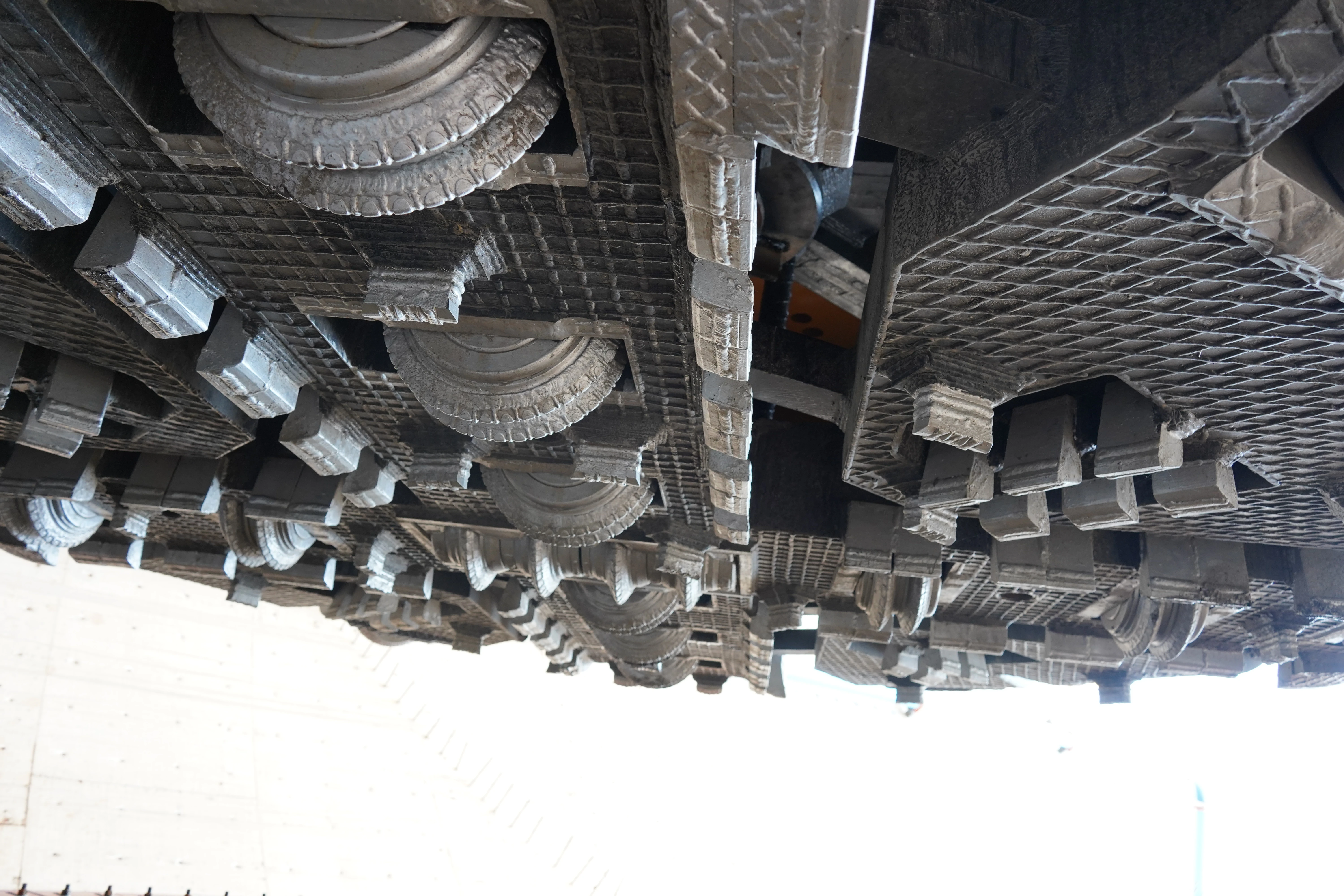
You face a big risk when high thrust with low control gets the TBM machine stuck. If a tunnel boring machine cannot steer or change to different ground, it stops moving forward. In one project, a machine got stuck after only 8 km because it could not handle soft and hard ground at the same time. This problem affects all tunnel machines, like auger boring machines and microtunnelling machines. CEGC helps you balance thrust and control so your project works well. City utilities and trenchless contractors use careful planning and smart systems to stop these problems.
Key Takeaways
-
High thrust without control can cause tunnel boring machines to get stuck. Balance thrust and steering to keep the machine on track.
-
Use guidance systems and real-time monitoring to prevent jamming. These tools help you steer and avoid problems before they start.
-
Regularly check and maintain your TBM. Change worn parts on time to keep the project on schedule and avoid costly delays.
What High Thrust and Low Control Mean in Tunnel Boring Machine Operation
High Thrust in TBM Machines
High thrust pushes the TBM through dirt and rock. Hydraulic cylinders give the force to move the machine forward. Thrust is very important for TBM operation. Engineers look at cutterhead torque and thrust force to pick the best machine. Real-time data systems check thrust numbers and help you do better work. If you use too much thrust and do not control it, the TBM can go off track and parts can wear out faster.
|
Mechanism Type |
Functionality |
Risks of Imbalance |
|---|---|---|
|
Pushes the TBM through different ground with hydraulic cylinders. |
Can make the TBM go off course, wear out parts, or slow the project. |
Low Control and Steering Issues
Control systems keep the TBM on the right path. New machines use lasers and computers to guide them. These systems watch the position, slope, and direction. Automatic steering cylinders turn the machine when needed. Without good control, the TBM can move the wrong way or not work well. Quality control systems check how the digging is going and warn you about problems early.
Thrust and Control Balance
You need to balance thrust and control for safe tunneling. The type of ground changes how much thrust you need. The cutterhead touches the ground, so you need the right force and steering. CEGC lets you pick special thrust and control systems. You can get strong cutting heads for hard rock, earth pressure balance for soft ground, and automatic checking systems. Navigation systems help you stay on the right path. Real-time checks let you fix problems and stay safe.
High Thrust with Low Control Gets the TBM Machine Stuck
Loss of Directional Control
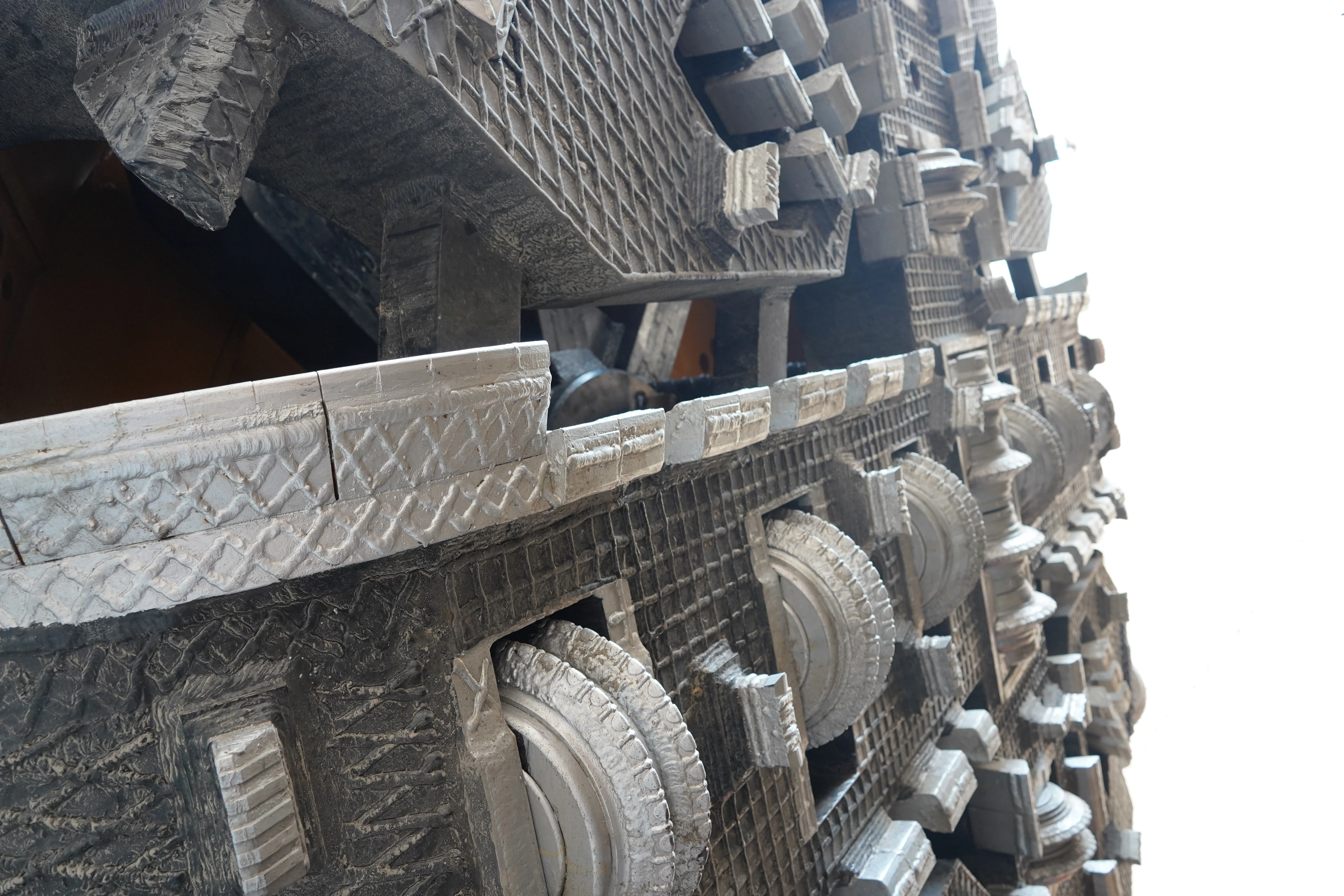
You have a big problem if high thrust and low control make the TBM machine stuck. When you push the tunnel boring machine without enough steering, you cannot keep it going straight. The machine can move away from the planned path. This happens when the shield strain changes fast. Real-time monitoring lets you see these changes before tbm jamming starts. In soft or broken rock, the shield can twist or bend. This makes the machine lose its way and raises the chance of jamming accidents. You need to watch shield strain closely to stop the machine from getting stuck and keep the project moving.
Tip: Use guidance systems to help the TBM stay on track. Automated controls help you steer and avoid jamming.
Jamming and Shield Friction
High thrust with low control makes the TBM machine stuck because friction grows between the shield and the rock. If you push too hard, the shield presses against the ground. Weak spots and fallen rock add more pressure. The shield’s size and shape make friction worse. This friction slows the machine and can cause tbm jamming. The machine stops in broken rock areas. The rock around the shield pushes back, making jamming worse. In city projects, the rock often squeezes the shield, which causes more problems and jamming.
|
Cause of Jamming |
Effect on TBM Operation |
|---|---|
|
High shield pressure |
Raises friction, slows advance, causes jamming |
|
Collapsed rock |
Blocks shield, increases risk of standstill |
|
Weak ground zones |
Deforms shield, leads to tbm jamming |
You need to control shield friction to keep the machine moving. Soil conditioning and muck transport systems from CEGC help lower friction and stop jamming.
Ground Variation and Face Instability
High thrust with low control gets the TBM machine stuck when the ground changes fast. Mixed-face ground makes tunneling harder. You see the machine slow down and parts get damaged. For example, in the Lesotho Highlands water project, the TBM crossed strong diorite dykes. The cutterhead shook and took heavy hits. You had to use less thrust and torque, which slowed the machine. If you do not balance thrust and control, face instability can cause jamming.
-
Mixed ground makes progress slow and cutters break.
-
Fast-moving ground raises shield pressure and causes jamming.
-
Face instability can cause blowouts and water leaks.
You must use closed-mode face support and ground protection systems from CEGC. These systems keep the face steady and control pressure. Soil conditioning helps you handle spoil and stop jamming. Guidance systems let you steer the machine and keep it on the right line. Wear management plans make cutters last longer and reduce downtime. Automated controls and BIM help you plan better and find problems early.
Note: Check the machine often and change cutters on time to stop uneven force and keep the project on schedule.
High thrust with low control gets the TBM machine stuck in many real projects. The Yellow River Diversion Project in China had tbm jamming because the ground moved fast and shield pressure was high. An inter-layer shear zone made the shield jam. You should learn from these cases and use CEGC’s solutions to stop jamming and keep your tunnel machine working.
Consequences and Prevention for Tunnel Boring Machine Projects
Project Delays and Costs
If your tunnel boring machine gets stuck, your project slows down. You may wait months or even a year for the machine to move again. In King County, two TBMs stopped for nine months and more than a year. The Brightwater project spent 24% more money because of these issues. The finish date changed and moved to 2013. Out of 40 cases, 30% of TBMs got stuck. This shows that getting stuck happens often and costs a lot.
-
Stuck machines make projects take longer.
-
Costs go up fast.
-
Owners and workers lose more money.
Balancing Thrust and Control
You can stop machines from sticking by balancing thrust and control. Use smart steps to keep your tunnel machine safe. The table below lists good ways to do this:
|
Strategy |
Description |
|---|---|
|
Optimize thrust and cutterhead speed |
Change these to fit the ground and stop sticking. |
|
Use advanced machine features |
Multi-speed drives and shield shapes help with different soils. |
|
Train operators and maintain machines |
Skilled teams and good care lower the chance of jamming. |
You can also use multi-speed cutterhead drives and shield lubrication. These tools help you deal with changing ground and stop the machine from getting stuck.
Monitoring and CEGC Solutions
You need a system that checks the machine all the time. Alarms and sensors warn you before jamming starts. These systems collect data and help you make smart choices. CEGC gives you guidance systems, soil conditioning, and special cutterhead designs. You can pick tool types, thrust force, and soil additives for your ground. This lowers your risk and keeps your tunnel boring machine working well.
Tip: Use remote checks and regular inspections to keep your project safe and avoid delays.
High thrust and low control can make your tunnel boring machine get stuck. You must keep things balanced and check the machine all the time to stay safe. CEGC gives you tools and help so you do not lose time. Many jobs work well with special support, like Boyer, Inc. and BTrenchless. You can ask for help with your next tunnel machine project.
-
Boyer, Inc. kept working with fast help.
-
BTrenchless finished 20 years of micro tunnel jobs.
-
Total Trenchless Ltd. solved problems using new technology.
FAQ
What causes a TBM machine to get stuck?
You push too hard without enough control. The shield jams in weak or mixed ground. Friction grows and the machine cannot move forward.
How can you prevent TBM jamming?
-
You balance thrust and control.
-
You use guidance systems and soil conditioning.
-
You check the machine often and change worn parts.
What solutions does CEGC offer for stuck tunnel machines?
|
Solution |
Benefit |
|---|---|
|
Guidance systems |
Keep your machine on track |
|
Soil conditioning |
Lower friction and stop jamming |
|
Custom cutterhead design |
Reduce wear and downtime |


