
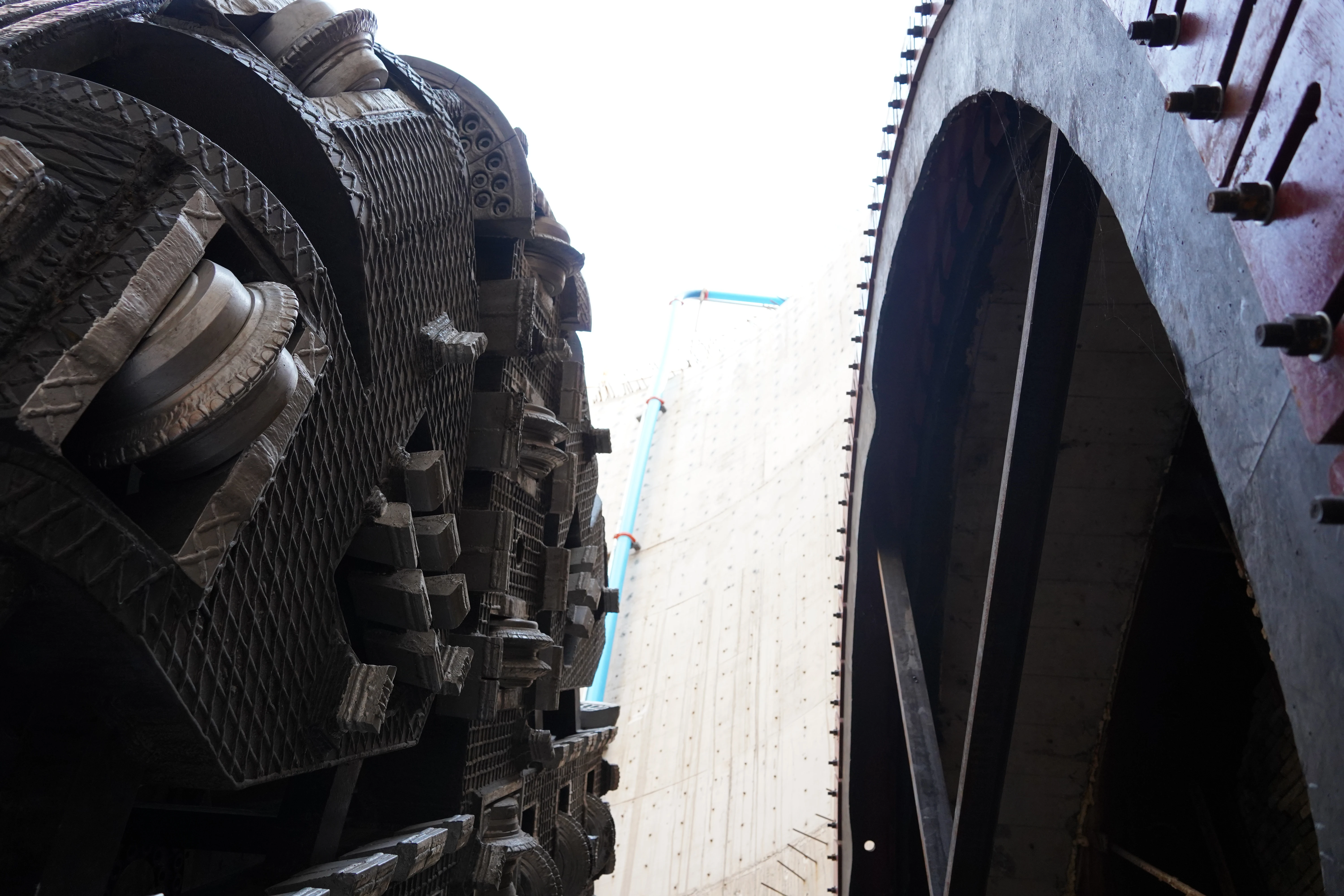
You must use the same force to push pipes underground. Micro tunneling thrust planning avoids sudden pipe buckling, allowing you to control the pressure applied and its direction. Effective thrust calculations and monitoring during operations ensure the safety of the pipes. CEGC provides support for your tunnel machine projects, helping you maintain pipe integrity through careful planning.
Key Takeaways
-
Micro tunneling thrust planning stops pipe buckling. It does this by making sure force is spread out during installation.
-
Real-time monitoring lets workers make quick changes. This helps keep the pipe straight and stops expensive errors.
-
Good planning before the project and checking the site are very important. These steps help find risks and make sure the project works well.
understanding pipe buckling in microtunneling
what causes pipe buckling
Pipe buckling happens when the force on a pipe gets too strong or is not spread out evenly. This can happen if thrust is not watched closely or if the ground moves around the pipe. Sometimes, the soil is very soft or very hard, and this changes how the pipe moves underground. The kind of pipe and its coating are important too. Some coatings make more friction with the soil, so the pipe does not slide easily. If there is too much friction, the pipe might bend or buckle.
Here is a table that shows how soil and pipe properties affect buckling:
|
Evidence Description |
Key Insights |
|---|---|
|
Pipe-soil interaction significantly affects the maximum axial force in pipelines. |
This interaction influences the susceptibility to buckling and end expansion, indicating that soil conditions are critical in design assessments. |
|
The pipe-soil interface friction is crucial in controlling the critical buckling threshold. |
Variations in friction due to different pipe coatings can significantly affect the stability of pipelines under axial loading conditions. |
risks and consequences for projects
If you do not plan for these problems, pipe buckling can stop your project. Pipes that buckle might break or leak, which can slow down your work and cost more money. You may have to dig up the pipe and do the job again. This can also cause claims or fines, especially in busy cities. Micro tunneling thrust planning helps stop sudden pipe buckling by keeping the force even and the pipe straight. When you plan carefully, you protect your project from mistakes that cost a lot and help your work finish on time.
micro tunneling thrust planning avoids sudden pipe buckling
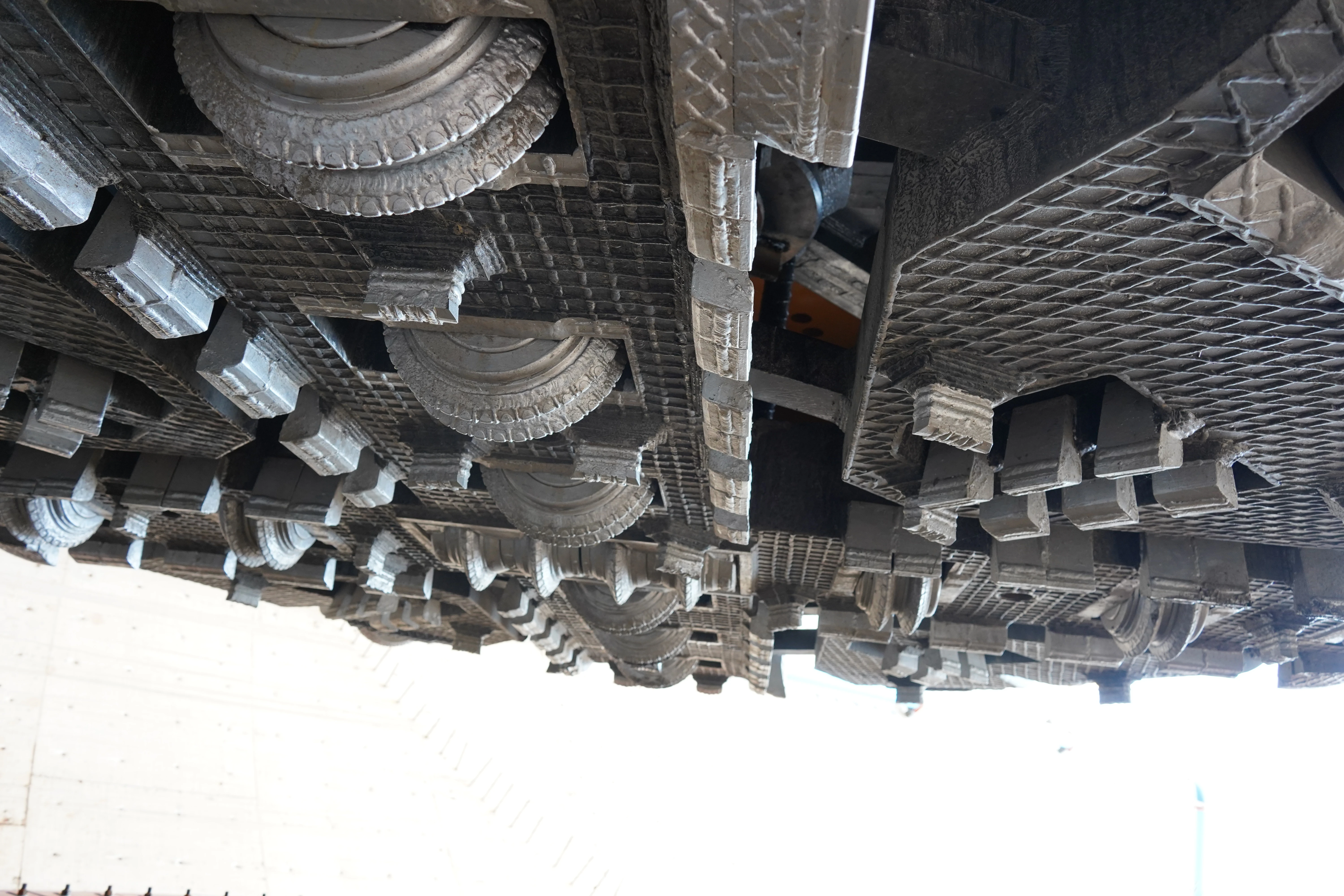
how thrust is applied and controlled
You must push pipes with the same force everywhere. Micro tunneling thrust planning keeps the pressure balanced so pipes do not buckle. You can use Earth Pressure Balanced TBM and thrust blocks to help control the force. These tools keep the pipe steady as it moves through the ground. Ground monitoring lets you check for changes near roads or buildings. If you see a problem, you can change the thrust right away.
-
Earth Pressure Balanced TBM keeps soil and water pressure even.
-
Thrust blocks help push pipes without bending them.
-
Ground monitoring protects buildings and roads from harm.
If you do not spread the force evenly, pipes can bend or buckle. Uneven ground or too much pressure can cause big problems. You need to watch for friction between the pipe and the soil. Careful planning keeps the pipe safe and helps your project go well.
role of alignment and support systems
You need to keep pipes straight as you push them underground. Guide rails help line up the pipes during jacking. Laser alignment shows you the path to follow. Thrust rings support the pressure and keep pipes steady. Support frames hold everything in place and stop pipes from moving sideways.
-
Guide rails keep pipes on the right path.
-
Laser alignment helps you follow the planned route.
-
Thrust rings and support frames keep pipes steady and safe.
Using these systems lowers the risk of pipe damage. Micro tunneling thrust planning keeps pipes straight and supported to avoid buckling. CEGC gives you tunnel machine solutions with strong guidance systems. These systems help you avoid mistakes and finish your project on time.
Tip: Always check your alignment tools before you start. Even a small mistake can cause big problems later.
real-time monitoring and adjustment
You need to watch your project as it happens. Real-time monitoring lets you track the line and grade. You can see if the pipe moves off course. If you find a problem, you can fix it right away. Micro tunneling thrust planning gives you instant feedback to avoid sudden pipe buckling.
|
Benefit |
Description |
|---|---|
|
Tracking line and grade helps you tunnel in the right direction. |
|
|
Reduced Risks of Deviation |
Real-time changes help you stay on the planned path. |
|
Proactive Issue Management |
Fast data lets you fix problems quickly and work safely. |
You can collect data on pressure, temperature, and vibration. This information helps you make good choices. CEGC’s microtunnelling machine systems use remote controls and monitoring to keep your project safe. These tools help you manage ground settlement, face instability, and alignment problems. You get better results and fewer delays.
Micro tunneling thrust planning avoids sudden pipe buckling by using even force, strong alignment, and real-time monitoring. You protect your pipes and your project from costly mistakes.
practical steps and case example
pre-project assessment and planning
You need a good plan before you start. First, study the ground with site surveys. Look for soft spots, hard layers, or water problems. Pick the right tunnel machine and support systems for your job. Set up a guidance system and check that all tools work well. Teach your team the project steps and safety rules. Good planning helps you stop mistakes and keeps pipes safe.
Note: Careful planning helps you find risks early. This step is very important for success.
on-site execution and response to variations
You must pay attention while working. The soil can change fast. You need to change your methods to keep the project going well. Here are some best ways to work:
-
Check the guidance system often to keep the Microtunnelling Boring Machine on track.
-
Fix the instruments if you see any mistakes.
-
Teach your team to fix the guidance system quickly.
-
Control the tunnel air to get good laser readings.
You also need to:
-
Watch and control pipe jacking from the control cabin.
-
Keep thrust pressure and slurry balanced with the earth and water.
-
Use the jacking frame cylinders to push with even force.
The El Marsa Desalination Project showed that good planning and quick action when the ground changes can make work faster by 20% and save time.
real-world case: preventing buckling with CEGC solutions
A city utility had a risk of pipe buckling during a tunnel job. They used CEGC’s microtunnelling machine with strong guidance and support systems. The team used micro tunneling thrust planning avoids sudden pipe buckling by watching thrust, fixing alignment, and changing plans for soil changes. The project finished on time with no pipe damage. This story shows how CEGC’s solutions protect your money and help you follow city rules.
Micro tunneling thrust planning stops sudden pipe buckling. It uses smart guidance and real-time monitoring to help. This makes putting in pipes safer and faster. CEGC’s tunnel machines can work for your project. Here is how these features help you:
|
Feature |
How It Helps You |
|---|---|
|
Automated Guidance System |
Keeps pipes straight and safe |
|
Real-Time Monitoring |
Lets you fix problems right away |
FAQ
What is the main reason pipes buckle during micro tunneling?
Pipes can bend if you push too hard or not evenly. Planning the thrust well helps stop this from happening.
How does CEGC help you prevent pipe buckling?
CEGC’s tunnel machines give you strong guidance, real-time checks, and steady thrust.
-
Guidance
-
Monitoring
-
Steady thrust
Why should you use real-time monitoring in micro tunneling?
|
Benefit |
Result |
|---|---|
|
Quick action |
You can fix problems fast |
|
More safety |
You keep the pipe safe |


