
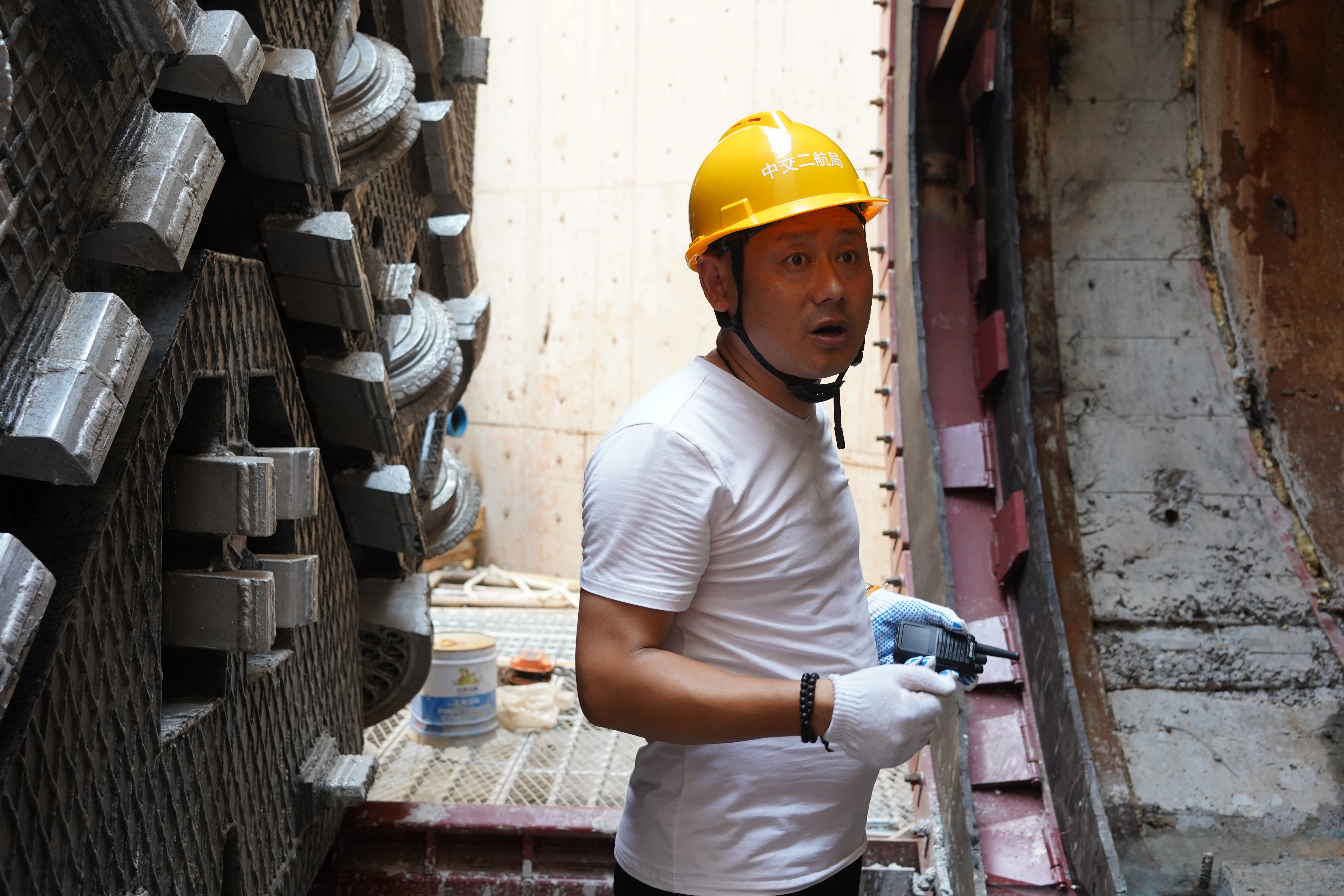
When cobbles impede your progress underground, you experience significant pushback. The thrust margin saves a TBM tunnel when cobbles appear, providing your tunnel boring machine with the additional power needed to continue moving forward. CEGC manufactures machines designed to help you navigate these challenging ground conditions with confidence.
Key Takeaways
-
Thrust margin gives more pushing power to tunnel boring machines. It helps them move past things like cobbles and keeps them going forward. Using thrust-vectoring technology lets workers change the force right away. This makes control better and lowers the chance of getting stuck while tunneling. Checking and fixing thrust levels often keeps the machine working well. It helps stop expensive delays and keeps the project moving as planned.
Thrust margin in tunneling
Definition and function
You need thrust margin when tunneling gets hard. Thrust margin is extra pushing force your tunnel boring machine saves. This force helps your machine keep going when the ground changes or cobbles show up. Thrust margin lets your machine push through tough spots. You can count on it to stop delays and keep your project moving.
Role in TBM tunnel boring machine operations
When you use a TBM tunnel boring machine, thrust margin acts like a safety net. It helps you handle sudden problems in the tunnel. If you do not have enough thrust margin, you might:
-
Get stuck in loose or falling ground while tunneling
-
Dig slower, which makes the project take longer
-
Need to do more work like grouting or probe drilling to make the ground safe
You can see how thrust margin keeps your tunnel job safe from these problems. It gives you confidence to work with different ground types.
Importance for CEGC tunnel machine and microtunnelling machine
CEGC makes tunnel machines and microtunnelling machines with thrust margin in mind. You get good performance and can pick what fits your project. You can choose the right thrust margin for your tunnel job. CEGC helps you match thrust margin to the ground you face. You get steady tunneling and fewer stops. Thrust margin helps you finish your tunnel safely and on time.
Cobbles and tunneling challenges
Increased resistance and stoppage risk
When cobbles show up, tunneling gets harder. Cobbles make it tough for your tunnel boring machine to move. The cutterhead has trouble breaking the hard rocks. The machine needs more force to keep going.
When cobbles and boulders are in the ground, you get a face of wet, loose gravel that water can move through easily. This makes it much more likely for problems to happen, like the excavation chamber getting stuck, the machine needing more power, digging out too much ground, and the machine moving much slower for microtunnel boring machines.
You need to look for signs that the machine might stop. If the cobbles push back too much, the machine can slow down or stop. CEGC tunnel machines help you handle these problems with steady power and good drive control. You can count on the machine to work well, even when cobbles try to block the way.
Impact on cutterhead and advance rate
Cobbles make the cutterhead wear out faster. This means you need to fix or change parts more often, which costs more money. The machine moves slower because it spends more time breaking rocks. You have to plan for more checks and repairs on the cutterhead. CEGC gives you cutterhead choices for different ground types. You can pick the best tools for mixed ground and stop the machine less. This helps you stay on track and avoid surprise stops.
Real-world cobble scenarios
Cobbles are common in big tunnel jobs. These problems happen when you dig through ground with both boulders and cobbles.
-
You might find things you did not expect, like old buildings or natural blocks.
-
The ground can fall in easily and is hard to support while you build.
-
You need to add support quickly to stop the tunnel from failing, breaking, or falling in fast.
CEGC tunnel machines use closed-mode face support and soil conditioning to keep the ground steady. This keeps your tunnel safe and protects your team. You can finish your tunnel with fewer delays and less danger.
Thrust margin saves a TBM tunnel when cobbles appear
Overcoming cobbles with extra thrust
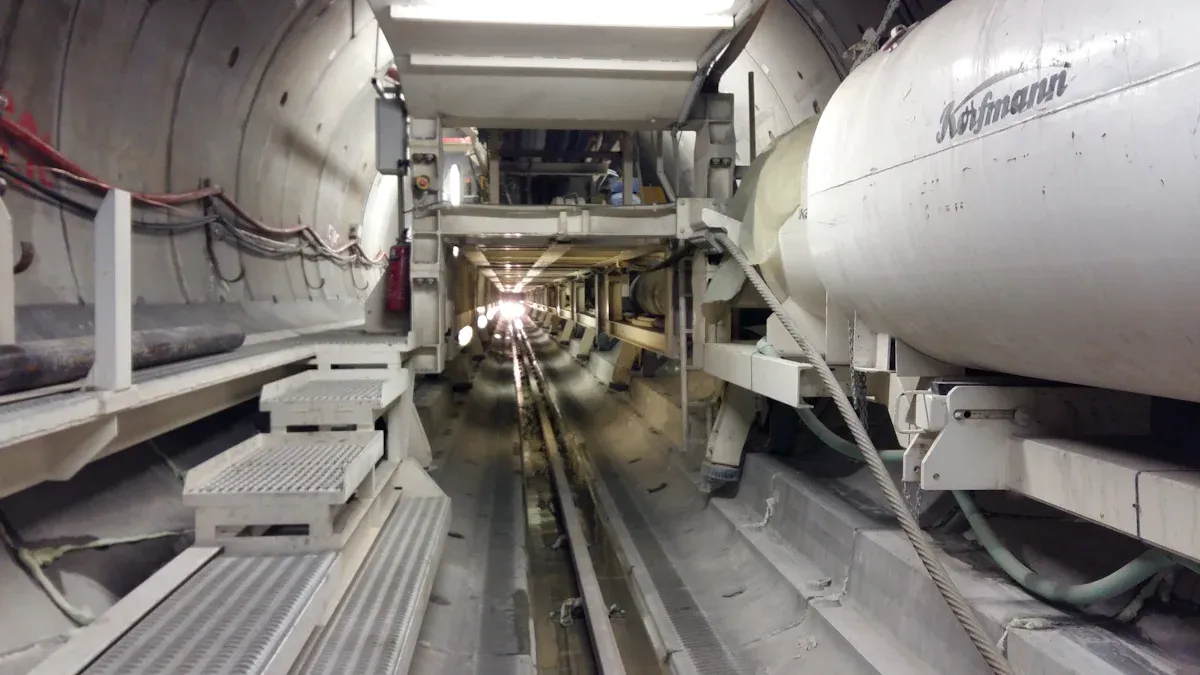
You face a big challenge when cobbles block your tunnel path. Thrust margin saves a tbm tunnel when cobbles appear by giving your tunnel boring machine the extra push it needs. Here is how you use thrust to keep your project moving:
-
You notice the cutterhead slows down as it hits cobbles.
-
You increase the thrust to push the cutterhead through the hard rocks.
-
The extra thrust margin helps break and move the cobbles out of the way.
-
You keep the tunnel boring machine advancing without long stops.
-
You finish the tunnel section safely and on time.
Thrust margin saves a tbm tunnel when cobbles appear because it gives you the power to handle sudden resistance. You do not have to stop and change your plan. You use the thrust margin to keep the cutterhead working. You avoid costly delays and keep your team safe.
Tip: Always check your thrust settings before you start tunneling in cobble-prone ground. Make sure your tunnel machine has enough thrust margin for the job.
Thrust-vectoring automatic shield tunneling technology
You can use thrust-vectoring automatic shield tunneling technology to make your tunneling even better. This technology lets you control the direction and amount of thrust in real time. You can steer the tunnel boring machine with more accuracy. When cobbles appear, you use thrust-vectoring automatic shield tunneling technology to send more thrust where it is needed most.
-
You adjust the thrust to match the ground conditions.
-
You keep the tunnel boring machine on the right path.
-
You reduce the risk of getting stuck or damaging the machine.
Thrust margin saves a tbm tunnel when cobbles appear because you can use smart technology to control thrust. You get better results and safer tunneling.
Optimizing thrust margin for tunnelling success
You want to get the most out of your tunnel boring machine. Here are some ways to optimize thrust margin and make sure thrust margin saves a tbm tunnel when cobbles appear:
-
Choose a tunnel machine from CEGC that matches your project needs. You can customize the thrust margin for your ground conditions.
-
Monitor thrust levels during tunneling. Adjust the thrust if you see signs of high resistance.
-
Train your team to recognize when to use extra thrust. This helps you avoid machine damage and keeps the project on track.
-
Use regular maintenance to keep the thrust system working well.
You can see that thrust margin saves a tbm tunnel when cobbles appear by giving you options and control. You do not have to guess. You use data and technology to make smart choices. CEGC offers tunnel boring machines with customizable thrust margin and advanced features. You get the right thrust for every job.
Note: Thrust margin is your safety net. It helps you finish your tunnel even when the ground gets tough.
You need thrust margin so your tunnel boring machine keeps moving when cobbles block the path. Thrust-vectoring technology lets you steer the shield better. This helps lower ground surface settlement. You protect the ground above and stop it from moving. CEGC gives you tools to handle surface risks and keep ground surface settlement small.
FAQ
What is the shield in a tunnel boring machine?
The shield is used to keep workers safe. It covers the tunnel face and stops the ground from falling in. The shield helps the tunnel boring machine move forward safely. It works well in many types of ground.
How does thrust vector control approach improve shield attitude deviation?
Thrust vector control lets you change the shield’s direction. This helps fix shield attitude deviation. It keeps the shield moving along the right path.
Why is stability control of shield machines important for ground safety?
Stability control stops the ground from shifting. It helps prevent ground loss. This keeps the shield working safely and protects the tunnel.
Tip: Always check for shield attitude deviation. This helps keep the ground safe and the shield working well.
|
Shield Function |
Ground Impact |
Control Method |
|---|---|---|
|
Protects workers |
Lowers ground risk |
Thrust vector control approach |
|
Guides digging |
Keeps ground steady |
Stability control of shield machines |


