
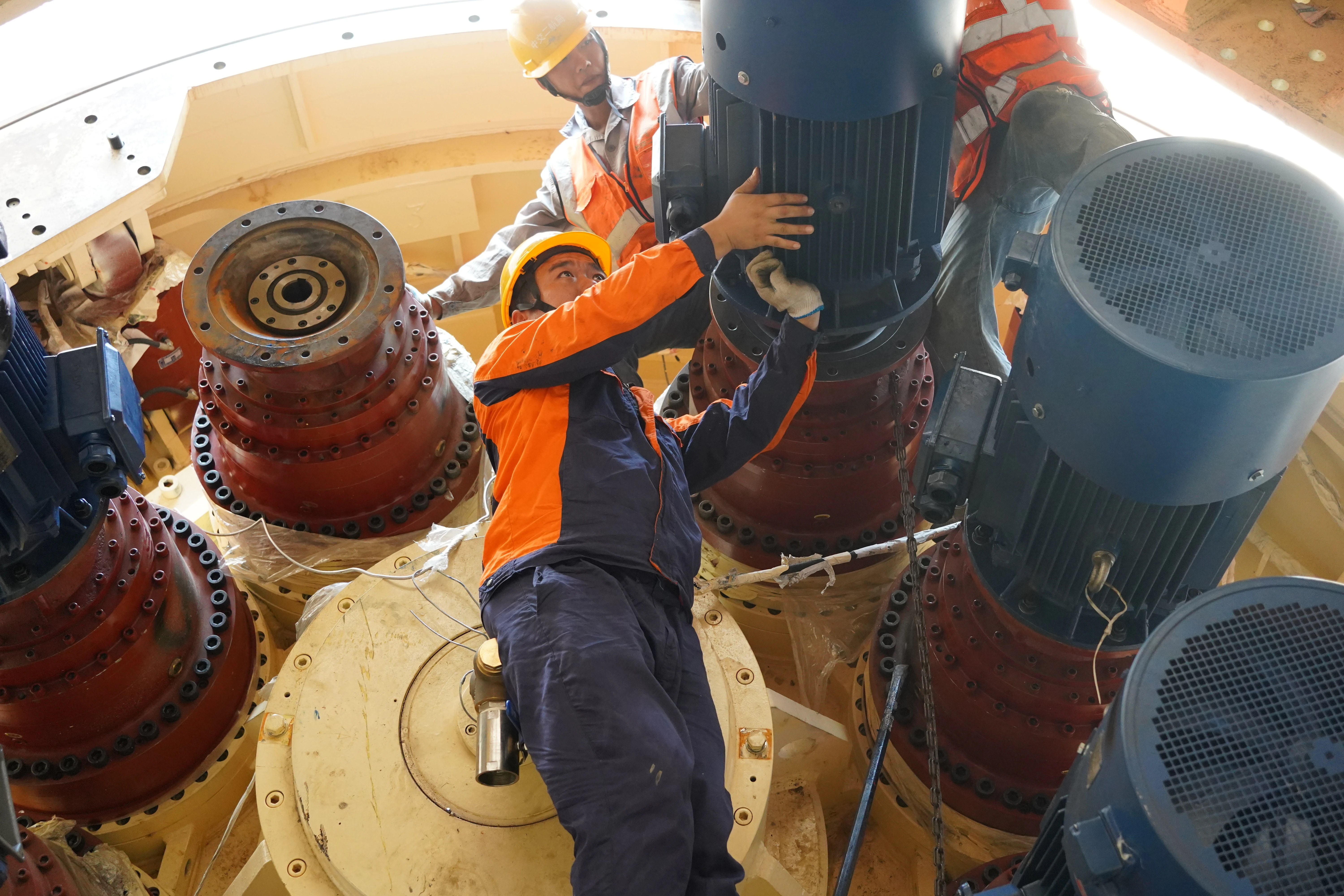
You want the tunnel boring machine to operate efficiently. Micro tunneling thrust control reduces lubrication failures, ensuring smooth operations and minimizing the risk of costly downtime. Many B2B owners and EPC contractors choose CEGC for their projects, benefiting from market-standard specifications that can be customized to meet specific needs.
-
Stakeholders are seeking better equipment that performs reliably, prioritizes safety, and is environmentally friendly.
-
Advanced technology and automation enhance the performance of thrust control systems.
-
As projects become more complex, precise thrust control is essential for successful execution.
Key Takeaways
-
Micro tunneling thrust control makes machines work better. It helps things run smoothly and stops lubrication failures.
-
Automated lubrication systems keep the lubricant moving all the time. This stops machine parts from getting too hot or worn out.
-
Watching thrust pressure and slurry balance in real-time helps make fast changes. This lowers the chance of having lubrication problems.
Thrust Control In Microtunneling
Role Of Thrust In Tunnel Machine Operation
You help control how the tunnel boring machine moves forward. Thrust control means changing the force that pushes the machine ahead. In microtunneling, hydraulic cylinders provide this force. These cylinders must work together so the machine moves smoothly. If you balance the thrust, you stop cracks and keep the tunnel safe. CEGC builds machines with thrust systems you can change. This lets you adjust the force for different ground types without needing new parts. You get better results and lower risk of damage.
Tip: Always check the thrust-torque ratio. This helps you save energy and keep the machine working well, even if the ground changes.
Impact On TBM And Microtunnelling Machine Performance
Thrust control affects every part of microtunneling. When you set the right thrust, you protect the tunnel face and keep the ground steady. The pressure from the cylinders goes into the soil in the chamber. Earth pressure sensors help you watch and change this balance. You also use soil conditioning systems to mix the soil just right. This keeps the tunnel face strong against outside pressure.
|
Aspect |
Description |
|---|---|
|
Thrust Control |
The pressure from cylinders moves the machine and supports the soil. |
|
Face Pressure |
Sensors check pressure to keep the tunnel face balanced. |
|
Ground Protection |
Filling the chamber with soil paste gives extra support. |
|
Soil Conditioning Systems |
Mixing arms knead soil for safety and stability. |
Modern microtunneling machines use laser steering and AI vibration analysis. These tools help you keep the tunnel straight and lower mistakes. You can reach high accuracy and finish projects faster. With CEGC’s solutions, you meet industry standards and keep your project safe and efficient.
Lubrication Failures And Their Causes
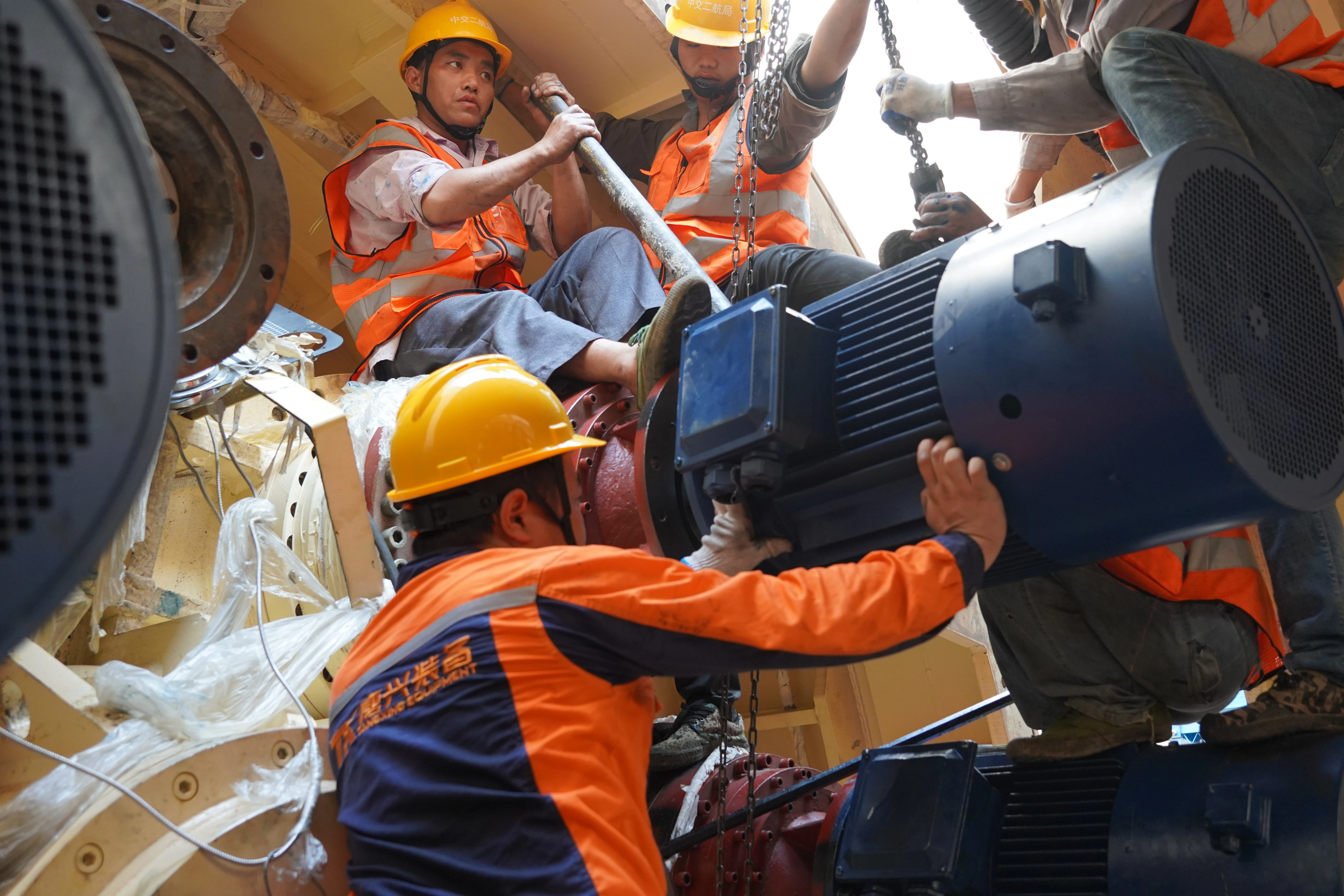
Common Lubrication Issues In Tunnel Boring Machines
It is hard to keep a tunnel boring machine working well. Lubrication problems can stop work and cost more money. The table below lists the most common lubrication issues you might face:
|
Lubrication Issue |
Description |
|---|---|
|
Insufficient Lubrication |
Metal parts touch and wear out. This can make them overheat in certain spots. |
|
Lubricant Degradation |
High heat makes the lubricant get thick or break down. Water can mix in and make it cloudy. |
|
Contamination |
Dust and slurry can scratch parts and cause damage. |
|
Poor Distribution |
Grease does not spread evenly. Some areas get dry and wear out faster. |
These problems often happen if you use the wrong pressure or mix greases that do not work together. If you pick the wrong base oil thickness, your machine parts may not be safe. Hard ground like gravel or boulders can make these issues worse. You should pick the right additives, like bentonite or bentonite-polymer blends, to help the system work better.
Effects On Microtunnelling Machine Performance
Lubrication failures can cause serious trouble for your project. The table below shows how these failures can hurt your work:
|
Impact of Lubrication Failures |
Description |
|---|---|
|
Increased Frictional Forces |
More force is needed to push the pipe. This can break the pipe or hurt things around it. |
|
Operational Inefficiencies |
You may need more jacking stations or shorter drives. This can slow down the job and cost more. |
Pipes can bend or the ground can sink if you do not use enough lubrication. To stop these problems, you can use automated lubrication systems. These systems give grease at the right time and in the right amount. IoT devices help you watch grease levels and know when to fix things. Predictive maintenance uses data to tell you when to add more grease. This helps you avoid stopping work and keeps your machine running well.
Micro Tunneling Thrust Control Reduces Lubrication Failures
Mechanisms Linking Thrust And Lubrication
You can understand how micro tunneling thrust control reduces lubrication failures by seeing how thrust and lubrication work together. When you use the right thrust, the tunnel boring machine moves smoothly. This smooth movement keeps pressure even and helps the lubricant go where it is needed.
-
Automated lubrication systems give a steady flow of lubricant. This stops machine parts from rubbing too much and getting hot.
-
Special equipment lowers resistance as the machine moves forward. Less resistance helps the lubricant do its job better.
-
The force used to push the machine is called jacking force. If you use too much, the lubricant can get squeezed out. If you use too little, the machine might not move.
-
Hose dispenser systems make a barrier that keeps the lubricant in place, even in hard ground.
-
Automatic lubrication plants and jacking stations help keep the right amount of lubricant during long drives.
-
Fuzzy logic steering control systems help steer the machine more accurately. This lowers drag and helps the lubricant stay where it should.
When you control thrust well, the lubricant can protect the machine and tunnel. This is why micro tunneling thrust control reduces lubrication failures and keeps your project on track.
Strategies For Effective Thrust Control
You can do several things to make sure micro tunneling thrust control reduces lubrication failures in your project. These steps help the machine run well and stop expensive problems.
-
Use tooling like triple-wall pilot tubes. These help manage thrust in different soils.
-
Set up lubrication pumping systems. These systems make sure lubricant gets to every part of the machine.
-
Watch thrust pressure and slurry balance from the control cabin. This helps you see if the machine is working right.
-
Inject lubricant, like bentonite slurry, into the gap made by over-cutting. This keeps the tunnel from falling in and helps the lubricant stay in place.
Additives like soil conditioning foams and polymers make the soil easier to work with. These additives help the lubricant spread better and keep the tunnel face strong. You should also manage the pressure in the slurry system. Good pressure management keeps the ground steady and stops the lubricant from leaking out.
Slurry tunnel boring machines use pressurized slurry to balance earth and water at the tunnel face. This balance helps control the ground and keeps the lubricant working well. When you use these strategies, you see that micro tunneling thrust control reduces lubrication failures and makes the tunneling process better.
Tip: Always check your sensors and monitoring systems. Real-time data helps you change thrust and lubrication before problems start.
Real-World Example: CEGC Solutions In Action
A city utility project used a CEGC microtunnelling machine for a long drive under a busy street. The team set up automatic lubrication plants and used advanced thrust control. They watched thrust pressure and changed lubricant flow in real time. The project finished early. There were no big lubrication failures, and the tunnel boring machine stayed in great shape. This shows how micro tunneling thrust control reduces lubrication failures and helps you finish projects successfully.
You can see that micro tunneling thrust control helps tunnel machines work better. It also lowers problems with lubrication. The table below shows what happened in a real project:
|
Project Milestone |
Thrust Force |
Advance Rates |
Navigation |
Emergency Extraction |
|---|---|---|---|---|
|
Dutch railway crossing |
124m/10hr |
Accurate |
Pipe thruster used |
Here are some tips you can use to do well:
-
Use the right lubrication to make things less slippery.
-
Control skin friction by using bentonite systems.
-
Put in anti-roll parts for small tunnels.
-
Pick automated bentonite lubrication.
CEGC gives you equipment that meets market rules and can be changed for your needs. If you pick CEGC machines, you get the best results for your tunnel boring jobs.
FAQ
How does thrust control help prevent lubrication failures?
You keep the machine moving smoothly with proper thrust control. This stops too much pressure on parts. Lubricant stays in place and works better.
What signs show lubrication problems in a tunnel boring machine?
You may see higher friction, strange noises, or slower progress. Watch for warning lights on your control panel. These signs mean you need to check lubrication.
Can you adjust thrust control for different ground types?
Yes! You can change thrust settings for soft or hard ground. This helps your tunnel machine work safely and keeps lubrication working well.


