
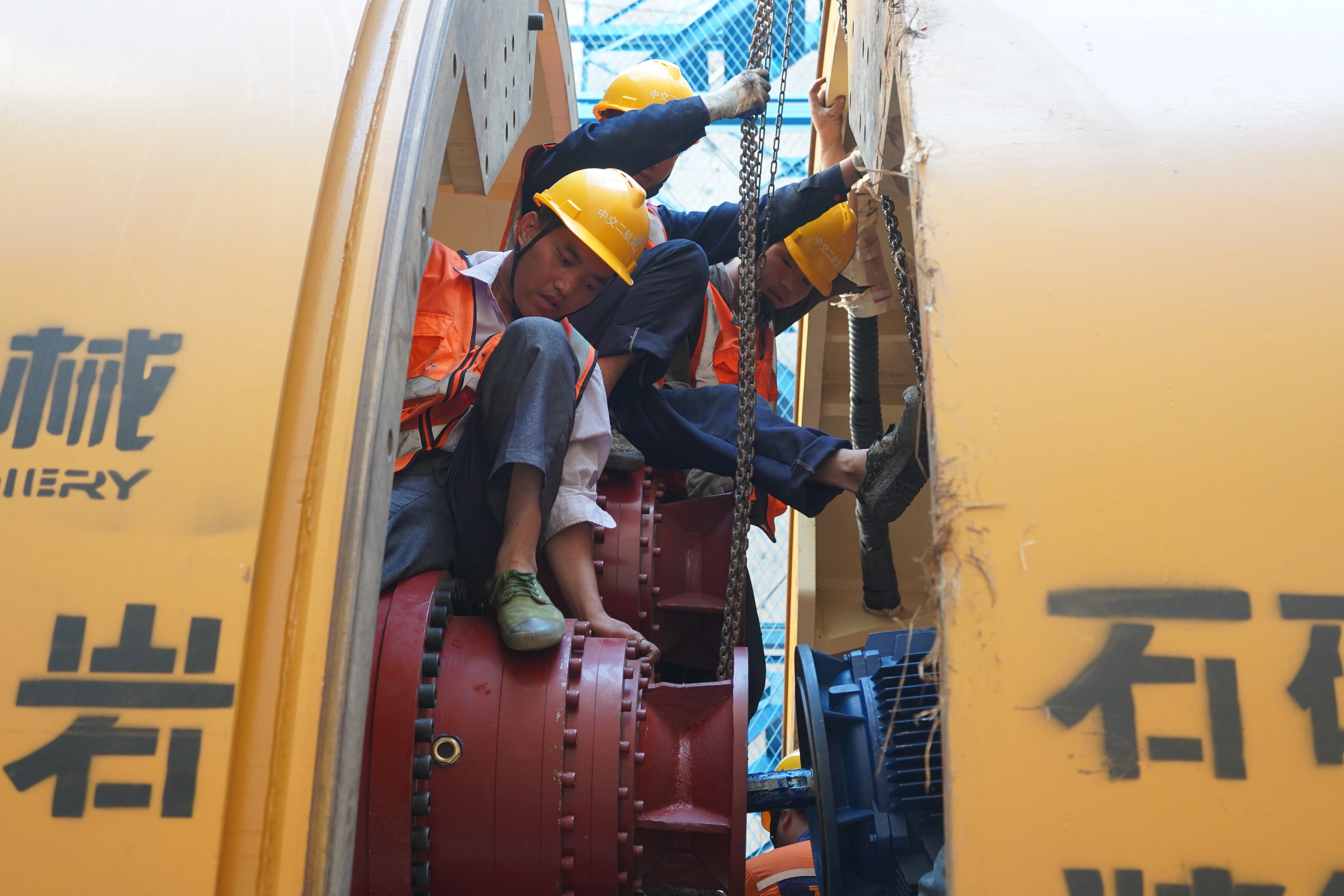
Thrust control improves safety on the TBM machine shift, ensuring that every operation remains secure. By implementing thrust control, the TBM machine shift becomes safer, effectively preventing jamming, sudden movements, and significant failures. CEGC provides both standard and custom solutions for your tunnel machine needs. Increased cutterhead vibration can elevate risks, leading to potential ground settlement and cutterhead wear. The table below illustrates how thrust and PRnet changes can alert you to jamming risks before they occur:
|
Risk Category |
|
|---|---|
|
High Risk |
Above threshold |
|
Medium Risk |
Moderate range |
|
Low Risk |
Below threshold |
|
No Risk |
No variability |
This demonstrates how thrust control enables proactive measures to address issues before they escalate, maintaining stability for your TBM and cutterhead.
Key Takeaways
-
Thrust control makes TBMs safer by stopping jams and quick moves. This helps work go smoothly and lowers danger for workers.
-
Watching thrust and cutterhead performance in real time helps operators act fast when things change. This keeps the tunnel safe and steady while building.
-
Training and taking care of thrust systems often is very important. It helps operators learn the controls and keeps the TBM safe and working well.
Thrust control improves safety on the TBM machine shift
TBM thrust control basics
When you use a tunnel boring machine, the work is tough. Thrust control helps keep everyone safe by letting you control the cutterhead thrust exactly. The cutterhead thrust system uses hydraulic cylinders to push the shield forward. This lets the cutterhead cut through soil, rock, or mixed ground. You use thrust control to change how much force goes to the cutterhead. This stops sudden moves and keeps the shield steady. The cutterhead thrust system has real-time monitoring. You can spot strange vibrations or heat before they turn into big problems.
CEGC makes thrust systems that meet market standards. You can pick options for your tunnel machine. You choose the pressure range, sealing design, and conditioning interface. The cutterhead thrust system works with many soil types. This helps you cut well and lowers cutterhead wear. Thrust-vectoring automatic shield tunneling technology helps you steer the shield. You can control the cutterhead thrust very well. This technology keeps the cutterhead thrust steady, even if the ground changes.
Thrust control keeps the TBM machine shift safe by stopping overloads and jamming. You avoid expensive delays and keep the cutterhead thrust balanced. The shield moves smoothly. You protect the cutterhead from too much wear and keep the work area safe.
Role in tunnel machine operations
You see thrust control making the TBM machine shift safer every day. The cutterhead thrust system controls face pressure. This is important to stop the ground from settling. You use thrust control to keep the shield steady and the cutterhead thrust right. This stops the tunnel face from falling in. The cutterhead thrust system lets you fill gaps with watertight material as the TBM moves. This keeps the ground steady and stops settlement.
The cutterhead thrust system also stops face instability. You change the cutterhead thrust to match the soil. This keeps the shield straight and helps the cutterhead cut well. You avoid sudden thrust changes that could make the shield drift or the cutterhead jam. Thrust control helps you react fast when things change.
Water getting in is another danger. The cutterhead thrust system works with watertight joints. This stops water from leaking into the tunnel. You keep the lining pieces steady and stop them from bending. The cutterhead thrust system can shut down fast in an emergency. You can stop the shield and cutterhead right away if there is a problem. You use thrust control to keep the cutterhead thrust steady and keep your team safe.
Here is a table that shows how thrust control keeps the TBM machine shift safe by fixing big risks:
|
Risk Category |
How Thrust Control Helps |
|---|---|
|
Ground Settlement |
Controls face pressure and fills gaps to keep things steady |
|
Face Instability |
Changes cutterhead thrust for soil and keeps shield straight |
|
Water Ingress |
Uses watertight joints to stop leaks and bending |
You use thrust control to keep the cutterhead thrust balanced. This makes the shield move forward safely. The cutterhead thrust system helps you steer and stay on track. You avoid cutting too much and keep the cutterhead thrust even. This helps the tunnel machine work well.
Thrust control keeps the TBM machine shift safe by working with other safety tools. You get help from automatic safety actions, early repairs, and real-time checks. The cutterhead thrust system helps you trust that the shield and cutterhead will work well. CEGC lets you change the system for your project needs.
You see that thrust control keeps the TBM machine shift safe by stopping ground settlement, face instability, and water leaks. You keep the cutterhead thrust steady, lower cutterhead wear, and keep your team safe. The cutterhead thrust system is very important for every tunnel machine job.
Safety benefits of TBM thrust control
Preventing jamming and overloads
You face many risks when you operate a tbm. Jamming and overloads can stop your tunnel machine and put your team in danger. Thrust control helps you avoid these problems. You use the thrust system to keep the cutterhead moving at the right speed. When you adjust the thrust, you stop the cutterhead from pushing too hard or too fast. This keeps the shield from getting stuck in the ground.
You can see how different methods help you prevent sudden stops and overloads. The table below shows some ways you can use technology to keep your tbm running smoothly:
|
Method/Technology |
Description |
|---|---|
|
Multi-speed cutterhead drives |
Lets you change how fast the cutterhead turns, so you can match the ground and avoid jamming. |
|
Continuous Shield Advance |
Uses a special shield shape to keep moving, even if the ground squeezes in. |
|
External shield lubrication |
Pumps Bentonite around the shield to lower friction and help the cutterhead move through tight spots. |
|
Augmented thrust |
Adds extra force with more thrust jacks to help free a stuck tbm and get the cutterhead moving. |
You use these tools to keep the cutterhead from stopping. When you control the thrust, you protect the shield and cutterhead from overloads. This keeps your tbm safe and working.
Reducing sudden movement risks
Sudden movements can cause big problems for your tunnel machine. If the cutterhead moves too quickly or the shield shifts, you can damage the tunnel or hurt your team. Thrust control lets you slow down or speed up the cutterhead with care. You keep the shield steady and avoid sharp jumps.
You use thrust control to match the cutterhead speed to the ground. If you hit hard rock, you lower the thrust. If you move into soft soil, you raise the thrust just enough to keep the cutterhead cutting. This balance keeps the shield from jerking forward or getting stuck. You also use shield lubrication to help the cutterhead glide through tough spots.
When you use thrust control, you stop sudden shocks. The cutterhead stays on track, and the shield moves smoothly. You lower the risk of accidents and keep your tbm safe.
Enhancing operator response
You need to react fast when things change in the tunnel. Thrust control gives you the tools to do this. Advanced thrust systems, like fuzzy PID controllers, help you keep the cutterhead and shield steady. These systems use smart logic to change the thrust in real time. You get quick feedback and can adjust the cutterhead thrust right away.
Here are some ways advanced thrust systems help you:
-
Fuzzy logic lets you change the thrust as the ground changes, so you keep the cutterhead stable.
-
Fuzzy PID controllers help you avoid crashes by changing the thrust when loads shift.
-
These systems work fast, so you can react to problems before they get worse.
-
Adaptive controllers tune the thrust for you, making the cutterhead and shield safer.
-
You get better response times, so you can keep the tbm safe and the cutterhead moving.
CEGC gives you thrust systems that use these advanced controls. You can trust your tunnel machine to keep the cutterhead and shield steady. You keep your team safe and your project on track.
Tip: Always watch the thrust and cutterhead readings. Quick action keeps your tbm safe and helps you avoid costly delays.
You see that thrust control is key to safety. You use it to stop jamming, avoid sudden moves, and react fast to changes. With CEGC’s advanced thrust systems, you keep your cutterhead, shield, and team safe every shift.
Best practices and real-world impact
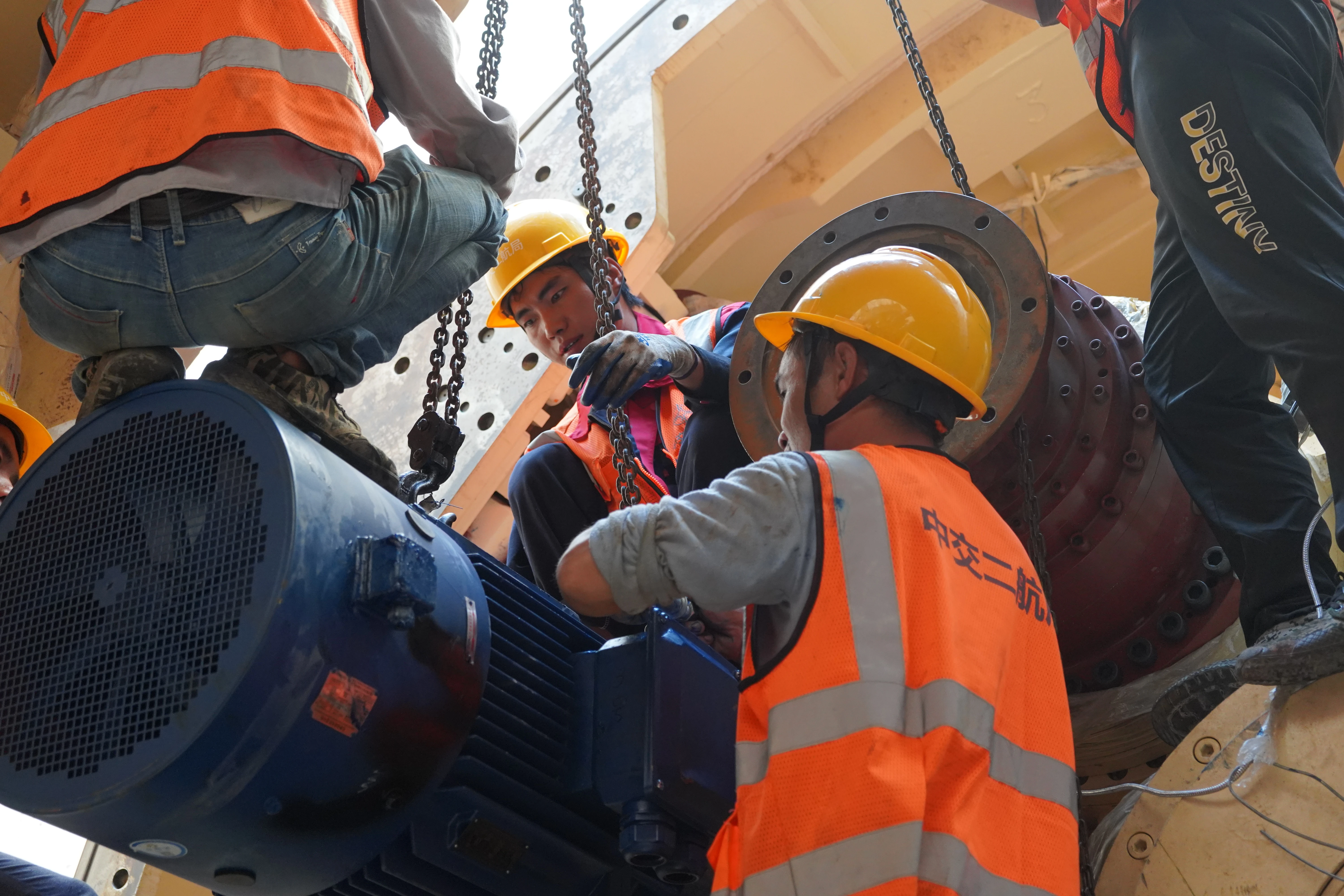
Operator training and monitoring
You need strong training to use the cutterhead and thrust systems on a tbm. Safety rules require you to learn with both simulations and hands-on practice. You must know how to control the cutterhead and shield in every situation. Advanced monitoring systems help you by giving real-time feedback. These systems use AI to watch how you use the cutterhead and thrust. They help you spot problems before they grow. You also get regular checks to make sure the cutterhead and thrust controls work right. AI models can predict what will happen based on your actions, so you can keep the tbm safe.
-
Training covers all cutterhead and thrust controls.
-
Monitoring systems give you live updates on the cutterhead and shield.
-
AI helps you avoid mistakes with the cutterhead and thrust.
Maintenance and system checks
You keep the tbm safe by checking the cutterhead, shield, and thrust systems often. You look for leaks, heat, and wear on the cutterhead. You use the right lubricant and check it for signs of cutterhead damage. You watch the temperature of the cutterhead with special tools. You listen for strange vibrations from the cutterhead. You also watch the thrust loads and speed to see if the cutterhead bearings work well.
-
Use the right lubricant for the cutterhead.
-
Watch the cutterhead temperature and vibration.
-
Monitor thrust loads to keep the cutterhead safe.
Case studies and comparisons
You learn from real tbm projects. In one case, a team did not understand the cutterhead and thrust controls. The crew missed signs from the cutterhead and shield. This led to a big problem. The team trusted the automation but did not check the cutterhead or thrust. You see that clear training and simple controls for the cutterhead and thrust keep your tbm safe. CEGC supports you with training, project help, and custom cutterhead and thrust systems for any ground.
Tip: Always review your cutterhead and thrust controls before each shift. Good habits keep your tbm, shield, and team safe.
You see how thrust control keeps your tbm safe. When you use thrust, you lower accident rates by 9%. You keep the cutterhead steady and the shield in place. CEGC gives you advanced cutterhead and thrust systems. New automation and IoT tools help you monitor your tbm and cutterhead for safer shifts.
FAQ
What is the main purpose of thrust control in a tbm?
You use thrust control to keep the tbm stable. It helps you avoid sudden stops, jamming, and unsafe movements during tunnel construction.
How does thrust control improve safety for tbm operators?
You get real-time feedback from thrust control. This lets you react quickly to changes. You keep the tbm shield and cutterhead steady, which protects your team.
Can you customize thrust control systems for different tbm projects?
You can choose thrust control options that fit your tbm project. CEGC offers custom solutions for different ground types and tunnel sizes.


