
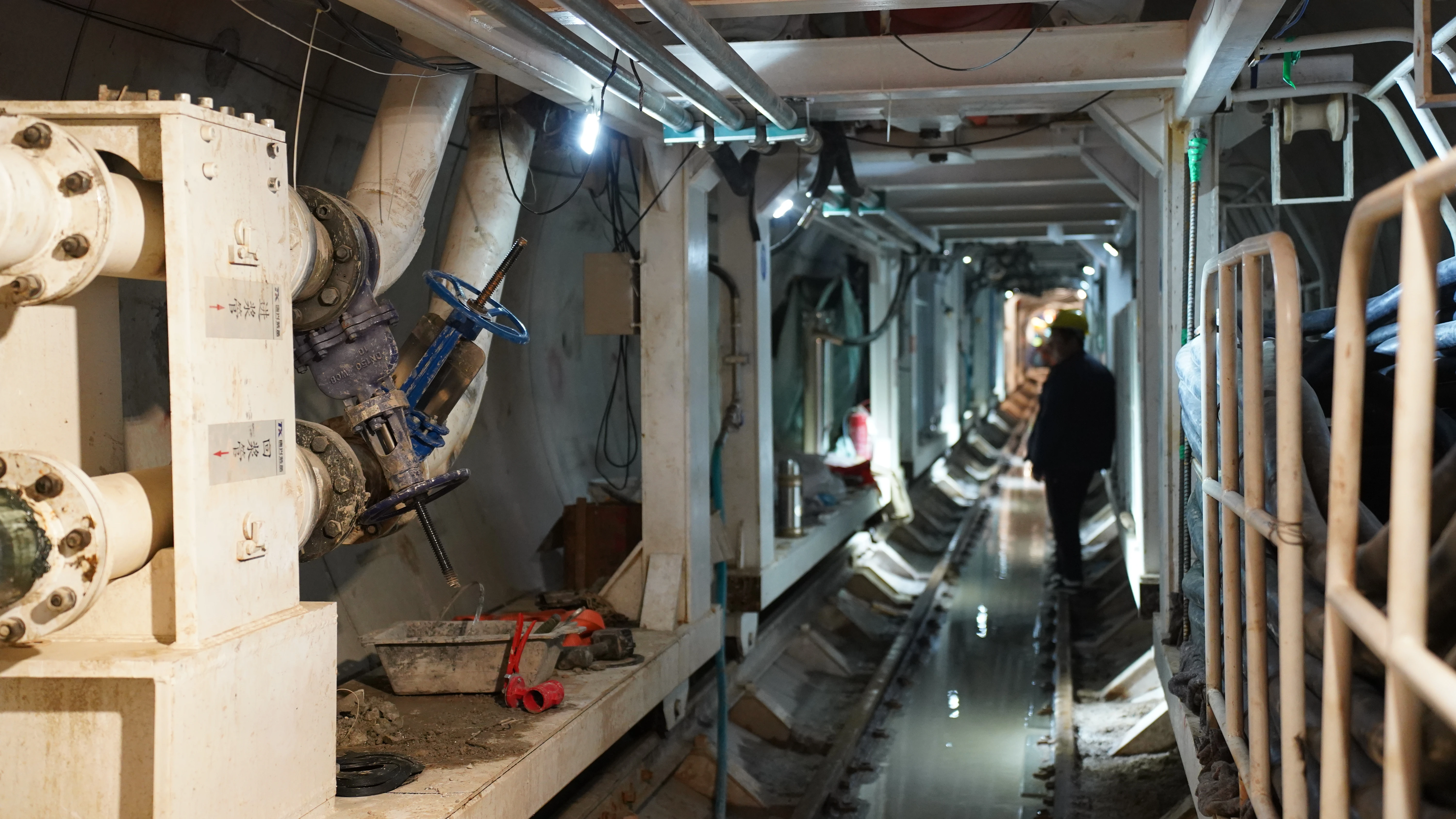
You face many challenges in mixed ground when you use a tunnel boring machine. Steering keeps your tunnel safe and on track. CEGC puts safety first and uses the best practices in every project. If you focus on speed instead of steering, you increase risks for your team and your tunnel.
Key Takeaways
-
Steering is very important in TBM tunneling. It helps the tunnel follow the planned path. This makes the tunnel safer and better.
-
Real-time steering lets workers change the TBM’s position fast. This lowers risks and stops expensive errors.
-
Steering should come before speed. This helps avoid damage, problems, and delays.
Steering in mixed ground TBM tunneling
What is steering in TBM tunnel construction?
Steering means guiding the tunnel boring machine as it moves. You control where the TBM goes and how it stays on track. This makes sure the tunnel follows the planned route. Steering uses special systems to help you make small changes. These systems keep the machine lined up right.
You will see some main parts in a steering system:
|
Feature |
Description |
|---|---|
|
Steering Mechanism |
Uses hydraulic jacks and automatic steering algorithms to keep the TBM on course. |
|
Hydraulic Jacks |
Push the TBM forward and allow you to adjust its position with great accuracy. |
|
Automatic Steering Algorithm |
Controls each jack to prevent the TBM from drifting off the planned line. |
Modern tunnel boring machines use lasers and computers to help steer. These tools help you keep the TBM lined up within tiny limits. You also use geodetic techniques, which are special ways to measure and control the TBM’s spot underground. You check your geodetic network often to stop problems and keep the work going well.
CEGC puts safety features in every tunnel machine. These features help you stay safe when you steer the TBM. You can trust the machine to listen to your commands fast and correctly.
Why mixed ground demands real-time steering
In mixed ground, the soil and rock can change a lot. The ground can go from soft clay to hard rock very quickly. These changes make steering harder. You need real-time steering to react fast and keep the TBM on track.
With real-time steering, you get quick feedback from the machine’s sensors. The system always checks the TBM’s position, grade, and heading. If the TBM starts to drift, the system changes the steering cylinders right away. This helps you fix the path before things get worse.
Here is how real-time steering helps you in mixed ground:
-
You can act fast when the ground changes suddenly.
-
You keep the tunnel straight, even if the ground pushes the TBM.
-
You lower the chance of mistakes that cost money to fix.
Long tunnels can make steering even harder. Laser navigation might not work as well for long distances. You need better navigation systems to keep the TBM on track. Real-time data helps you find problems early and stop delays.
Safety and quality benefits of steering
Steering gives you many safety and quality benefits in tunneling. When you keep the TBM lined up, you protect your team and the tunnel.
-
You lower the risk of the TBM hitting weak spots or faults in the ground.
-
You stop the tunnel from drifting, which can cause cracks or leaks.
-
You keep workers safe by using automated systems.
CEGC makes every tunnel machine with safety in mind. Operator protection features are always included. These features are safe cabins, emergency stop systems, and clear screens for steering data. You also get systems that watch for problems all the time.
Steering also makes the tunnel better. You get smooth, even lining when the TBM stays on track. This makes the tunnel stronger and lowers repair costs. You can trust your project will meet top safety and quality rules.
Tip: Always check your steering systems before each shift. A good system helps you avoid surprises and keeps your team safe.
Steering is your most important tool in mixed ground TBM tunneling. When you focus on steering, you keep your tunnel safe, straight, and strong.
Risks of speed over steering in tunnel construction
Alignment errors and structural risks
When you focus on speed instead of steering in tunneling, you put your project at risk. In mixed ground, the tunnel boring machine faces many changes in soil and rock. If you do not steer the tbm carefully, the tunnel can drift off the planned path. This is called misalignment. Misalignment can cause serious problems for the tunnel and for everyone working on the project.
You can see the main structural risks in the table below:
|
Structural Risk |
Description |
|---|---|
|
Segment Cracks |
Stress on tunnel segments can cause cracks if the tbm does not stay in line with the tunnel design. |
|
Alignment Issues |
The tunnel may not follow the planned route, which affects safety and the tunnel’s strength. |
Other risks include:
-
Variations in how segments are made can lead to weak spots.
-
Damage during handling or installation can let water leak into the tunnel.
-
Poor quality control increases the chance of these problems.
When you use proper steering, you keep the tbm on track and avoid these risks. CEGC follows strict quality control and international standards to help you build safe tunnels.
Equipment damage and worker safety hazards
If you push the tbm to go faster than it should, you can damage the machine. In mixed ground, the tbm faces hard rock, soft soil, and sudden changes. Fast tunneling without careful steering puts too much stress on the machine’s parts. This can cause:
-
Excessive wear on the cutter head and hydraulic jacks.
-
Damage to the steering system, which makes it harder to control the tbm.
-
More breakdowns, which stop the work and put workers at risk.
When the tbm does not steer well, it can hit faults or weak ground. This can lead to sudden ground movement or even collapse. Workers may face falling rocks, flooding, or gas leaks. You must always use steering to protect your team and your equipment. CEGC’s tunnel boring machines include safety features that help you avoid these dangers.
Project delays and cost impacts
Speeding up tunneling without good steering can cause big delays. When the tbm goes off course, you need to stop and fix the alignment. This takes time and costs money. In mixed ground, ground movement can make steering even harder. If you do not adjust quickly, the tbm can get stuck or damage the tunnel lining.
Here are some common causes of delays:
-
Ground-induced deflections make steering difficult and move the tbm out of place.
-
If you do not cut enough or cut unevenly, the tbm cannot steer well.
-
High jacking loads can move the ground and misalign the tbm’s guidance system.
-
Old or basic navigation systems may not work well in long tunnels or changing ground.
You need advanced steering and navigation to keep the tbm on track. If you do not, you may face extra costs for repairs, lost time, and even fines for not meeting safety rules. CEGC helps you manage these risks by using the best practices and the latest technology in tunneling.
Note: Always put steering first in mixed ground. This keeps your project safe, on time, and within budget.
Steering the tunnel construction process: Best practices and examples
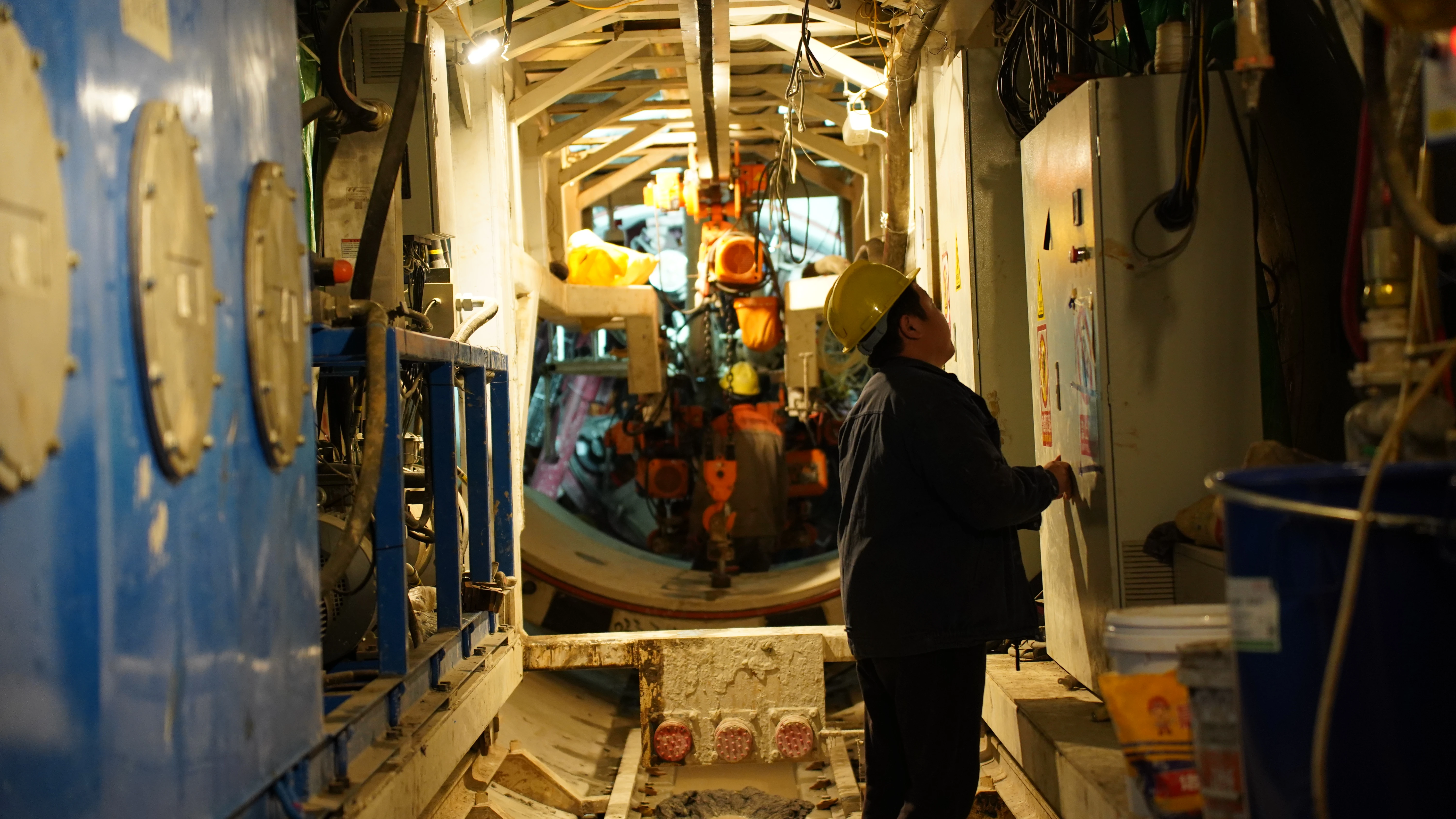
Real-time steering for project success
You must use real-time steering to keep your tbm on track. This means you check the alignment all the time with lasers and sensors. You make quick changes to the tbm when the ground shifts. Simulation models help you guess how the ground will move. These models use real-time data to guide your choices. Some systems use artificial intelligence to change tbm settings and keep the tunnel safe. You can also use 3D models and neural networks to control the tbm. These tools help you keep the ground above the tunnel steady and make the tunnel move forward better.
Case studies: Steering vs. speed outcomes
You can learn from real tunnel projects. When teams focus on steering, they finish tunnels with fewer problems. For example, one team used real-time steering in mixed ground and kept the tunnel straight. They did not get cracks or leaks. Another team tried to go fast without careful steering. Their tbm went off course. They had to stop and fix the tunnel’s path. This caused delays and cost more money. Steering the tunnel process helps you avoid these mistakes and keeps your project on time.
Practical tips for TBM teams in mixed ground
You can follow these best steps for steering the tunnel:
-
Check alignment with lasers and sensors all the time.
-
Make steering changes right away when you see a problem.
-
Teach your team how to use advanced steering systems.
-
Plan for emergencies with clear safety rules.
-
Use strong materials and good designs for tunnel parts.
-
Use machine learning and BIM to find risks and handle them.
Tip: Always look at your emergency plan before each shift. This helps your team get ready for any problem during tunneling.
Steering the tunnel process keeps your workers and tunnel safe. You can trust new technology and good planning to keep your tbm safe and your project a success.
When you focus on steering in mixed ground, your tunnel stays safe and strong. Your team is protected, and your project ends with good quality. You can trust CEGC to help you with the best ways and world rules. If you need help with tunnel machine safety or how to use them, contact CEGC for expert support.
FAQ
What are the main causes of TBM tunnel accidents?
Most accidents happen because the ground falls in, gas leaks, or the machine breaks. You can stop these problems with good steering, safety checks, and strong emergency plans.
How do you manage hyperbaric interventions safely?
You use special rooms, follow strict pressure rules, and check workers’ health. You must always teach your team how to work in high-pressure places.
What gas monitoring is required in TBM tunnels?
You need gas sensors that always check for methane and hydrogen sulfide. You must use alarms and safe electric systems to keep your team safe underground.


