
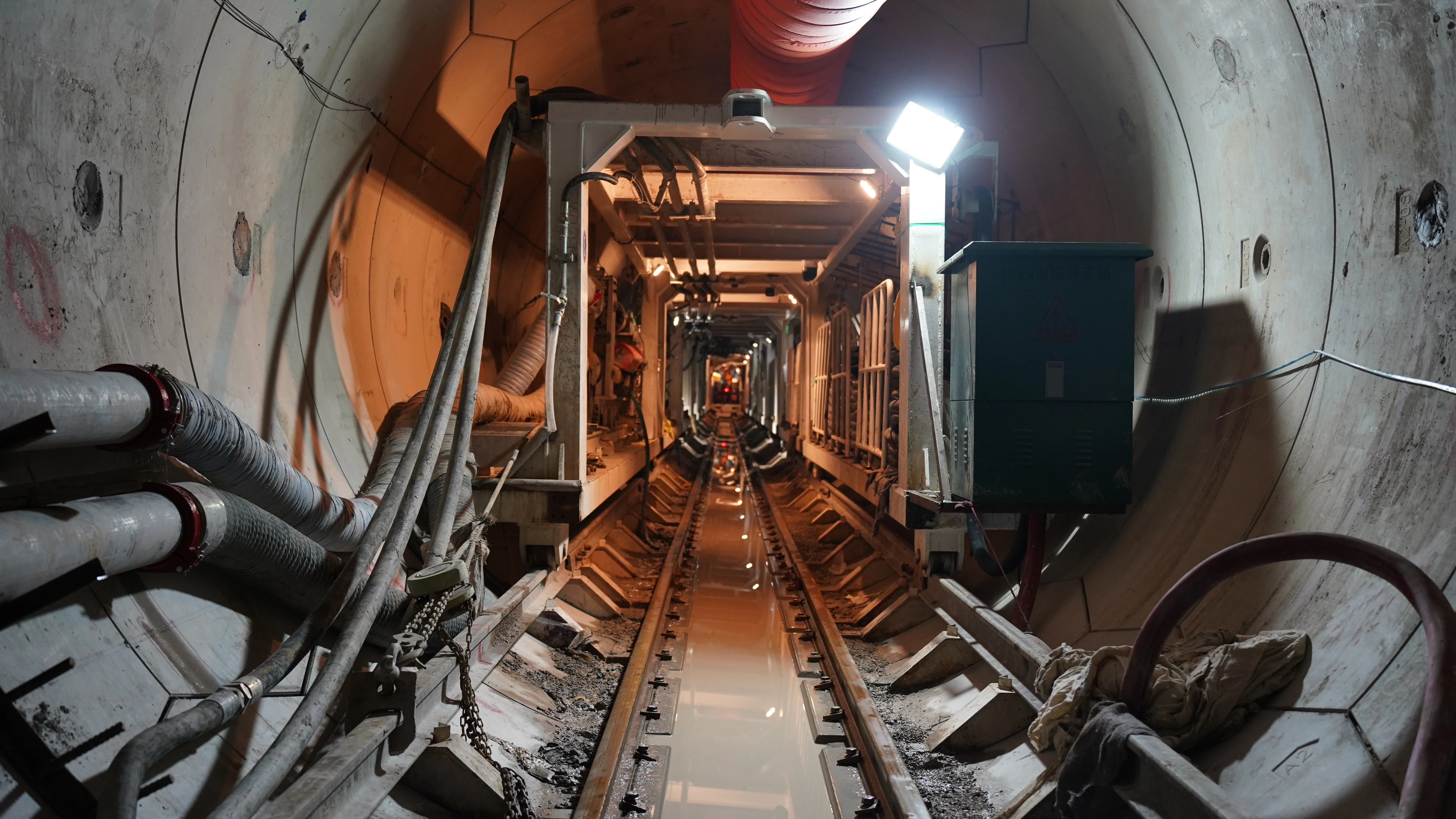
Micro tunneling performance drops when density drifts, affecting how the tunnel machine operates. Changes in soil density can increase stress on your equipment, leading to potential issues such as soil collapse. Additionally, you may experience ground sinking or project delays, all of which can incur significant costs. CEGC provides expert assistance to help you navigate these challenges effectively.
Key Takeaways
-
Check soil density often to stop micro tunneling from slowing down. Use smart sensors to get live data and change machine settings fast.
-
Use flexible plans for tunnel machines to deal with quick soil changes. This means using mixed cutting tools and live monitoring systems.
-
Use safe steps like careful planning and regular maintenance. Keeping clear records makes safety and work better.
soil density and tunneling basics
what is soil density?
It is important to know about soil density before you dig a tunnel. In geotechnical engineering, soil density means bulk density. You find bulk density by dividing the dry weight of soil by its total size. Engineers use tons per cubic meter (t/m³) to measure it. Most soils have bulk density between 0.7 and 1.8 t/m³. If you know the density, you can guess how the ground will act when tunneling.
causes of density drift
Soil density can change over time. Water moving through the ground can change it. Vibration from building work nearby can also change it. Mixing different soil layers can make density drift too. Heavy rain can wash away small pieces of soil, making it less dense. Machines or trucks can shake the ground and make soil settle or move. When you dig through mixed soils, density can change fast. These changes can make tunneling harder and more dangerous.
monitoring soil conditions
You need to check soil conditions often when tunneling. New technology gives you tools to watch for changes right away. The table below lists some of the best tools:
|
Technology |
Description |
Effectiveness |
|---|---|---|
|
BOFDA (Distributed Optical Fiber Sensing) |
Measures soil strain and temperature with high accuracy for long distances and time. |
Good for watching soil density changes as they happen. |
|
MEMS Inclinometer Sensors |
Checks how much the soil moves sideways. |
Helpful for finding soil density changes during tunneling. |
|
Machine Vision Systems |
Uses cameras and computer programs to watch for movement. |
Good for seeing up and down movement and checking soil density changes. |
These tools help you find problems early. They keep your tunneling project safe and running well.
micro tunneling performance drops when density drifts
operational risks and equipment stress
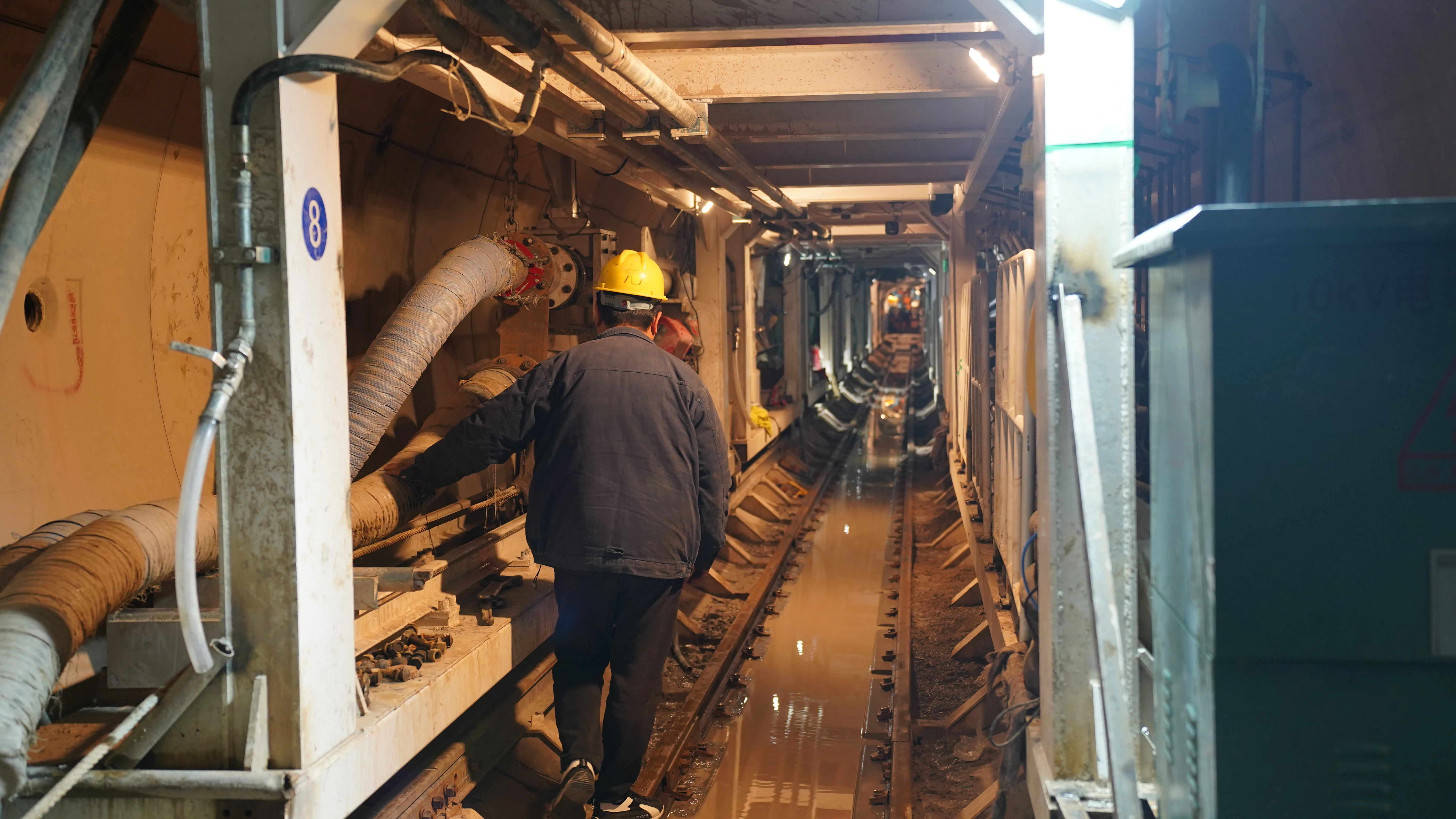
There are many risks when micro tunneling performance drops because of density drift. The tunnel machine has to push harder when the soil changes. This makes the tunnel boring machine work more and parts can wear out faster. Sometimes, the auger boring machine slows down or stops if the soil is too loose or too packed. Tools can wear out quickly in mixed ground. You need to check the machine often and change old parts to keep things safe.
You should watch for these risks:
-
The tunnel machine uses more energy when soil density drifts.
-
The TBM tunnel boring machine can get too hot or break if it works too hard.
-
You might have to stop tunneling to fix things, which takes time and money.
-
Mixed geotechnical conditions can hurt cutting tools and slow the project.
CEGC makes tunnel machines with safety features to help you handle these problems. You can use real-time monitoring to find trouble early and protect your machines.
face instability and collapse
Micro tunneling performance drops when density drifts because the tunnel face can get weak. If you dig in wet sand, the soil may not stay together. Water pressure can push soil into the tunnel and some soil can be lost. You need to use bentonite slurry to hold up the tunnel face. The slurry makes a layer that keeps soil in place and helps keep pressure steady.
You should remember these facts:
-
Wet sand does not stand up long and has high water pressure.
-
Bentonite slurry works like a shield and stops soil from falling in.
-
Mixed ground can make the soil act in new ways and cause problems.
-
Pre-grouting and soil conditioning can help stop the tunnel face from falling.
If you do not keep the tunnel face strong, the soil can fall in and the ground above can sink. CEGC says you should use front support and always check the pressure at the tunnel face.
project delays and cost impacts
Micro tunneling performance drops when density drifts, and this can slow down your project and cost more money. When soil density changes, you have to slow down tunneling and change machine settings. Sometimes you need to stop and fix machines or add more support. These things take time and cost extra.
You can see the effects in this table:
|
Problem |
Cause |
Result |
|---|---|---|
|
Equipment breakdown |
More resistance |
Repair costs and lost time |
|
Face instability |
Wet sand or mixed ground |
More support and delays |
|
Tool wear |
Mixed geotechnical conditions |
Replacement costs |
You need to plan for these risks before you start tunneling. CEGC helps you use good steps to avoid delays and control costs. You can use soil checks and smart plans to keep your project going well.
Tip: Always keep pressure at the tunnel face and check soil often. This keeps your tunnel safe and stops expensive delays.
Micro tunneling performance drops when density drifts, but you can handle these risks with good planning and the right machines. You keep your project safe and working well when you follow CEGC’s safety rules.
managing and mitigating density drift
early detection and monitoring
You need to spot changes in soil density early to keep micro tunnels safe. Start with a strong monitoring system before you begin tunnelling. Use sensors that give you real-time data about the ground. This data helps you see how the soil acts as you dig. You can adjust your tunnel machine settings right away if you notice a problem. Real-time feedback links your work to what happens in the ground. You can change the speed, torque, or pressure of your tunnel boring machine as soon as you see a shift. This keeps your micro tunnels stable and reduces the risk of delays.
adaptive strategies for tunnel machines
You can use smart strategies to help your tunnel machines handle sudden changes in soil. The table below shows some ways to adapt during microtunneling:
|
Adaptive Strategy |
Description |
|---|---|
|
Advanced sensor technologies |
Sensors give you instant feedback on soil and rock, so you can adjust fast. |
|
Hybrid cutting tools |
You can switch tools to match the soil, which helps in mixed ground. |
|
Real-time monitoring |
Watch the data as you tunnel and act quickly if you see trouble. |
|
Geological mapping systems |
Use high-tech maps to spot obstacles before you reach them. |
You can also use adaptive control systems. These systems predict changes and adjust the tunnel machine for you. They help keep your micro tunnels on track and reduce construction delays.
best practices for safe operations
You should always follow best practices when you work on micro tunnels. Start with a good design and quality installation. Use both monitoring systems and visual checks to spot problems. Keep a schedule for maintenance and write down what you do. This helps you see trends and stay safe. Good records also help you follow rules and improve your tunnelling work. CEGC recommends you plan before you dig and use real-time data to guide every step. This keeps your micro tunnels safe and your project on time.
When density drifts, micro tunneling does not work as well. You need to check the soil often and change your tunnel machine settings. If you have skilled operators and good geotechnical studies, you can react fast. The table below gives important lessons and ways to watch the soil that help your project do better.
|
Key Point |
Description |
|---|---|
|
Soil Condition |
Soft soils are hard to work with and need careful plans. |
|
Long-term Monitoring |
Watching data all the time helps you plan better and stop delays. |
FAQ
What causes micro tunneling performance to drop?
Performance drops when the soil is not good. The tunnel machine has to push harder through tough ground. It also needs more help to keep the tunnel safe and steady.
How does the interaction between mtbm and surrounding soils affect tunneling?
You need to watch how mtbm and the soils work together. This helps you find problems early and change machine settings fast. Doing this keeps tunneling safe for everyone.
Why is analysis important for micro tunneling projects?
You use analysis to check if the soil or machine changes. This lets you plan ahead and stop delays or broken equipment.


