
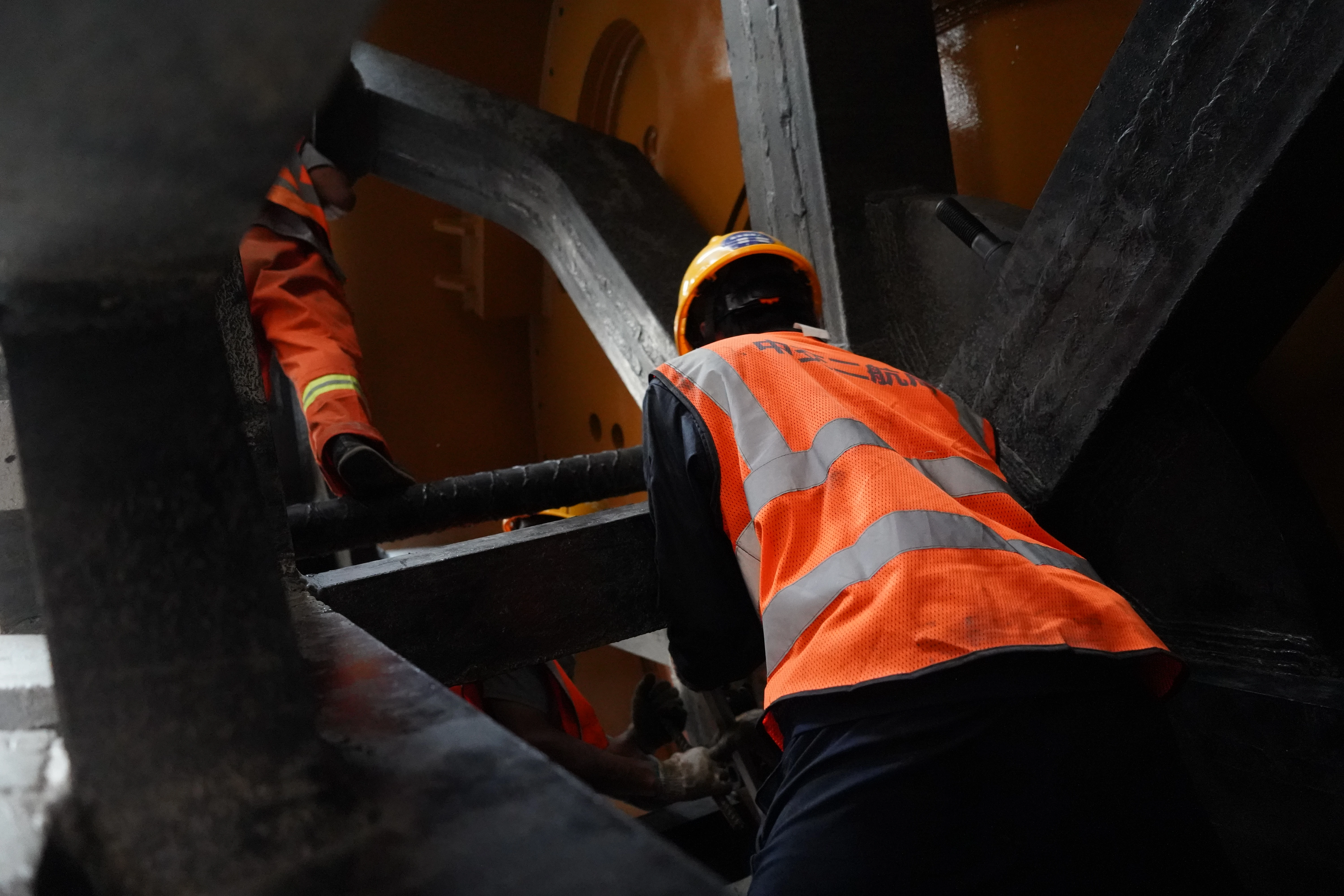
Long drives can break budgets when the TBM machine stops. Tunnel boring machines have high fixed costs, with prices reaching $15 million or more. Larger tunnel boring machines can exceed $100 million. It is crucial to keep them operational at all times. CEGC provides dependable TBM, Microtunnelling Machine, and auger boring machine solutions for challenging tunnel projects.
Key Takeaways
-
It is very important to keep tunnel boring machines working. If they stop, it can cost a lot more money and make the project late.
-
Knowing why TBM machines stop, like bad ground or broken parts, helps managers plan better. This also lowers risks for the project.
-
CEGC gives special help and expert tips to cut down on stoppages. They help tunneling projects stay on budget.
Why Long Drives Can Break Budgets
TBM Machine Stoppages and Cost Overruns
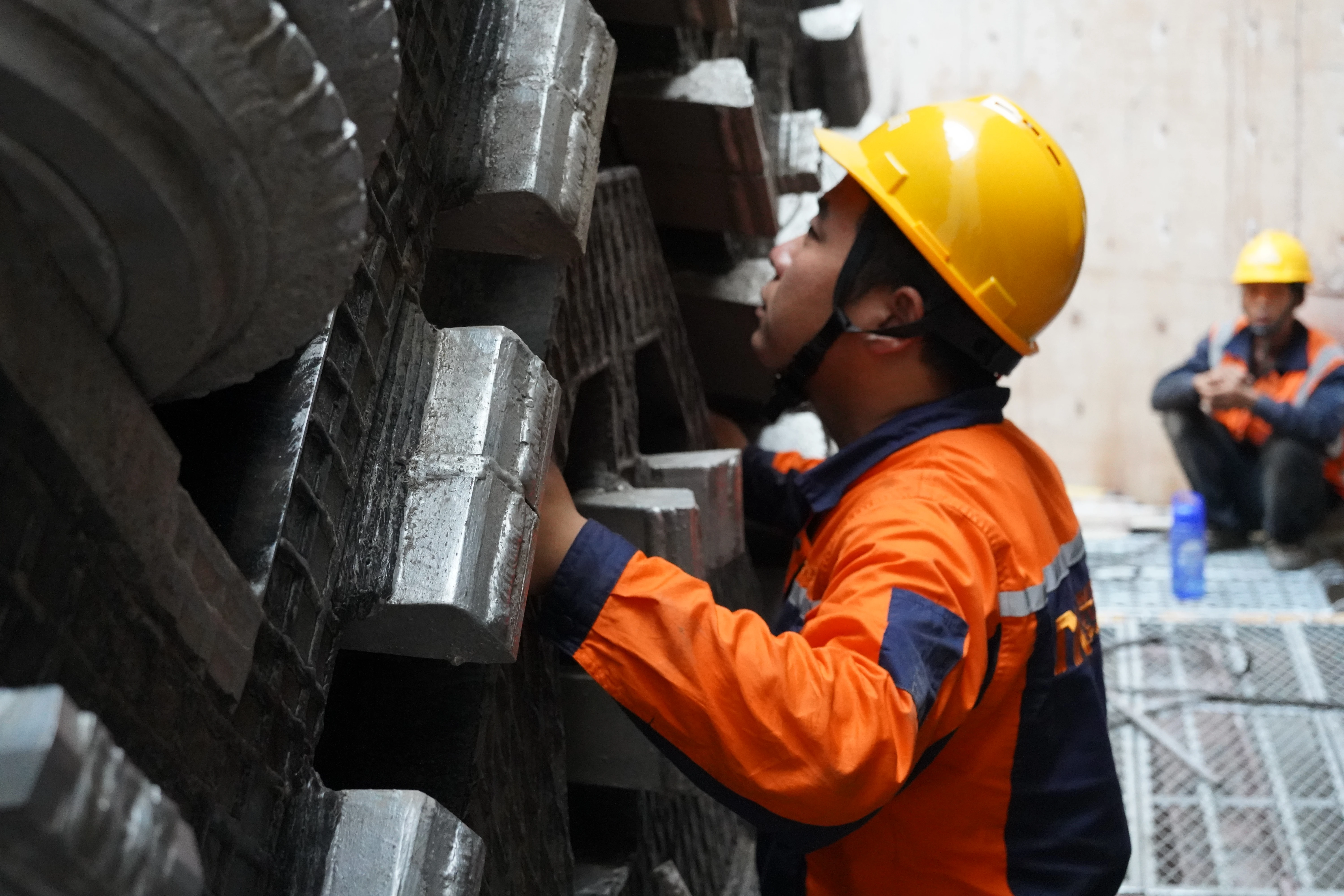
Long drives can hurt budgets if the tbm machine stops. Tunnel boring machines are very important for tunnel projects. If a tbm stops, digging stops right away. This causes costs to go up fast and makes the project late. The fixed costs for tunnel boring machines stay high, even when not working. Crews, equipment, and support systems still use money and resources. Owners and contractors pay more as downtime gets longer.
Stopping in tunneling projects often happens because of technical problems. Fault zones can jam the tbm cutterhead and shield. Instability and collapse slow down digging. Geological events like high ground pressure and sudden water inflows cause trouble. Weak rock structures and faults can jam the tbm. Teams must use ground improvement methods, which cost more money.
Longer tunnels mean bigger risks. Every stoppage makes costs and problems worse. In huge projects, even one problem can make budgets break and stop the project.
Technical and Financial Impacts
Tunnel boring machines need to keep working for good results. A faster penetration rate helps dig quicker and saves money. If the tbm slows or stops, the project faces trouble. Slower rates cause delays and extra costs. Keeping the tbm working well in different ground types is hard for managers. They use advanced models to plan digging and lower risks.
Labor and resource needs grow when work stops. Crews wait for things to get fixed. Equipment is not used. The budget pays for extra costs. Every hour of downtime adds more expenses and hurts the schedule. Tunnel projects need steady digging to finish on time and control costs.
CEGC gives standard and custom tunnel machine solutions. Their systems help reduce stoppages and keep digging going. Reliable tbm and microtunnelling machine designs from CEGC help tunnel projects stay on track and protect budgets.
Long drives can hurt budgets if the tbm machine stops. Owners and contractors must keep machines running to avoid extra costs and delays. Good risk management and technical solutions help tunnel projects succeed.
Causes of Tunnel Boring Machines Stopping
Ground Conditions and Face Instability
Unstable ground and face instability can stop tunneling work. Different types of soil and sudden ground problems slow down digging. These issues make the project take longer and cost more money. Sometimes, the tunnel face loses support. This can cause the ground to sink or let water in. When this happens, it is hard to start the tbm again. The table below lists common reasons for stoppages and what happens:
|
Cause of Stoppage |
Description |
|---|---|
|
Encounter with unknown soil stratigraphy |
Causes unexpected stops and slows down tunneling work. |
|
Ground settlement due to stoppage |
The ground can sink up to 7.6 cm in 5 months. This makes future digging and tunnel safety harder. |
|
Inappropriate face supporting pressures |
Makes the ground move or break, which makes restarting the tbm harder. |
CEGC has systems that control face pressure and protect the ground. These tools help keep digging safe and lower the chance of problems.
Equipment Failure and Cutterhead Wear
When equipment breaks or the cutterhead wears out, work stops. Partial wear, polygon wear, and chipping can hurt the cutterhead. These problems make the machine shake and cause uneven loads. The table below shows different kinds of wear and what they do:
|
Type of Wear |
Impact on TBM Operations |
|---|---|
|
Partial Wear |
Makes the machine shake more and can break the cutterhead. It also stops digging. |
|
Polygon Wear |
Makes the load uneven and raises the chance of stoppages. |
|
Chipping |
Causes big problems, especially when digging through different rocks. |
CEGC uses special cutterhead designs and ways to manage wear. Checking the machine often and fixing problems early helps stop delays and keeps the tbm working.
Dr. Liang Wei says, "Preventive maintenance is not optional; it’s a cost-saving strategy. Machines that receive regular care have longer lifespans and fewer downtime-related costs."
Logistics, Labor, and Water Ingress
Moving tunnel machines and putting them together is hard. Not having enough skilled workers makes things slower. Water getting into the tunnel can stop digging and hurt the machines. The table below explains these problems:
|
Challenge |
Impact on TBM Performance and Budgets |
|---|---|
|
Logistical Complexity |
Raises costs and makes moving tunnel machines harder. |
|
Skilled Labor Shortage |
Makes it tough to start tunneling and slows down digging. |
|
Water Ingress |
Stops work and may need extra ground protection. |
CEGC makes tunnel machines that are easy to put together and fix. These designs help workers get to the machines faster and speed up the work. Guidance systems help keep the tunnel straight and avoid mistakes.
Managing Risks and Minimizing Stoppages
Real-World Examples and Lessons Learned
Many big project teams have learned tough lessons from tunnel delays. When a tunnel boring machine stops, the risk changes. Teams notice that changing ground is more dangerous than hard ground. Moving between different ground types brings more risk than digging in one type. Risk checks must always change and update. Surface sinking often shows that the ground is not stable anymore. Sometimes, stopping work helps avoid bigger problems. Good leaders know when to pause digging instead of rushing. Winning means stopping failure, not just finishing quickly.
New tunneling improvements include steel fiber tunnel linings and fire-resistant hydraulic oil. Teams still search for better ways to stop fires and handle gas bottles safely. These lessons help lower building costs and keep tunnels safe.
Technical Solutions and Best Practices
Teams use many ways to stop delays and keep digging going. Finding risks early and checking them helps teams plan for tunnel problems. They make risk plans and use ways like avoiding, moving, lowering, or accepting risks. AI tools help teams manage projects and work better.
Regular maintenance lets teams find small problems before they get big. This stops surprise breakdowns and makes machines more reliable. Keeping up with maintenance makes sure equipment works well and cuts downtime.
Good tunneling practices include putting twin pressure pipes in big slurry tunnel machines. These pipes go around blockages and keep pressure even in digging chambers. Relief valves on pipes let out extra pressure and warn workers. Changes like longer paddles and more slurry nozzles help materials move and stop blockages.
CEGC gives tunnel boring machine and microtunnelling machine solutions you can change for your project. The table below shows how these solutions help manage money:
|
Evidence Description |
Contribution to Budget Management |
|---|---|
|
CEGC designs and makes special equipment for each project |
Helps save money by giving equipment that fits needs and cuts waste. |
|
Expert advice for planning and picking equipment |
Makes sure the right equipment is used, saving money and time. |
|
On-site setup by trained workers |
Cuts downtime and extra costs from bad setup, keeping projects on budget. |
|
Full trenchless engineering help for tough ground |
Helps finish jobs well, stopping delays and money problems from surprises. |
Teams that use these good practices keep digging steady, control costs, and protect tunnels in every project.
Long drives can cost a lot when the tbm machine stops. This happens because bad ground, missing site data, and moving machines make tunneling more expensive. Project managers need to check risks again, focus on safety, and make sure the tunnel face is stable. CEGC gives special equipment, expert advice, and training for tunnel jobs. New TBM technology helps work go faster and keeps costs down.
|
Service Type |
Description |
|---|---|
|
Equipment Solutions |
Special equipment made to help tunneling and trenchless projects work better. |
|
Expert Consulting Services |
Advice from experts to make projects run smoother and solve tough problems. |
|
Comprehensive Training |
Training that teaches how to use, fix, and stay safe with the machines. |
FAQ
What causes tunnel boring machines to stop during long drives?
Many things can make a tunnel boring machine stop. Unstable ground can cause problems. Equipment can break down and stop working. Water can leak into the tunnel and slow everything. Moving machines and supplies is also hard and can cause delays.
How does CEGC help reduce TBM stoppages?
CEGC gives tunnel machine solutions you can change for your project. Their systems help control face pressure and manage wear. They use guidance technology to help keep work going. These tools help stop downtime and save money on the project.
Can CEGC equipment handle difficult ground conditions?
CEGC makes tunnel boring machines with strong face support. They also have ground protection systems. These features help teams work safely in weak soil and high water pressure.


