
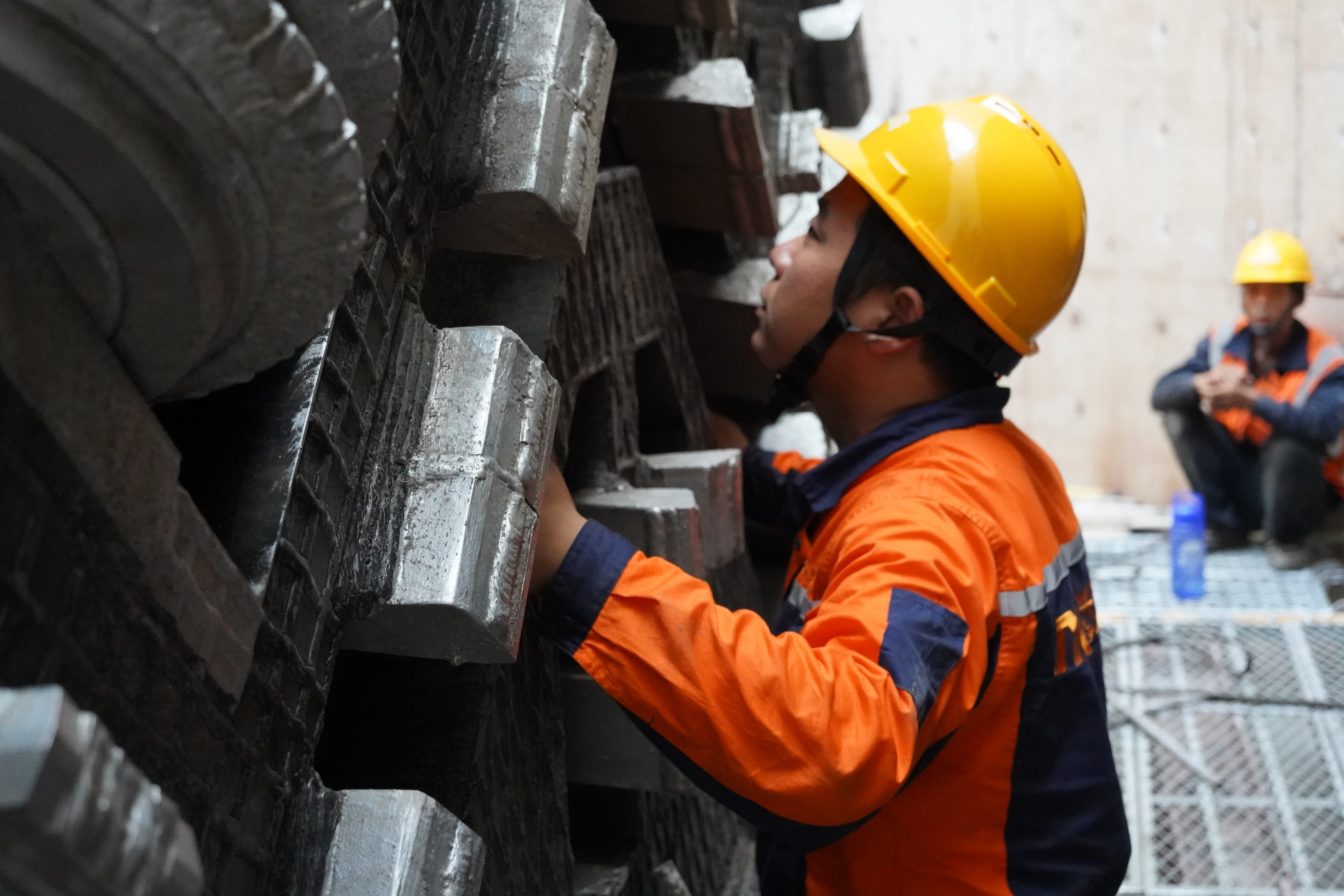
You can see that micro tunneling long drives need fast chemistry response to keep the tunnel stable. Micro tunneling long drives need fast chemistry response when the ground changes. CEGC shows that micro tunneling long drives need fast chemistry response to cut down on delays. Micro tunneling long drives need fast chemistry response to keep the project safe. Micro tunneling long drives need fast chemistry response to help work go faster.
Key Takeaways
-
Fast chemistry solutions help keep the ground stable during micro tunneling. This helps projects finish on time and stops delays.
-
Quick sealing products stop water from getting in, so tunnels are safer and stronger. They work fast and help save time.
-
Cured-in-place pipe (CIPP) technology makes tunnels stronger and last longer. It lowers repair costs and makes tunnels safer.
Microtunneling Challenges
Ground Instability
Ground instability happens a lot in microtunneling. The soil can move without warning. Water tables can rise or fall and make digging harder. Sometimes, underground utilities slow down the tunnel work. You can lower these risks with geotechnical tests. These tests show what the soil and water are like. You can make the ground stronger to keep it steady. Slurry pressure balancing helps control digging pressure. New tunneling methods keep the tunnel safe.
-
Microtunneling is liked because it does not block traffic as much as open-cut ways.
-
It is hard to keep equipment working well and handle tough projects.
-
When projects finish well, people trust microtunneling more.
Water Ingress
Water ingress is a big problem in microtunneling. Folds and cracks in the ground can cause landslides and let water rush in. Soils with lots of water, like slate and sandstone, can bring sudden mud and water. Weather can make the ground soggy and raise the chance of water and mud getting in. You need good groundwater control to keep the tunnel safe.
Fast chemistry solutions make the ground stronger and stop water from coming in. Sika® PU-resin injection systems block water from entering. Pre-injection systems help stop collapses in weak ground. Chemical grouting makes the soil hard and keeps water out.
|
Solution Type |
Benefit |
|---|---|
|
Injection resin technologies |
Help with tough ground conditions |
|
PU-resin injection systems |
Stop water from getting in |
|
Pre-injection systems |
Lower risks in weak ground |
|
Chemical grouting |
Make strong barriers against water |
Cutterhead Wear
Cutterhead wear can slow down your project. Hard or mixed ground makes the cutter wear out faster. You need to watch how fast the cutter wears to plan fixes and save money. Real numbers on digging speed and repair times help you work better.
-
New foams and anti-clay polymers make the cutter turn easier.
-
Foam for the soil helps keep things steady and lowers rubbing.
-
Keeping the right pressure at the front helps the machine work well and cuts down on wear.
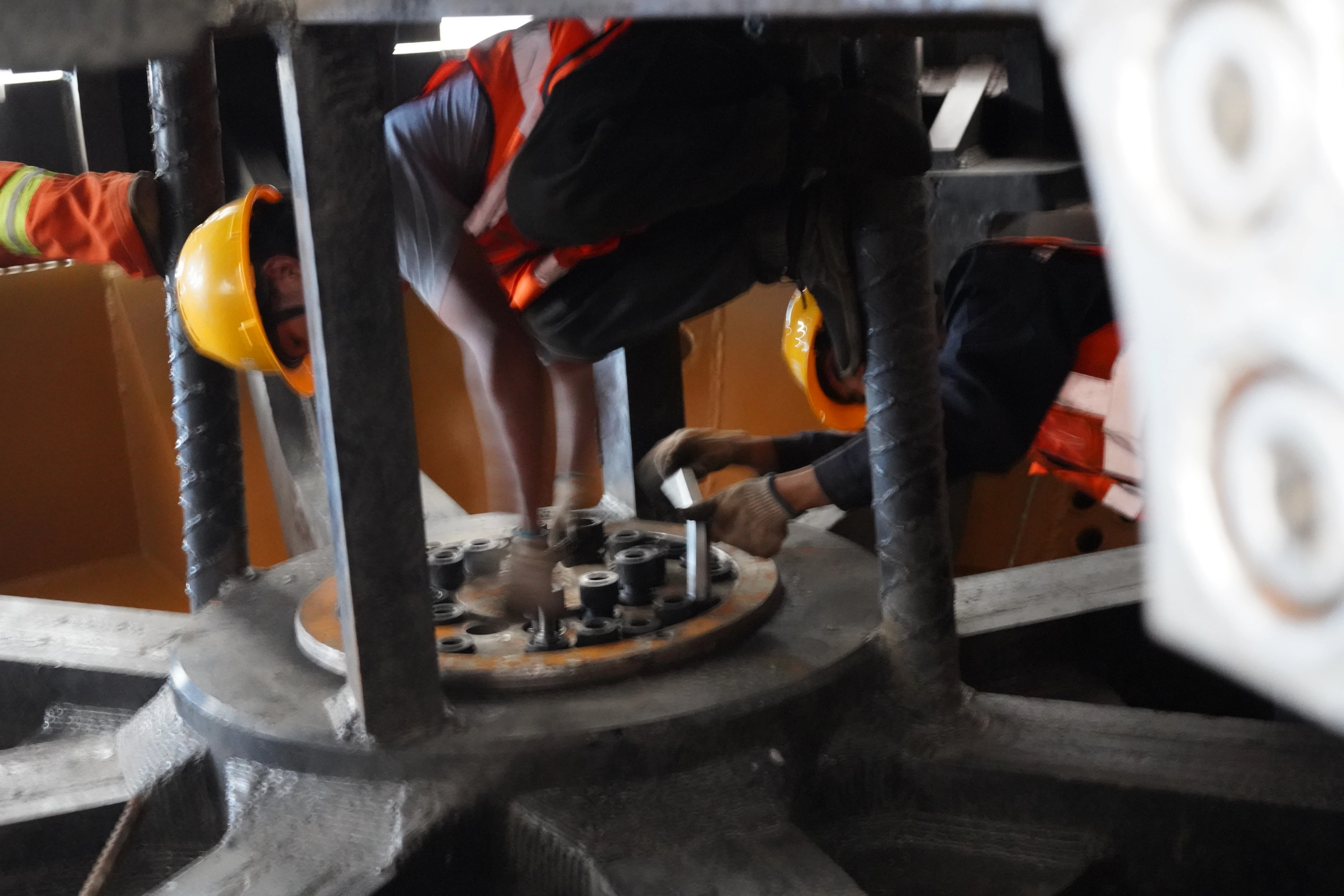
You can use CEGC’s tunnel and microtunneling machines for good specs and custom options. These tools help you deal with ground instability, water ingress, and cutterhead wear in long microtunneling jobs.
Fast Chemistry Response in Long Drives
Rapid Ground Stabilization
Long microtunneling drives have many problems. The ground can move or become unsafe. Fast chemistry solutions help keep the ground steady. Soil conditioning and grouting fill spaces between soil particles. This makes the ground stronger and safer for tunneling.
There are two main types of grouting for fast ground stabilization:
|
Grouting Type |
Description |
|---|---|
|
Permeation Grouting |
Chemical fluid grout is pushed into the ground to fill spaces between soil particles. |
|
Contact Grouting |
Grouting covers the whole tunnel after pipe jacking is finished. |
A slurry balance machine can also be used. It uses pressurized slurry to balance groundwater and soil pressure. This keeps the tunnel face stable and lowers ground settlement. The closed chamber design helps control pressure and works in different ground conditions.
Reaction times are important in tunneling. Some chemical grouts can set in 16 to 42 seconds. Fast reaction times let you stabilize the ground quickly. This keeps your project moving. You lower the risk of delays and make things safer for your team.
Quick Sealing Solutions
Water can get into your tunnel through cracks or weak spots. You need quick sealing solutions to stop water fast. These solutions use special resins and foams that react quickly with water. You can pick from many products to fit your project.
|
Product Name |
Description |
Curing Time |
|---|---|---|
|
PUR-O-STOP FS-F |
2K polyurethane resin, reacts fast, foams when touching water |
N/A |
|
FOAM SEAL PLUS |
Fast silicate resin foam, expands a lot, stops water ingress |
N/A |
|
SOLID SEAL |
Non-foaming silicate resin, pushes water out without foaming |
N/A |
|
SOLID SEAL SL |
Low viscosity silicate resin, does not foam |
N/A |
|
PUR-O-STOP FS |
Very fast 2K polyurethane resin, fills and makes things solid |
N/A |
|
PUR-O-STOP FS-L |
Slowly curing 2K polyurethane resin, safe for groundwater |
N/A |
|
RUBBERTITE® |
Rubber-like acrylate gel, very thin, good for getting into small spaces |
N/A |
|
F8000 Microfine Cement |
Single injection material made from extra-fine cement |
N/A |
These products do not need long curing times. They react and seal leaks fast. This helps you cut downtime and keep your tunneling project on track. Quick sealing solutions also make the tunnel stronger and stop future leaks.
When you compare quick sealing solutions to old methods, you see many benefits:
|
Feature |
Quick Sealing Solutions (Geopolymer) |
Traditional Methods |
|---|---|---|
|
Downtime Reduction |
Less downtime because installation is fast |
More downtime because the process is harder |
|
Long-term Integrity |
Makes the structure stronger and stops leaks |
May not keep the tunnel strong for a long time |
|
Installation Ease |
Easier and faster to use |
Harder and takes more time |
|
Resistance to Corrosion |
Very resistant to chemicals |
Depends on the material |
|
Flexibility |
Can fit pipe changes |
Not as flexible |
You can use these solutions in small diameter slurry microtunneling projects. They help keep the tunnel dry and safe, even in tough ground.
CIPP and Chemical Solutions
Cured-in-place pipe (CIPP) and other chemical solutions make tunnels stronger. CIPP is a trenchless technology that lines pipes and tunnels with a resin-soaked liner. The liner is cured with heat, steam, or UV light. This makes a strong, seamless pipe inside the old one.
CIPP has many benefits for tunneling. The material sticks to itself and cures fast. You can use it in hard-to-reach places. It resists corrosion and chemicals. It fits pipe changes and keeps the tunnel strong for years.
CIPP and chemical solutions make tunnels stronger and cut project delays:
|
Key Findings |
Description |
|---|---|
|
Reduced Porosity |
Self-sensing UHPC has much less porosity than regular self-sensing concrete. |
|
The material is very strong, which helps tunnel stability. |
|
|
Delayed Cracking Behaviour |
Cracks happen later, so tunnels last longer and delays are less likely. |
Curing is important for CIPP success. The curing temperature and time change the liner’s strength and flexibility. UV lamp irradiation can change how well curing works. You need to pick the right curing methods for your project. Fast and controlled curing helps finish the job faster and keeps the tunnel safe.
You can use CEGC’s tunnel machine and microtunneling machine for CIPP installation. These machines support advanced curing and chemical solutions. You get better productivity, less downtime, and higher safety. Supercomputer simulations help plan the best curing process for your project. Fast chemistry response makes a big difference in tunneling.
Tip: Always watch curing closely during CIPP installation. Good curing means a strong and long-lasting tunnel.
Project Impact and Application
Downtime Reduction
Fast chemistry solutions help cut downtime in microtunneling. Quick curing keeps tunnels stable. You can keep working without long breaks. Cipp gives a strong liner that cures fast. You do not have to wait days to keep tunneling. Curing takes minutes or hours, not days. Trenchless installation finishes faster. Your project stays on schedule. Advanced tunnel machine systems make curing quick and reliable. This means less downtime.
Safety and Cost Benefits
Fast curing methods make tunnels safer. Cipp makes tunnels stronger and stops leaks. You do not worry about water getting in or weak spots. Curing keeps workers and equipment safe. You save money because you need fewer repairs. Cured-in-place pipe lasts longer and needs less fixing. You spend less on materials and labor. Microtunneling with fast curing lowers risks and costs. You get a safer site and a better tunnel.
Real-World Cases
Real projects show how fast chemistry response helps. CEGC has tunnel boring and microtunneling machines for quick curing. You can use cipp in many city jobs. The dry polymer make-down system is mobile and easy to move. Flocculation treatment separates material from drilling fluid. The custom M100SS unit uses polymers well and saves money. You get strong tunnels and fast curing. These solutions help finish tunneling projects faster and safer.
|
Product Type |
Description |
|---|---|
|
Dry Polymer Make-Down System |
Small and easy-to-move system that helps microtunneling work with mobility and modularity. |
|
Modern remote-controlled machines used for pipe jacking in microtunneling jobs. |
|
|
Flocculation Treatment |
Process that separates dug-up material from drilling fluid. |
|
Custom M100SS Unit |
Made for efficient polymer use, saving materials and money. |
Tip: Always check curing methods and watch curing closely. You get stronger tunnels and better results when you pay attention to curing.
Fast chemistry response is very important for tunneling. Curing keeps tunnels safe and strong. Curing makes tunneling go faster and saves time. Curing protects people and machines. Curing stops leaks and makes tunnels last longer. Curing helps you finish tunneling quickly. Curing saves money. Curing makes tunnels better. Curing helps your project succeed. Curing gives you good results in tunneling.
|
Feature |
Description |
|---|---|
|
Customization |
You get tunnel machines made for your project. |
|
Technical Consulting |
You get expert advice for tunneling and curing. |
|
On-Site Support |
You get help from trained technicians for curing and tunneling. |
|
Engineering Support |
You get full support for tunneling and curing. |
|
Training Programs |
You learn safe ways to cure and tunnel. |
|
Parts Inventory |
You get fast parts for curing and tunneling. |
Tip: Pick curing methods that fit your tunneling project. You can ask CEGC for help with curing and tunneling.
FAQ
What is curing in microtunneling projects?
Curing means you make materials hard and strong. You use curing to keep tunnels safe. Curing helps you finish tunneling faster and avoid delays.
Why does fast curing matter for tunneling?
You need fast curing to keep tunnels stable. Fast curing lets you work quickly. Curing stops leaks and makes tunnels last longer. Curing protects workers and equipment.
How do you choose the right curing method?
You look at your tunneling project needs. You check curing time, material strength, and safety. You ask experts about curing. Curing methods depend on tunnel size and ground type.
Tip: Always monitor curing closely. Good curing gives you strong tunnels.


