
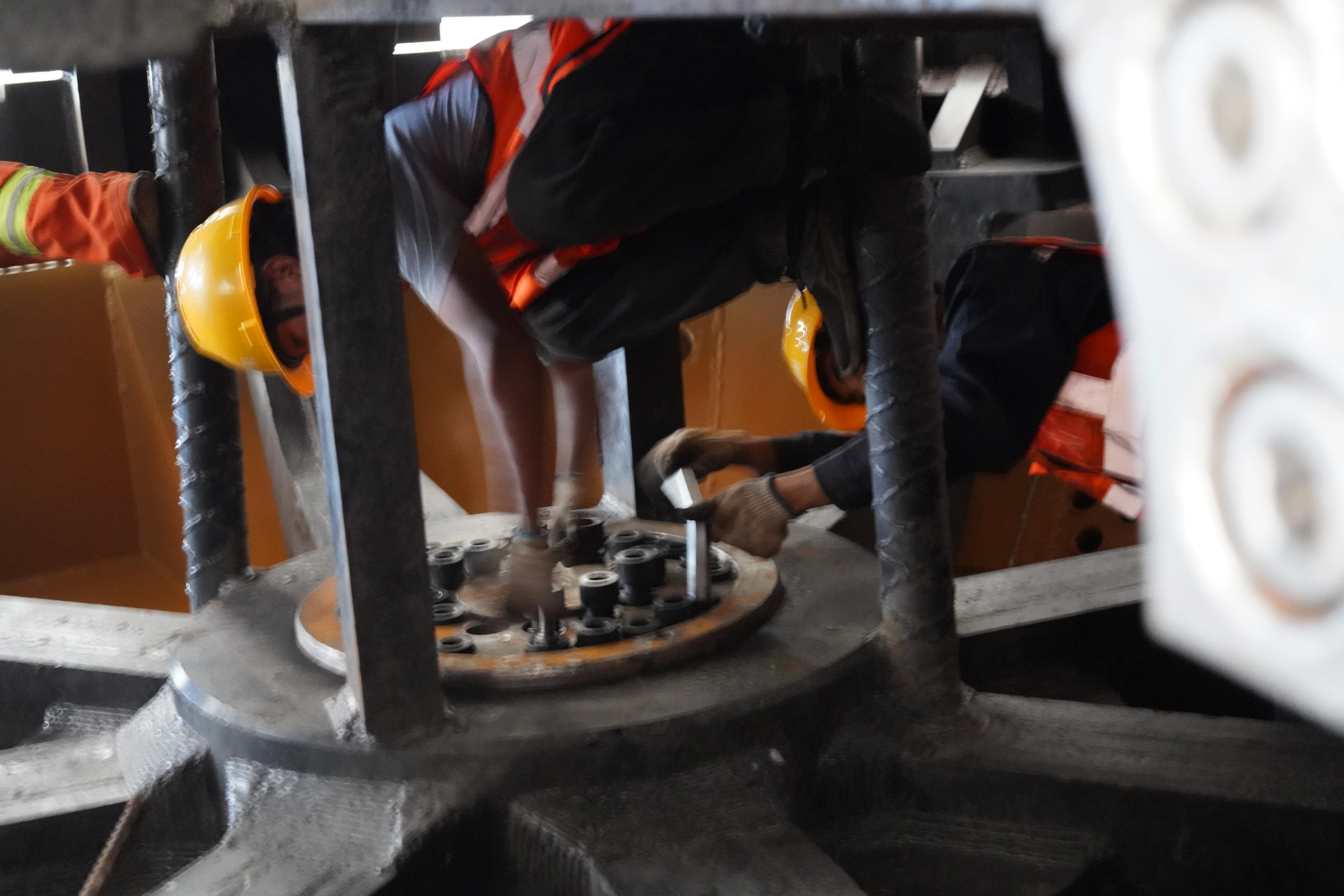
Long TBM tunnel drives need strict maintenance windows to ensure optimal performance. By adhering to a rigorous maintenance schedule, you can prevent costly breakdowns and extend the lifespan of your TBM tunnel boring machine. This proactive approach also enhances the safety of your teams. Many industry regulations emphasize that early maintenance can significantly improve equipment uptime, potentially increasing operational efficiency by 20%.
-
You avoid issues similar to the Bertha TBM, which suffered a two-year delay due to inadequate repairs.
-
You keep your tunnel project running smoothly and on schedule.
-
You meet the needs of B2B owners, EPC contractors, municipal utilities, and trenchless contractors effectively.
Key Takeaways
-
Strict maintenance windows stop expensive breakdowns and make TBM machines last longer. Regular checks and predictive maintenance find problems early, so projects stay on track. Good planning and training lower risks, make things safer, and help work go faster.
TBM Tunneling Challenges on Long Drives
Equipment Stress and Wear
Long tunnel drives put a lot of stress on equipment. The tbm has to cut through hard rock and mixed ground for many miles. This makes tools wear out faster and can slow down the work. When disc cutters get worn, the tbm needs up to 40% more force to keep cutting. If the cutters get too worn, energy use can go up by 35%. You need to check and change tools often to stop delays. Using predictive maintenance and better cutterhead designs can help with these problems. CEGC gives you modular designs and wear systems to keep your tbm working well during long tunnels.
-
Worn cutters make the tbm use more energy and shake more.
-
Waiting too long for maintenance can cause sudden breakdowns.
-
Modern monitoring lets you see tool wear and plan repairs.
Ground Conditions and Settlement Risks
You have to handle changing ground while tunneling. These changes can cause the ground to settle and make tunneling risky. The table below shows what different studies say about ground conditions and tbm tunneling:
|
Study Title |
Findings |
|---|---|
|
Monitoring and Analysis of Ground Settlement Induced by Tunnelling with Slurry Pressure-Balanced Tunnel Boring Machine |
Mixed face conditions can cause too much digging and more settlement, especially with shallow cover and water. |
|
Impact of ground conditions on slurry TBM learning phase performance in soft ground tunneling |
Ground type affects tunnel face safety and settlement risk, so good checks are needed. |
|
Editorial Tunnel boring machines (TBMs) in difficult grounds |
Ground condition is very important for tbm tunneling, especially in tricky geology. |
You can use face pressure control and ground protection from CEGC to handle these risks and keep your work safe.
Project Timelines and Urban Constraints
You often work in cities where space is small and delays cost a lot. Urban tunneling must not disturb buildings or utilities. The table below shows a real project delay:
|
Project Name |
Delay Cause |
Additional Notes |
|---|---|---|
|
Mumbai–Ahmedabad bullet train |
TBMs stuck at a Chinese port waiting for clearance |
Timeline risk involved India's Ministry of External Affairs. |
You need to work with engineers and city leaders to keep the tunnel job on time. CEGC’s modular tbm design helps you build and fix your machine even in small spaces. This support keeps your tunnel work going and cuts down on lost time.
Tip: Always plan for maintenance and use good monitoring to stop surprise stops during long tunnel jobs.
Why Long TBM Tunnel Drives Need Strict Maintenance Windows
Downtime and Cost Risks
If you skip maintenance, you face big risks. Long tbm tunnel drives need strict maintenance windows. Even a short stop can cost a lot of money. When your tunnel boring machine breaks, you lose time and money. You might miss project deadlines. If you do not plan for spare parts or crew, you pay more for emergency repairs. You also pay extra for fast shipping. The table below shows main cost risks in tunnel construction:
|
Cost Risk Factor |
Description |
|---|---|
|
Spare parts lead times |
Emergency freight costs and more downtime if you do not plan ahead. |
|
Underfunding crew |
Not enough crew means missed uptime and possible penalties. |
|
Last-mile TBM transport |
Extra costs if you misjudge transport needs. |
|
Yard capex provisioning |
Cash flow problems if you do not budget for equipment moves. |
|
Consumable burn rates |
Emergency purchases if you do not track usage. |
|
Fuel/utility usage |
Higher costs if you do not monitor site utilities. |
|
Contingent liabilities |
Sudden cash demands from risk-sharing contracts. |
|
Insurance limits |
Uncovered claims if insurance does not match contract needs. |
Long tbm tunnel drives need strict maintenance windows to avoid these risks. If you do not follow a schedule, you may face downtime and higher costs. You could even have project shutdowns. You also risk shield jamming or tunnel collapse. These problems can stop tunneling for weeks or months.
Safety and Compliance
Safety is always important in tunneling. Long tbm tunnel drives need strict maintenance windows to keep your team safe. You must follow all rules. If you skip checks, you increase hazard risks. These hazards include fire, flooding, or collapse. You also risk breaking safety laws. This can lead to fines or work stoppages. Real-time monitoring helps you spot problems early. You can fix them before they become dangerous.
You must check your tunnel boring machine often. Daily inspections and preventive schedules help you find issues early. You also need to keep good records. This shows you follow safety rules. If you do not, you may face legal trouble. You could lose your tunneling license. CEGC’s service-friendly design and diagnostics make it easier to keep up with safety and compliance needs.
Note: Always train your team on emergency steps. Keep them updated on the latest safety rules. This keeps everyone ready for any problem during tunneling.
Maximizing TBM Performance
You want your tbm tunnelling performance parameters to stay high. Long tbm tunnel drives need strict maintenance windows to keep your tunnel boring machine running well. If you ignore maintenance, you risk lower advance rates. You may have more jamming and shorter machine life. You also spend more on repairs. You lose time fixing problems that could have been prevented.
You can use many tools to help plan and track maintenance. The table below lists best practices for keeping your tunnel boring machine in top shape:
|
Diagnostic Tool/Practice |
Description |
|---|---|
|
Daily Inspections |
Check performance data to spot early problems. |
|
Preventive Schedules |
Set maintenance times based on machine use and ground type. |
|
Firmware & Software Health |
Update systems to keep controls stable. |
|
Component Monitoring |
Track wear on key parts to plan replacements. |
|
Predictive Maintenance |
Use vibration and heat checks to find hidden issues. |
|
Hardware Inspection |
Look for damage or stress on machine parts. |
|
Documentation |
Keep logs of all work for compliance. |
|
Team Training |
Teach your crew the latest repair and safety steps. |
|
Vendor Coordination |
Work with CEGC for support and spare parts. |
|
Downtime Minimization |
Plan big repairs during scheduled stops. |
You can boost efficiency and avoid tunnel collapse by following these steps. CEGC offers support packages and modular designs. These help you stick to your maintenance plan. This keeps your tunneling project on track. It reduces the risk of shield jamming or other failures. Good risk management and real-time monitoring help you spot problems early. This keeps your tunnel boring machine working smoothly.
Long tbm tunnel drives need strict maintenance windows to control costs and protect safety. They also keep your tunneling project moving forward. If you follow a strict plan, you avoid hazard risks. You keep your tunnel construction safe and efficient.
Maintenance Strategies for TBM Tunneling Success
Routine Checks and Predictive Maintenance
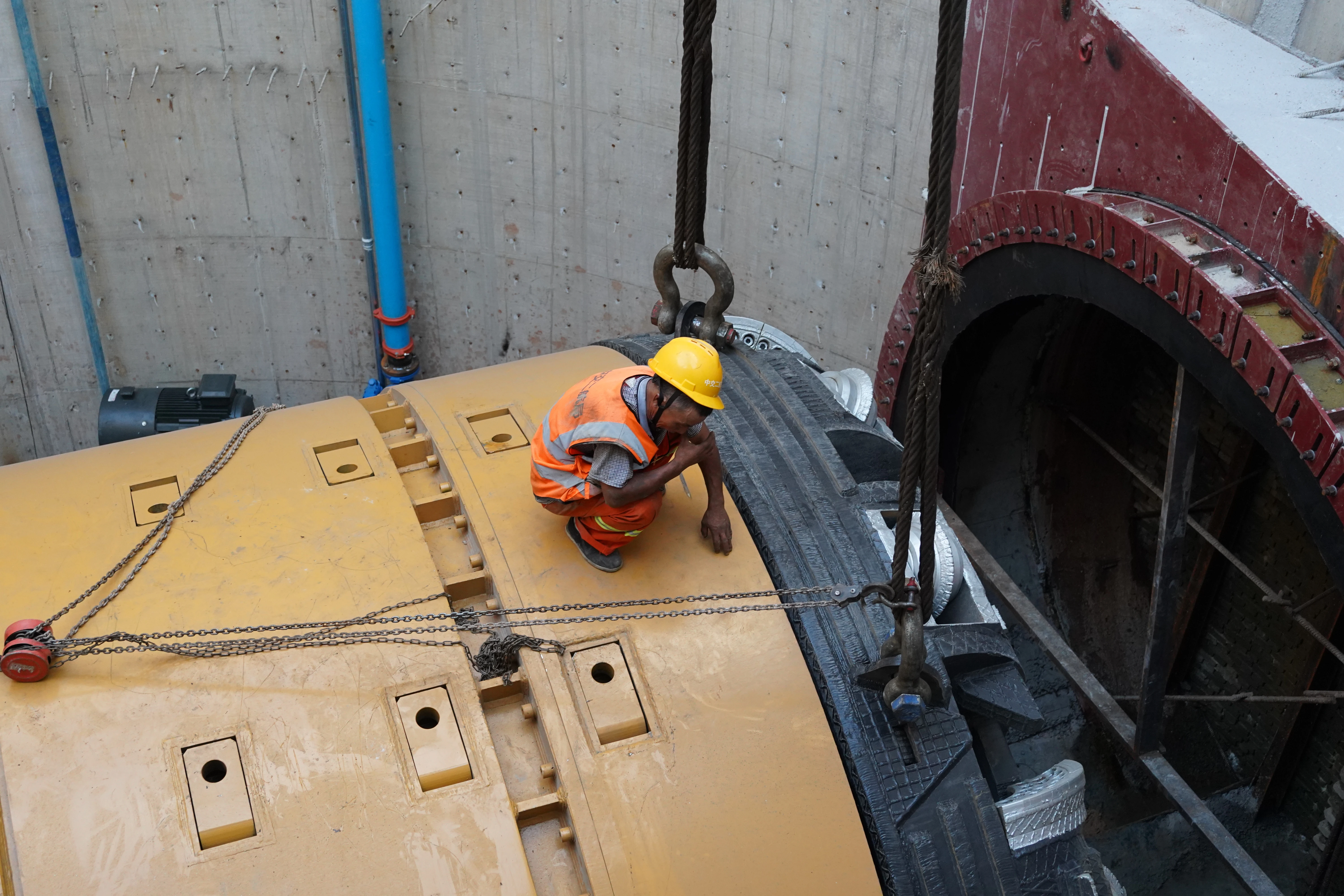
You need a good plan for routine checks. This helps your tunneling project stay on track. Start each day by looking at your tunnel boring machine. Check for any worn or broken parts before you start work. Make sure to do maintenance every day, week, and month. Always check fluids and keep moving parts oiled. Clean and look at the pilot tube after each use. Paint parts again to stop rust, especially in wet places. Calibrate the guidance system often so your tbm stays accurate.
Predictive maintenance uses sensors on your tbm. These sensors collect data about how the machine works. AI systems can find patterns and warn you early. Real-time data helps you make smart choices and avoid delays. Algorithms can even tell you about motor problems before they stop your work.
Staff Training and Workflow Optimization
Train your team to follow the best steps for maintenance. Teach them to use digital tools for live monitoring. When your crew sees live data, they can act fast. This helps avoid delays and keeps everyone safe. Automation in tunnel maintenance finds problems early. Early risk detection means fewer emergencies and lower costs.
Leveraging CEGC Solutions
CEGC gives you tools that make maintenance easier. Automated control systems handle simple tasks and keep things steady. Ground condition monitoring helps you react fast to changes. Use regular checks and planned schedules to stop breakdowns. Daily checks and regular tests keep your tunnel boring machine working well. With CEGC, you get help for every part of your tunneling job.
You keep your tunnel boring machine safe by following strict maintenance windows. Good planning helps you find risks early and change your work. The table below shows how planning helps you:
|
Benefit |
Description |
|---|---|
|
Predictive models help you find risks before they cause problems. |
|
|
Operational Adjustments |
You can change your work steps based on forecasts. |
|
Schedule Maintenance |
You keep your project on time and stable. |
|
Optimization of Parameters |
You improve speed and pressure for better results. |
|
Real-time Data Integration |
You use data to match your work to ground conditions. |
You can work with CEGC to make better checks and train your team. Start by looking at your plan and add new tools for tracking and help.
FAQ
What is a TBM maintenance window?
A TBM maintenance window is a set time for checks. You plan when to look at and fix your tunnel boring machine. This helps keep your equipment safe. It also helps your project stay on track.
How often should you inspect your TBM machine?
You need to look at your TBM machine every day. You should also do weekly and monthly checks. These deeper checks help stop problems before they start.
Why choose CEGC for your tunnel machine maintenance?
CEGC gives you modular designs and easy-to-use diagnostics. They offer strong support for your team. CEGC helps you have less downtime and better tunneling results.


