
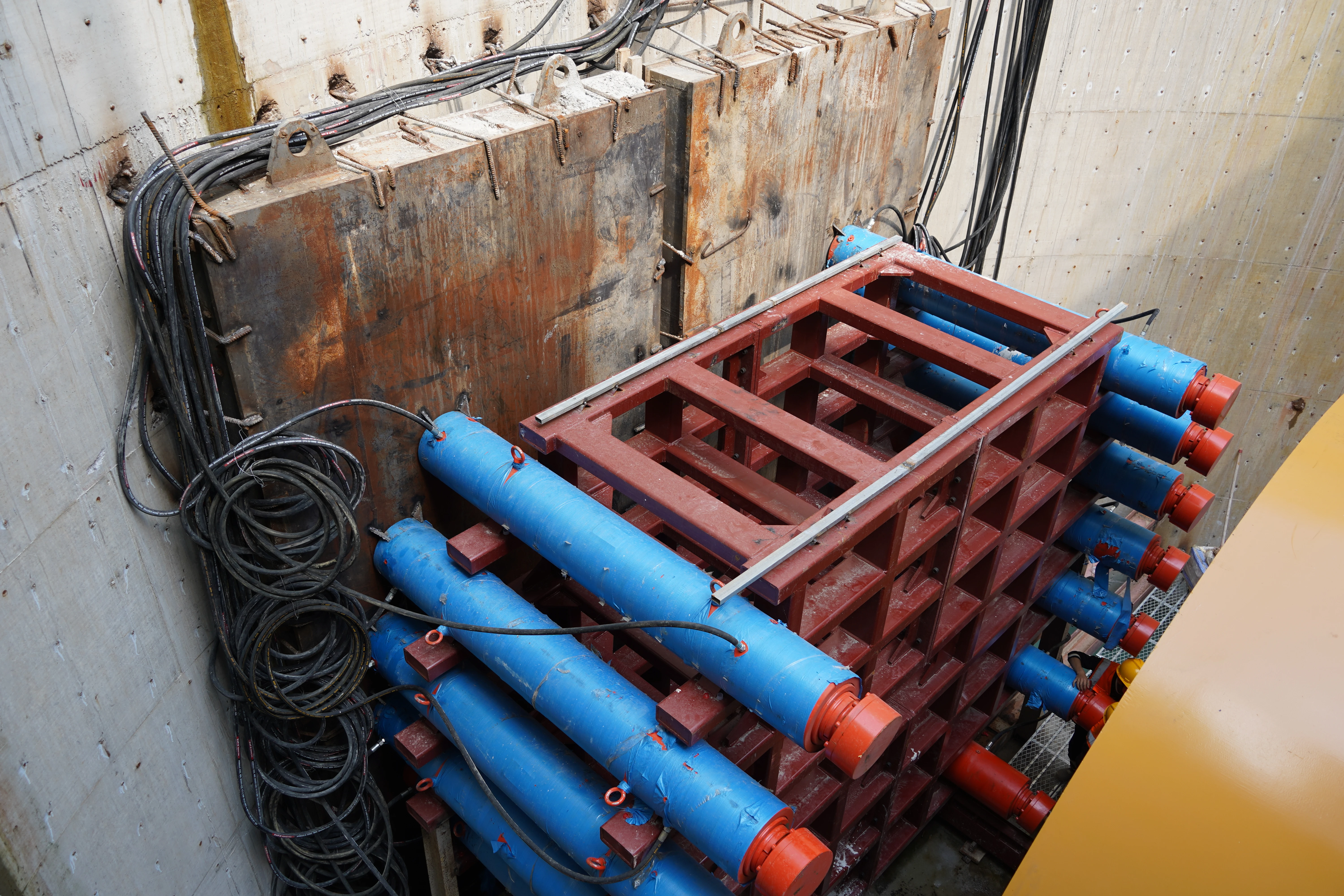
Selecting the right cutters for mixed TBM tunnel geology is a challenging task. Tunnel machine operators often encounter soft soil, bouldery ground, and hard mixed layers. A thorough geological study is essential to stock the right cutters for mixed TBM tunnel geology. CEGC provides both products and expert advice to ensure optimal cutter selection for your project.
|
Key Parameter |
Description |
|---|---|
|
Soft, hard, coarse soil, bouldery, soft mixed, hard mixed |
|
|
Cutter Type |
Disc, roller, and other cutter types for different ground |
Key Takeaways
-
Do a careful check of the ground before picking cutters. Knowing the soil and rock types helps you pick the best tools for your tunnel boring machine.
-
Use decision tree methods to match cutters to the ground. This way lowers risks and makes your TBM work better.
-
Check cutter wear often and plan to replace them. Finding wear early stops expensive delays and keeps your project moving.
How to stock the right cutters for mixed TBM tunnel geology
Geology assessment essentials
First, you need to study the geology before picking cutters. This helps you know what your tunnel boring machine will face underground. You should gather and look at different types of geological data:
-
Groundwater presence and pressure
-
Tunnel depth and diameter requirements
Lab tests like the Unified Soil Classification System help sort soil samples. These tests show which tunnel drilling machine and cutterhead design will work best. You also need to check groundwater levels and pressure. High groundwater can make the tunnel boring machine and cutterhead work harder. Tunnel depth and diameter are important too. Big tunnels usually need full-face TBMs. Small tunnels may use segmental TBMs. All these things help you pick the right machine and cutter type.
Tip: Always read the geology report for mixed layers. The report shows where soft soil, hard rock, and bouldery ground are found. It helps you plan changes in cutterhead design and tool setup.
Matching cutters to ground conditions
You need to match each cutter to the ground type. Mixed geology means your tunnel boring machine will face many kinds of ground. You must use different ways to pick the best cutter for each part.
Tests like the Cerchar test and LCPC test measure how rough the rock is. These tests help you guess how fast TBM disc cutters will wear out. You can also use a TBM cutter test bench to see how cutter rings work in different rocks. This helps you choose the right cutter spacing and cutterhead design.
You should use decision tree methods to pick cutter types. These methods look at geology, machine type, tunnel size, and cutter type. Geology is the most important thing. Decision tree tools like CART and KNN can guess which cutter works best. This way, you lower risk and make the TBM work better.
|
Benefit in Mixed Ground Conditions |
|
|---|---|
|
Adaptive Systems |
Respond to changing ground conditions automatically |
|
Pressure Control Systems |
Adjust face support based on ground stability requirements |
|
Variable Speed Drives |
Optimize cutting parameters for different rock types |
|
Real-time Monitoring |
Identify geological changes and modify excavation parameters accordingly |
|
Interchangeable Cutterheads |
Designed for mixed face conditions encountered during tunneling |
You need to check cutter wear and plan replacements. Regular checks help you find worn or broken cutters early. In hard rock, small problems can quickly hurt the cutterhead. You should plan for debris removal and change how the machine works, like adjusting thrust and torque, to make cutters last longer.
Tunnel boring machine cutter types
You should know the main cutter types for mixed TBM tunnel geology. TBM disc cutters are best for hard rock. Roller cutters are good for softer ground. Hybrid cutterheads mix disc cutters with tungsten-carbide roller bits. This helps tunnel boring machines work in mixed layers.
Modern TBM cutterhead designs use hybrid setups. These have double disc cutters, precut rippers, and button rippers. This setup makes tools last longer and wear out less. AI systems now help improve cutter performance in real time. These systems look at geology and change how the machine digs.
|
Innovation |
Description |
|---|---|
|
Uses double disc cutters, precut rippers, and button rippers for durability |
|
|
Real-time Adjustments |
AI systems optimize cutter performance based on geology |
|
Performance Improvements |
Higher penetration rates and longer cutter life |
You must follow international rules when picking cutters for mixed TBM tunnel geology. These rules say to use hybrid cutterheads for mixed ground. They also want features like changing cutters under pressure and having extra cutters on board.
Environmental factors matter for cutterhead design and tool setup. You need to think about groundwater and surface settlement limits. These things affect which TBM and cutterhead you use. Disc cutters are better for hard rock and make less impact on the environment. Roller cutters are better for soft ground.
You should check the cutterhead often. One blocked cutter can break other cutters. This can slow down your tunnel project. You need to plan for quick cutter changes and good debris removal.
Note: Stocking the right cutters for mixed TBM tunnel geology helps your tunnel boring machine run well. It cuts down on delays and keeps your project safe.
Inventory and maintenance planning
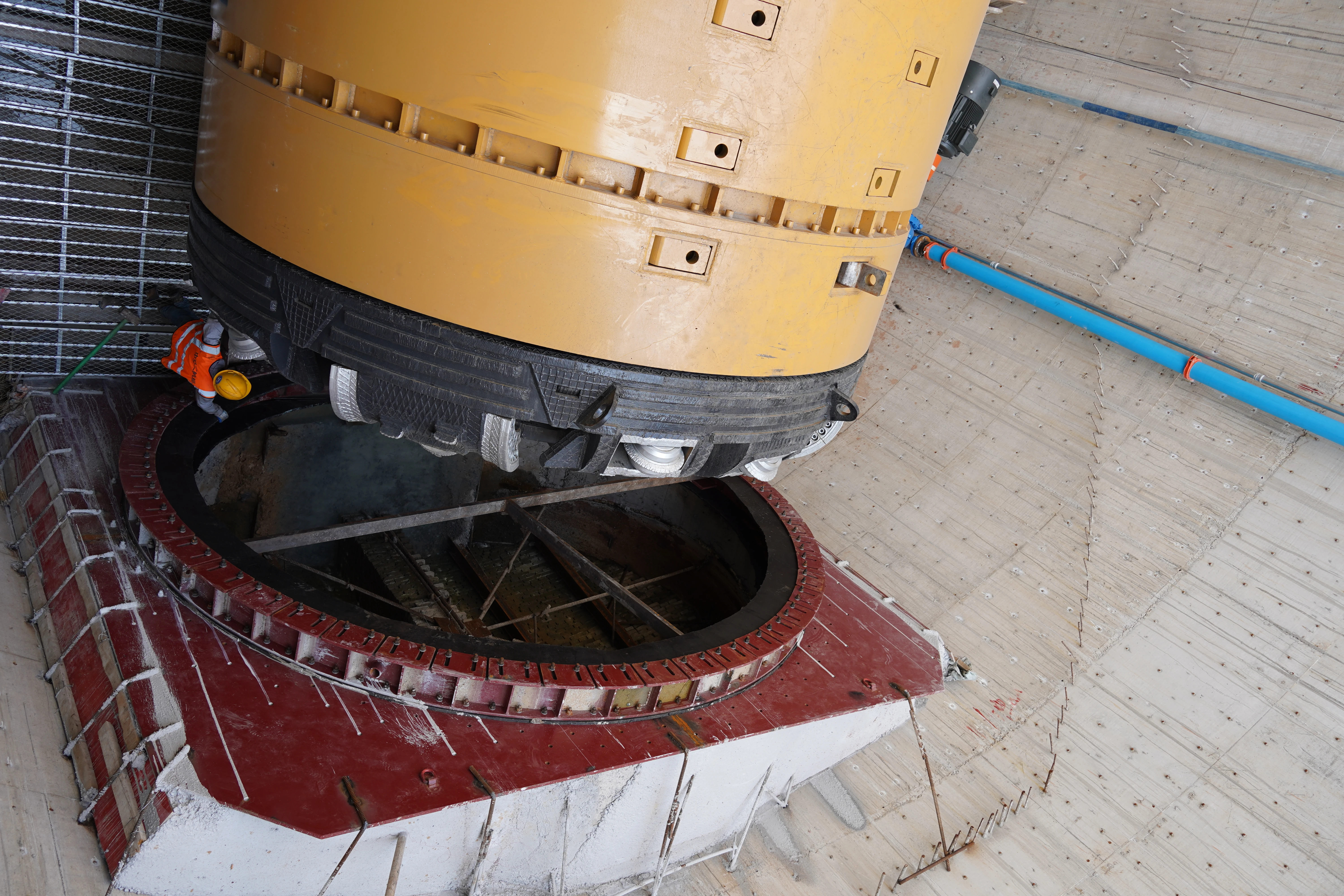
Strategic stocking and spare ratios
You need a smart plan to stock cutters before work starts. Different ground types wear out cutters at different speeds. Glacial geology wears cutters faster, so you need more spares. There are seven classes for how rough the ground is. You can use a model to guess how long each cutter will last. This helps you know how many cutters to keep ready. Always have extra cutters in case you find mixed layers.
|
Geological Condition |
Wear Rate Characteristics |
Recommendations |
|---|---|---|
|
Glacial Geology |
Higher wear rates due to abrasiveness |
Use optimal tbm cutter head configurations and monitoring technology |
Think about tunnel length, cutterhead design, and machine type when picking spare ratios. A good rule is to keep 10-15% more cutters than your model says.
Monitoring wear and scheduling replacements
You must check cutter wear often to keep your machine running. Use sensors in the tbm cutter head to track wear, heat, and shaking. Real-time data helps you find problems early. This lets you fix things before a cutter breaks.
-
Regular checks and quick repairs help tbm disc cutters last longer.
-
High-performance cutters mean you stop less for replacements.
-
Good cutters help your tunnel drilling machine work faster and better.
A hybrid tbm cutter head with double disc cutters, precut rippers, and button rippers works well in mixed layers. You can change cutter spacing and height to make them work better.
|
Aspect |
Details |
|---|---|
|
Cutter Configuration |
Hybrid with double disc cutters, precut rippers, button rippers |
|
Cutter Spacing |
Reduced from 100 mm to 50 mm for better wear resistance |
|
Performance |
Penetration rate 39 mm/min, cutter life up to 2105 m³ per type |
Cost efficiency in cutter management
You save money by balancing inventory and maintenance. Preventive maintenance stops failures before they happen. Predictive maintenance uses real-time data to plan repairs only when needed. This keeps your tunnel boring machine moving and lowers extra costs.
|
Maintenance Type |
Description |
|---|---|
|
Preventive Maintenance |
Scheduled work to stop failures |
|
Predictive Maintenance |
Uses real-time data to plan repairs |
|
Inventory Management |
Keeps enough cutters ready without wasting money |
|
Optimizing Cutting Techniques |
Improves performance and lowers wear on cutters |
Good cutterhead design and tool setup help you avoid delays. You keep your tunnel drilling machine working, finish the tunnel on time, and control costs. Always check your cutterhead design and tool setup for each tunnel project.
You can make your tunnel boring machine work better by picking cutters in a smart way. First, you need to study the geology very carefully. Then, you use facts and numbers to manage your cutter supply. Planning ahead helps your project run smoothly. CEGC gives you help with expert advice, engineering help, and training.
|
Service Type |
Description |
|---|---|
|
Technical Consulting |
Project planning, equipment selection, and operational optimization |
|
Engineering Support |
Solutions for complex geology and trenchless projects |
|
Training Programs |
Equipment operation, maintenance, and troubleshooting |
FAQ
What is the best way to choose a cutter for mixed tunnel geology?
You should study the tunnel geology report. You need to match each cutter to the ground type. This helps your tbm work better and keeps your tunnel safe.
How often should you check cutter wear in a tbm tunnel project?
You should check cutter wear every day. Use sensors on your tbm to track cutter condition. This keeps your tunnel boring machine running and avoids delays.
Can you use the same cutter for all tunnel layers?
No, you cannot use the same cutter for every tunnel layer. You must pick a cutter that matches each ground type. This helps your tbm and tunnel drilling machine last longer.


