
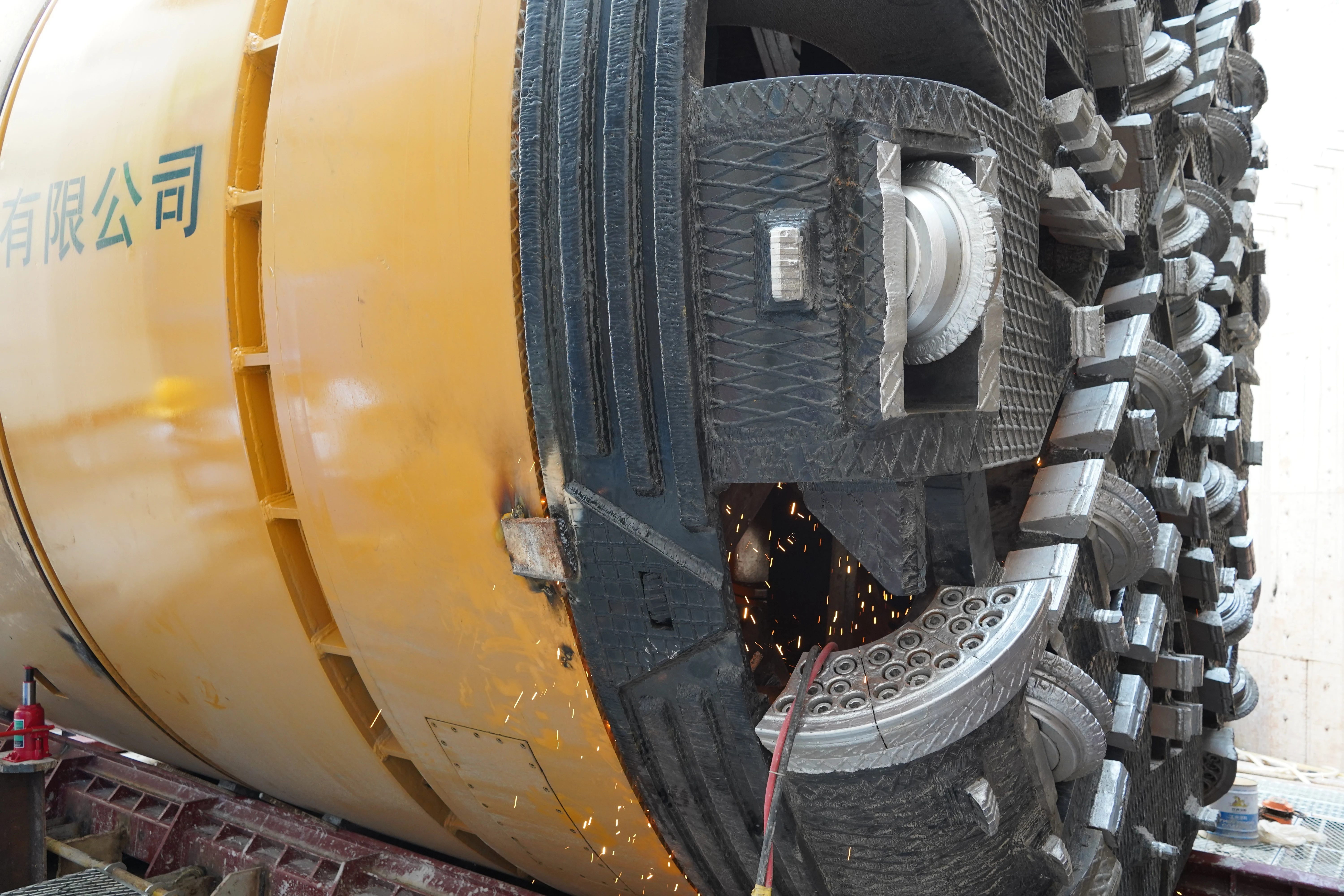
Thrust balance can reduce seal wear on a TBM machine, which is crucial as cities expand and require more infrastructure. CEGC designs each tunnel machine to be robust and cost-effective in terms of ownership. By maintaining good thrust balance, the seals and internal components are protected, minimizing the need for repairs and extending the machine's lifespan.
Key Takeaways
-
Keeping thrust balance in a TBM machine helps protect seals and inside parts. This means there are fewer repairs and the machine lasts longer. - Check ground conditions often and change thrust settings when needed. This stops seal wear and makes tunneling smoother with fewer delays. - Use sensors and real-time data to watch thrust and pressure levels. This lets you make fast changes that help the machine work better and stay safe.
Thrust Balance in TBM
Force Distribution and Machine Performance
It is important to know how force moves in your TBM. When you use a tunnel boring machine, the hydraulic cylinders inside push and pull with different strengths. These strengths change when the ground changes. If you do not keep the thrust balanced, the seals inside the machine can wear out quickly. This means you might have to stop working more often and pay more for repairs. When force is spread out well, the machine stays steady and does not break suddenly. If you push harder, the cutter ring gets hotter. This heat makes the cutter wear out in a different way. In soft ground, the cutter does not wear much. In hard rock, you need to slow down the TBM to keep the cutters and seals safe. Good force control helps your project finish on time and keeps your machine working longer.
Thrust Mechanisms in Tunnel Boring Machines
There are different thrust mechanisms in today’s TBM systems. The propulsion system uses hydraulic cylinders to move the cutter head forward. Some machines have gripping systems that press against the tunnel walls to stay steady. In broken rock, the thrust cylinders push on concrete pieces that are already in place. The table below shows how each TBM type uses thrust to make tunneling safe and smooth:
|
Type of TBM |
Operational Principle |
|---|---|
|
Double Shield TBM |
Uses thrust cylinders to push off against tunnel segments in unstable ground, keeping thrust balanced. |
|
Single Shield TBM |
Works like Double Shield but only in broken ground, pushing on concrete pieces. |
|
Earth Pressure Balance |
Keeps earth and pressure even, using thrust cylinders to move forward and hold soft ground steady. |
|
Slurry Shield |
Like EPB, uses thrust cylinders to push on concrete pieces in soft ground. |
You need to match thrust force, cutter head speed, and how fast you move forward for the best results. Harder rock means you need more thrust and must go slower. Automation systems now help you change these settings as you work, making tunneling safer and better. When you balance thrust well, you stop seals from wearing out and help your TBM work better.
How Thrust Balance Can Reduce Seal Wear on a TBM Machine
Seal Wear Causes in Tunnel Machines
You need to understand why seals in a TBM can fail. Seals keep dirt, water, and mud out of the machine. When you use a tunnel machine for tunnelling, the seals face a lot of pressure. If you do not control the forces inside the TBM, the seals can break down faster. This happens when the thrust balance can reduce seal wear on a tbm machine is not correct. You might see leaks or even machine stops if the seals fail.
Many things can cause seal problems. You may see seal wear if the ground is very hard or if the machine pushes too much. You can also have trouble if the TBM moves unevenly during tunnelling. When you do not keep the thrust balance can reduce seal wear on a tbm machine, the seals get squeezed or pulled in the wrong way. This makes them weak. You need to check the seals often and watch for signs of damage. If you see oil or grease near the seal, you should stop and fix the problem.
Tip: Always check the pressure gauges and listen for strange sounds during tunnelling. These signs can help you spot seal problems early.
Relationship Between Thrust and Seal Longevity
You can make your TBM last longer by keeping the thrust balance can reduce seal wear on a tbm machine. When you keep the forces even, the seals stay strong. You do not have to stop tunnelling for repairs as often. This means your project can finish on time and you save money.
Let’s look at what happens if you do not keep the thrust balance can reduce seal wear on a tbm machine:
-
The seals get hot and soft.
-
The seals start to leak.
-
The TBM needs more repairs.
-
The tunnelling stops more often.
You can see that thrust balance can reduce seal wear on a tbm machine in many ways. If you use too much thrust, the seals get crushed. If you use too little, dirt can get inside. You need to keep the thrust balance can reduce seal wear on a tbm machine for every tunnelling job.
Here is a table to help you see the difference:
|
Thrust Balance Status |
Seal Condition |
Tunnelling Result |
|---|---|---|
|
Good thrust balance can reduce seal wear on a tbm machine |
Seals last longer |
Fewer stops, more progress |
|
Poor thrust balance |
Seals wear out quickly |
More repairs, more delays |
You can use sensors to watch the thrust balance can reduce seal wear on a tbm machine. These tools help you keep the TBM safe. You can also train your team to spot problems early. When you do this, you make sure your tunnelling project goes well.
Note: Thrust balance can reduce seal wear on a tbm machine is one of the best ways to protect your investment in a TBM. You get more tunnelling done with less downtime.
Practical Steps for Maintaining Thrust Balance in TBM
Operator Best Practices
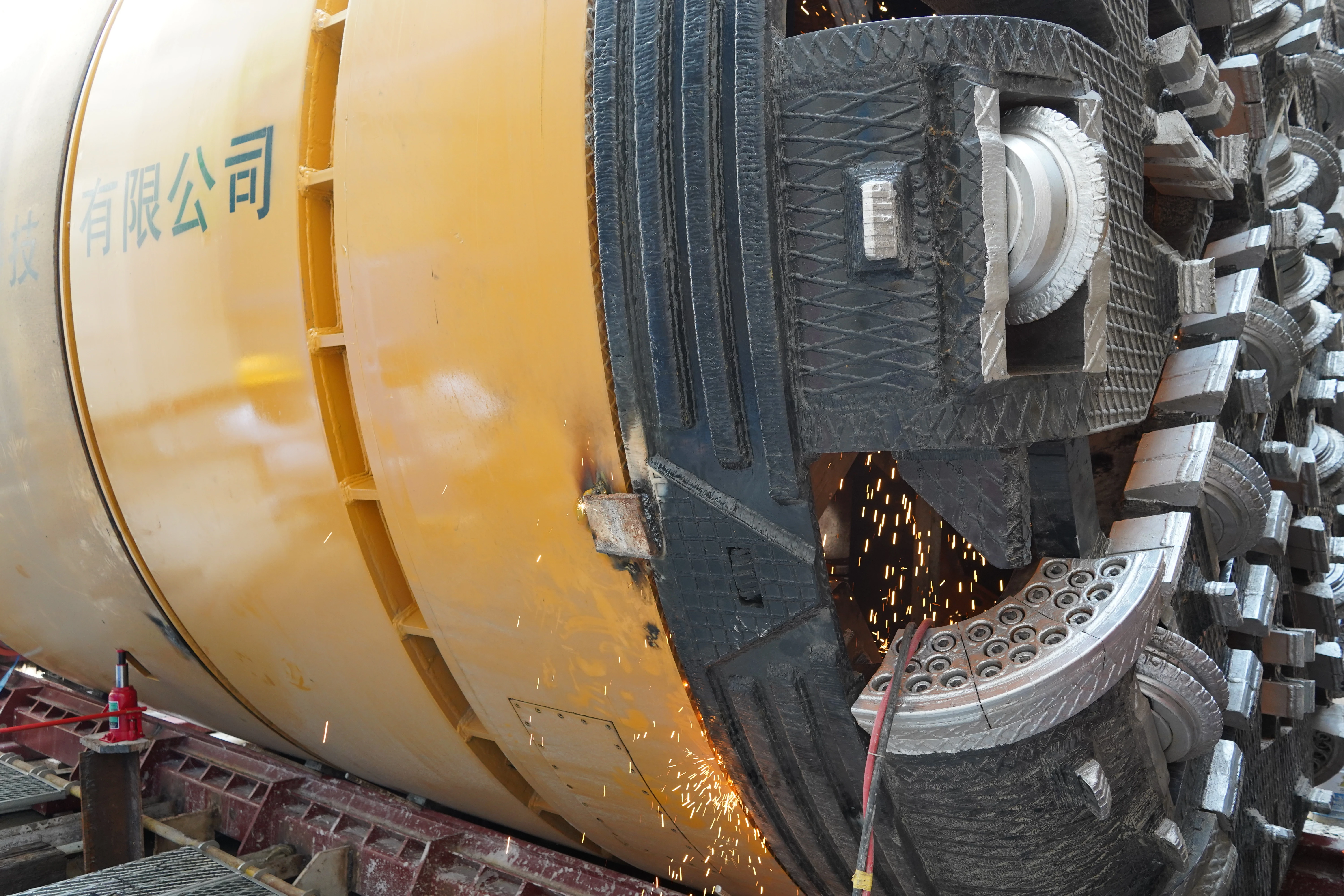
You play a key role in keeping your tbm running smoothly during tunnelling. You should always start with a good ground investigation. This helps you spot any problems that could affect propulsion or thrust. You need to understand how cutterhead torque and thrust forces work together. This knowledge helps you choose the right tbm for your tunnel construction project and keeps your tunnelling safe.
Here are some best practices for you:
-
Check ground conditions before you start tunnelling.
-
Watch the cutterhead torque and thrust readings often.
-
Adjust propulsion settings based on what you see in real time.
-
Keep the propulsion system clean and well-oiled.
-
Train your team to spot changes in machine behavior during tunnelling.
-
Record all propulsion and thrust data for each shift.
When you follow these steps, you help your tbm last longer and improve tunneling efficiency.
Monitoring and Adjustment Techniques
You need the right tools to keep your tbm in top shape. Ground condition monitoring lets you make quick changes to propulsion settings. You should track face conditions, groundwater, and ground settlement. These checks help you keep the propulsion system balanced.
You can use sensors to watch cutterhead torque, thrust force, and pressure levels. Real-time data helps you adjust propulsion and avoid seal wear. In an EPB-tbm, you control the pressure in the chamber to match the ground outside. This keeps the propulsion system steady and protects your machine during tunnelling.
Tip: Always check your monitoring tools before each shift. Good records help you spot problems early and keep your tunnelling project on track.
By using these steps and tools, you make sure your tbm works safely and efficiently on every tunnelling job.
You can save money on repairs if you keep thrust balance in your tunnel machine. This also helps the seals last longer. Studies show that good thrust control makes the TBM work better and break down less. You will not have to stop working as much. For machines you can trust, check out CEGC’s small-bore underground boring machines. You can find more information at https://cegcequip.com.
FAQ
What is the smallest diameter available in CEGC's Microtunnelling Machine range?
You can get a tunnel machine with a cutterhead as small as 150 mm. The shield and conditioning system work well in tight spaces. Soil conditioning additives help the machine move through the ground.
Can a small auger boring machine be operated by a two-person crew?
A tunnel machine with a cutterhead and shield can be run by two people. Conditioning steps make it easier to handle the soil. Soil conditioning additives help the job go smoothly.
What is the lead time for a small CEGC underground boring machine?
You will get a tunnel machine with a cutterhead, shield, and conditioning system in about four weeks. The machine is ready to use with soil conditioning additives.


