
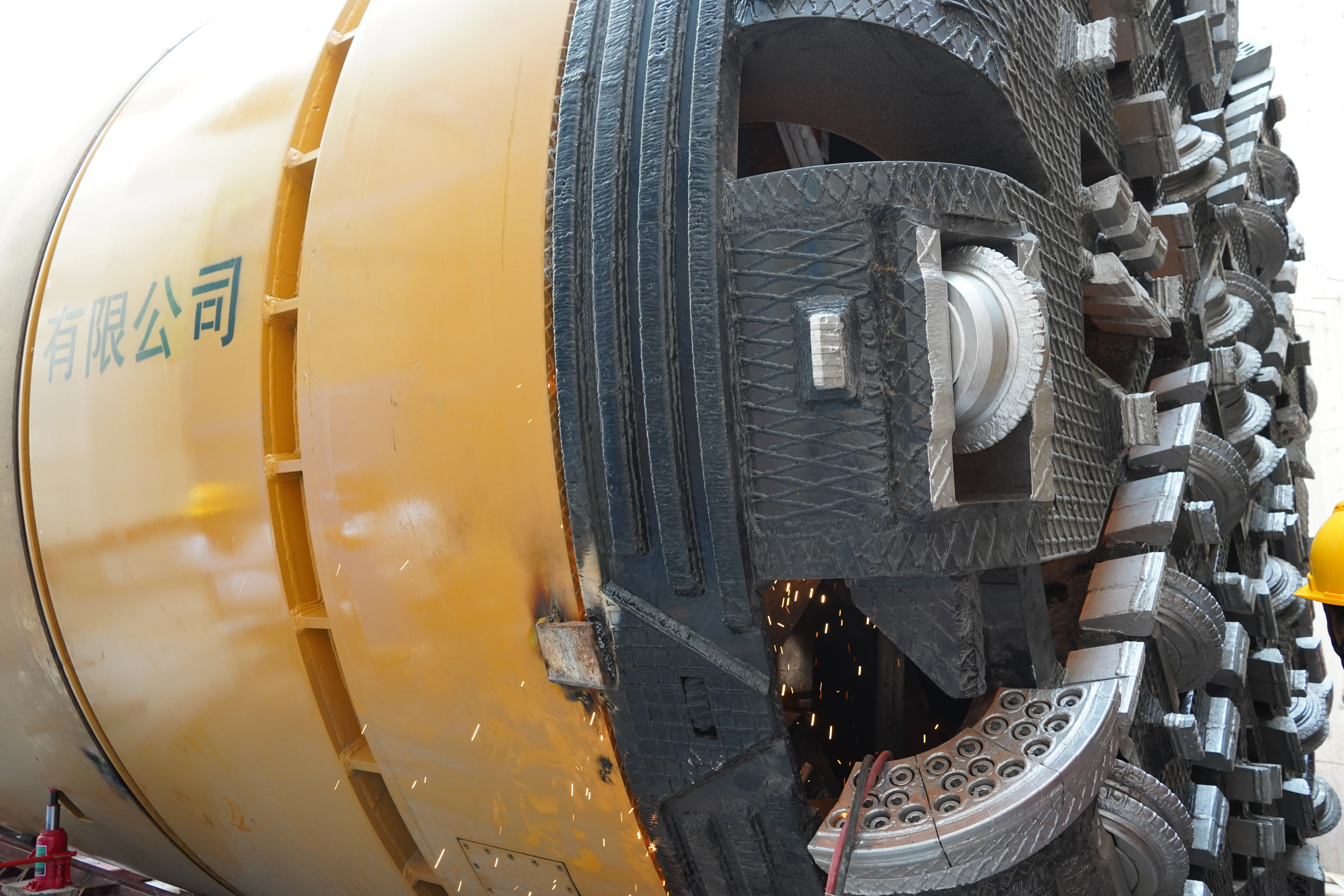
When micro tunneling thrust balance cuts stoppage frequency, you experience fewer interruptions during your tunneling operations. CEGC provides high-quality small-bore tunnel machines designed to maximize efficiency and reliability. These tunnel machines help you save both time and money on your projects. Review the table below to see how micro tunneling thrust balance cuts stoppage frequency, enhances equipment performance, maintains ground stability, and accelerates project completion with CEGC solutions.
|
Benefit |
Description |
|---|---|
|
Equipment Performance |
Tunnel machine works efficiently with minimal stoppages |
|
Ground Stability |
Soil remains stable throughout the boring process |
|
Project Efficiency |
Projects are completed faster with fewer complications |
Key Takeaways
-
Keeping thrust balance in microtunneling helps stop work from being interrupted. This makes the work go smoother and finish faster.
-
Picking the right cutting head and changing jacking force for different soils helps the machines work better. It also keeps them from getting damaged.
-
Doing things like soil conditioning and remote monitoring helps keep thrust balance steady. This makes the whole project work better and faster.
Thrust Balance in Microtunneling
What Is Thrust Balance?
It is important to know about thrust balance when you do microtunneling. Thrust balance means the jacking equipment pushes with the same force as the ground pushes back. This balance helps the tunnel machine move forward without trouble. The jacking equipment sits in a shaft and pushes the tunnel machine through the soil. If thrust stays balanced, the tunnel machine does not stop suddenly or get out of line. Microtunneling needs this balance to keep working safely and smoothly.
Role in Tunnel Machine Operation
Thrust balance is very important in microtunneling. It helps control the jacking force and keeps the tunnel machine steady. If thrust balance is lost, the tunnel machine can move the wrong way or get stuck. Microtunneling happens in many kinds of soil, so you must change thrust for each type. For example:
-
Mixed shield tunnel boring machines can use earth pressure balance or slurry shield modes. This lets you handle thrust when the ground changes.
-
The jacking force goes through cylinders that connect to a thrust wall. This keeps the tunnel machine steady.
-
You add jacking pipes one at a time as you dig. Thrust balance helps keep the tunnel straight.
These steps are needed for microtunneling to work well.
Why Thrust Balance Matters
Thrust balance gives you better results in microtunneling. It affects how stable the machine is, how strong the jacking force is, and how well the project goes. If you keep thrust balanced, the tunnel machine lasts longer and stops less often. You also protect the ground above and around the tunnel. CEGC makes small-bore tunnel machines that use thrust balance. These machines have features like:
|
Component/Aspect |
Description |
|---|---|
|
Uses pressurized slurry to keep soil and water pressure even at the tunnel face. |
|
|
Thrust Pressure Management |
Balances thrust and slurry pressure with ground forces for a steady tunnel face. |
|
Remote Control Systems |
Lets you watch and control jacking from a safe place. |
|
Jacking Equipment Configuration |
Sits in the shaft and uses cylinders to push for steady microtunneling. |
Soil changes during microtunneling. Sometimes you work in gravel with lots of water, or face high water pressure. You must change thrust balance for each new situation. For example, in sand with lots of water, you use less thrust. When water pressure gets high, you must act fast to keep the tunnel safe. Microtunneling works best when you pay attention to these things. You finish projects faster and with fewer problems.
How Thrust Imbalance Causes Stoppages
Common Stoppage Triggers
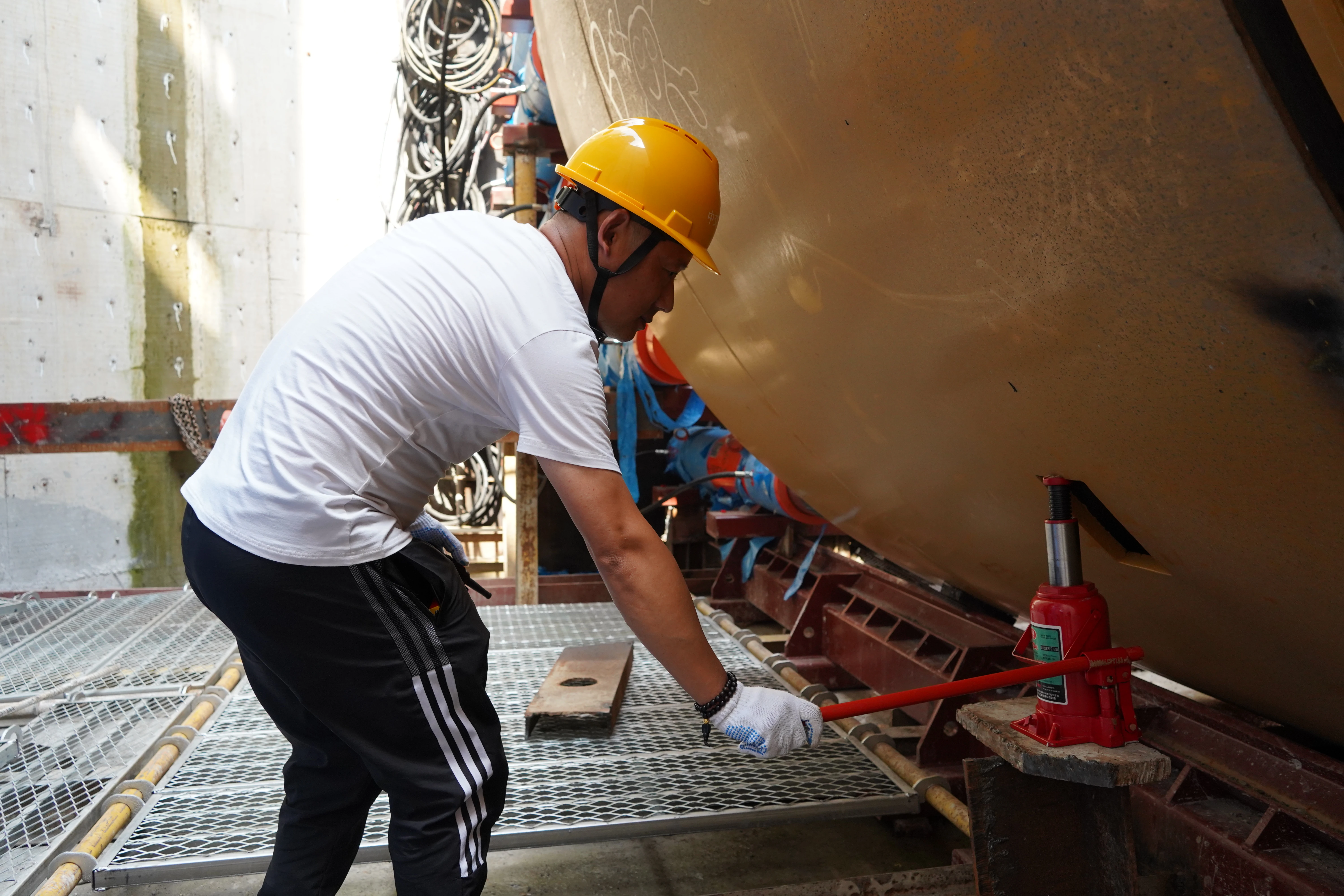
There are many things that can stop microtunneling work. If jacking forces are too strong, the tunnel boring machine can go off track. An unstable thrust block makes the tunnel machine lose balance. Soil can change fast and make the Microtunnelling Machine jam or stop. If you do not control thrust, the tunnel machine can get stuck or break pipes. You need to watch for uneven pressure and change the jacking force. Keeping thrust balanced helps you avoid stoppages and keeps microtunneling safe.
Effects on Machine Reliability
Thrust imbalance puts extra stress on the tunnel machine. If you do not work at the best efficiency point, pressure becomes uneven. This causes radial thrust loads on the bearings. Bearings wear out faster and shafts might bend. You could see seal damage and leaks. High axial thrust puts more load on the bearings and makes the tunnel boring machine less reliable. If you do not control thrust, you will have more repairs and downtime. Microtunneling works best when the machine is balanced and stress is low.
Impact on Project Schedule
Microtunneling projects need steady progress to finish on time. Thrust imbalance slows down how fast you can dig and causes delays. You might miss deadlines and spend more money. The table below shows how thrust imbalance can hurt your schedule:
|
Key Aspect |
Description |
|---|---|
|
Thrust Impact |
Thrust imbalance changes jacking load and slows microtunneling. |
|
Operational Challenges |
You must adjust thrust to avoid delays and stoppages. |
|
Penetration Rate |
Wrong assessments lead to schedule delays and higher costs. |
|
Guideline Absence |
Without clear guidelines, microtunneling timelines suffer. |
If you manage thrust balance, your microtunneling project stays on track. You finish faster and have fewer stoppages.
micro tunneling thrust balance cuts stoppage frequency
Mechanisms for Reducing Stops
You want your microtunneling project to keep going without delays. Micro tunneling thrust balance cuts stoppage frequency by using smart designs and good systems. When thrust is balanced, the tunnel machine does not jam as much. This also means less damage to the tunnel machine. The tunnel boring machine stays in line. You do not get sudden stops, so your project stays on track.
The jacking system in microtunneling machines makes strong axial thrust. This force is usually between 1,300 kN and 2,250 kN. It helps the tunnel machine push through hard soils like clay, sand, gravel, and soft rock. When you match thrust to the ground, the machine does not get stuck or move off course. Micro tunneling thrust balance cuts stoppage frequency by making sure thrust beats friction and face pressure, even in deep or thick soils.
Here are the main ways that help reduce stops:
|
Mechanism Type |
Description |
|---|---|
|
Cutting Head Configurations |
You can pick different heads for each soil. This keeps the tunnel safe and stops jams. |
|
Hydraulic Power Systems |
Strong hydraulic power helps you move through hard rock safely. |
|
Soil Conditioning Methods |
You can change boring settings for each ground type. This keeps the tunnel machine from getting stuck. |
Micro tunneling thrust balance cuts stoppage frequency by using these systems together. The tunnel boring machine keeps moving and you do not lose time.
Best Practices for Thrust Balance
You can follow easy steps to keep thrust balanced and your project running well. Micro tunneling thrust balance cuts stoppage frequency when you use the right tools and methods. Here are some best practices:
-
Always check jacking force and change it for each soil.
-
Use the right cutting head for the ground you have.
-
Use soil conditioning to make boring safer and easier.
-
Pick the right shield method for your project.
Tip: You can use a Slurry Shield (SS) to keep earth pressure even in mixed soils. For soft rock, Earth Pressure Balance (EPB) helps control how the machine moves and removes dirt.
Here are the main methods in the table below:
|
Method Type |
Functionality |
|---|---|
|
Slurry Shield (SS) |
Keeps earth pressure steady and stops the ground from sinking. |
|
Earth Pressure Balance (EPB) |
Controls how fast the machine moves and removes soil to keep pressure even in soft rock. |
CEGC’s microtunneling machines have advanced jacking systems, remote monitoring, and different cutting heads. You can change these features to fit your project. Micro tunneling thrust balance cuts stoppage frequency when you use these tools and follow best practices.
Real-World Results
You can see how micro tunneling thrust balance cuts stoppage frequency in real projects. For example, a utility contractor used a CEGC microtunneling machine for a city sewer job. The team worked in mixed soils and high water pressure. By using the right thrust balance and changing cutting heads, they finished with almost no stops. The tunnel boring machine stayed in line and the project finished early.
Another project used a CEGC auger boring machine for a rural water line. The crew changed thrust for each soil and used soil conditioning. They had fewer jams and less damage to the machine. Micro tunneling thrust balance cuts stoppage frequency, so you spend less time fixing problems and more time working.
You can trust that micro tunneling thrust balance cuts stoppage frequency in your own projects. When you use the right equipment and follow best practices, you get better results, save money, and your project goes smoother from start to finish.
When thrust is balanced in your tunnel machine, you have fewer stops.
-
Your equipment stays safe and you finish the job quicker.
-
CEGC’s solutions help you get good results every time.
Tip: Pay attention to thrust balance to make your next microtunneling project better.
FAQ
What is the smallest diameter available in CEGC's Microtunnelling Machine range?
You can pick a Microtunnelling Machine that is only 150 mm wide. This small size is good for working in tight spots and when you need to be exact.
Can you operate a small auger boring machine with only two people?
Yes, two people can use a small auger boring machine. The controls are easy to use and simple to understand.
What is the lead time for a small CEGC underground boring machine?
You will usually get your CEGC tunnel machine four to six weeks after you order it.


