
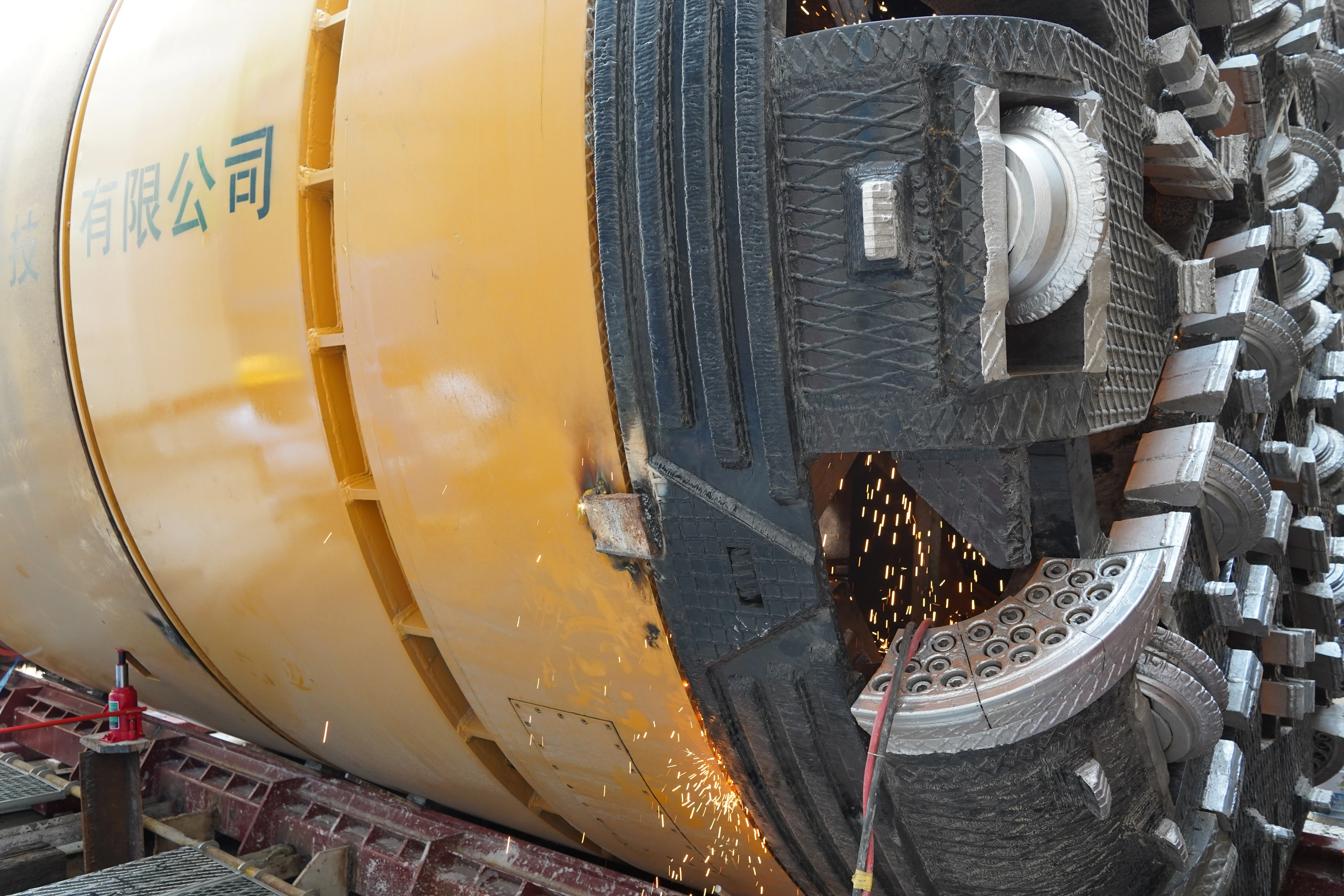
Thrust peaks can trigger blowout risk in a TBM tunnel by causing rapid changes in tunnel face pressure. This risk is especially significant in urban environments or areas with highly variable ground conditions. CEGC addresses these challenges with advanced tunnel machine solutions designed for safety and reliability.
|
Consequence |
Description |
|---|---|
|
Ground Stress Changes |
Thrust peaks can trigger blowout risk in a TBM tunnel by causing the tunnel to bend or break, especially in soft soils. |
|
Lack of Lateral Resistance |
The tunnel can become too wide in weak soils due to sudden thrust changes. |
|
Disturbance from Nearby Activities |
Deep excavation or other nearby work can increase the risk of blowout in a TBM tunnel. |
|
Severe Structural Problems |
Tunnels in soft ground often face major structural issues when thrust peaks occur. |
|
Difficulty in Predicting Effects |
Changing loads and soil conditions make it hard to predict the impact of thrust peaks in a TBM tunnel. |
|
Need for Field Monitoring |
Continuous field monitoring is essential to manage thrust peaks and blowout risk in TBM tunnels. |
Key Takeaways
-
Thrust peaks can make blowout risks higher in TBM tunnels by quickly changing the pressure at the tunnel face. Watch the pressure often to stop accidents from happening.
-
Use real-time monitoring systems to check thrust and face pressure. Fast changes can help keep the tunnel safe and stable.
-
Change your tunnel boring machine to fit the ground conditions. This helps handle problems better and lowers blowout risks.
What Are Thrust Peaks in Tunnel Boring?
Definition and Causes of Thrust Peaks
You will often see changes in force when you operate a tunnel boring machine. These changes are called thrust peaks. Thrust peaks happen when the cutter pushes forward with more force than usual. You measure this force in kilonewtons. The force can change a lot as the tunnel machine moves through different types of ground. Some rocks are hard, and some are soft. The cutter needs more force in hard rock and less in soft soil. This difference causes thrust peaks.
Many things can cause thrust peaks in a tunnel. Here are some main reasons:
-
The type of ground changes as you dig the tunnel. Hard rock needs more force, while soft soil needs less.
-
The speed of the cutterhead affects how much force you need. Faster speeds can make the force go up or down.
-
The speed of tunneling also matters. If you move quickly in soft soil, you may not need as much force as in hard rock.
-
The total force needed for each step depends on the strength of the ground.
Note: Geological conditions, like faults or cracks in the ground, can make the force change quickly. This can make the tunnel less stable.
Typical Tunnel Scenarios with Thrust Peaks
You may see thrust peaks in many tunnel projects. These peaks can cause problems if you do not control them. The way the soil and rock behave during tunnel boring can lead to cracks and movement above the tunnel. The table below shows what can happen:
|
Aspect |
Description |
|---|---|
|
Soil Behavior |
The soil above the tunnel can sink, causing pressure and cracks. |
|
Displacement |
The top and sides of the tunnel can move, showing signs of instability. |
|
Cracking |
Tension cracks can form as soil moves away from the tunnel face. |
In some tunnels, thrust peaks can cause uneven pressure. This can lead to more movement on one side of the tunnel. You may see more cracks and even bigger shifts in the ground. Thrust peaks can trigger blowout risk in a tbm tunnel, especially when the ground is weak or the tunnel is under a slope. You must watch for these signs to keep your tunnel safe.
How Thrust Peaks Can Trigger Blowout Risk in a TBM Tunnel
Pressure Build-Up at the Tunnel Face
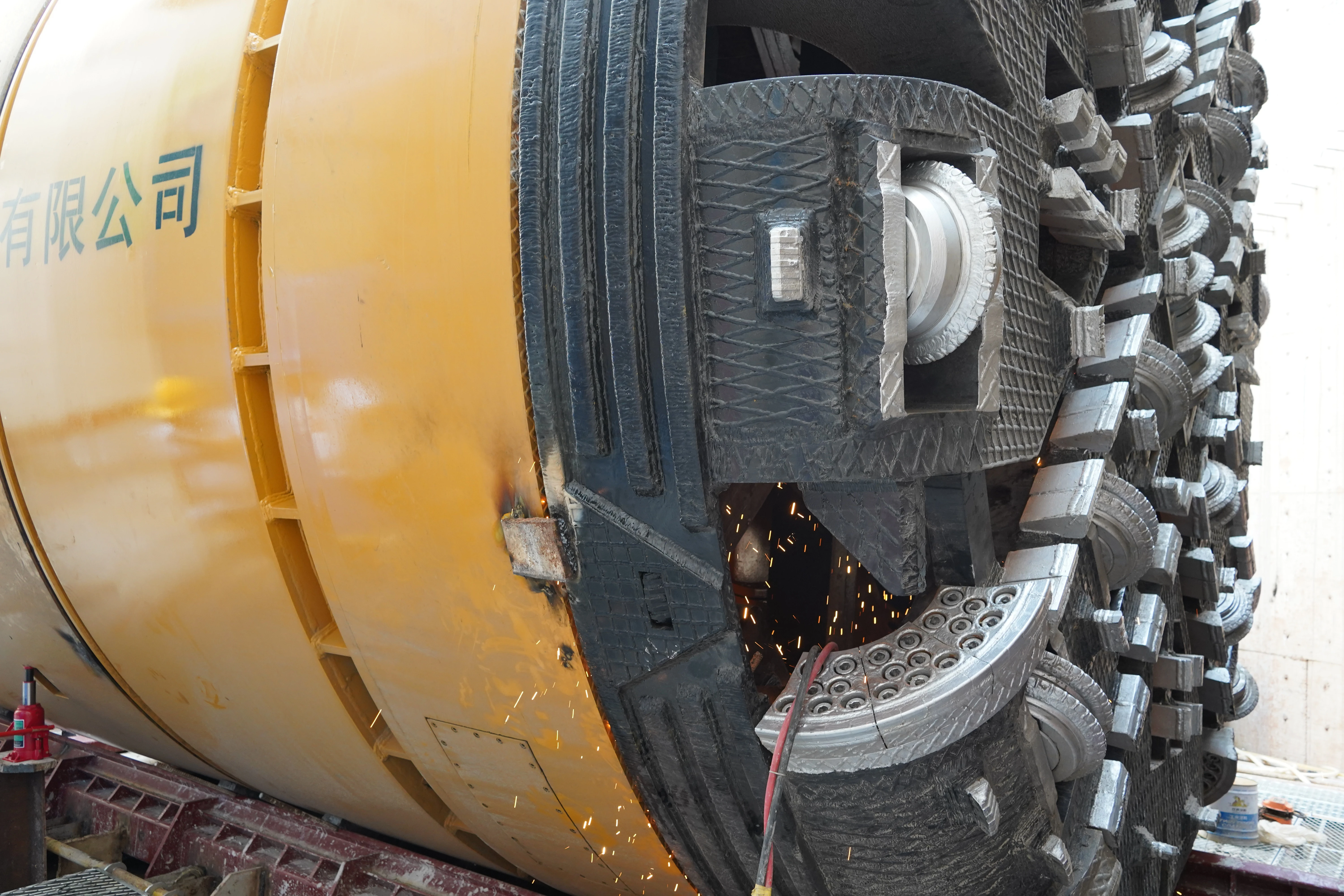
When you operate a tunnel boring machine, you must keep the pressure at the tunnel face steady. Thrust peaks can trigger blowout risk in a tbm tunnel because sudden increases in force push extra pressure against the soil or rock in front of the machine. If you do not control this pressure, the ground can break apart. The shield of the tunnel machine tries to hold the ground back, but a fast rise in force can overwhelm it. You may see the soil move or even burst into the tunnel. This is called a blowout.
You need to understand that the friction between the cutterhead and the ground changes as you dig. When the ground is soft or waterlogged, the pressure can build up quickly. If the pressure gets too high, the tunnel face can fail. You must watch the pressure gauges and adjust the thrust to keep the tunnel safe. CEGC’s face pressure control system helps you manage these changes. It keeps the pressure steady and protects the tunnel from sudden blowouts.
Weak Ground and Structural Limits
Thrust peaks can trigger blowout risk in a tbm tunnel when the ground is weak or the tunnel structure cannot handle extra force. In soft soils, the tunnel wall may not have enough strength to resist the sudden load. You might see cracks or even a collapse if the pressure goes beyond the ground’s limit. The shield pressure must match the ground’s strength. If you push too hard, the soil can move away from the tunnel face. This creates gaps and lets water or soil rush in.
You should know that many tunnel construction projects face this problem. The Yinsong Water Diversion Project had 18 tunnel wall collapses because of thrust peaks. The project used machine learning to predict when the ground would fail. You can use similar tools to watch for danger signs in your tunnel. CEGC’s ground protection systems give you extra support in weak ground. These systems seal the tunnel face and keep the soil in place, even when the pressure changes fast.
Immediate Effects on Tunnel Stability
When thrust peaks happen, you can see the effects right away. The tunnel face may lose support, and the ground can fall into the tunnel. This puts your workers and equipment at risk. You may also see the tunnel lining shift or break. If you do not act fast, the tunnel can flood or collapse. Thrust peaks can trigger blowout risk in a tbm tunnel by breaking the balance between the shield pressure and the ground’s resistance.
You need to keep the tunnel stable during every step of tunnel construction. If you let the pressure swing too much, you can lose control of the tunnel face. This can lead to ground settlement above the tunnel, which is a big safety concern in urban areas. You must use real-time monitoring and quick adjustments to keep the tunnel safe. CEGC’s tunnel machine solutions help you do this. The closed-mode face support, soil conditioning, and sealing systems work together to keep the tunnel stable and protect against blowouts.
Tip: Always monitor thrust and face pressure closely during tunnel construction. Quick action can prevent blowouts and keep your tunnel project on track.
Preventing Blowout Risk in Tunnel Projects
Monitoring and Control Strategies
You need to watch the tunnel closely during construction. Monitoring helps you see pressure and ground movement changes. Sensors track face pressure, thrust force, and shield position. Real-time data lets you fix problems fast. Many tunnel boring machine projects use smart control systems. These systems keep the tunnel safe and steady.
|
Control System Type |
Description |
|---|---|
|
This system saves energy and helps the environment. It uses two throttle modes for different power sources. |
|
|
Earth Pressure Balance |
This system works best in soft ground. It keeps the tunnel face steady by changing pressure inside the cutterhead chamber. |
The tunnel market grows bigger every year. Companies now use better control systems for safer and more exact tunnel building.
Engineering Solutions and Best Practices
You need strong engineering solutions to keep tunnels safe. CEGC gives closed-mode face support, soil conditioning, sealing, and pressure holding. These features help control pressure and stop blowouts. You should always follow best tunnel building rules.
|
Practice |
Description |
|---|---|
|
Shield Machine Operation |
Follow the manual and safety rules. Control how the machine moves and its position. |
|
Do not make sharp turns. Keep the tunnel angle change under 0.4%. |
|
|
Full Control |
Adjust for ground changes, overburden, and thrust force. Stop the tunnel from going off track. |
You must know the ground conditions. Good tunnel building starts with a full ground check. You look at soil, water, and rock before starting. Predictive maintenance keeps your tunnel machine working well. You should train your team to change cutting settings as the ground changes.
Customization for Challenging Tunnel Conditions
Every tunnel project is different. CEGC gives you custom choices for your tunnel boring machine or microtunnelling machine. You can pick the right face support, sealing, and pressure systems for your tunnel. This helps you meet market rules and handle tough ground. You can also change the machine for groundwater, soil type, and tunnel size.
If you work in cities, you must follow strict tunnel safety rules. You need to keep ground settlement low and stop surface movement. CEGC’s solutions help you do this. You get safer tunnels and less blowout risk. Remember, thrust peaks can trigger blowout risk in a tbm tunnel, so always use the best tools and plans for every tunnel job.
Tip: Always match your tunnel machine to the ground and project needs. This keeps your tunnel safe and your tunnel work on time.
You can see that thrust peaks and blowout risk are connected in all tunnels. Watching the tunnel closely helps keep it safe and makes building easier. CEGC gives you tools to help with tunnel safety and work speed. You should always manage face pressure and use the right technology for each tunnel job.
|
Impact on Tunnel Safety |
Impact on Tunnel Construction Efficiency |
|
|---|---|---|
|
AI Algorithms |
Makes tunnels safer |
Helps build tunnels faster |
|
Real-time Data |
Keeps tunnels safer |
Speeds up tunnel building |
|
Robotics |
Makes tunnels safer |
Makes tunnel building more reliable |
FAQ
What is a blowout in a TBM tunnel?
A blowout happens when soil or water rushes into the tunnel. You see this when face pressure gets too high or the ground is weak.
How can you prevent thrust peaks during tunnel boring?
You can use real-time monitoring and CEGC’s face pressure control system. These tools help you keep thrust steady and avoid sudden force changes.
Why does CEGC customize tunnel machines for each project?
You get a tunnel machine that matches your ground and project needs. Customization helps you handle tough soil, water, and safety rules.


