
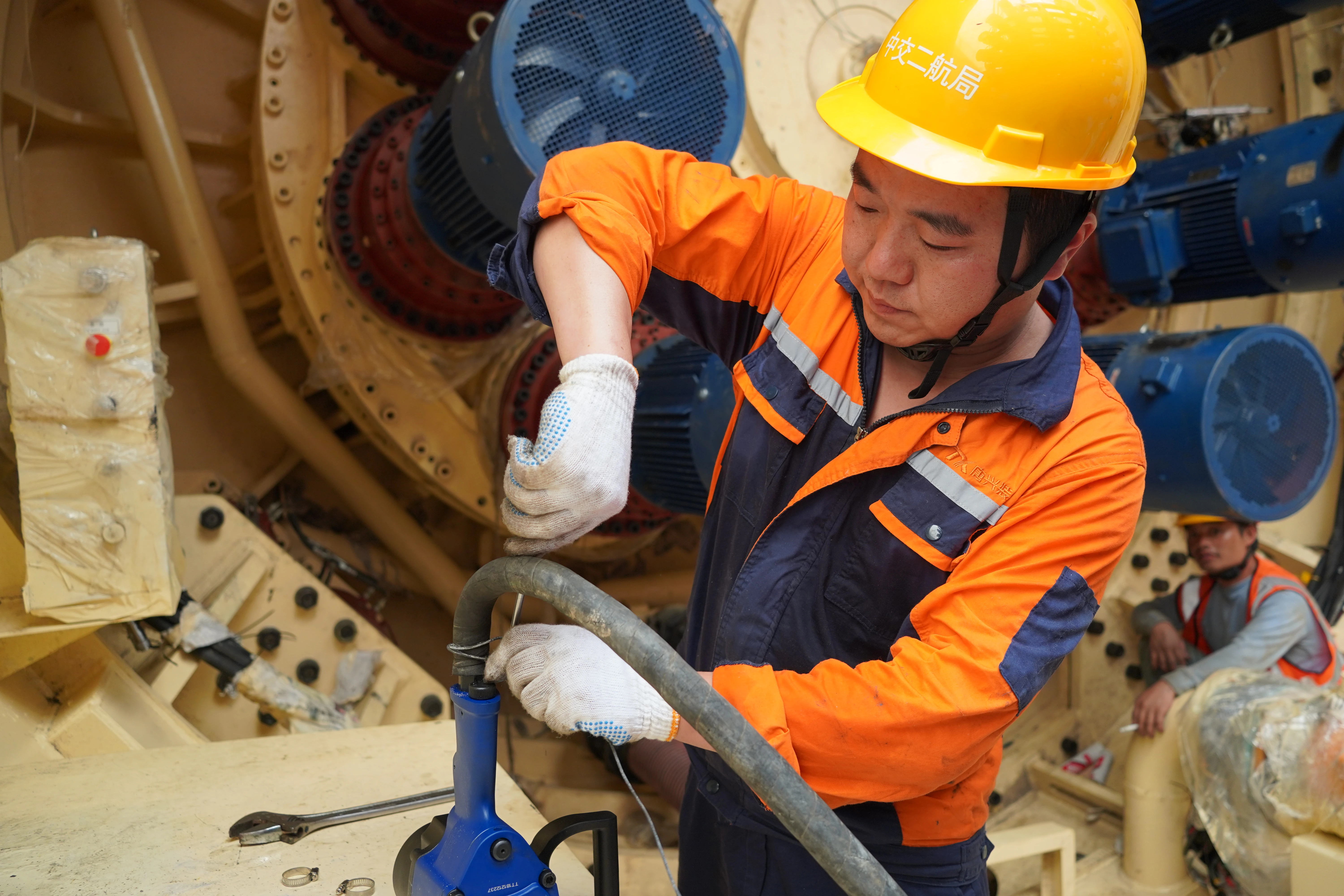
Micro tunneling thrust control helps keep line and grade, ensuring tunnels remain straight and level throughout the project. In urban environments, micro tunneling thrust control helps keep line and grade, meeting the strict accuracy demands of city projects. Advanced laser and gyro guidance systems further enhance tunnel precision. CEGC provides micro tunneling thrust control that helps keep line and grade, supporting reliable and accurate tunnel construction. With real-time monitoring, micro tunneling thrust control helps keep line and grade, delivering consistent results for every drive.
Key Takeaways
-
Micro tunneling thrust control is very important. It helps keep tunnels straight and at the correct grade. It stops the tunnel from going off track and keeps the machine from wearing out.
-
Advanced guidance systems like lasers and gyros are used. They help workers watch the tunnel’s position as it is built. This makes sure the tunnel is accurate, even in tough places.
-
Workers need to check and adjust the guidance system often. This keeps the tunnel on track and avoids expensive delays during building.
Microtunneling Thrust Control Basics
Role Of Thrust Control In Tunnel Machine Alignment
You need to know about thrust control to make tunnels straight. Thrust control is the system that pushes the microtunnel boring machine forward. It uses hydraulic jacks and other parts to give steady force. When you use microtunneling equipment, thrust control keeps the tunnel on the planned path.
Thrust control works like a steering wheel for the machine. It helps you stop misalignment and stalling. It also stops too much wear on machine parts. If you manage thrust well, you keep the tunnel straight and avoid mistakes.
The main parts of thrust control systems work together to keep tunnels aligned. You can see how each part works in the table below:
|
Component |
Description |
Interaction with Tunnel Alignment |
|---|---|---|
|
Jacking System |
Gives controlled thrust to push the machine and pipe. |
Makes sure the tunnel moves smoothly and stays aligned. |
|
Cutter Head |
Main tool for digging, works in different ground types. |
Stops too much digging, helps keep alignment. |
|
Remote Operation & Guidance |
Automated control from the surface with real-time data. |
Keeps position and direction accurate, important for alignment. |
|
Retrieval Pit & Launch Shaft |
Holds control systems and supports equipment for use. |
Helps deep installations, keeps alignment stable. |
When you use microtunnel boring machines, thrust control stops misalignment. Good thrust management keeps the machine on the right path. If you do not set thrust right, you may stall or wear out parts. You can see how thrust control affects alignment in the table below:
|
Impact of Thrust Control on TBM Alignment |
Description |
|---|---|
|
Misalignment |
Good thrust management keeps the tunnel on track and stops misalignment. |
|
Stalling |
Not enough thrust can make the TBM stall and slow down work. |
|
Wear on Components |
Too much thrust can wear out machine parts and lower performance. |
CEGC builds microtunneling machines with strong structures and guidance systems. These features help keep tunnels aligned and reduce drift. You can change CEGC machines to fit your project needs and meet performance standards.
How Thrust Pressure Maintains Tunnel Grade
You must control thrust pressure to keep the tunnel at the right grade. Thrust pressure is the force that pushes the machine forward. In microtunneling, you watch and adjust thrust pressure with hydraulic systems. The thrust system uses thrust cylinders to move. You control the flow of high-pressure oil with a valve. You can change the working pressure with a relief valve.
This system lets you adjust the shield tunneling machine in real time. You keep the tunnel axis on target by controlling thrust cylinders. You control digging direction and speed, which is important for tunnel grade.
When you set thrust parameters right, you lower off-axis forces and cutter slippage. You keep the curve in the gauge area, which helps keep tunnel grade steady. Here is a table showing how parameter optimization helps microtunneling:
|
Parameter Optimization Impact |
Description |
|---|---|
|
Off-axis Forces Reduction |
Setting parameters right lowers off-axis forces and keeps alignment. |
|
Cutter Slippage Minimization |
Good thrust control stops cutter slippage and keeps the tunnel on track. |
|
Curvature Maintenance |
Keeping the curve in the gauge area is needed for proper alignment. |
CEGC has microtunnel boring machines with advanced thrust control systems. You can pick machines with different pressure ranges and control choices. These features help you keep tunnel grade and meet strict project needs.
Tip: Regular calibration and survey checks keep your guidance system accurate. You should follow steps and fix errors fast to stop downtime.
Microtunneling projects need careful thrust control and grade maintenance. If you use CEGC microtunnel boring machines, you get good performance and custom options. You can trust these machines to keep tunnels aligned and at the right grade, even in tough conditions.
Microtunneling Guidance System For Line And Grade

Laser And Gyro Technology In Microtunneling
Guidance helps keep the tunnel boring machine on track. The microtunneling guidance system uses special tools for accuracy. Laser guidance and gyro sensors work together to check direction and depth. The laser guidance system sits at the launch shaft. It sends a beam to a target inside the tunnel machine. Sensors read the position and show if the machine moves off course.
Gyro technology helps when the tunnel curves or goes deep. Gyro sensors measure the angle and direction of the tunnel boring machine. You get real-time data about where the tunnel is. Computers use this data and show the tunnel’s line and grade. You can see if the tunnel is straight or needs fixing.
Note: Laser guidance and gyro sensors help in tough places. You can keep the tunnel accurate even with curves or deep spots.
Guidance makes sure the pipeline stays at the right depth. The system checks the tunnel’s position every second. You can trust guidance to avoid mistakes and keep the tunnel safe. CEGC offers guidance that fits your project. You can pick custom guidance for different tunnel shapes and sizes.
Real-Time Monitoring And Steering Adjustments
Guidance helps you find problems quickly. Real-time monitoring uses sensors to watch the tunnel boring machine. The guidance system sends data to computers. You see the tunnel’s position and grade on a screen. If the machine drifts, you get an alert. You can fix steering right away.
Guidance helps you fix tunnel alignment. The system works with thrust control. It uses smart models to predict if the machine moves off path. You get feedback to steer the machine back on track. You can change thrust to keep the tunnel lined up. This makes work faster and stops delays.
Here is a table showing how guidance helps during microtunneling:
|
Guidance Feature |
What It Does |
How It Helps You |
|---|---|---|
|
Laser Guidance System |
Tracks tunnel line and grade |
Keeps tunnel straight and level |
|
Gyro Sensors |
Measures angle and orientation |
Helps with curves and deep tunnels |
|
Real-Time Monitoring |
Watches tunnel position every second |
Detects misalignment quickly |
|
Steering Adjustments |
Lets you change direction and thrust |
Corrects tunnel path and grade |
You need guidance to keep your project on time. The system gives you real-time feedback. You can fix problems before they cause delays. You finish faster and keep the tunnel safe. CEGC lets you pick guidance for your project. You can choose options for your tunnel’s length, shape, and ground type.
Tip: Check your guidance system often. Regular checks help you find errors early and keep the tunnel boring machine working well.
Guidance helps you build tunnels that meet strict rules. The microtunneling guidance system gives very high accuracy. You can trust CEGC’s guidance to give good results for city and town projects.
Challenges And Solutions In Microtunneling Alignment
Common Issues: Settlement, Instability, Wear
Microtunneling projects have many challenges. The ground can shift and cause misalignment. Water can get in and slow your work. Machines need lots of care because they wear out fast. In cities, settlement and instability are common. You must watch for signs of trouble and act quickly. This helps you avoid big repairs. Keeping a steady pace based on the ground helps stop instability. Using the same steps every time makes things easier.
You also deal with rules and the environment. Microtunneling keeps the surface safe and stops traffic jams. You only dig at the start and end shafts. This keeps the surface from being disturbed. Closed-loop slurry systems stop water pollution. Throwing away dirt the right way protects nature.
Tip: Use a good system to watch for settlement and vibration. This gives you helpful data and keeps tunnels stable.
CEGC Technical Solutions And Customization
The ground matters a lot for tunnel alignment. Different soils can cause torque overload and errors. Real-time monitoring and pre-drive tests help lower these risks. CEGC has solutions for these problems. Thrust control and guidance systems help fix mistakes and keep tunnels straight.
You can change CEGC microtunneling machines for your job. The table below shows features you can pick:
|
Customizable Feature |
Description |
|---|---|
|
Interchangeable cutting heads |
Works for soft, hard, or mixed ground |
|
Adjustable jacking frames |
Fits different pipe sizes |
|
Integrated lubrication or grouting systems |
Helps in tough conditions |
|
Specialized sensors |
Made for hard environments |
You pick features for your project needs. CEGC helps you follow rules and lower risks. You keep your machine working well and your project moving forward.
You use microtunneling thrust control and guidance to keep tunnels straight. The main control system tells you important details about line and grade. These systems are the base of every tunnel project. CEGC gives you strong performance and choices for your needs. When you set up the systems right, you lower risks and make better tunnels.
-
The control system lets you see if the tunnel moves off line or grade.
-
Guidance and control are very important in microtunneling work.
-
Keeping steady pressure helps you dig tunnels more accurately.
|
Outcome Description |
Value |
|---|---|
|
Difference between planned and real thrust forces |
|
|
How much shield speed changes from the target |
-1 to +1 mm/min |
|
Change in shield position (sideways) |
-20 to +5 mm |
|
Change in shield position (up and down) |
-45 to -28 mm |
|
Evidence Description |
Explanation |
|---|---|
|
You control the forces well, so the ground stays stable. |
|
|
Good handling of ground conditions |
You adjust thrust and slurry to stop the ground from falling in. |
|
Laser guidance system |
You guide the cutting head to keep the tunnel in the right place. |
FAQ
What is microtunneling thrust control?
Microtunneling thrust control pushes the tunnel machine forward. This system keeps the tunnel straight. It also helps keep the tunnel at the right grade.
How does laser-guided steering improve tunnel accuracy?
Laser-guided steering gives feedback right away. You can change the machine’s direction fast. This keeps the tunnel on the planned path.
Why choose a trenchless excavation technique for urban projects?
Trenchless excavation stops surface disruption. You build tunnels under roads and buildings. You do not dig up the ground.
Tip: Check your guidance system often. This keeps tunnel alignment accurate.


