
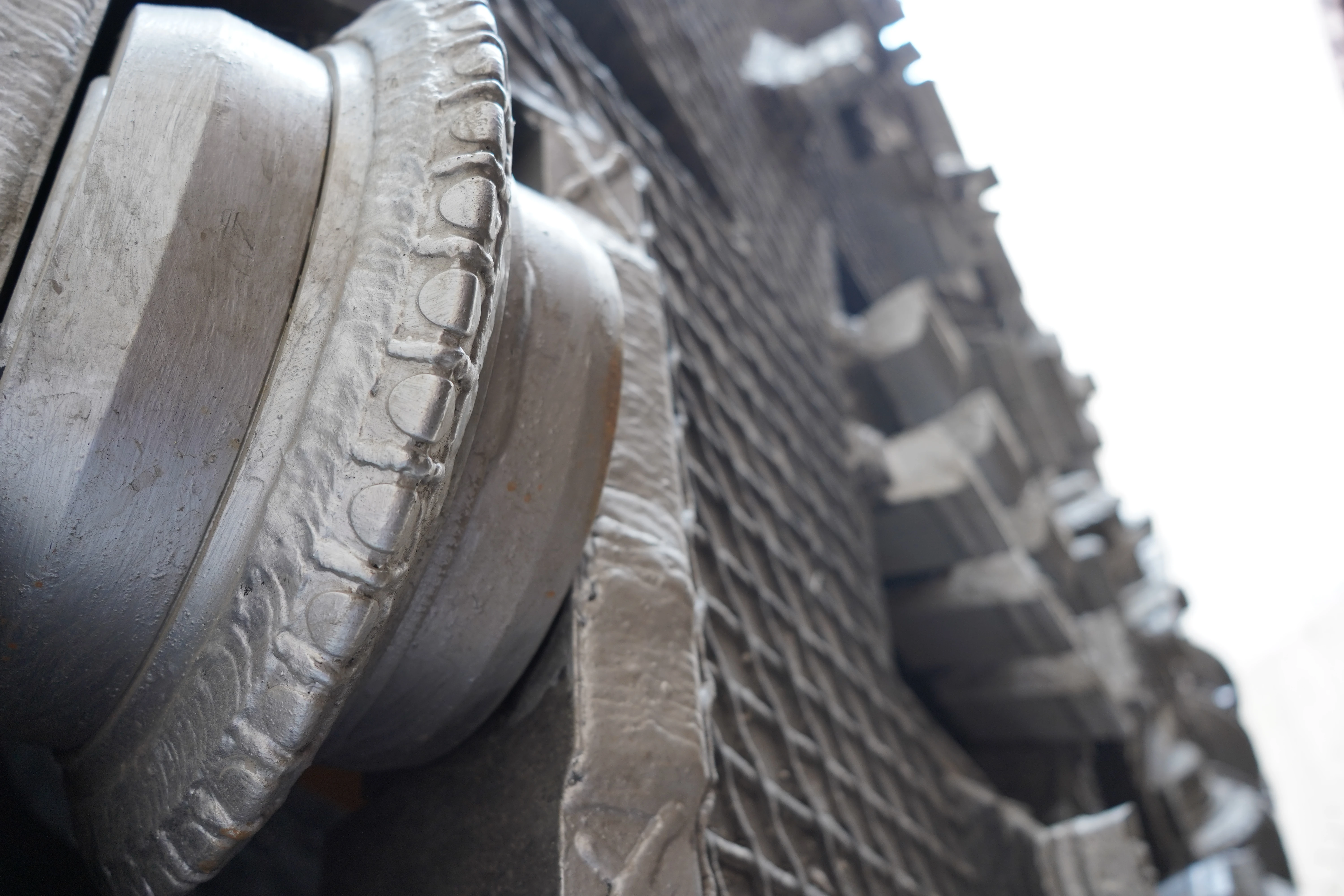
Thrust stability keeps TBM tunnel advance rates predictable, which is essential for contractors to maintain accurate planning and scheduling. When TBM tunnel advance rates are consistent, project costs remain controlled and risks are minimized. CEGC tunnel machines demonstrate that with stable thrust, the likelihood of jamming drops significantly—from 94% in problematic sections to just 7% in normal excavation areas.
|
Parameter |
Jamming Sections |
Normal Excavation Sections |
|---|---|---|
|
Average Jamming Probability |
94% |
7% |
|
Recognition Rate of Jamming Index |
95% |
N/A |
Key Takeaways
-
Thrust stability is very important for tunnel boring machines. It helps TBMs move forward at a steady speed. This keeps projects on time and saves money.
-
Checking thrust force and pressure often is helpful. Making changes can stop jamming. This makes tunneling go smoothly.
-
Using good technology and checking the ground well lowers risks. It also makes TBM work better and faster.
Thrust stability keeps TBM tunnel advance rates predictable
What is thrust stability in TBM tunneling?
Thrust stability means a tunnel boring machine keeps its pushing force steady. This is important for tunnel boring machines, microtunnelling machines, and auger boring machines. The force on the cutterhead should not change quickly. If the force stays even, the machine can cut through soil or rock smoothly. It will not stop suddenly or jump forward. Thrust stability helps the TBM move at a steady speed. This stops the cutterhead from getting stuck or going too fast.
CEGC’s tunnel boring machines show how this works. These machines have special systems to control thrust. They match the force to the ground type. This makes the tunnel advance smooth and steady. Modern TBMs use closed-mode face support and soil conditioning. These features help keep the pressure at the tunnel face balanced. Thrust stability also protects the tunnel lining. It lowers the chance of ground settlement when using microtunnelling or auger boring machines.
International tunneling standards say thrust stability is very important. Engineers use computer models to plan thrust loads. They also make tunnel segments stronger by changing the number and type of support shoes. The table below shows how technology and design help with thrust stability:
|
Advancement |
Description |
|---|---|
|
Cutterhead Modifications |
Double disc cutters and special rippers make tools last longer and wear less. |
|
Tool Configuration |
Changing tool heights and positions lowers off-axis loads and helps cut soil better. |
|
Performance Metrics |
Steady thrust gives higher penetration rates and longer cutter life. |
|
Torque and Thrust Reduction |
Better design means less force is needed, so the machine works better. |
Thrust stability keeps the TBM moving at a steady pace. This helps avoid delays and keeps the project on schedule.
Why predictable advance rates matter
When you work on a tunnel project, you need to know how fast the machine will go. Thrust stability keeps the TBM moving at a steady rate. This is important for many reasons. If the speed changes too much, big problems can happen.
-
Slow tunnel advance can make the project take longer.
-
Longer projects cost more and use more resources.
-
Workers may face more safety risks if they stay underground longer.
-
Unpredictable speeds can make geological hazards worse.
If you keep thrust stability high, you can control these risks. CEGC’s TBM and microtunnelling machines use standard specs to help with this. When you follow thrust stability rules, the difference between target and real thrust is about 2.5%. The shield velocity only changes by –1 to +1 mm per minute. The shield attitude also stays safe. These results show that thrust stability keeps the TBM moving at a steady rate and helps you reach your goals.
International standards say good thrust stability also protects tunnel segments. Using more support shoes and stronger materials stops cracks and keeps the tunnel safe. This matters for B2B owners, EPC contractors, and city utilities who need good results.
Tip: Always check thrust force and shield movement during tunneling. This helps you find problems early and keep the machine moving at a steady rate.
A tunnel machine with strong thrust stability gives more predictable results. Your project stays on time, costs stay low, and your team stays safe. Thrust stability keeps TBM tunnel advance rates predictable. This makes it very important for successful tunneling projects.
Managing thrust stability in TBM operations
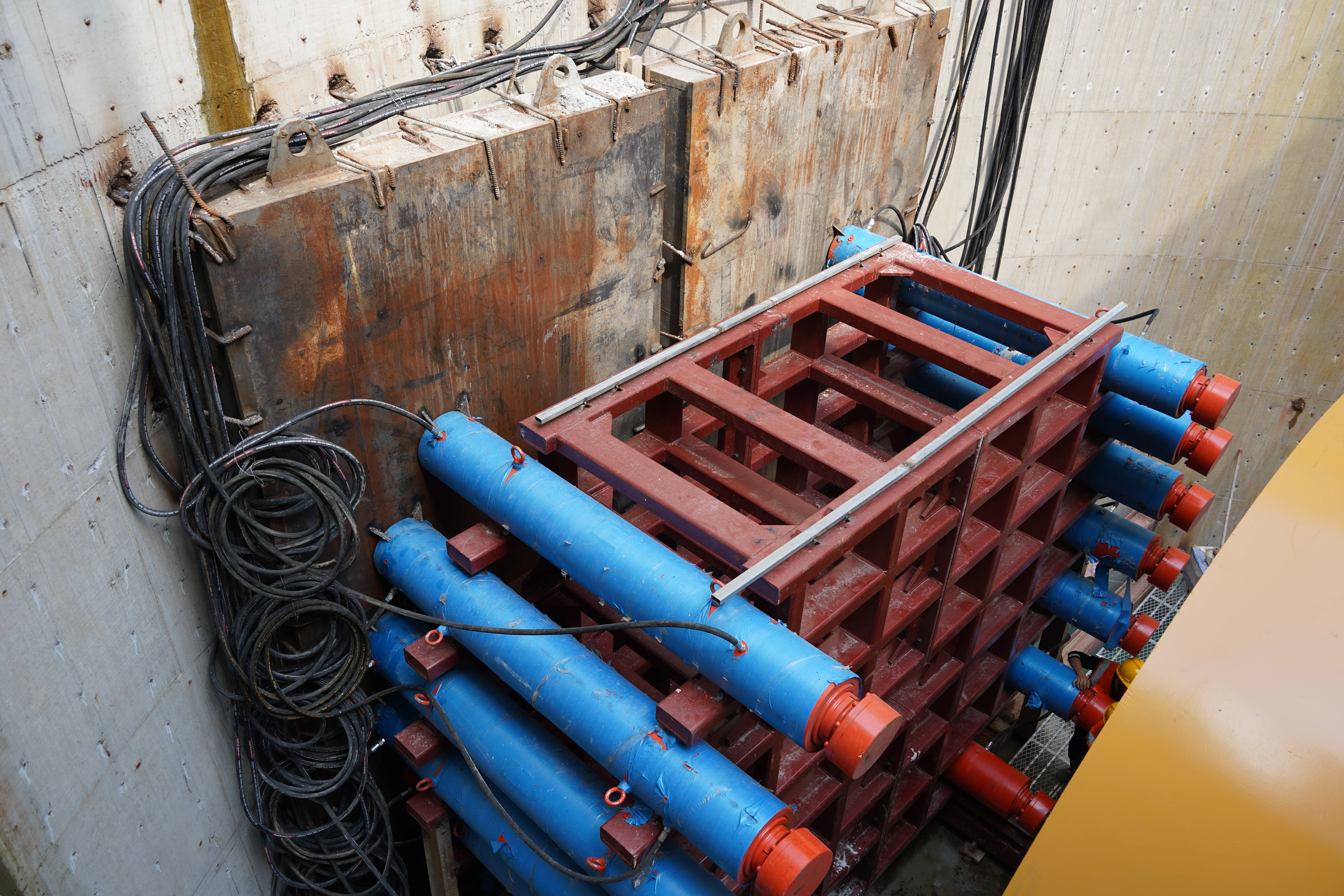
Causes of thrust instability
Thrust instability can happen for many reasons in TBM operations. The ground type is very important. If you tunnel through fault zones or broken rock, the machine may lose stability. Weak rock near the tunnel can make gripper shoes work poorly. This can cause cutterhead jamming or too much force in the thrust system.
Some common causes are:
-
Sudden changes in ground, like going from hard rock to soft soil.
-
Broken or weak rock that does not hold up the tunnel face.
-
Equipment problems, like worn cutterheads or broken sensors.
-
Operator mistakes, such as wrong thrust force settings.
The table below shows how these things affect TBM performance:
|
Parameter |
Description |
|---|---|
|
Thrust |
Changes a lot in bad ground, especially near jamming spots. |
|
Torque |
Goes up fast before jamming happens. |
|
PRnet |
Drops and changes, showing possible jamming. |
Practical strategies for stable thrust
There are several ways to keep thrust stability high and make TBM tunnel advance rates steady.
-
Do careful ground checks before you start. This helps you find trouble spots early.
-
Pick your tunnel boring machine based on the ground, not just cost.
-
Change thrust force, torque, and speed as you get new data.
-
Do regular maintenance to stop sudden breakdowns.
-
Plan how to remove muck and bring in segments so you avoid delays.
Face pressure control is very important. If you set the right pressure at the tunnel face, you keep the ground steady and stop sudden thrust changes. Even small changes in face pressure can change thrust force. Soil conditioning helps too. It makes soil easier to move, lowers cutterhead torque, and stops clogging.
Modern solutions like closed-mode face support and modular TBM design from CEGC help manage water inflow and keep pressure steady. Real-time monitoring systems can warn you about ground risks or equipment problems. When you change your settings to match the ground, you get better advance rates and less downtime.
Tip: Thrust stability keeps TBM tunnel advance rates steady. Use good management and the right technical tools to keep your project moving.
You can keep tunnel advance rates steady by managing thrust stability. If you manage thrust early, you lower settlement risks. This helps your project succeed. CEGC’s tunnel boring machines let you watch and control things in real time. To make tunnel machine operations better, follow these important steps:
|
Step |
Description |
|---|---|
|
Excavation |
The EPB TBM uses a spinning cutterhead to break up soil or soft rock so it can be taken out. |
|
Pressure Control |
Keeping the right pressure in the chamber is very important. It balances outside pressures. |
|
Soil Conditioning |
Adding special agents makes the dug-up material stable and keeps chamber pressure under control. |
|
Segmental Lining |
Precast concrete segments are put in place right away to give support and keep things stable. |
|
Monitoring and Control |
Watching things like torque and thrust all the time lets you make changes as needed. |
FAQ
What is thrust stability in a tunnel boring machine?
You keep thrust stability when your TBM pushes with steady force. This helps your tunnel machine move smoothly and keeps your project on track.
How does thrust stability affect project costs?
You save money when your TBM moves at a steady rate. Fewer delays mean you finish faster and avoid extra expenses.
Can CEGC tunnel machines work in different ground types?
-
Yes, you can use CEGC tunnel boring machines in soft soil, hard rock, or mixed ground. The machines adjust thrust and pressure for each condition.


