
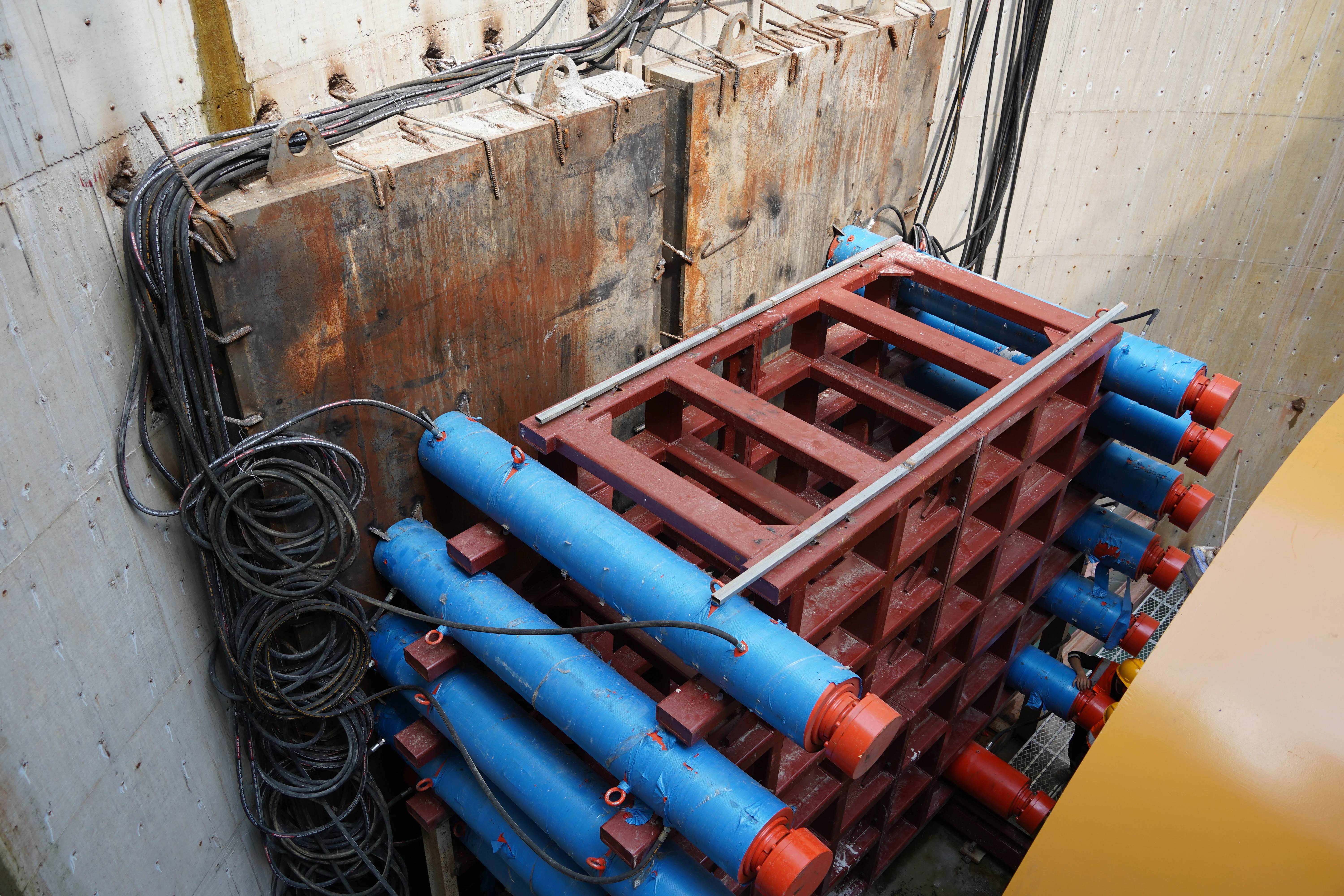
High thrust raises hydraulic heat on the TBM machine. This increase occurs because more hydraulic power is required, leading to greater fluid friction and potential system issues. When you apply more force, the following effects can occur:
-
The oil film becomes less stable, allowing metal to come into contact with metal.
-
Mechanical friction points, such as bearings, heat up quickly.
-
Hydraulic leaks can cause the tunnel machine to become warmer throughout.
You can trust CEGC for tunnel boring machine, pipe jacking, and microtunnelling solutions that meet market standards:
|
Product Type |
Description |
|---|---|
|
TUNNEL BORING MACHINE (TBM) |
Complete solutions for tunneling jobs. |
|
PIPE JACKING |
Tools for installing pipes without the need for trenches. |
|
MICROTUNNELING |
Innovative technology for tunneling with small pipes. |
Key Takeaways
-
High thrust makes hydraulic heat rise in tunnel boring machines. Watch thrust levels to stop overheating and keep the machine working well.
-
Regular maintenance is very important. Look for leaks, clean cooling parts, and check oil thickness to help the hydraulic system work smoothly.
-
Keep the hydraulic oil temperature steady. Keeping it between 30–60°C helps the machine work best and lowers the chance of equipment breaking.
High thrust raises hydraulic heat on the TBM machine
Hydraulic Power Demand and Friction
Thrust and friction are closely linked in a tunnel boring machine. When you use more thrust, you push the cutterhead harder into the ground. This means the machine needs more hydraulic power. The hydraulic system must work with higher pressure and faster oil flow. This makes fluid friction go up. Friction happens when hydraulic oil moves through pipes, valves, and pumps. Pushing harder creates more friction. This friction changes mechanical energy into heat.
Let’s check the technical details in this table:
|
Evidence Description |
Impact on Hydraulic Heat |
|---|---|
|
Hydraulic systems operate at high pressures and flow rates, generating heat from fluid friction. |
High fluid friction leads to increased heat generation in the hydraulic system of TBMs. |
|
Limited air circulation in confined spaces reduces natural cooling effects. |
This limitation makes it difficult for the TBM to dissipate heat effectively. |
|
Ambient ground temperature increases with depth, providing thermal insulation. |
Insulation exacerbates heat retention, complicating heat dissipation during operation. |
|
Faulty hydraulic components create excessive friction, raising oil temperatures. |
Increased friction from faulty components directly contributes to higher hydraulic heat. |
|
Worn internal components cause increased friction, generating more heat. |
Wear and damage lead to higher operational temperatures, affecting the hydraulic system's efficiency. |
|
High external temperatures and poor ventilation hinder cooling system effectiveness. |
These environmental factors further complicate the regulation of oil temperature in the TBM. |
You need to control thrust levels carefully. If you use too much force, friction losses get worse. These losses can slow down the machine and lower how much work it does. In some tunnel machines, friction losses depend on the machine’s weight. For gripper tunnel boring machines, thrust losses can also come from friction with loose rock blocks during digging. CEGC makes its TBM tunnel boring machine and microtunnelling machine to handle these problems and meet market standards.
Fluid Viscosity and Leakage Effects
You should watch fluid viscosity when using a tunnel boring machine. Viscosity tells you how thick or thin the hydraulic oil is. If the oil gets too hot, it becomes thinner. Thin oil leaks more easily. Leaks make the hydraulic system less efficient and create more heat. If you ignore viscosity changes, you might guess drag torque wrong. This mistake can almost double the friction you expect.
A simple guide shows that thin fluids leak more. Leaks make more friction inside the hydraulic system. More friction means more heat. You must keep the oil at the right thickness to protect the tunnel machine. CEGC’s microtunnelling machine solutions help you control viscosity and stop leaks.
Ambient Temperature and Heat Retention
You should check the temperature inside the tunnel boring machine. High temperature around the machine makes cooling harder. When you work deep underground, the ground acts like a blanket. This blanket keeps heat inside. If you do not control temperature, oil gets thinner. Thin oil causes more friction and wears out seals faster. This can lead to downtime and costly repairs.
Here are some important points:
-
Keeping hydraulic oil at the right temperature is important for good performance and reliability.
-
Too much heat makes oil thinner, which hurts lubrication and wears out seals.
-
Keeping oil temperature safe helps avoid downtime and expensive repairs.
A study about tunnel building in hot places shows high temperature can make the work area unsafe. For example, the work zone can get hotter than 33°C. This much heat is bad for workers and machines. Bringing in more fresh air can help cool things down, but if the air is too warm, it can make things worse. You must control temperature to keep your tunnel boring machine working well.
CEGC gives you tunnel machine solutions to help manage thrust, friction, viscosity, and temperature. You get reliable performance and custom options for your TBM tunnel boring machine and microtunnelling machine.
Consequences and Solutions for Hydraulic Heat in Tunnel Machines
Equipment Performance and Reliability Risks
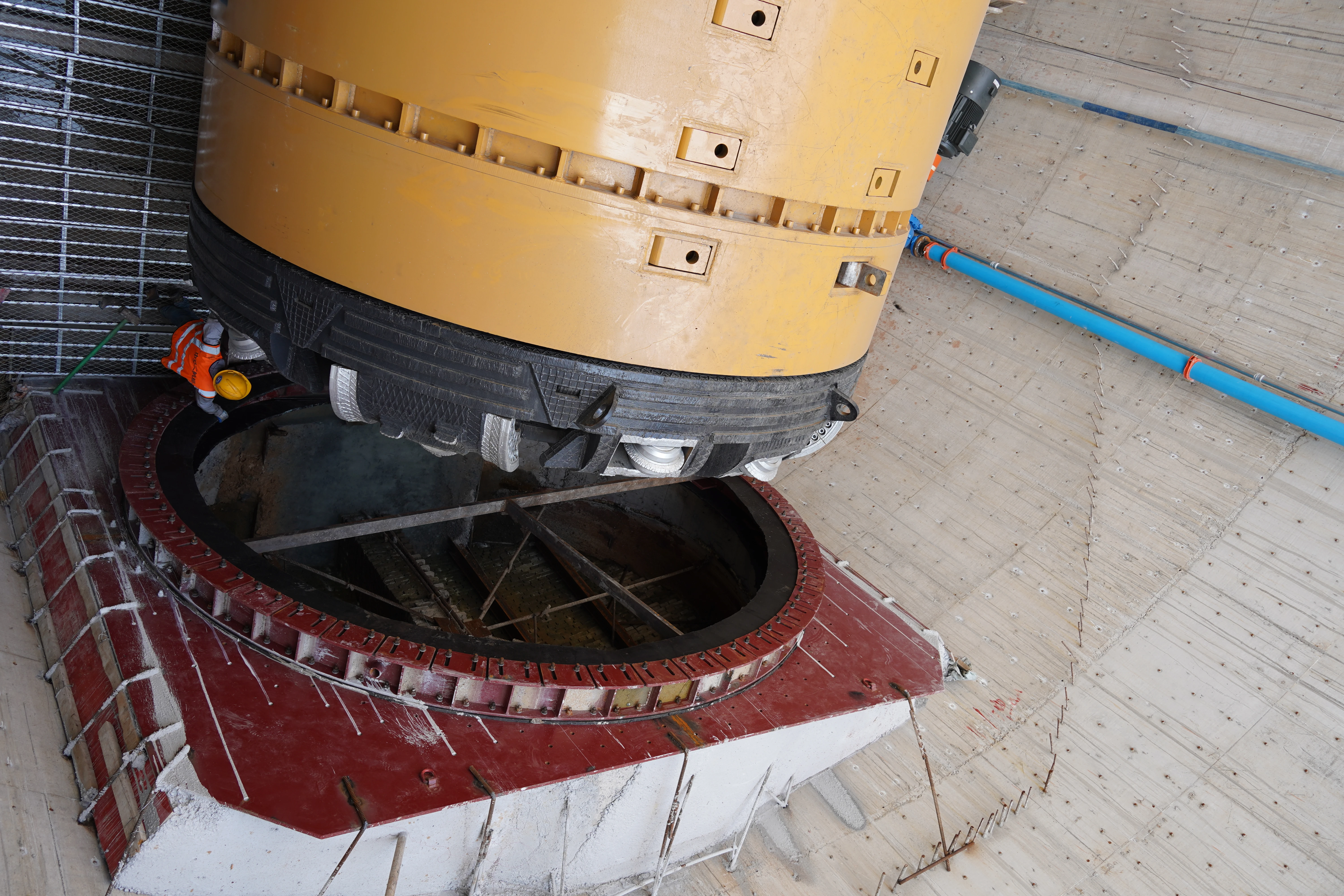
When hydraulic heat goes up in a tunnel boring machine, you face many risks. Hot oil can wear out parts inside the machine. This lowers reliability. Too much friction builds up in the system. Friction hurts metal surfaces and makes oil films weaker. Metal can touch metal, causing wear and scuffing. Overheating can make surfaces stick together. High oil temperature breaks down hydraulic fluid. This makes it work less well. You might see system failures and need repairs you did not plan. Production can slow down or stop. Workers can get hurt from hot surfaces and high temperatures.
-
Leaks in hydraulic lines, clogged filters, or blocked pipes can cause too much heat.
-
Blocked cooler channels or bad airflow can stop heat from leaving.
-
Hot oil makes heat injuries more likely.
You should look for signs of too much friction and poor cooling. Heavy work puts extra stress on the hydraulic system. Keeping the temperature steady protects your tunnel machine.
|
Function |
Description |
|---|---|
|
Friction Reduction |
Stops rollers and raceways from touching metal to metal. |
|
Wear Protection |
Makes a film that keeps surfaces safe from damage. |
|
Heat Dissipation |
Moves heat away that comes from rolling and sliding friction. |
Managing Hydraulic Heat: Cooling and Maintenance
You can control hydraulic heat with simple steps. Cooling helps keep oil temperature safe. Try to keep oil between 30–60 °C for best thickness and lubrication. Clean the hydraulic cooler and radiator to stop overheating. Pick the right oil thickness for your machine. This stops too much friction and keeps things working well.
Tip: Clean cooling parts often and use the right coolant to stop overheating.
Regular maintenance keeps your tunnel boring machine working well. Check hydraulic lines for leaks. Change clogged filters. Look for blockages in cooler channels. These steps help you avoid hot oil and too much friction. Better cooling systems help move heat away and protect your equipment. Watch temperature levels when the machine works hard. Poor cooling can make oil heat up fast and hurt performance.
-
Cooling keeps oil temperature steady.
-
Regular maintenance stops leaks and blockages.
-
Better cooling systems help control heat during heavy work.
CEGC Customization and Technical Support
You can count on CEGC for help and custom solutions. CEGC gives support for tunnel boring machine, auger boring machine, and microtunnelling machine. You get help for HDD, pipe jacking, and microtunnelling projects. Experts help you plan your project, pick equipment, and make operations better. CEGC does regular maintenance with checks and care for hydraulic systems. This stops leaks and lowers hydraulic heat.
|
Service Type |
Description |
|---|---|
|
Trenchless Engineering Support |
Full support for HDD, pipe jacking, and microtunnelling projects to help you succeed. |
|
Technical Consulting Services |
Expert advice for planning, picking equipment, and making operations better. |
|
Regular Maintenance |
Frequent checks and care for hydraulic systems to stop leaks and lower heat. |
You can ask for custom cooling systems and temperature control for your project. CEGC helps you handle hot oil and too much friction. You get good performance and support for your tunnel machine.
High thrust makes your tunnel machine get hotter. You need to watch hydraulic heat to keep the machine safe and working well. CEGC can make your TBM tunnel boring machine work better with custom project solutions.
-
Machine learning and smart changes help you set TBM parameters for better work.
-
Watching heat movement and how the machine reacts keeps the tunnel strong.
|
Aspect |
Benefit |
|---|---|
|
Heat Transfer |
Keeps the machine running safely |
|
Helps the machine work well |
FAQ
What causes hydraulic heat in a TBM tunnel boring machine?
Hydraulic heat happens when you use high thrust. Fluid friction and heavy work make oil hotter. Problems in the system also raise oil temperature.
How can you reduce hydraulic heat in your microtunnelling machine?
-
Clean cooling parts often to stop overheating.
-
Pick oil with the right thickness for your machine.
-
Check for leaks and blockages in the system.
-
CEGC gives custom cooling solutions for your tunnel machine.
Why should you monitor hydraulic heat during tunneling projects?
|
Reason |
Benefit |
|---|---|
|
Stops downtime |
Keeps your machine working |
|
Protects equipment |
Lowers repair costs |
|
Makes work safer |
Keeps workers safe |


