
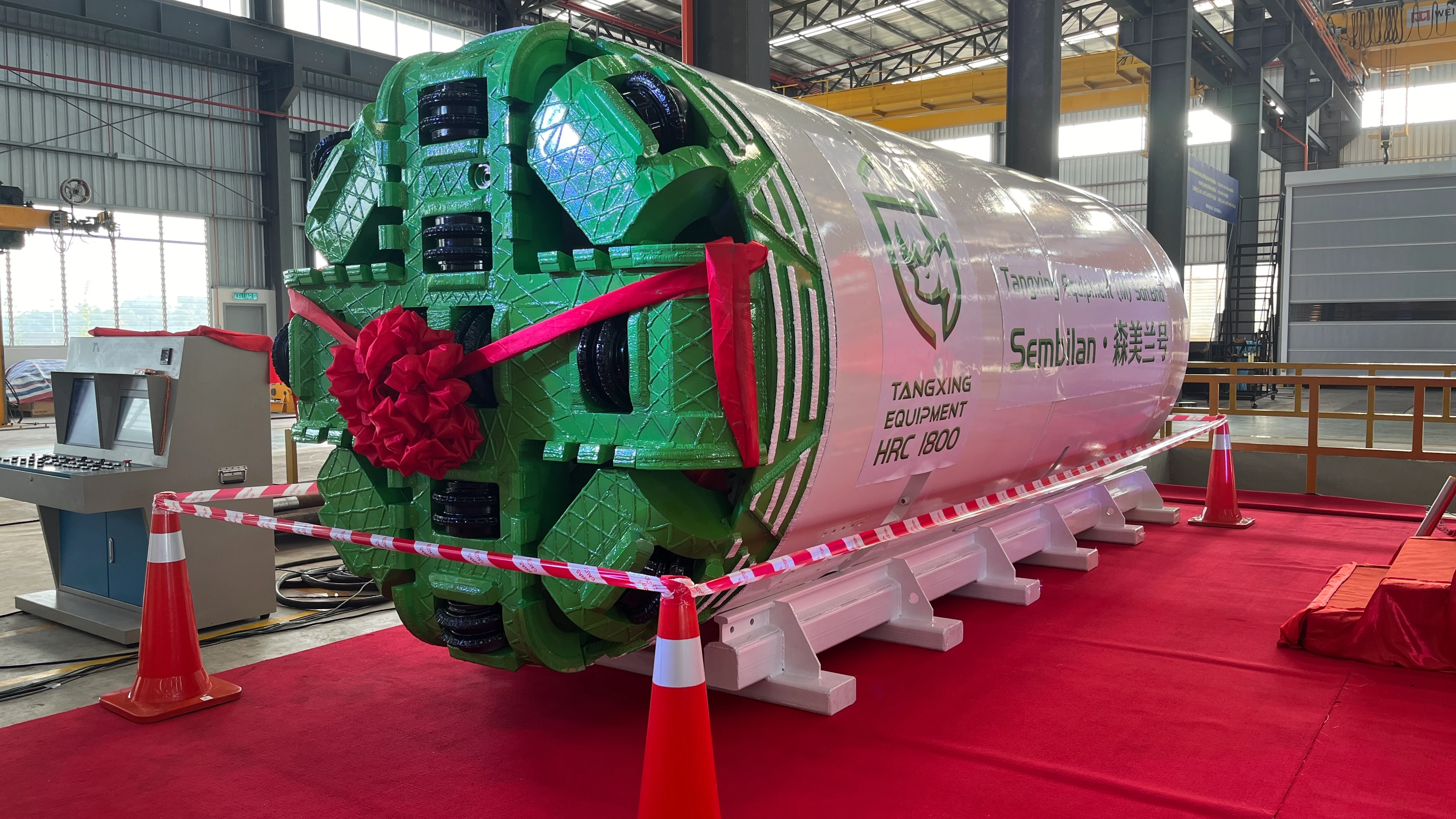
Too much thrust can spike settlement in a TBM tunnel. When thrust increases, ground stress also rises, which can excavate excessive dirt and compromise the safety of the tunnel face.
-
Settlement risks include issues such as sinkholes and damaged foundations.
-
CEGC's face pressure control and ground protection systems help ensure that surface movement remains safe.
Key Takeaways
-
Watch thrust settings carefully when using a TBM. This stops too much ground movement and keeps the tunnel safe.
-
Use CEGC's advanced tools for face pressure control. These tools help control thrust and keep the ground safe from settlement.
-
Follow the best ways to use a TBM. Plan how to handle materials and get ready for emergencies. This can lower settlement problems a lot.
Thrust In Tunnel Machine Operations
What Is Thrust In TBM Tunnel Boring Machine
You need to understand thrust when you work with a tbm. Thrust is the force that pushes the tbm forward as it cuts through the ground. The machine uses hydraulic jacks to create thrust. These jacks press against the tunnel lining or the launch shaft. You can control thrust by adjusting the pressure in these jacks. Every tbm has a system that lets you monitor and change thrust during operation. This helps you match the force to the ground conditions. CEGC offers tunnel machine solutions that let you customize thrust settings for your project. You can choose the right thrust range for soft soil or hard rock. This makes your tbm more flexible and safe.
Role Of Thrust In Tunnel Excavation
Thrust plays a big role in how well your tbm works. When you set the right thrust, your tbm moves smoothly and cuts efficiently. If you use too much thrust, you can damage the ground or the tunnel lining. Too little thrust can slow down your progress. The thrust factor shows how much force you need for each meter the tbm advances. In hard rock, you need more thrust, but this can make the tbm move slower. In soft ground, less thrust helps the tbm go faster. You must balance thrust to keep your tunnel safe and efficient. CEGC’s tunnel machine designs meet market standards and let you adjust thrust for different jobs. You get better control and safer results when you use the right thrust with your tbm.
Tip: Always check your thrust settings before and during tbm operation. This keeps your project on track and reduces risks.
Too Much Thrust Can Spike Settlement In A TBM Tunnel
Over-Excavation And Ground Stress
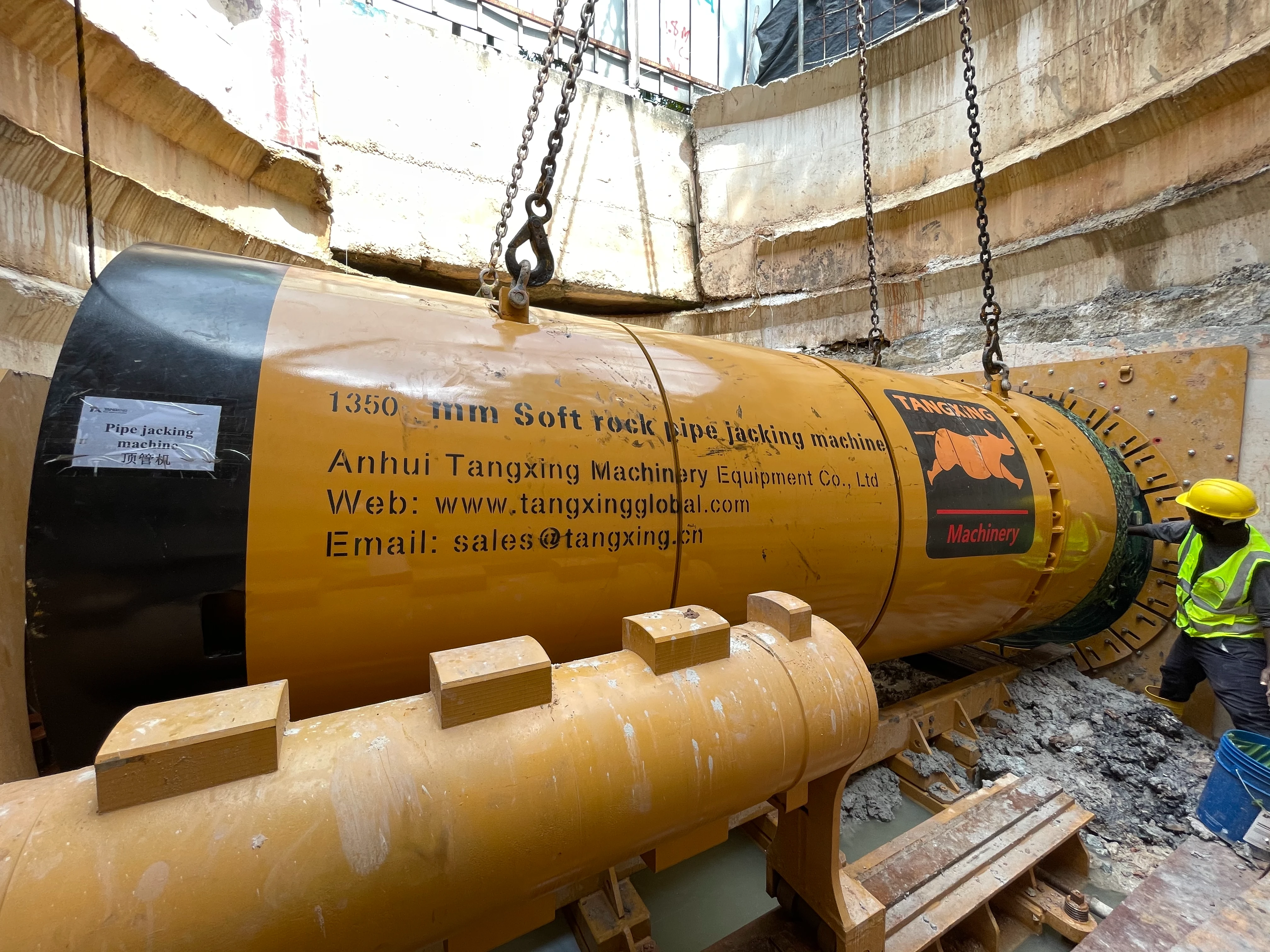
When you use a tunnel boring machine, you need to watch thrust closely. If thrust is too high, settlement in a TBM tunnel can happen fast. High thrust makes the ground stress go up near the tunnel face. The ground cannot hold this extra force, so it starts to move and change shape. Over-excavation means the TBM takes out more soil than needed. This leaves gaps around the shield and makes the ground bend or sink. Sometimes, contact force drops suddenly even when thrust goes up. This is a warning sign for ground collapse and quick settlement.
|
Figure |
Description |
|---|---|
|
7 |
Shows contact force dropping fast while thrust rises, which means the ground might collapse near the TBM shield. |
|
8 |
Shows slow changes between contact and thrust force, maybe because the tunnel slope changes or heavy dirt builds up. |
|
10 |
Shows how weight sensors and laser scanners in EPBMs check for too much volume loss and settlement. |
You should think about how long construction takes and how the tunnel is designed. If you use high thrust for a long time, the load on tunnel joints gets bigger. This puts more force on bolts and bends the support structure more. If you build faster and use a better design, the load gets smaller and the support bends less. This keeps the tunnel steady and lowers settlement.
|
Evidence Description |
Key Findings |
|---|---|
|
The first design took a long time to build, so the lap joint had more load. |
Longer building times mean bolts get more force and the support bends more. |
|
The new design used fewer bolts and took less time, so the lap joint had less load. |
Less load on the lap joint means the support bends slower. |
|
After digging with the new design, the bolt force was lower. |
This shows the new rock outside the lap joint holds less load. |
Soil Displacement And Volume Loss
Too much thrust can push soil away from the tunnel face and cause settlement. When thrust is high, the TBM moves forward fast and the soil shifts. This makes the ground above the tunnel sink because of volume loss. You might see more vertical settlement as soil moves more. Thrust, volume loss, and settlement are all connected. If you do not control thrust, the ground will move and bend more.
Scientists found that keeping the tunnel face steady depends on how you use thrust and face pressure. Too much thrust raises the load and causes more volume loss. The cover-to-diameter ratio and how packed the soil is also change how much the ground settles. The TBM-shield moving through the ground affects how much the surface settles. The stress and strain where the shield touches the soil can bend the ground and make it sink more. You need to know these things to keep settlement low.
Note: How the TBM and soil work together is very important. If you ignore soil movement, you can get big settlements and ground bending above the tunnel.
Impact On Tunnel Lining And Stability
If you use too much thrust, the tunnel lining can get damaged and settlement can spike. High thrust puts extra stress on the tunnel segments. This can make cracks, gaps, and bends in the lining. Over time, these problems make the tunnel weaker and cost more to fix. Sometimes, the loading shoes do not touch right, which makes the damage worse. The type of segment and how thick the gaps are also change how much the tunnel bends and settles.
|
Factor |
Impact on Tunnel Durability |
Impact on Maintenance Costs |
|---|---|---|
|
Can badly damage linings and cause cracks |
Repairs cost more money |
|
|
Incomplete Contact of Loading Shoes |
Makes damage patterns worse |
Makes maintenance more expensive |
|
Configuration of Loading Shoes |
Changes where cracks open |
Not as big a problem as support issues |
|
Gap Thickness |
Makes cracks bigger and causes more damage |
Repairs and upkeep cost more |
|
Segment Type |
Handles stress in different ways |
Changes how much maintenance is needed |
If you do not control thrust, the tunnel can become unsafe and cost more to fix. You might get claims or have to stop work, especially in cities with strict rules. Damage above and below ground can be dangerous and cause legal trouble. You need smart solutions to control thrust and keep settlement low.
-
CEGC uses closed-mode face support to keep the tunnel face safe.
-
Soil conditioning and muck transport systems help stop ground bending and volume loss.
-
Sealing and pressure systems stop leaks and make the tunnel stronger.
You can also use special monitoring tools to watch the ground. Custom plans based on careful checks help you solve problems at your site. CEGC’s custom solutions help you meet project goals and keep settlement under control.
Tip: Always check thrust and settlement when using a TBM. Quick changes can stop ground bending and keep the tunnel safe.
Thrust Control And Settlement Mitigation
Monitoring And Adjusting Thrust
You must watch thrust force all the time when using a tbm. Sensors measure thrust force and pressure as the machine moves. These sensors send information to control systems. The control systems help you change thrust force fast. Other sensors check pressure and strain in the ground. AI and IoT look at this data and help you match thrust force to the ground. Sound and vibration sensors check if the cutter is worn. This lets you change thrust force and keep the tbm safe. Watching thrust force in real time helps you stop sudden changes that cause settlement.
Best Practices For TBM Machine Operation
You can use best practices to lower settlement risk from thrust force. Guidance systems help you steer the tbm and keep it on track. Modular designs let you change the tbm for different ground and projects. You should plan how to handle materials, check tunnel alignment, and get ready for emergencies. Managing high water pressure and careful digging during cross-passages also help control thrust force and stop ground loss.
|
Best Practice |
Description |
|---|---|
|
Material Handling Logistics |
Plan muck removal and segment supply to keep work smooth. |
|
Quality Control Procedures |
Check tunnel alignment and segment installation for strong tunnels. |
|
Emergency Preparedness |
Get ready for risks like ground problems and equipment breakdowns. |
Tip: Always watch thrust force and change it with real-time data. This keeps your tbm safe and lowers settlement.
CEGC Solutions For Face Pressure And Ground Protection
CEGC gives solutions to help you control thrust force and protect the ground. You can change face pressure, grouting pressure, and speed for your project. Closed-mode face support keeps the tunnel face steady and stops ground movement. Soil conditioning and muck transport systems help manage thrust force and volume loss. Sealing and pressure designs stop leaks and make the tunnel stronger. Guidance systems and modular assembly let you change the tbm for different ground. Real-time monitoring and predictive modeling help you set thrust force and lower settlement risk. Project-based setups let you check soil-structure interactions and pick the right thrust force for each site.
|
Parameter |
Impact on Settlement Mitigation |
|---|---|
|
Face Pressure |
Keeps ground steady and stops failure or blowouts. |
|
Grouting Pressure |
Supports the ground while tunneling. |
|
Advance Speed |
Changes how fast the ground moves and settlement risk. |
Note: CEGC’s tunnel machine solutions help you control thrust force and keep your project safe.
Too much thrust in a tunnel boring machine can make the ground sink. You need to manage thrust with care. CEGC’s tunnel machine and Microtunnelling Machine solutions help control face pressure. These solutions also protect the ground. Use good methods and smart tools to keep tunnel projects safe.
FAQ
What happens if you use too much thrust in a TBM tunnel?
You can cause ground to sink or crack. This may damage buildings above. You should always control thrust to keep the tunnel and surface safe.
How do you monitor thrust in a tunnel boring machine?
You use sensors and control systems. These tools show real-time thrust data. You can adjust settings quickly to match ground conditions.
Why should you choose CEGC tunnel machine solutions?
You get advanced face pressure control and ground protection. CEGC offers project-based customization. You can reduce settlement risks and improve safety.


