
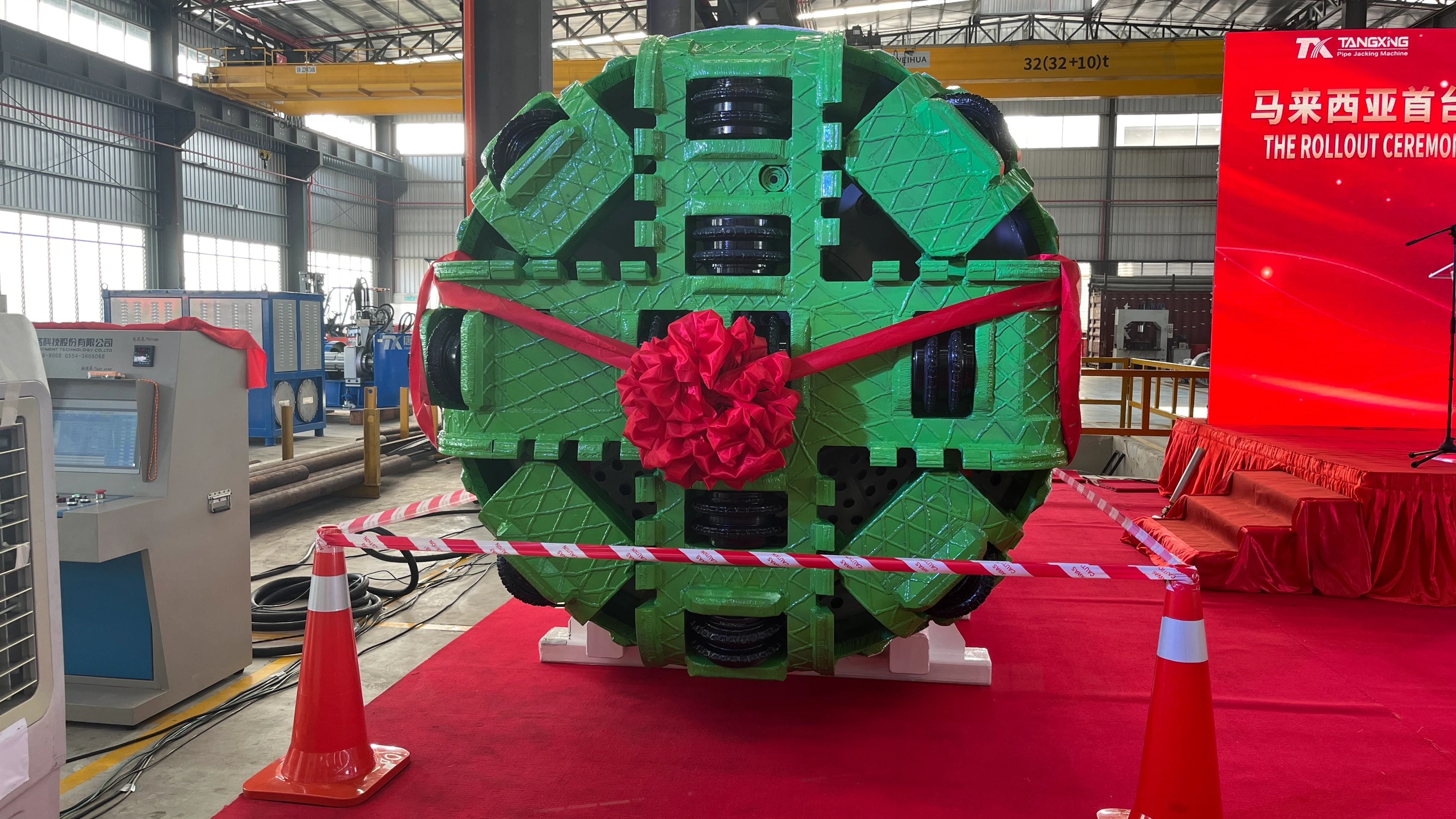
Better torque control keeps a TBM tunnel predictable, ensuring consistent performance and minimizing interruptions during tunneling operations. This approach allows the TBM to operate reliably, improving ground response and reducing downtime. CEGC offers market-standard specifications and can customize solutions to fit your project needs. With better torque control, you can address challenges such as ground settlement, face instability, water ingress, cutterhead wear, and alignment deviation. Maintaining steady torque, along with face pressure control and integrated guidance systems, is essential for successful tunnel boring with CEGC.
Key Takeaways
-
Better torque control makes tunneling go smoothly. It stops sudden stops and breakdowns. This helps your project stay on time.
-
Smart sensors watch torque closely. They let workers make fast changes. This keeps the work safe and cuts down on delays.
-
CEGC has torque control systems you can change to fit your needs. You can pick the best tools for your tunnel job. This makes the work better and faster.
Better torque control keeps a TBM tunnel predictable
Torque control in TBM operation
It is important to know how torque control works in a tunnel boring machine. Torque control means you watch and change the force that turns the cutterhead. This helps the machine move smoothly through different ground types. Smart sensors check torque levels, thrust force, and soil resistance. These sensors let you react fast when the ground changes.
Here is a table that lists the main things you check for torque control:
|
Parameter |
Description |
|---|---|
|
Torque Levels |
Smart sensors watch these to keep the machine working well and stop problems. |
|
Thrust Force |
You measure this to keep the machine balanced and working right. |
|
Soil Resistance |
You check this all the time to handle different ground and work better. |
You use special tools to keep torque under control. Torque transducers measure the force at the cutting wheel. A data system collects this and gives you updates right away. Multi-axis sensors help you steer the TBM cutterhead well. AI guidance systems and machine learning look at ground and machine data. These tools let you change thrust, torque, and speed by themselves. This makes tunneling safer and more efficient.
The cutterhead and rotary system break up soil and rock. The cutterhead spins in front and uses tools to cut. Hydraulic jacks push the machine forward. In hard rock, disc cutters work best. The rotary system controls pressure at the tunnel face. This keeps the tunnel safe and steady.
CEGC gives you standard torque control systems. You can also ask for custom systems for your project. You get the right torque control for your tunnel machine, whether it is a tunnel boring machine or a microtunnelling machine.
Impact on TBM performance
Better torque control keeps a TBM tunnel easy to predict. You do not have sudden stops or breakdowns. Good torque prediction helps you stop the machine from getting stuck or breaking. When you know the torque you need, the machine keeps moving and you lose less time.
Here is a table that shows how good torque prediction helps you:
|
Metric |
Value |
|---|---|
|
Mean Absolute Percentage Error |
7.3% |
|
Coefficient of Determination (R²) |
> 0.95 |
|
Correlation Coefficient (r) |
> 0.95 |
You can see that good prediction means you can trust your TBM. You get fewer surprises and more control over your work. You also handle risks better. When you know the right torque, you stop cutterhead wear and keep the machine moving at a steady speed. You spend less time fixing things and more time working.
CEGC helps you with technical solutions for torque control. You get steady torque, drive matching, and ways to keep things working. You can pick the right cutterhead, extra drive torque, and protection for tough ground. You also get guidance system help and modular design choices. These things help you keep your TBM working well and your tunnel project going strong.
Better torque control keeps a TBM tunnel easy to predict. You get steady digging, less downtime, and better ground response. You can count on your tunnel machine to do the job you need.
Predictable tunneling outcomes with improved TBM performance
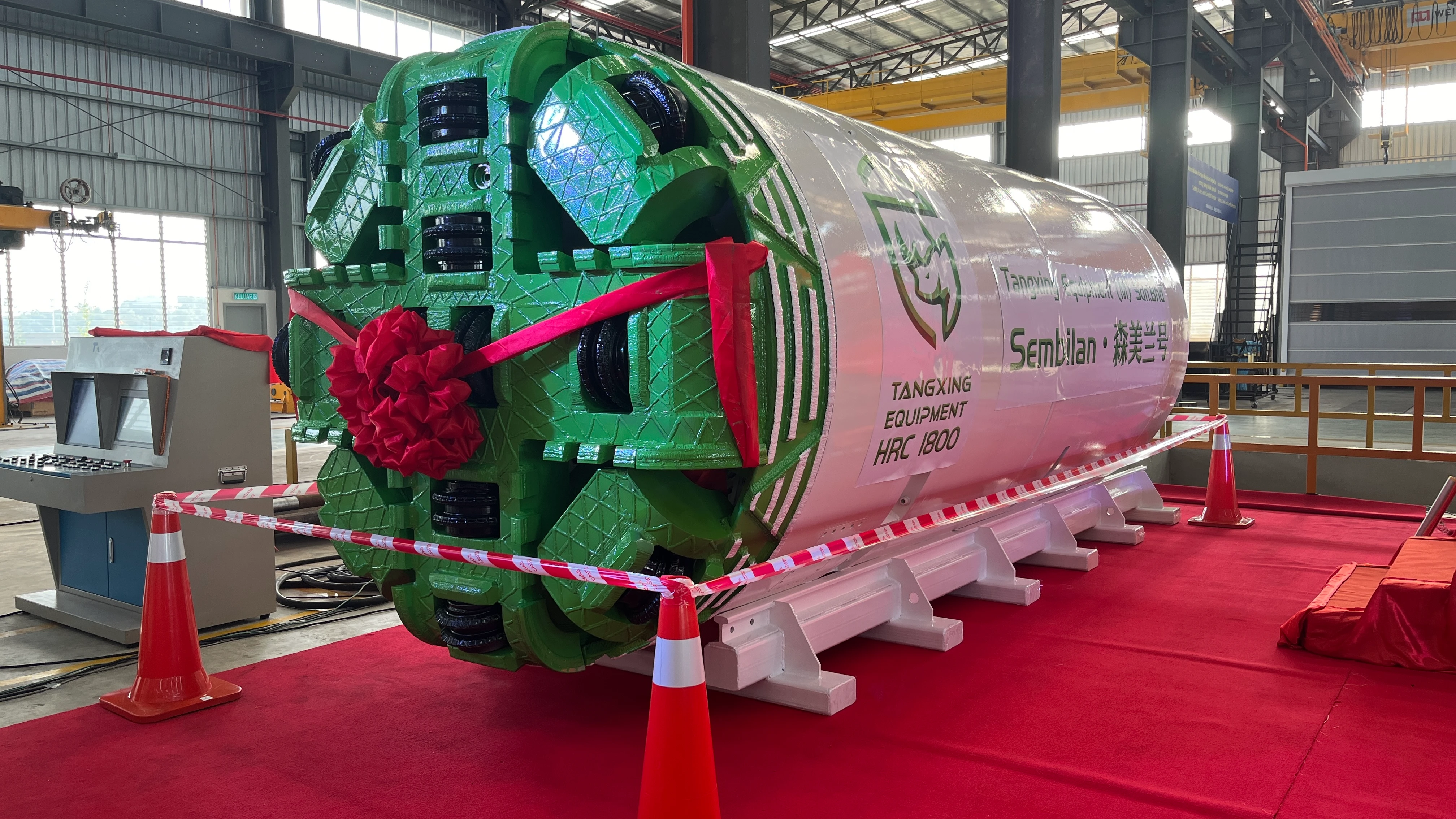
Consistent excavation and reduced downtime
You want your tunnel project to finish on time. You do not want expensive delays. Stable torque delivery helps you dig evenly. It also stops breakdowns from happening often. When you control torque, the tunnel boring machine keeps moving. This means you avoid sudden stops and surprise repairs. The table below shows how torque and downtime are connected:
|
Aspect |
Description |
|---|---|
|
Method |
Reliability analysis uses Markov chains to study breakdowns and maintenance events. |
|
Purpose |
It finds weak spots and important points in tunnel boring machines to lower downtime and costs. |
|
Outcome |
Stable torque delivery can cause fewer breakdowns and maintenance events. |
You can see how net cutterhead torque and thrust force affect repairs. Higher cutterhead torque often means better TBM performance. It also means fewer breakdowns. You get more control over digging. This helps you plan your work and keep your team safe.
You should track key performance indicators to measure how well TBM tunneling goes. These include torque, thrust, cutterhead speed, penetration rate, and rock mass rating. When you watch these, you can change control settings and keep digging efficient.
Ground response and face pressure control
You need to handle ground settlement, face instability, and water getting in while tunneling. Predictive torque control helps keep the tunnel face steady. This makes digging safer and more reliable. You can use closed-mode face support and soil conditioning to stop the ground from moving too much.
The cutter-head torque gives the cutting force needed for breaking rock during tunneling. Cutter-head torque affects how well rocks break and how the machine works with the rock. Making cutter-head torque stable helps manage cutter-head load and motor function.
You should always check groundwater and earth pressures at the tunnel face. Calculate support pressures to balance these forces. Use the Ultimate Limit State Approach to stop collapse. Use the Serviceability Limit State Approach to keep ground movement small. If you do not set the right support pressure, you could have surface failure or big changes. You can use numerical analysis to study how the machine and ground interact, especially in tough ground.
You can also get better results by changing chamber pressure and cutterhead rotation. Faster tunneling happens with higher cutterhead speed and lower chamber pressure. But you must find the best balance for your project.
Cutterhead wear and risk management
You face risks like cutterhead wear and water getting in every tunnel project. Predictive analytics and real-time monitoring help you spot problems early. You can use AI and IoT tools to get data from your tunnel machine. This lets you act before small issues become big problems.
|
Aspect |
Explanation |
|---|---|
|
Efficiency and Productivity |
Knowing torque and thrust helps make the machine work better for digging. |
|
Safety and Risk Mitigation |
Checking these forces stops machine failures and keeps workers safe. |
|
Maintenance and Cost Considerations |
Predicting repairs lowers downtime and costs by knowing when things wear out. |
|
Performance Prediction |
Watching these forces helps guess how the machine will work and change settings. |
You should always watch geotechnical parameters. This helps you manage cutterhead wear and stop water from getting in the tunnel. Predictive analytics lets you guess problems and plan repairs. You can use modular design and layouts that are easy to fix to make repairs faster.
You can learn from big projects like the Yingsong Water Diversion Project. Watching TBM performance for a long time shows that predicting torque and thrust makes tunneling more reliable. When you use hybrid models with raw data and calculated parameters, you get better control over TBM tunneling performance.
CEGC matches market standards for mechanized tunneling and offers custom choices for projects. You can pick the right guidance systems, face support, and modular options for your tunnel. This gives you the power to manage digging, improve performance, and keep your project on track.
You can keep your TBM tunnel project on track with good torque control. You deal with tough problems like lots of data and ground that changes. Advanced torque systems help you spend less on repairs and use less energy.
-
You can tell tunneling conditions more easily
-
You get data right away
-
You make clear choices for how to work
|
Trend Description |
|---|
|
More TBMs use automation and AI now |
|
High-torque TBMs are used for deep tunnels |
|
TBMs are used more for green projects |
|
Robotic parts in TBMs are getting better |
|
Tunnel safety features are needed more |
Pick CEGC for tunnel machines that work well, are safe, and ready for the future.
FAQ
What is torque control in a tunnel boring machine?
Torque control helps you manage the turning force on the cutterhead. This makes sure your tunnel machine works safely and does not stop suddenly.
How does better torque control reduce downtime?
When you control torque well, your machine breaks down less. This means your TBM keeps working and you finish your tunnel faster.
Can you customize torque control for different projects?
Yes, CEGC lets you pick torque control systems for your project. You can get systems that match your tunnel machine and the ground you dig through.


