
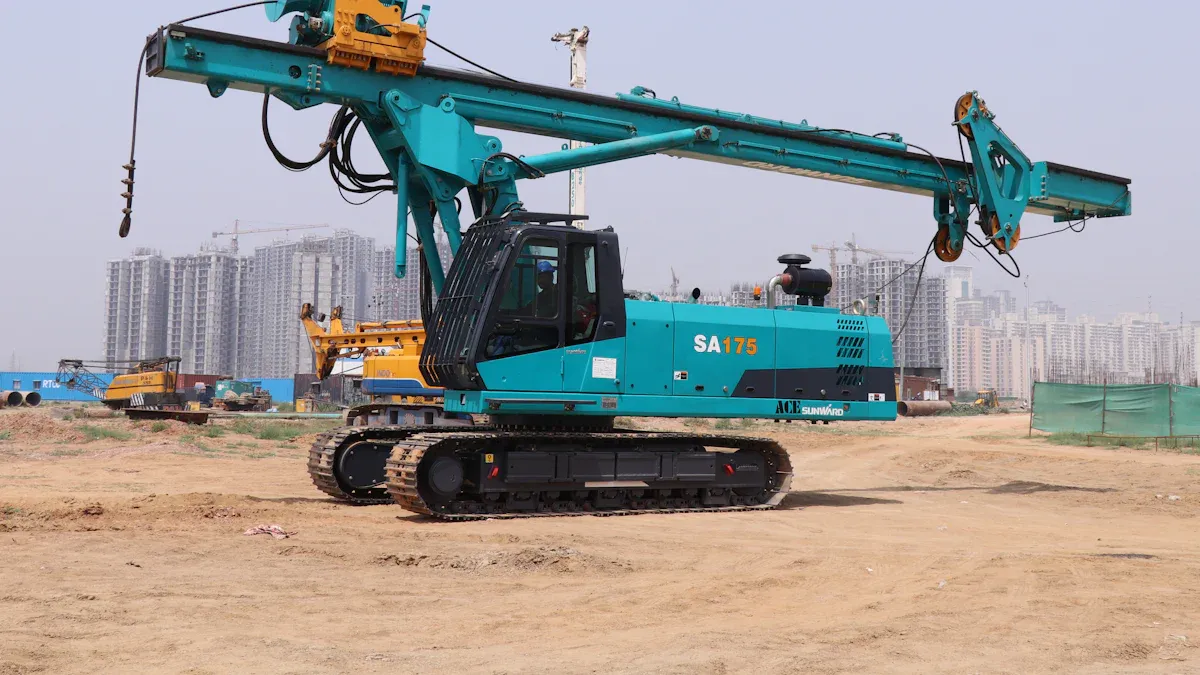
How does a 450HP directional boring machine keep working without stopping? This is a truly amazing engineering feat. The CEGC horizontal directional drilling machine is the best in the business. It works all the time for tough jobs. Working without stopping is very important in modern trenchless drilling. When machines stop, it costs a lot of money. This Directional Boring Machine 450HP Never Stops.
Key Takeaways
-
The 450HP directional boring machine keeps working. It has a strong engine. It has good hydraulic systems. Its parts are tough.
-
Smart technology helps the machine. It checks things as they happen. It has automatic controls. This stops problems before they start. The machine runs well.
-
This machine saves time. It also saves money on projects. It works all the time. It finishes jobs quicker.
Engineering Excellence: The Core of Uninterrupted Performance
A machine that never stops is amazing. It shows smart design. Good engineering solves big problems. The CEGC horizontal directional drilling machine works without fail. Its strong build and smart systems stop issues. This means more work gets done. Projects finish on time.
Robust 450HP Engine and Power Management
A strong 450HP engine powers this machine. This engine is powerful. It is also very smart. It makes 450 horsepower. It has 510 pound-feet of torque. This power helps it drill through hard ground. The engine's power system uses power wisely. It gives the right power for each job. This saves energy. It keeps the engine running well. It is like a strong heart. It always beats perfectly. It is ready for the next task.
Advanced Hydraulic Systems
The machine's hydraulic systems are its muscles. They move parts with great force. They are very precise. These systems use good pumps. They use good motors. Piston motors are very good. They are often over 95% efficient. They are best for high power. They are best for high pressure. You might find:
-
Axial piston motors (swashplate type): These are good for fast, powerful jobs.
-
Radial piston motors: These work for heavy machines. They need strong, slow moves. Other systems use orbital hydraulic motors. These are for medium pressure. Gear motors are for simpler, faster jobs. These systems make sure moves are strong. They are exact. They help the machine work without stopping. This is true even on hard jobs.
Durable Components and Materials
The machine is built to last. Each part is chosen for strength. Each part is chosen for long life. Important parts use special materials. Stainless steel stops rust. It handles extreme heat. Alloy steels are for strong parts. They resist wear. These are in engine parts. They work many times. Other materials include:
-
Plastic: It is light and strong. It adds strength to parts.
-
Brass: It is good for moving parts. It resists wear and rust.
-
Aluminum: It is light and strong. It resists rust. It is useful for many parts. These materials help parts last long. An engine can last 8,000 hours. It can last up to 15,000 hours. Hydraulic excavators work for 9,800 hours. Some crawler loaders reach 18,000 hours. This focus on strong materials means fewer breaks. It means more work time.
Integrated Cooling and Filtration
Keeping the machine cool is important. Keeping it clean is important. This helps it work forever. The machine has smart cooling systems. They stop overheating. It has many filters. They keep everything clean. These filters protect parts. They stop dirt and grime. Here are some filters used:
-
Suction Strainer: It catches big dirt pieces. This is before they enter.
-
Suction Line Filter: It removes small particles. These are 5 to 150 microns.
-
Pressure Line Filter: It protects high-pressure parts. It stops damage.
-
Return Line Filter: It cleans the oil. This is before it goes back.
-
Kidney Loop Filters: These work offline. They keep oil extra clean.
-
Reservoir Air Breather: It stops air dirt. This is from getting into the tank. There are also air filters for the engine. Fuel filters clean the fuel. Oil filters keep engine oil pure. These systems work together. They make sure fluids are clean. They make sure fluids are cool. This helps the Directional Boring Machine 450HP Never Stops.
Precision Guidance and Stability
Drilling a perfect path needs accuracy. This machine uses good guidance tech. Gyro Steering Technology (GST) is one example. It is very accurate. It is accurate to 0.01 degrees. This is for drill steepness. It works well in any condition. On-Target Steering (OTS) also helps. It uses sensors. It checks the drill's angle. It checks its position in real-time. This keeps the drill on its path.
-
Surveying: This finds where the drill is. This is as it moves.
-
Tracking: This checks survey accuracy. It uses signals from the surface. The machine also stays stable. Interlocking Kelly bars help. They move power precisely. This is true even in hard rock. This design keeps the drill steady. It keeps it accurate. This is true deep underground. Casing oscillators help in soft ground. They put in a protective casing. This is as they drill. This stops the hole from falling in.
Anti-Stall Powertrain and Overload Protection
This machine handles tough conditions. It does this without stopping. It has systems to stop stalling. This is under heavy loads. Compressor anti-stall systems release air. This stops the compressor from stalling. Keeping hydraulics clean also helps. A blocked valve can stall the engine. Regular cleaning stops this. The machine also has smart protection. Torque limiters are key. They are like a safety switch. If the machine pushes too hard, power stops. This protects the engine. It protects the gears. The HYGUARD® hydraulic safety coupling is another example. It uses friction. It moves power. If torque is too high, it releases pressure. This stops power flow. It protects the machine. It lets it work again fast. These systems ensure the Directional Boring Machine 450HP Never Stops. This is true even with extreme resistance.
How the 450HP Directional Boring Machine Never Stops: Smart Tech and Proactive Care
This machine never stops. It uses smart tech. It gets careful attention. This section shows how. Advanced systems keep it working. Proactive steps help too. It solves tough drilling problems. It brings great money benefits.
Real-time Diagnostics and Telematics
Imagine a machine. It tells you what it needs. It does this before problems start. This Directional Boring Machine 450HP Never Stops. It uses real-time checks. It uses telematics. Sensors gather info all the time. This includes time data. It checks speed. It checks RMS values. It also watches process data. This comes from PLC systems. It checks motor current. It checks electrical signals. Wireless vibration is watched. Temperature data is also collected. This includes FLIR thermal images. They go up to 752°F. This info helps teams. They see inside the machine.
Telematics sends this data. It goes to experts. This helps predict repairs. It guesses when parts might break. This means repairs are planned. They happen before breakdowns. Telematics also helps prevent issues. It changes routine tasks. This is based on machine use. It keeps it working best. All repair records are saved. This makes future plans easier. Constant checking finds problems early. It also saves money. Fixing things early means fewer repairs. It means more work time. This makes the machine last longer. It also makes work safer.
Automated Control Systems
The machine has a brain. It is an automated control system. This system makes drilling smarter. It makes it more steady. AI systems adjust weight. This is on the drill bit. They also change pump rates. This happens in real-time. This stops tool damage. It makes drilling faster. These AI systems learn. They adapt to ground types. They react to changes quickly. Smart automation also improves speed. It manages pressure in real-time. It adjusts to ground changes. It adjusts to pump rates.
Automated systems use pressure data. They see small changes fast. This keeps standpipe pressure steady. It ensures good work. These systems also guide drilling. They watch pressure always. This lets drilling happen safely. It stays near pressure limits. AI can spot odd things early. This includes vibration spikes. It sees pressure changes. It sees sudden torque shifts. It knows normal noise. It knows real threats. This stops accidents.
Automated systems help the operator. They make the job easier. They reduce tiredness. They handle data logging. They handle monitoring. This means fewer human mistakes. Operators can focus on important drilling. This leads to better choices. It makes a safer workplace. Automated drilling makes work steady. It uses data to decide. This is key for hard jobs. It also means fewer people. They are not in dangerous spots. This improves reaction times. Automated controls adjust settings. They do this in real-time. They use live pressure readings. They use smart programs. This makes drilling better. It makes it as fast as possible.
Quick-Change Tooling and Modular Design
Time is money in drilling. This machine saves time. It has quick-change tools. It has a modular design. Modular parts are standard. This makes repairs simple. Replacement parts are easy to get. This cuts waiting times. It reduces downtime. Modular design also helps. It makes parts easy to reach. This is for checks.
Parts can be swapped fast. You do not take everything apart. This makes replacement quicker. If a part breaks, it is easy to find. Ordering a new part is simpler. It is not a long search. Swapping a module is faster. It is better than rebuilding parts. This design helps the Directional Boring Machine 450HP Never Stops. It makes repairs fast and easy.
Tooling Compatibility and Durability
Drilling tools face stress. They must be strong. They must last long. Tool life is how long a tool works. It makes good parts. All tools wear out. Managing their life is key. It makes work good. Many things affect tool life.
-
Abrasion: Hard bits rub the tool.
-
Adhesion: Ground material sticks to the tool.
-
Diffusion: Heat mixes atoms. This weakens the tool.
-
Oxidation: Heat causes chemical changes. This shortens tool life.
-
Fatigue: Stress and heat cause cracks.
Tool material and design matter. Different materials work best. Different shapes work best. This is for different jobs. How fast you cut matters. How much you feed matters. How deep you cut matters. These change tool wear. Harder ground wears tools faster. Good cooling helps. Lubrication reduces heat. This makes tools last longer. Proper setup helps. Skilled operators help too. They prevent wear. They make tools last. Regular checks help. Setting a life span helps. Monitoring systems help. Resharpening tools helps too.
Mud Integration and Fluid Management
Drilling fluid is mud. It is key for a good bore. It keeps the hole stable. It removes cuttings. Managing this fluid is vital. It means keeping mud weight right. This is done by checking parts. This matches the ground. For loose ground, special mud helps. To stop chemical issues, water is limited. This is for swelling clays. Non-aqueous fluids coat the hole. They use oil. They add salts to water. This makes a layer. For water-based muds, research helps. It reduces water uptake. It plugs pores in shale.
Drilling fluids do many jobs:
-
They control pressure. This is at the hole bottom.
-
They support the hole. They keep it stable.
-
They stop bad fluids from entering.
-
They remove cuttings. This is from the drill bit.
-
They carry cuttings to the top.
-
They keep solids floating. They keep the hole clean.
-
They protect the ground. This is from drilling damage.
-
They cool the bit. They lubricate the drill string.
-
They support the drill string.
-
They transfer power. This is to the bottom assembly.
Optimizing drilling fluids needs constant checks. Adjustments are made. This is as ground changes. Not doing this causes problems. It causes delays. It causes risks. Like stuck pipes. Good hole cleaning is key. This is for long wells. This is for angled wells. It reduces risks. Like stuck pipes. Like slow drilling. Like broken gear.
Preventing frac-out is also key. Frac-out is when fluid escapes. It goes to the surface. This machine stops this. It uses many technologies. Ground radar helps. Core samples help. This understands ground layers. The right fluid mix is made. It has correct strength. It has correct thickness. It has correct yield. Risk software helps. It compares fluid pressure. It compares ground strength. Casing is used. Relief wells are used. This is if ground cover is thin. The right drill bit is chosen. The right bottom assembly is chosen. This is for the ground. Fluid parameters are watched. This includes pressure. This includes mud weight. This includes thickness. Regular checks help. This is during pilot drilling.
Proactive Maintenance and Operator Training
The machine works all the time. This is from smart care. It is from skilled operators. Proactive care means fixing things. This is before they break.
-
Preventive maintenance: This is planned upkeep. It is based on time. It is based on use. Like changing oil. This reduces costly repairs.
-
Predictive maintenance: This uses data. It uses sensors. It guesses when problems happen. Teams fix issues. This is before they fail. This includes vibration checks. It includes oil checks. It includes heat images.
-
Condition-based maintenance: This watches gear. It does this in real-time. Sensors check heat. They check pressure. They check vibration. Repairs happen when problems show. This finds issues early. It makes things safer. It makes gear last longer.
Maintenance schedules can be fixed. They can be floating. They can be meter-based. Fixed schedules are at set times. Floating schedules adjust. This is based on last work. Meter-based schedules trigger care. This is based on actual use. This ensures care matches wear. It stops too much care. It stops too little care.
Operator training is important. It helps the machine work best. It reduces downtime. Training teaches operators. They learn to use the machine well. They learn safe ways to work. They learn to reduce wear. This makes work better. It lowers costs. It increases work time. Training has classes. It has hands-on practice. Operators learn about parts. They learn controls. They learn best ways. They get feedback. Some training teaches maintenance. They learn to replace parts. This reduces downtime more. Well-trained workers make work smooth. They make fewer mistakes. They ensure the Directional Boring Machine 450HP Never Stops.
The CEGC drilling machine is great. It is built strong. It has smart technology. It gets good care. This makes it always work. You wait less time. Projects finish faster. It costs you less money. This machine never stops. It helps with big building jobs. It always does well.
FAQ
How does the 450HP machine keep working all the time?
It has a strong 450HP engine. It has good hydraulic parts. It uses tough materials. These help it work without stopping. This machine is made to always perform.
How does smart technology make it reliable?
It uses real-time checks. It has automatic controls. These guide every step. They guess what is needed. They stop problems. This smart tech keeps it moving.
How does this machine help with project time and money?
It works without stopping much. It finishes projects faster. This saves a lot of money. It gives good results for important building jobs.


