
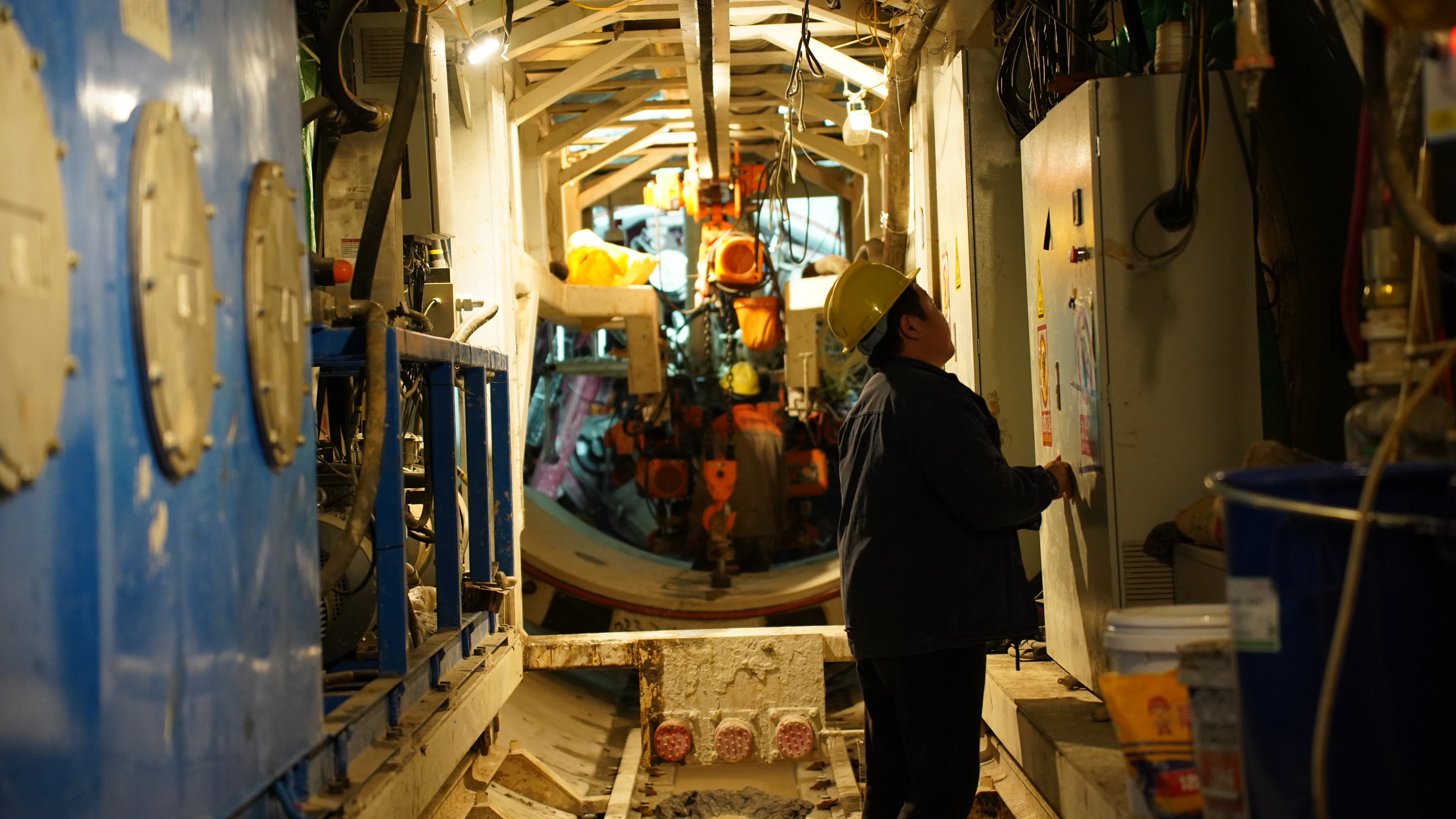
It’s important to understand that balanced thrust can protect schedule buffer in TBM tunnel work. When thrust is not properly balanced, the TBM tunnel boring machine may stop, leading to project delays. As regulations become more stringent, electric tunnel machines are becoming increasingly vital. CEGC is investing in advanced electric-drive technology to help you stay compliant with these evolving standards.
Key Takeaways
-
Balanced thrust helps the TBM go straight and stops expensive delays. Always check thrust to stop damage to the equipment.
-
Good thrust control helps finish the tunnel faster. Use trained workers and fix machines often to keep balance.
-
Electric tunnel machines give better control for thrust. Buying new technology helps follow tough rules.
Balanced thrust in tunnel boring machines
Definition and role in TBM operations
Balanced thrust means that you apply equal force around the cutting face of the tunnel boring machine. This force keeps the machine moving forward in a straight line. When you use balanced thrust, you help the machine cut through soil or rock without tilting or getting stuck. The machine stays on track, and the tunnel walls stay safe. If you do not balance the thrust, the machine can shift or twist. This can cause the tunnel to go off course or even damage the equipment. You need to watch the thrust at all times to make sure the machine works well.
Importance for electric and diesel tunnel machines
Both electric and diesel tunnel machines need balanced thrust. You might think electric machines work differently, but they also need steady force to keep moving. Electric tunnel machines, like those from CEGC, use advanced controls to help you manage thrust more easily. Diesel machines use hydraulic systems for thrust, but the goal is the same. You want the machine to stay stable and safe. Balanced thrust helps you handle changes in the ground, such as soft soil or hard rock. When you keep the thrust balanced, you protect the machine and the tunnel. CEGC focuses on electric tunnel machines because they offer better control and help you meet new rules for clean construction.
How balanced thrust can protect schedule buffer in TBM tunnel work
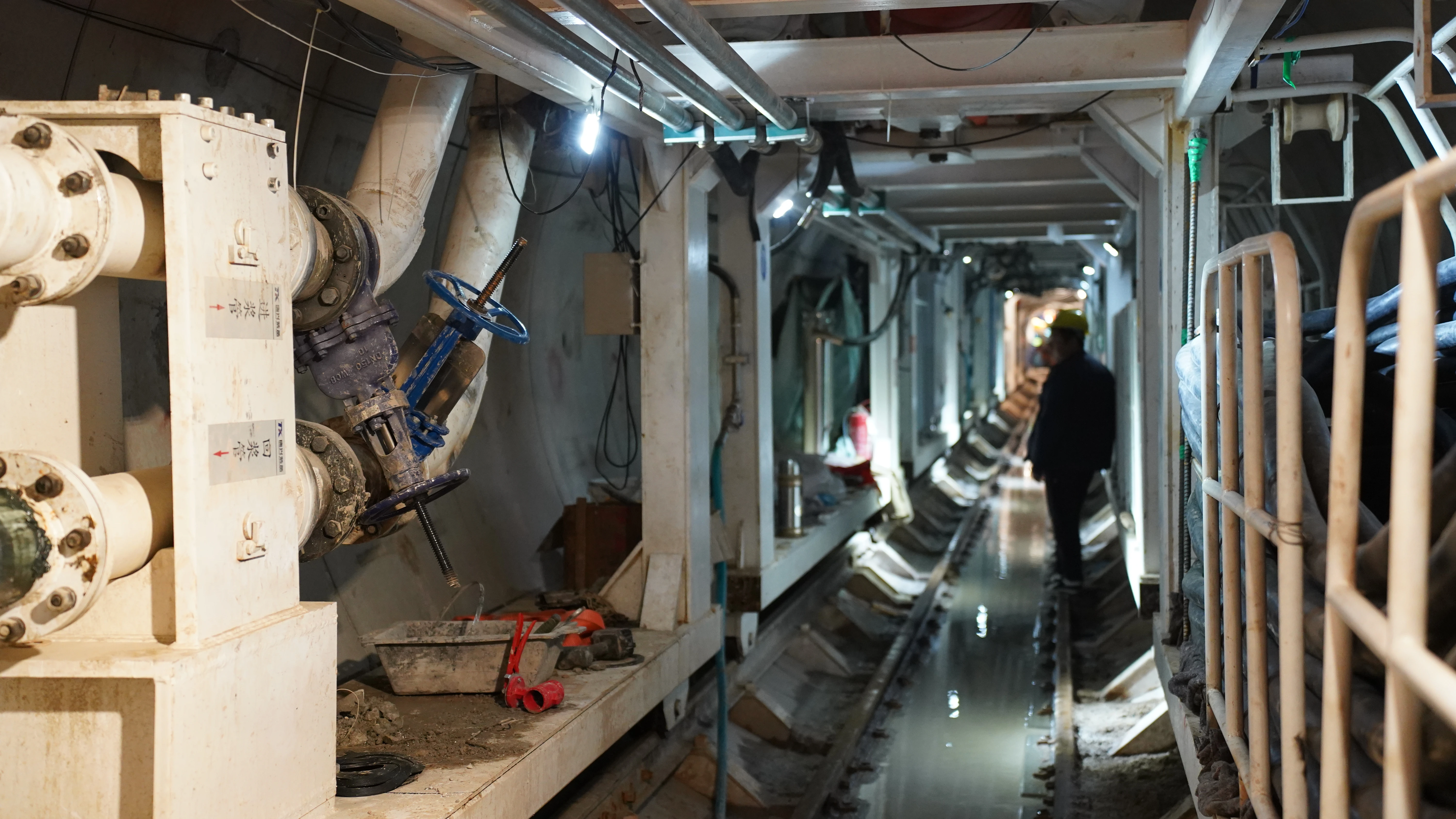
Risks of unbalanced thrust and schedule delays
If you do not keep thrust balanced, you face many problems. The TBM can stop suddenly if the thrust is uneven. This wastes time and uses up your schedule buffer. When one side pushes harder, the TBM might twist or move off track. The tunnel could end up crooked. You will have to stop and fix it, which takes more time.
Unbalanced thrust makes the TBM rub harder against the rock. If the thrust is too weak or uneven, the TBM can get stuck. Jamming happens when the rock pushes back too much. You may need extra workers or machines to help free the TBM. This costs more money and slows down your project. Microtunnelling Machines and auger boring machines can have these problems too. Both need balanced thrust to keep working and stay safe.
Your equipment can also wear out faster if the thrust is not even. Thrust cylinders and cutterhead parts break more quickly. You will need more repairs and have more downtime. Every repair means you lose days from your schedule buffer. Balanced thrust helps protect your schedule buffer by lowering these risks.
Thrust management for steady progress
You can keep your project moving by managing thrust well. Good thrust management helps the TBM move forward at a steady speed. This lets you finish the tunnel faster and avoid problems. Balanced thrust saves time because you do not need as many repairs or fixes.
Here are some ways to manage thrust and reduce downtime:
-
Change the cutterhead speed. Lowering the RPM from 11.5-12 to 9.5 can make the TBM cut faster by 15-20%.
-
Do regular maintenance. This cuts downtime and means you change cutters less, by up to 19%.
-
Use skilled operators. Good workers know how to work better and save time, even if the TBM moves slower.
You should also follow best steps for keeping thrust balanced. The table below shows some important steps:
|
Best Practice |
Description |
|---|---|
|
Optimal RPM |
Lower RPM helps cutters last longer and cut better in hard rock. |
|
Knowledgeable Operators |
Good operators balance speed and thrust when the ground changes. |
|
Scheduled Maintenance |
Regular checks help crews find problems early and keep the TBM running. |
You need to balance thrust force and cutterhead speed to stop impact loading. This matters when you dig through different rocks. You also need to know about torque levels. This helps you pick the right TBM for your job.
Balanced thrust helps you avoid jams and keeps the TBM moving. You get better speed and safety, even in soft or wet ground. The tunnel walls are smoother, so you spend less on lining. This is very useful in cities where space and time are important.
Case examples: schedule outcomes with and without balanced thrust
Let’s look at two project examples. In the first, you use balanced thrust on your TBM. The thrust cylinders push evenly, so the TBM stays straight. You finish each part of the tunnel on time. Maintenance stops are short and planned. Your schedule buffer stays safe, and you finish the project as promised.
In the second example, you do not manage thrust well. The TBM moves off line because the thrust is uneven. You have to stop and fix the TBM. The cutterhead wears out faster, so you need more repairs. The tunnel jams in hard rock, and you lose days getting the TBM free. Your schedule buffer gets smaller, and you might miss your deadline.
Microtunnelling Machines and auger boring machines can have the same results. If you keep thrust balanced, you avoid delays and protect your schedule. Balanced thrust gives you steady progress and fewer problems.
You can also use tbm automation to watch thrust in real time. Automation systems tell you when thrust cylinders need fixing. This helps you act fast and keep the TBM running well. Tbm automation works for both electric and diesel TBMs, so it is easier to keep thrust balanced and protect your schedule buffer.
Balanced thrust can protect schedule buffer in tbm tunnel work. If you pay attention to thrust management, your project stays safe, works well, and finishes on time.
You keep your schedule buffer safe by balancing thrust in your tunnel boring machine. Managing thrust early helps both electric and diesel tunnel machines. New tools let you watch thrust as it happens.
|
Feature |
Description |
|---|---|
|
AI-driven guidance |
Uses live data to help cut and steer better. |
|
Predictive maintenance |
Sends smart warnings and cuts downtime by 20%. |
|
Real-time data analytics |
Lets you make faster and smarter choices. |
Find out more about CEGC’s electric tunnel machine solutions to help your project do well.
FAQ
Are electric tunnel machines available now or only in development?
You can already buy electric tunnel machines. CEGC sells electric TBM tunnel boring machines and Microtunnelling Machines for lots of jobs.
How does battery capacity affect Microtunnelling Machine shift duration?
If you have a bigger battery, you can work longer. The battery size tells you how long your Microtunnelling Machine will run before you must charge it again.
What is the cost premium for an electric tunnel machine vs. diesel?
-
An electric tunnel machine might cost more at first.
-
You spend less later because fuel and fixing costs are lower.


