
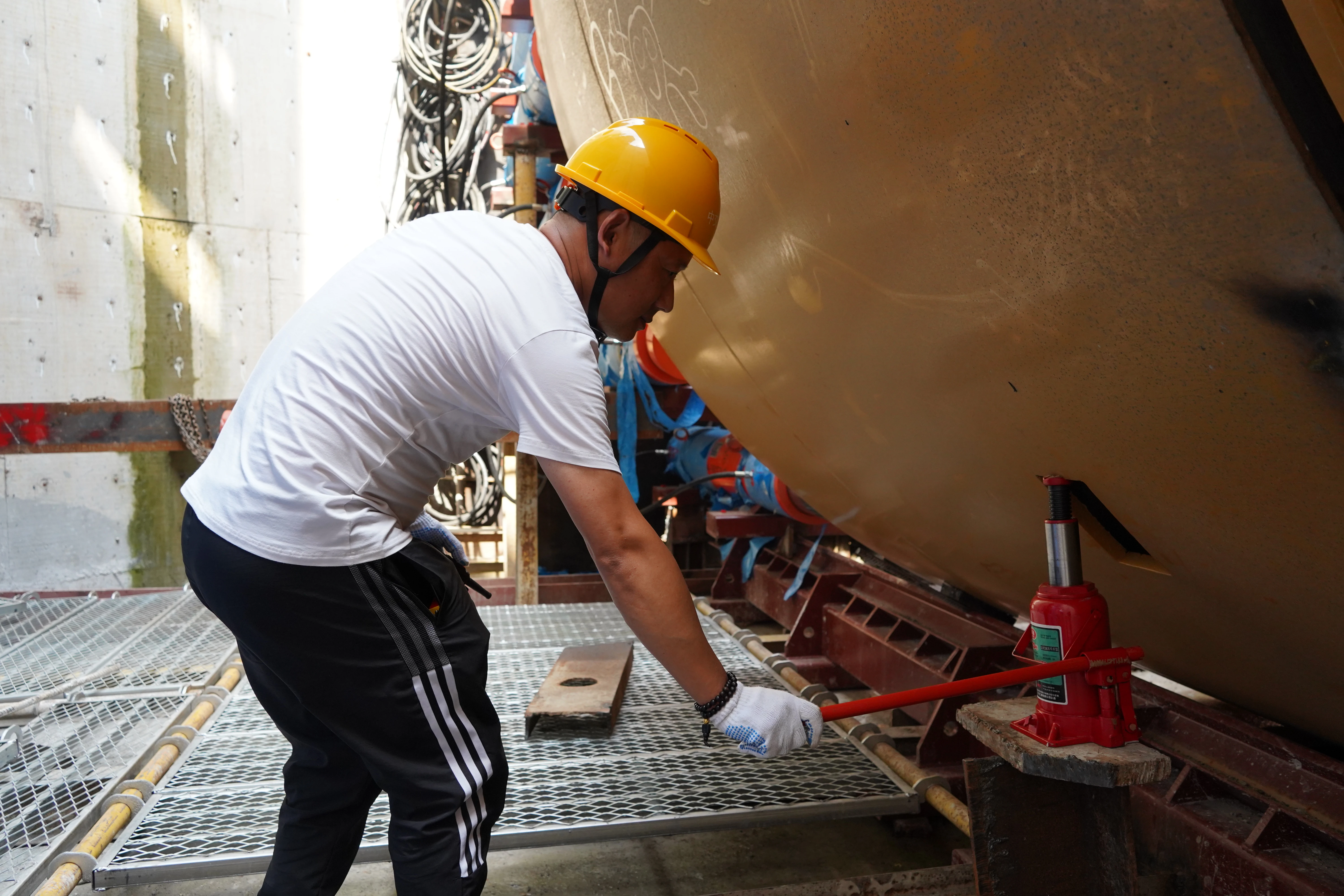
You can see how balanced thrust reduces face instability in a TBM tunnel when you use a tunnel boring machine from CEGC. In every tunnel, thrust and thrust force are essential for keeping the tunnel face secure. Balanced thrust reduces face instability in a TBM tunnel by precisely controlling thrust force at the tunnel face. CEGC ensures your tunnel boring machine delivers balanced thrust, which reduces face instability in a TBM tunnel and keeps your tunnel boring machine operating smoothly. When you use a tunnel boring machine, you rely on thrust and thrust force. Balanced thrust reduces face instability in a TBM tunnel, so thrust force supports the tunnel structure. Balanced thrust reduces face instability in a TBM tunnel and maintains consistent thrust force. You can trust that balanced thrust reduces face instability in a TBM tunnel for every tunnel boring machine project with CEGC.
Key Takeaways
-
Balanced thrust is very important for keeping the tunnel face stable. It stops the face from becoming unstable and helps the tunneling go smoothly.
-
We must control the thrust force carefully. If there is too much thrust, the TBM can get stuck. If there is not enough thrust, the face can fall in.
-
Advanced TBM technology and real-time monitoring help keep things balanced. This keeps the project safe and makes it work well.
Balanced thrust and TBM face stability
How balanced thrust reduces face instability in a TBM tunnel
It is important to know how balanced thrust helps keep the tunnel face stable in a TBM tunnel. Balanced thrust means you use just enough force at the tunnel face. This stops the tunnel face from moving or falling in. If you use a tunnel machine, you want to stop face instability. Face instability can slow down your work and make it harder to finish. It can also make tunneling more risky and cost more money.
-
Face instability makes TBM work slower and can lower progress.
-
You get more problems if the tunnel face is not steady.
-
The way cracks form and how strong the ground is compared to the stress at the face matter for stability.
Balanced thrust is not only about pushing forward. It is also about keeping the tunnel face safe and making sure your project goes well.
|
Mechanism |
Description |
|---|---|
|
Uses the dug-up soil to keep pressure at the tunnel face, which helps keep it steady. |
|
|
Muck Extraction |
Changing how fast you take out muck helps control pressure at the TBM face. |
|
Additives Injection |
Adding things like bentonite or polymers keeps the ground steady and holds pressure. |
When you use a TBM tunnel boring machine, you need these ways to keep the face steady. You must control thrust and earth pressure balance to get the best work from your tunnel machine.
The role of thrust force at the tunnel face
Thrust force is the power that pushes the TBM forward. You have to control thrust force carefully at the tunnel face. If you use too much thrust, the TBM can get stuck or the tunnel face can break. If you use too little, the tunnel face might fall in or change shape.
|
Evidence Description |
Key Findings |
|---|---|
|
Thrust required by TBM in weak zones |
Thrust can go up fast and pass the TBM's limit, which can cause it to get stuck. |
|
Influence of rock deformation |
The farther you are from the tunnel face, the more the rock can change shape. This makes friction and jamming more likely. |
|
Ground stress concentration |
When you get close to weak spots, shield and cutterhead stress go up. This can warn you about problems ahead. |
You need to watch thrust force all the time. During the break-out phase, thrust can go from 1500 kN to 5000 kN. After you start cutting again, thrust is about 2000 kN. These numbers show thrust force can change a lot during tunneling. You must change thrust to fit the tunnel face conditions.
Maintaining equilibrium with TBM machine controls
You use TBM machine controls to keep the tunnel face steady. These controls help you manage thrust, earth pressure balance, and support. You want the tunnel face to stay steady during every step of tunneling.
|
Step |
Description |
|---|---|
|
Excavation |
The TBM uses a spinning cutterhead to break up soil or rock and moves it back for removal. |
|
Pressure Control |
You keep pressure in the chamber to match outside pressure and stop the ground from sinking. |
|
Soil Conditioning |
You add agents to the soil to keep it steady and control chamber pressure. |
|
Segmental Lining |
You put in concrete segments right away to give support and keep things steady during tunneling. |
|
Monitoring and Control |
You watch torque and pressure to keep tunneling safe and steady. |
-
You change settings based on math and real-time data to keep the tunnel face steady.
-
You use sensors to check the ground and change cutting speeds and pressures when needed.
-
You use earth pressure balance, chamber fill ratio, and support pressure to keep the tunnel face steady.
-
Earth pressure balance uses the soil you dig out to push back against the tunnel face.
-
Chamber fill ratio means you mix soil and foam in the chamber to get the right support.
-
Support pressure from the mucking system stops soil from rushing into the chamber.
Modern TBM machine controls help you keep the tunnel face steady. You use smart systems that watch the ground and change thrust, cutting speed, and support pressure. These controls help you get the best work from your tunnel boring machine. You keep your tunneling safe, working well, and on time.
Tip: Always watch thrust, earth pressure balance, and support pressure. Change your TBM machine controls to fit new conditions at the tunnel face. This keeps your tunneling project safe and helps you succeed.
Mechanisms of thrust and face interaction in TBM tunneling
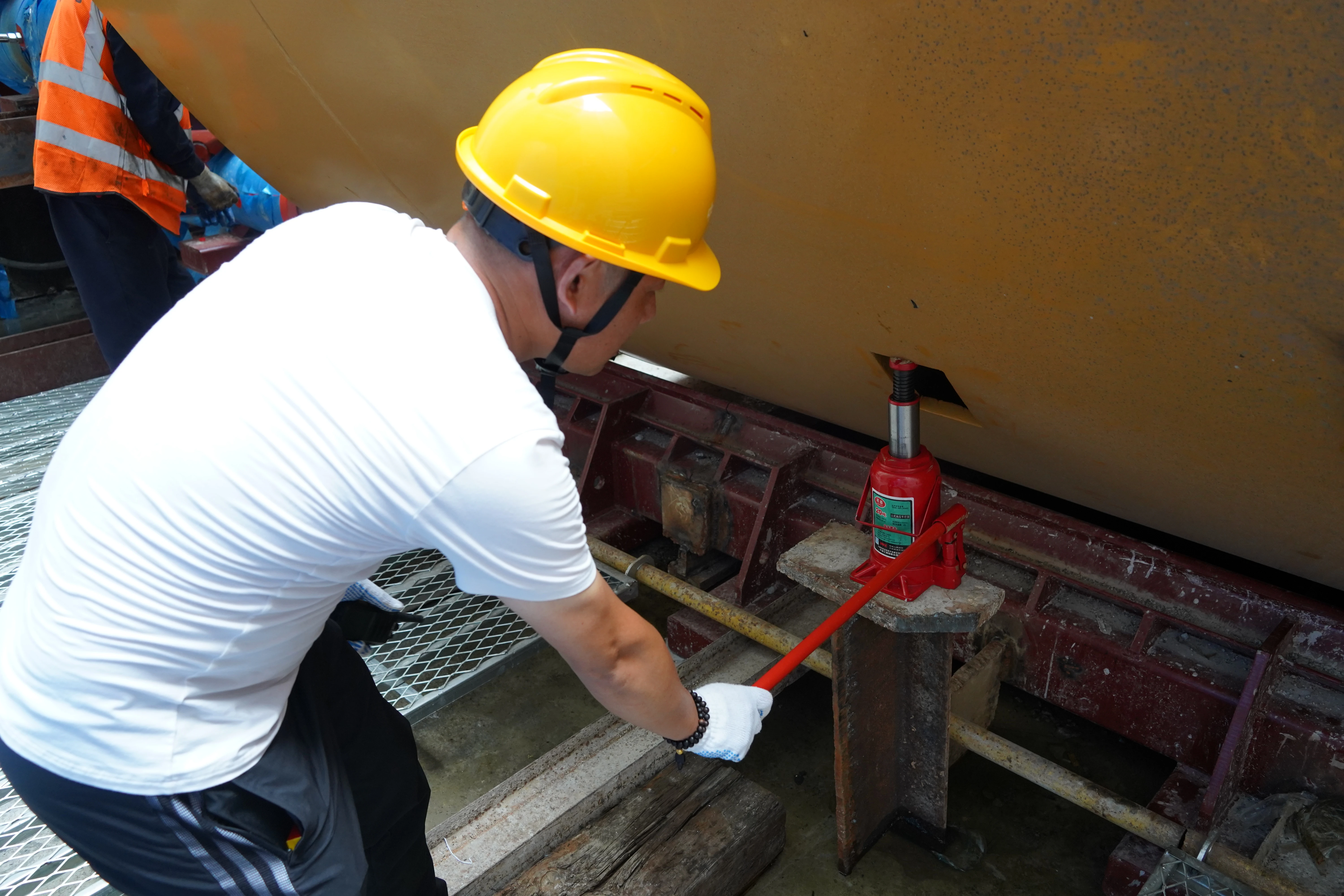
Thrust force and ground pressure balance
It is important to know how thrust force and ground pressure work together in a TBM tunnel boring machine. Thrust force pushes the cutterhead forward so the machine can move through the ground. The pressure at the tunnel face needs to stay balanced. If thrust force is too high, the tunnel face can become unstable. If thrust force is too low, the tunnel face might fall in. The Earth Pressure Balance method uses the soil you dig out to support the tunnel face. Thrust force from the back part of the TBM moves to the earth in the cutterhead chamber. This stops loose material from getting into the tunnel.
-
Thrust force is needed for moving forward and digging well.
-
Thrust force helps stop the machine from getting stuck.
-
Thrust force keeps tunneling safe by pushing the cutterhead ahead.
Preventing face collapse with TBM machine technology
You can stop the tunnel face from falling in by using advanced TBM machine technology. Earth Pressure Balance TBMs use the dug-up soil as support. This keeps the tunnel face steady. Soft Ground TBMs work well in tricky soil. These machines need strong ground control to stop collapse. Safety systems include good tunnel lining, careful digging, and real-time checks. You should check the tunnel after building and use automatic health monitoring.
Note: A three-step method uses TBM data and deep learning to predict torque and thrust right away. This gives you early warnings about tunnel collapse.
Monitoring and adjusting thrust for safe tunneling
You must watch and change thrust force while tunneling. TBM operators check cutterhead torque and jack speed. Cutterhead torque is the force needed to break rock. Jack speed stops the ground from moving too much. Controlling these things helps you avoid slow digging and machine jams. You must keep thrust lower than the vertical stress at the top of the tunnel. This cuts down on damage and ground changes. Support pressure is important. It pushes back against earth pressure and keeps things safe. Pressurized-face TBMs make support pressures that stop the ground and buildings from moving too much.
|
Factor |
Description |
|---|---|
|
Cohesion |
Least pressure needed to stop face problems |
|
Friction Angle |
How steady the tunnel face is |
|
Permeability |
How water moves in the ground |
|
Type of Machine |
Different machines need different support |
|
Advance Rate |
Speed changes how steady the face is |
|
Tunnel Diameter |
Bigger tunnels need different support |
|
Cover Depth |
Deeper tunnels change ground pressure |
|
Ground Water Table |
Where water is affects stability |
You must follow safety rules. TBM machines have safety controls and emergency stop buttons. You need to do regular checks and repairs. You can use steady support to keep the tunnel face safe.
You know balanced thrust is important for stopping face instability in a TBM tunnel. Thrust keeps the tunnel safe and steady. Thrust force holds up the tunnel face and stops it from falling in. Thrust lets you control the tunnel machine and keeps your project moving. Thrust force helps you feel sure at every step. Thrust helps you finish tunneling faster. Thrust force saves you money and time. Thrust makes your tunnel boring machine work well. Thrust force keeps workers and equipment safe. Thrust helps you get the best results.
|
Project Name |
Outcome Description |
|---|---|
|
Huanbei Guangxi No. 8 (Shield Tunneling) |
Hard rock shield TBM started working on September 15th. |
|
Foshan Xuda Power Tunnel Project |
The 1,148-meter Pipe Jacking Section finished successfully. |
|
Huanbei Guangdong Project (Section D4) |
Pipe Jacking started between Shaft No. 8 and Shaft No. 7. |
You can pick CEGC’s small-bore TBM and Microtunnelling Machine for your next tunnel project. Go to https://cegcequip.com to find out more.
FAQ
What is the smallest diameter available in CEGC's Microtunnelling Machine range?
You can pick a Microtunnelling Machine with a diameter as small as 150 mm. This size fits well in tight spots and is good for small utility jobs.
Can a small auger boring machine be operated by a two-person crew?
A small auger boring machine can be run by two people. Thrust control helps your team work safely and quickly.
What is the lead time for a small CEGC underground boring machine?
You will get your tunnel machine fast. Thrust systems are ready to ship, so your project can start soon.
Tip: Always check thrust settings before starting. This stops delays and keeps your tunnel machine running well.
|
Question |
Answer |
|---|---|
|
How does thrust affect tunnel safety? |
Thrust keeps the tunnel face steady. You need to watch thrust to stop collapse and keep workers safe. |


