
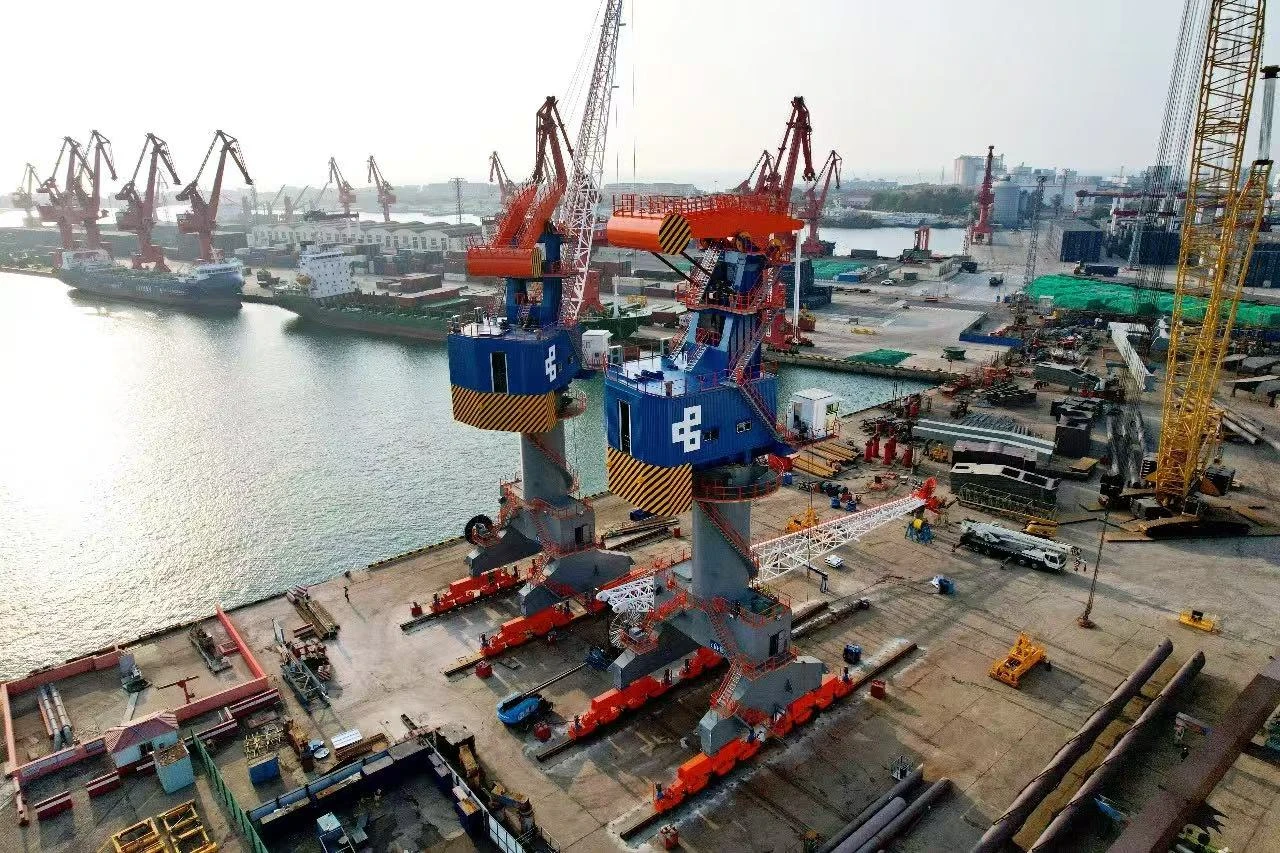
Blind-spot monitoring is now standard for port crane bids. You use a blind spot detection system on CEGC equipment to make things safer and stop crashes. Port cranes and container handling equipment often have safety risks from blind spots, especially in busy yards. You need good solutions that fit market rules and let you change projects as needed.
Key Takeaways
-
Blind-spot monitoring is now needed for port cranes. It helps keep people safe and lowers accidents in busy terminals. - These systems use smart technology like radar and AI. They find hidden dangers and give quick warnings to operators. - Making blind-spot detection systems fit certain port machines can make things safer. It also helps work go faster and meet industry rules.
Blind-spot monitoring is now standard for port crane bids
Now, most port crane bids include blind-spot monitoring. This change happened because of new safety rules and more accidents. People also want better driver assistance systems. The European Union made a rule called Regulation 2019/2144. It says all new vehicles, even cranes, must have advanced safety technology. Because of these changes, you now expect blind-spot monitoring when you buy new port machines.
Blind-spot monitoring is important because accidents happen in places the operator cannot see. Blind spots around portal cranes, container cranes, and ship cranes are dangerous for workers and machines. There is a high risk of crashes, especially in busy terminals and when lifting things high. If warnings come late or people make mistakes, the risks get worse. You need a system that helps you see danger early and act fast.
What is a blind spot detection system?
A blind spot detection system uses smart sensors and cameras to help you see hidden things. It uses machine vision and artificial intelligence to make ports safer for everyone. You get alerts if people or objects enter danger zones, even if you cannot see them. The system has AI video recorders, BSD cameras, monitors, alarms, and other parts. It can watch in eight directions and gives voice warnings when you turn or move loads.
|
Feature |
Description |
|---|---|
|
Technology |
Uses machine vision and artificial intelligence to make roads safer. |
|
Functionality |
Finds people on the road and warns drivers. |
|
System Composition |
Has AI video recorder, BSD cameras, monitor, alarms, and other parts. |
|
Monitoring Capability |
Watches and warns in eight directions. |
|
Accuracy |
Finds people with 96% accuracy. |
|
Alerts |
Gives voice warnings, especially when turning. |
You use this system as part of your driver help tools to stop accidents and keep your team safe.
How blind-spot monitoring works on port cranes
Blind-spot monitoring is now standard for port crane bids because it fixes real problems. You deal with swinging loads, hard-to-see spots, and different operator skills. These problems can cause accidents, slow work, and damage. Blind-spot monitoring helps by using radar, LiDAR, and cameras to watch for people and objects in danger zones.
|
Sensor Type |
Functionality |
|---|---|
|
Radar |
Finds moving and still objects, warns the operator with sounds and lights. |
|
Technology |
Advantages |
|---|---|
|
LiDAR |
Measures distance very well, works in different lights, and shows a 3D view. |
|
LiDAR |
Gives real-time info about obstacles, tells size, shape, and place of objects. |
You get alerts right away if something is in a blind spot. The system works with anti-sway controls and safety locks. You see clear warnings and updates on your screen. This setup helps you act fast and avoid mistakes.
You find blind-spot monitoring on many port machines. Portal cranes, container cranes, ship cranes, cargo cranes, and container handlers use these systems. Reach stackers and forklifts also use them, especially near quay edges or in tight spaces. On barges, blind-spot monitoring helps you see risks when loading and unloading. You use these systems to keep workers safe, stop accidents, and keep work going smoothly.
Technologies and integration in CEGC equipment
CEGC gives you advanced driver help systems that meet market rules. You get blind-spot monitoring on all new bids. The system uses radar, LiDAR, and AI cameras together. These tools give you a full view around your crane or handler.
You can see blind-spot monitoring is now standard for port crane bids in how CEGC builds its machines. You get anti-sway control to keep loads steady. Multi-layer safety locks protect you from overloads and unsafe moves. The operator HMI gives you clear warnings and easy controls. You can change sensor sets, safety zones, and alarm types for your site.
You use these systems in container terminals, offshore platforms, and loading docks. They help you follow safety rules, lower risks, and work better. You can trust your CEGC portal crane, container gantry crane, or reach stacker forklift to keep your team safe and your cargo moving.
Tip: If you pick equipment with blind-spot monitoring, you make your port safer and ready for the future.
Blind-spot monitoring is now standard for port crane bids because you need smart, easy, and reliable safety tools. You protect your people, your cargo, and your business every day.
Benefits and customization of blind spot detection system
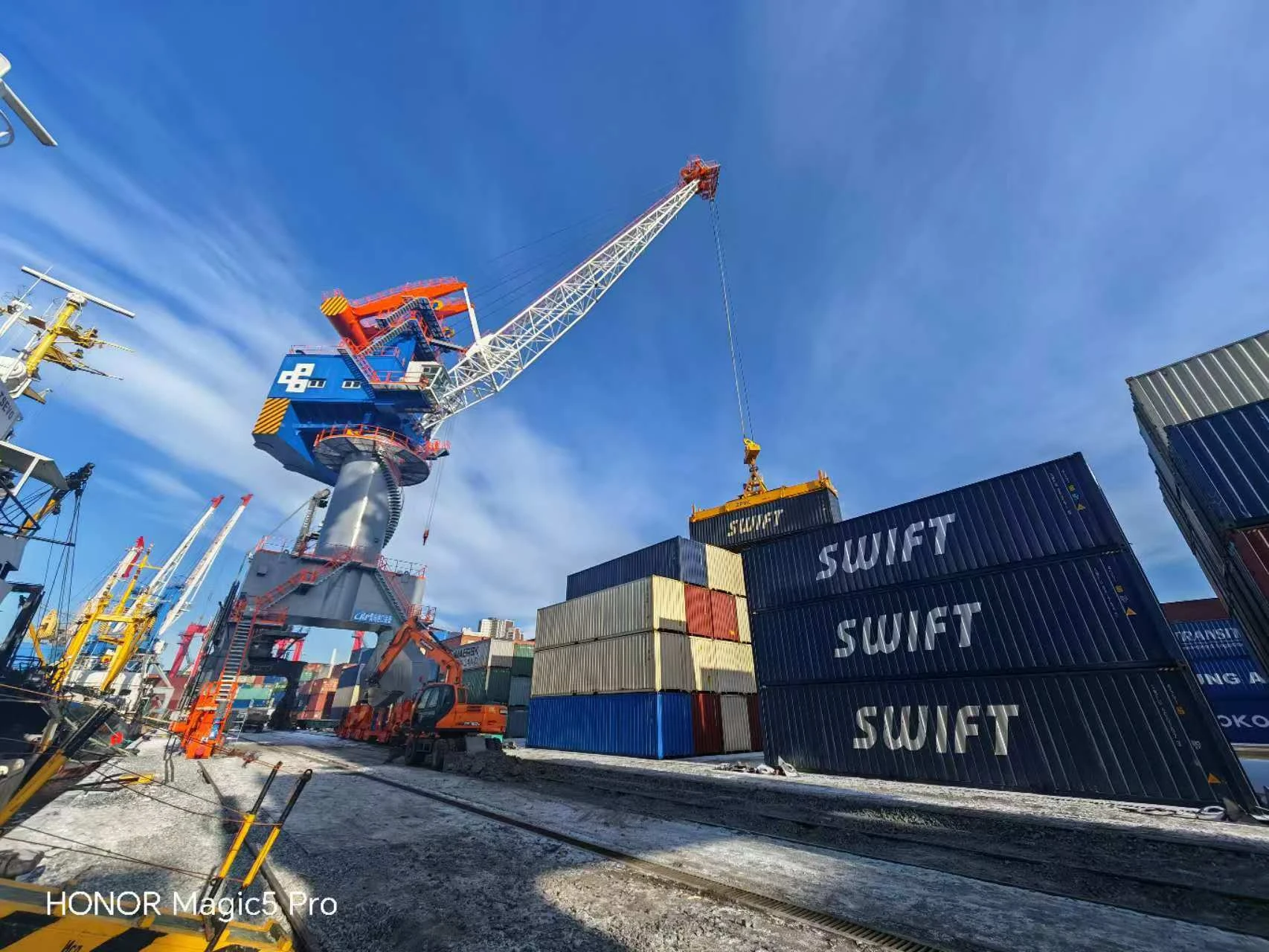
Safety and operational advantages
Blind spot detection systems make port cranes safer. They help you spot hidden dangers early. This stops accidents before they happen. Driver assistance systems warn you about danger zones. This keeps workers and equipment safe. You spend less money fixing things. Ports see fewer crashes and smoother work after using these systems.
|
Improvement Type |
Measurement |
|---|---|
|
Reduction in collision-related incidents |
|
|
Fewer collisions and less downtime |
Seen in fully automated terminals |
|
Decrease in repair costs and downtime |
Big drop after retrofitting RTG cranes |
You fix less broken equipment. Cranes keep working and cargo keeps moving. Blind spot detection helps you run job sites better. It keeps your team safe. It also helps road safety by stopping accidents in busy ports.
Compliance, risk reduction, and efficiency
Blind spot detection systems help you follow safety rules. You meet industry standards and avoid fines. Collision prevention technology warns you about people and objects in danger zones. You save money on insurance. Insurers give discounts for advanced driver assistance systems.
-
Systems alert you to vehicles in blind spots and prevent accidents.
-
Safety features like AI cameras lower insurance costs.
-
Coach USA had 92% fewer preventable accidents after using AI cameras.
You move more containers because you avoid delays from accidents. You cut downtime and keep your port running well. You manage risks and follow rules. This builds trust with your partners.
-
Blind spot detection systems make operations safer and more efficient.
-
Better safety means improved risk management and compliance.
-
Less downtime comes from good job site management with blind spot detection.
Customization options for port machinery
You can change blind spot detection systems for your port machines. CEGC gives you standard specs and custom options. You pick sensor sets, anti-collision zones, and extra safety features for your site. You choose what certifications your equipment needs.
|
Integration Option |
Description |
Benefits |
|---|---|---|
|
Intelligent Video Monitoring |
Cameras spot risks and classify objects. |
Fewer near misses and faster operator response. |
|
Sensor Networks |
Sensors and analytics help with maintenance. |
Less surprise damage and better safety. |
|
Predictive Analytics |
Tracks data and links it to maintenance schedules. |
Better crane servicing and less downtime. |
You connect blind spot detection to predictive maintenance systems. Video tools spot risks and send alerts. Camera input and crane telemetry make maintenance more accurate. Tracking systems help you service cranes and cut downtime.
You add energy-saving and marine protection to your equipment. Cranes stay safe from salt fog, humidity, and dust. Modular access and standard parts make repairs faster. Your portal crane, container gantry crane, and reach stacker forklift stay ready for tough jobs.
Tip: Customizing blind spot detection systems makes your port safer and more efficient.
You should have blind-spot monitoring on all port cranes for safety. These systems help you find hidden dangers, even at night or in small spaces. New features, like smart people detection and quick alerts, make your work safer. Pick CEGC for better solutions and updates that keep getting better.
FAQ
How does blind-spot monitoring improve port crane safety?
The system gives you alerts right away. It tells you if someone or something is in a danger zone. This helps you stop accidents and keeps your team safe while using the crane.
Can you customize blind-spot detection systems for different cranes?
|
Crane Type |
Custom Options Available |
|---|---|
|
Portal Crane |
Yes |
|
Yes |
|
|
Yes |
What maintenance does the system require?
-
You check sensors and cameras often.
-
You clean the lenses and update the software.
-
You ask CEGC for help if you need support.


