
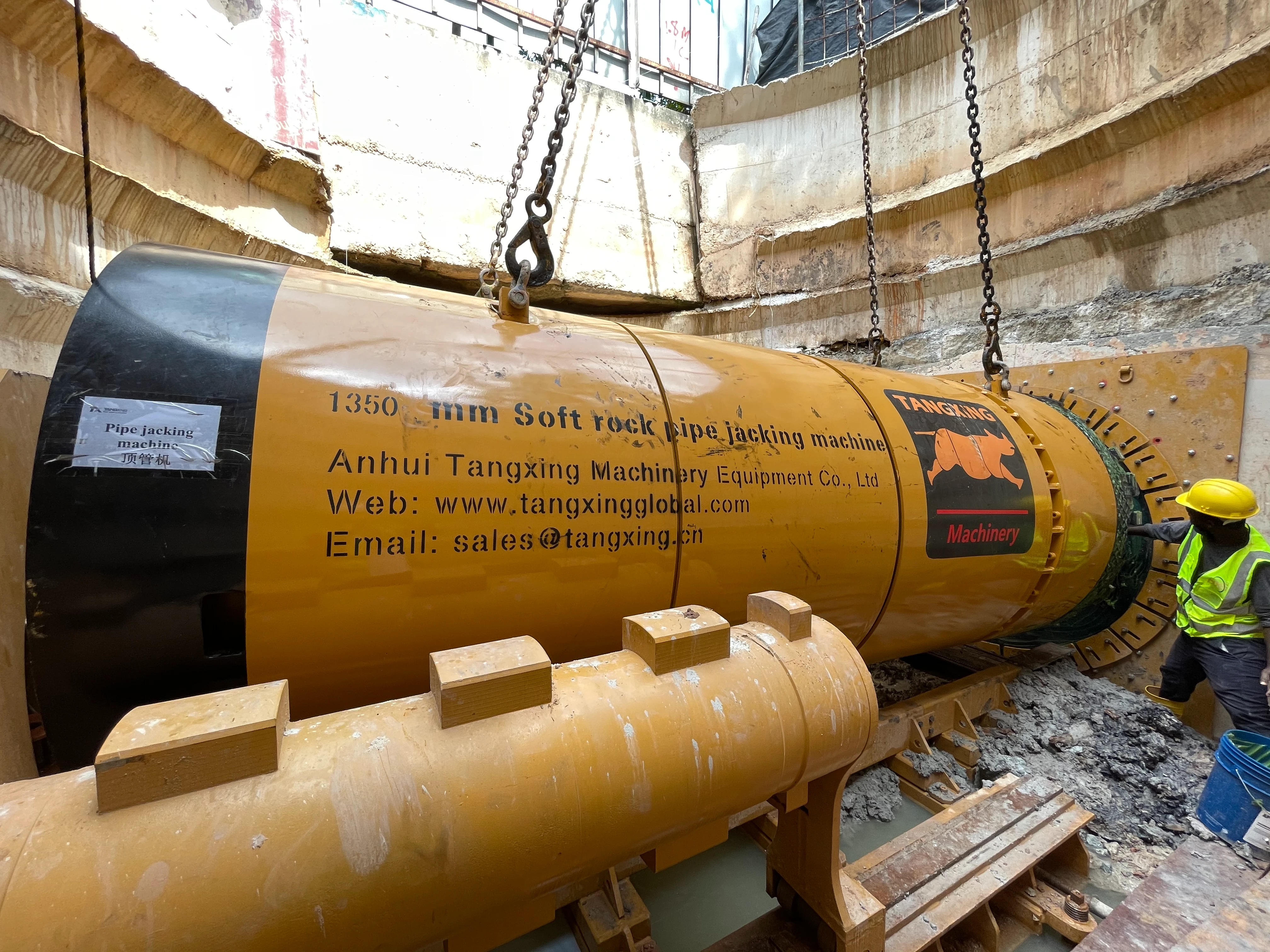
You face real challenges when boulders appear fast in a TBM tunnel. Quick action keeps your project safe and on track. Every TBM subsystem must work together. When you know your tunnel machine inside and out, you respond faster. CEGC gives you the knowledge and tools for these tough moments.
Key Takeaways
-
Watch for warning signs like strange shaking or loud sounds when the TBM is working. Finding problems early stops damage.
-
Use tools that check things in real time, like strain gauges and vibration sensors. These tools help you find boulders sooner. You can act faster and keep the tunnel safe.
-
Do careful checks of the ground before tunneling. Pre-boring and collecting data help you see problems ahead. This lets you plan better.
Detection When Boulders Appear Fast in a TBM Tunnel
Warning Signs During TBM Operation
You must stay alert when boulders appear fast in a TBM tunnel. The cutterhead may slow down or vibrate more than usual. You might hear loud noises as the machine hits hard rock or mixed ground. The shield can show higher strain, and the thrust system may need more force. These signs tell you that boulders or mixed ground conditions are close. If you notice these changes, you should check the TBM subsystems right away. Quick action helps you avoid damage and keeps your tunnelling safe.
Real-Time Monitoring and Sensing
You can use real-time monitoring to spot problems before they stop your tunnel machine. Strain gauges on the shield measure stress and help you see when boulders appear fast in a TBM tunnel. This system gives you early warnings by showing changes in shield strain. You can then adjust the cutterhead or shield to handle mixed ground. Real-time data lets you act fast and keep the TBM moving. Vibration sensors and acoustic monitors also help you find boulders or hard rock in tunnels.
Pre-Boring and Geological Investigation
You should always check the ground before you dig. Pre-boring and geological investigation help you know when boulders appear fast in a TBM tunnel. Transient electromagnetic methods can find boulders and mixed ground ahead of the cutterhead. These methods need strong power and good tools to work well. Sometimes, you must drill extra holes to get a clear picture of the rock and mixed ground conditions. When you combine all this data, you get early warnings and can plan your response. This keeps your TBM safe and your tunnelling on track.
TBM Boulder Management Strategies
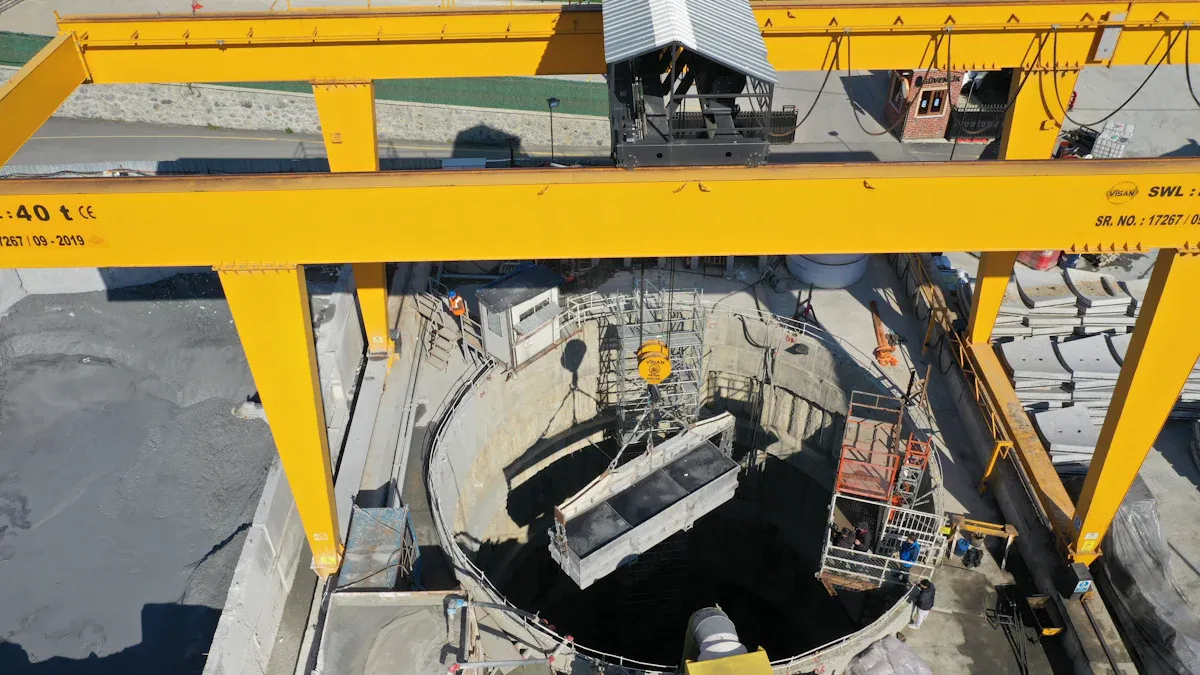
Immediate Actions and Team Coordination
If you find boulders or mixed ground in a TBM tunnel, act fast. First, stop the tunnel machine and tell your team right away. Use probe drilling to check where the boulders are and how big they are. Talk with everyone in the tunnel and on the surface. Give each person a clear job so they know what to do next.
Here are steps to follow when boulders appear fast:
-
Stop the TBM and look at real-time data from probe drilling and sensors.
-
Check the cutterhead for damage or stuck cutting tools.
-
Use probe drilling to see where the boulders and mixed ground are ahead.
-
Share what you find with your team and change your tunnelling plan if needed.
-
Get ready for mechanical changes or preconditioning if you have to.
Tip: Good teamwork and talking with your team help keep everyone safe and lower risk.
Safety and Risk Mitigation
Safety is most important when you find boulders or mixed ground. Always look at the shield and backup systems for stress. Use probe drilling to make sure the ground is safe before starting the TBM again. Make sure all workers wear safety gear and know what to do in an emergency.
You can lower risk by:
-
Doing probe drilling often to find boulders early.
-
Checking the cutterhead and cutting tools after each time you hit a boulder.
-
Using pre-excavation grouting to make loose rock or mixed ground stronger.
-
Training your team to handle sudden changes in the ground.
Note: Good probe drilling and finding problems early help stop accidents and protect equipment.
Mechanical Adjustments and Equipment
You need to change your equipment if boulders or mixed ground slow you down. Look at the cutterhead for worn or broken cutting tools. Change any damaged parts before you keep going. Change the cutterhead speed and thrust to match the hard rock or mixed ground.
CEGC makes cutterheads and shields for places with lots of boulders. You can use special cutting tools and probe drilling systems for tough boulders. The probe drilling system helps you find boulders ahead and plan your cutting. In boulder fields, you might need to change the cutterhead layout or use stronger cutting tools.
A checklist for equipment changes:
-
Check the cutterhead after every time you hit a boulder.
-
Change worn cutting tools right away.
-
Use probe drilling to help plan your cutting.
-
Change shield pressure to keep the TBM and workers safe.
-
Keep extra cutting tools and probe drilling equipment ready.
Preconditioning and Fragmentation Methods
Sometimes, you need to break up boulders before the TBM can move. Use probe drilling to find big boulders or mixed ground. Muography helps you find boulders before you start tunnelling, which saves time and money. When you find a boulder, use special blasting to make the rock easier to cut. This helps protect the cutterhead and cutting tools.
Steps for preconditioning:
-
Use probe drilling and muography to find boulders and mixed ground.
-
Drill holes in the boulder with the probe system.
-
Use controlled blasting to break the boulder into smaller pieces.
-
Start cutting again with the TBM, and check the cutterhead and cutting tools often.
Alert: Always follow safety rules when you use blasting or other ways to break up boulders.
Lessons Learned from Past Projects
You can learn a lot from old tunnelling projects. Many teams found that wet, sticky clay with boulders caused more trouble than they thought. Good probe drilling and geotechnical data help you avoid surprises. Making the TBM fit each tunnel helps you deal with boulders and mixed ground better. In some projects, surprise boulders slowed work and hurt the cutterhead. Teams had to check the cutterhead and cutting tools more often to stop wear and damage. Sometimes, big boulders needed blasting and careful TBM moves.
-
Always get good probe drilling and geological data before you start tunnelling.
-
Place shafts and plan routes based on the ground, not just equal spaces.
-
Check the cutterhead and cutting tools often, especially in boulder fields.
-
Be ready for mixed ground and have a risk plan ready.
Remember: Changing your TBM and team for new ground keeps your tunnelling project safe and working well.
Readiness and Prevention in TBM Tunneling
Crew Training and Preparedness
A well-trained crew is needed for mixed ground and boulders. Teach your team to see warning signs and use detection tools. Practice emergency drills many times. Make sure everyone knows what to do if the ground changes fast. Look at old tunneling projects, like Socatop in Paris and Port of Miami tunnel. These projects used different tbm types and flexible plans for changing ground. This helps your team get ready for any problem.
Equipment Checks and Upgrades
You must check equipment before working where boulders might be. Use this checklist to lower risk:
-
Check ground stabilization equipment for weak mixed ground.
-
Get quick-setting grouting systems, rock bolts, and steel supports ready.
-
Do risk checks before and after work to find problems early.
-
Use microtremor detection to find boulders by feeling vibrations.
-
Mix detection with blasting to make tunneling faster.
-
Find and fix boulders before the tbm starts to stop trouble.
Tip: Good equipment checks help keep tunnels safe and projects on track.
Lessons for Future Projects
New technology can help you find and handle boulders in mixed ground. The table below shows some advanced ways to find problems in tunnels:
|
Detection Technology |
Advantages |
Application Depth |
|---|---|---|
|
Transient Electromagnetic Method (TEM) |
Finds water and mud bursts in mixed ground conditions |
500 m (semi-airborne), 2000 m (ground) |
|
Advanced Prediction Method |
Spots close mixed ground bodies |
100 m in drilling and tbm tunneling |
Image recognition and deep learning now help you spot rock pieces and mixed ground very well. These tools make tunneling safer and help you work better.
You can handle boulders in TBM tunnels by moving quickly. Work together as a team and use smart tools. Stay ready by checking things every day, week, and month:
-
Add grease and look at hoses for problems
-
Look at tools and make sure fasteners are tight
-
Check for cracks and see if parts line up right
-
Listen for strange sounds or shaking
Get help and stay prepared with CEGC’s support and resources.
FAQ
How often should you check the cutterhead and cutting tools during TBM tunneling?
Check the cutterhead and cutting tools after each boulder. Use probe drilling to look for damage. This keeps your cutting tools sharp. It also helps keep your tunnel machine safe.
Why is pre-grouting important when you face poor ground conditions?
Pre-grouting helps make weak ground stronger. You do pre-grouting before you start cutting. This makes probe drilling safer. It also helps protect the cutterhead from getting damaged.
What role does probe drilling play in boulder detection and management?
Probe drilling helps you find boulders early. It guides you when you do pre-grouting and pre-excavation grouting. This keeps the cutterhead safe and helps it cut better.


