
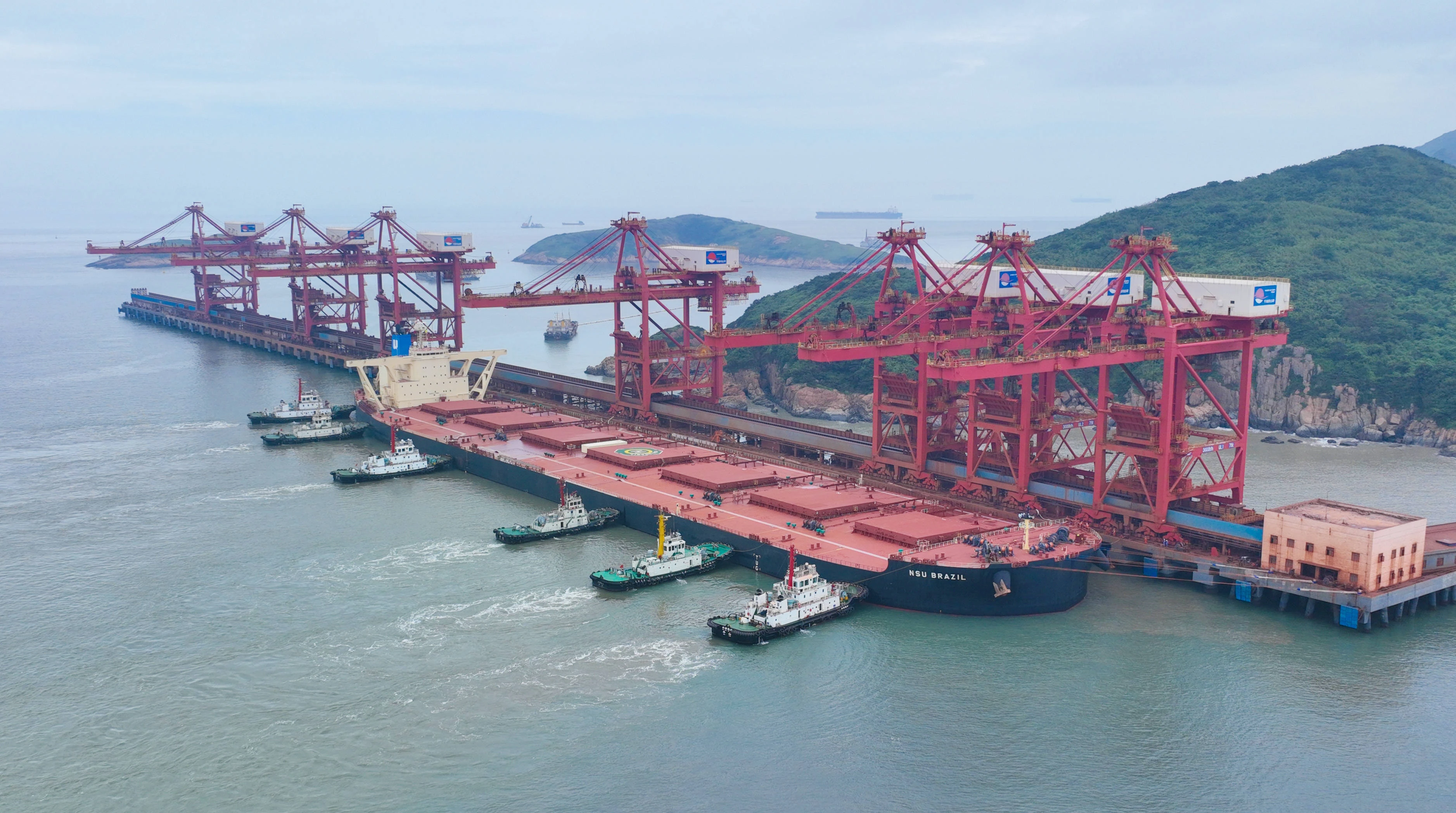
Experience how CEGC enhances your port operations. With cargo crane remote monitoring, you gain improved dispatch decisions through real-time data and intelligent forecasting. This technology helps you address common port challenges such as:
-
Implementing maintenance plans to prevent breakdowns before they occur.
-
Minimizing downtime by efficiently managing cranes.
-
Accelerating and streamlining port workflows using advanced digital tools.
CEGC’s cargo crane remote monitoring gives you greater control and safety for every port task.
Key Takeaways
-
Real-time data helps make better dispatch choices. It lets people decide fast and know more about crane work.
-
Predictive maintenance finds problems early. This stops cranes from breaking down and keeps them safe to use.
-
Automation and seeing how things work makes port jobs easier. It helps everyone work faster and safer at the port.
Real-time data for dispatch
When you use cargo crane remote monitoring, you get a big advantage. CEGC’s system gives you real-time updates about each crane’s status and location. You can see which cranes are available right now. This helps you make quick and smart choices. You always know where every crane is and what it is doing. Real-time dashboards show crane cycles and cargo progress. You can check if equipment is ready to use.
Automation technology gathers and studies data from cranes and terminals. You use this data to guess how long jobs will take. This helps you plan better and send cranes where they are needed. You can match vehicle arrivals with crane cycles to save time. This makes everything work faster and smoother. The order of moving containers affects how cranes and trucks work together. You can get cranes ready for the next job ahead of time.
Using real-time data helps you stop mistakes and delays. You do not need as many calls or emails to check on things. You can approve deliveries much faster with automated workflows. Real-time tracking helps you keep cargo balanced almost perfectly. You cut down on vessel waiting time by making things more visible. Automation keeps port operations running almost all the time, even when it is busy.
Automation in terminals lets you see how cranes are used on special platforms. You can spot problems early and keep things safe. Smart port solutions use automated tools to move cargo and use resources better. You save money and see how things are working at all times.
Operational visibility and control
Operational visibility means you can control what happens at the port. You use real-time data to make dispatch work better. You can quickly spot problems and fix them right away. IoT sensors help you make changes as soon as you need to. Automation helps you use cranes and other resources in the best way.
|
Benefit |
Description |
|---|---|
|
Predictive Maintenance |
Lets you fix things before they break, so cranes work better. |
|
Resource Allocation |
Helps you use cranes and other tools wisely with real-time data. |
|
Real-time Visibility |
Shows you what is happening right now, so you can fix problems fast. |
You can see how operational visibility stops mistakes and slowdowns. Yard management and vessel planning work together to avoid double work. Real-time data helps trucks move faster and clear borders sooner. You can plan for what you need with less guessing. A single platform connects ship schedules, berth plans, and crane control. This cuts ship waiting time by a lot. The platform updates plans every five minutes to keep things moving smoothly.
You use load monitoring and anti-sway control to keep things safe. These features help stop accidents when moving cargo. Operators feel safer and work faster because the load is steady. Anti-sway systems use sensors to spot movement and keep loads from swinging. Cranes can move faster without being unsafe.
Automation helps you solve problems with different tools working together. You do not have to switch between tools or lose track of things. You skip extra steps and keep good records of what happens. Real-time tracking helps you keep everything running well in the terminal.
Cargo crane remote monitoring helps you make better dispatch choices. You get real-time data, more control, and better safety. You work faster, use resources better, and handle cargo more safely. You use data and automation for every job at the port.
Predictive maintenance and safety optimization
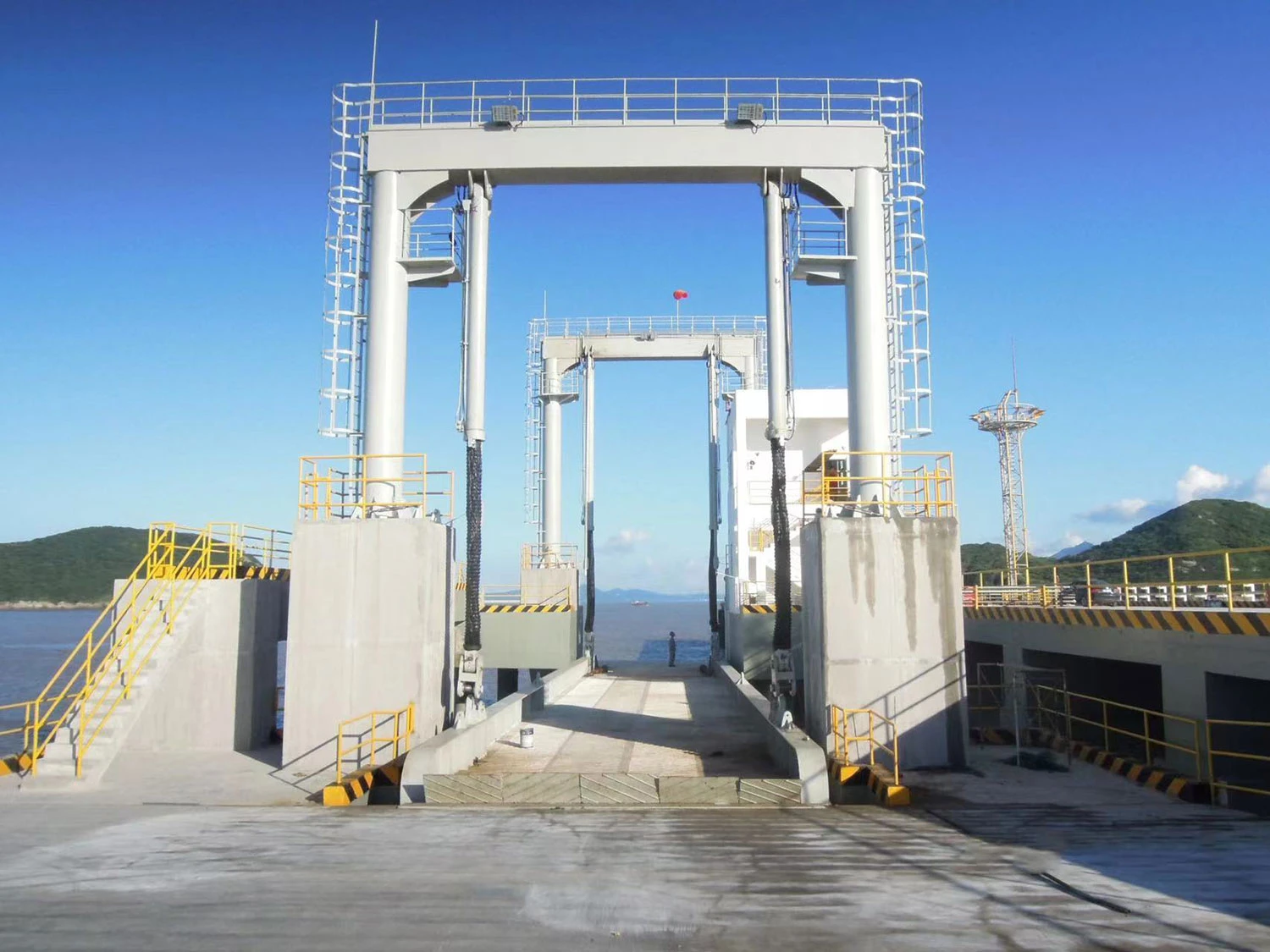
Reducing downtime with condition monitoring
You want your port to work well every day. Predictive maintenance helps you reach this goal. Remote monitoring lets you see how your cranes are doing right now. You do not have to wait for something to break. You can plan repairs and keep cranes ready to use.
Sensors and automation check for problems like shaking, heat, or worn parts. Real-time tracking helps you find issues early. You can fix things before they get worse. This means less downtime and smoother port work.
Here are some ways predictive maintenance helps you:
-
You plan repairs at the best time.
-
You skip extra checks and part changes.
-
You make cranes and equipment last longer.
-
You keep people safe and save money.
-
You find problems before they stop work.
Condition monitoring checks many crane parts. You look at hooks, wires, pulleys, and cable lines. You also check control cabinets, brake cables, lights, and safety devices. Real-time data shows you if something needs fixing right away.
A table shows how predictive maintenance cuts downtime:
|
Maintenance Type |
Reduction in Unplanned Downtime |
|---|---|
|
Predictive Maintenance |
|
|
Reactive Maintenance |
N/A |
Predictive maintenance can cut downtime almost in half. You also spend less on repairs and keep port machines working longer. For example, one port group saved a lot of money by using remote monitoring. They had fewer accidents and kept their terminals running fast.
Enhancing safety and compliance
Safety is important at every port. You want your team to stay safe. CEGC gives you smart port solutions to help with safety. Automation and real-time tracking keep everyone safer. You use anti-sway systems, safety interlocks, and operator-centered HMI to lower risks.
Here are some safety features that help you:
-
Anti-sway control keeps loads steady, even in wind.
-
Safety interlocks stop cranes if there is a problem.
-
Operator-centered HMI gives clear alarms and easy controls.
-
Automation checks for overloads and unsafe spots.
-
Real-time tracking shows where each crane is and what it does.
You also follow inspection schedules. You check for damage and other problems. Automation helps you make sure every part works right. This helps you follow safety rules and avoid fines.
Marine durability is important for ports near the sea. CEGC uses special coatings and stainless steel to protect cranes from salt and water. You can reach inspection points easily for maintenance. This makes cranes last longer and keeps your port strong.
Here is a real-life example. At a busy terminal, you use real-time data to find a problem with a crane’s wire rope. You fix it fast before the next ship comes. This keeps your work on track and stops accidents.
You get many benefits from predictive maintenance and safety optimization:
-
You have less downtime and save money.
-
You see and control your port automation better.
-
You keep your team safe and follow all rules.
-
You make your terminals work better and faster.
With CEGC, you use smart port solutions and automation for the best results. You see everything as it happens, plan ahead, and keep cargo moving safely.
You can use real-time data to make your port better. Predictive maintenance helps you stop problems before they happen. Remote monitoring lets you fix things fast and keep people safe. At the Port of Rotterdam, work in the yard goes faster and costs less. Video surveillance and alerts help stop accidents from happening. Centralized support lets you watch many cranes at once and act quickly. Automatic work orders and remote debugging help your port run well. You pick CEGC for machines you can trust and smarter ways to work.
-
Real-time monitoring makes ports work better.
-
Predictive maintenance means less downtime for your port.
-
Better safety keeps teams safe at the port.
-
You can change solutions to fit your port’s needs.
FAQ
How does CEGC’s remote monitoring help you reduce downtime?
Real-time data helps you find problems early. You can plan repairs before something breaks. This keeps your cranes ready to use. You save both time and money.
What safety features do CEGC cargo cranes offer?
|
Feature |
Benefit |
|---|---|
|
Anti-sway control |
Helps keep loads from moving |
|
Safety interlocks |
Stops cranes if it is unsafe |
|
Operator HMI |
Gives clear alarms to workers |
Can you customize CEGC’s crane monitoring for your port?
You can pick which sensors you want. You choose how much automation you need. You also pick what reports you get. This lets you set up crane monitoring for your port. CEGC helps you with custom projects.


