
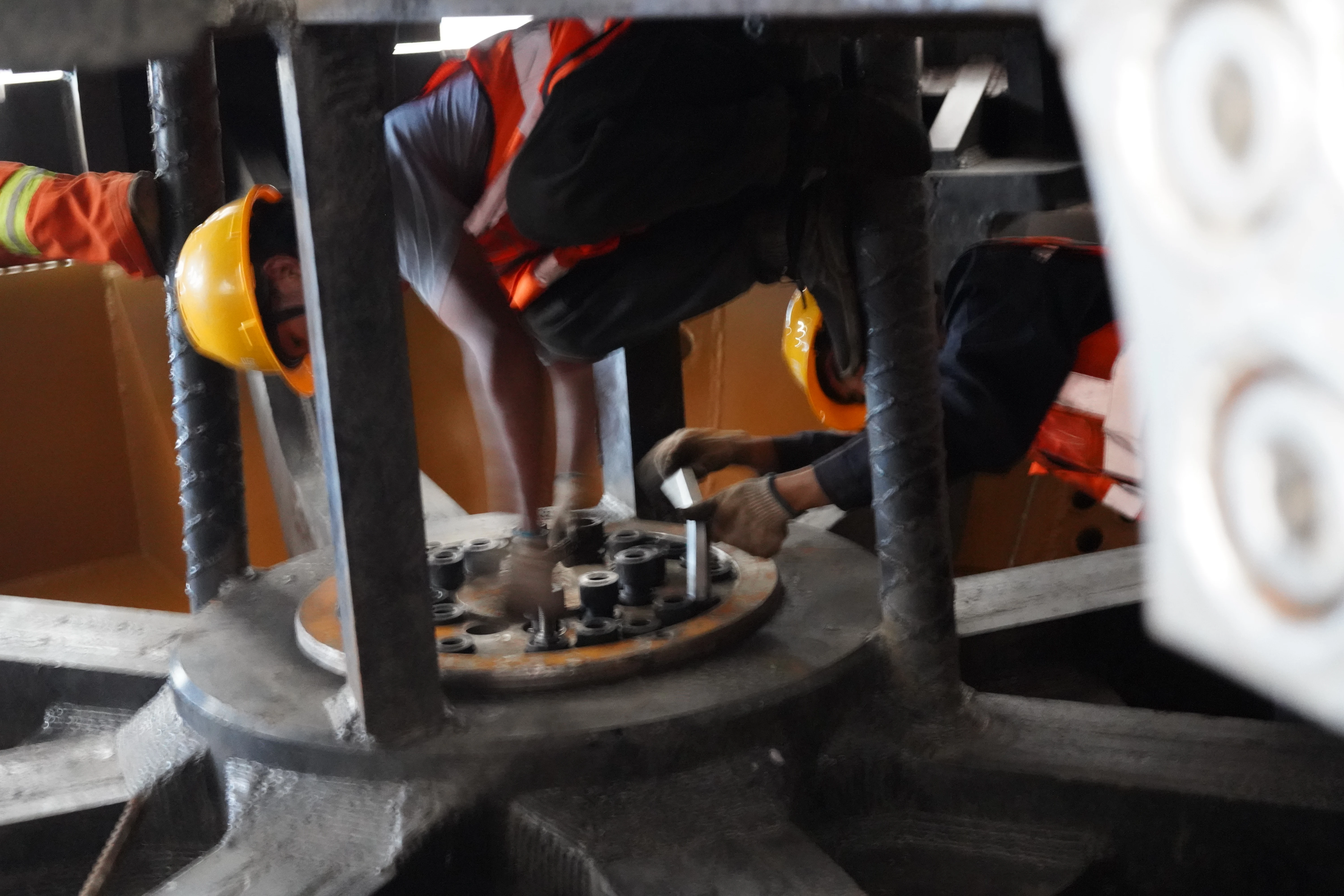
You face a real risk when clay starts to collect inside your tunnel machine. Clay build-up can jam a tbm tunnel in one shift. This problem happens fast with both auger boring and microtunneling. CEGC often helps teams spot this threat before it stops your project.
Key Takeaways
-
Clay build-up can jam a TBM tunnel fast. This can cause big delays and expensive repairs. Check your machine often to stop this problem.
-
Look for warning signs like higher cutterhead torque. Also watch for lower penetration rate. If you spot these early, you can act fast to stop a jam.
-
Use preventive steps like pre-tunneling checks. Try on-site ways to make clay less sticky. Good planning and training help your project stay on track.
Clay Build-Up in TBM Tunnels
What Causes Clay Build-Up
Clay build-up happens a lot when you use a tunnel boring machine. Clay sticks to metal parts as you dig. This is because clay is very sticky and holds together well. When you add water, clay gets even stickier. Clay particles stick to the cutterhead and other metal parts. This sticky problem gets worse if there is lots of clay or certain minerals in the soil.
The study shows how clay sticks to metal and how clay holds together. It explains that more water makes clay stick more, which can cause clogging. This is a bigger problem with more clay and certain minerals.
Water breaks down the bonds in clay soils. This makes clay soft and sticky. When you dig, clay can pile up on the cutterhead and inside the tunnel. This slows your digging and can cause a jam.
The assessment says water weakens clay bonds. This makes clay sticky and can cause clogging in TBM tunnels.
Why Clay Is a Problem for TBMs
Clay causes many issues when you dig tunnels. You get delays because clay sticks to the cutterhead and other parts. This stickiness makes it hard to clear dirt from the tunnel. Sometimes digging slows down or stops.
-
Clay’s stickiness causes big delays by clogging TBMs.
-
Clogging happens when clay sticks to metal parts, stopping work and causing money problems.
-
Clay sticking to metal parts makes digging harder.
-
This stickiness affects both the cutting tools and the system that moves dirt.
Clay build-up can also break your tunnel machine. The cutterhead can clog or the conveyor can block. These problems stop digging and you must fix the machine before you can keep going.
|
Cause of Failure |
|
|---|---|
|
Clogging of cutterhead |
Clay sticking to metal |
|
Conveyor system blockage |
Clay piling up |
Clay build-up happens a lot in tunnel projects. Sticky clay affects both the tools and how you move dirt. You need to watch for these problems to keep your tunnel project safe.
Clay Build-Up Can Jam a TBM Tunnel in One Shift
How Rapid Accumulation Happens
You may not notice at first, but clay build-up can jam a tbm tunnel in one shift. The process starts when sticky clay coats the cutterhead during excavation. As your tunnel machine moves forward, more clay sticks to the metal parts. The cutterhead spins and pushes through the soil, but the clay keeps piling up. Water in the ground makes the clay even stickier. This causes the clay to cling to the cutterhead, the auger, and the spoil removal system.
When you dig, the clay does not fall away like sand or gravel. Instead, it forms thick layers on the cutterhead and inside the tunnel. The spoil removal system struggles to move the heavy, sticky clay out of the tunnel. As clay accumulates, it blocks the path for new spoil. This slows down excavation and increases the risk of a jam. You can see how quickly clay build-up can jam a tbm tunnel in one shift if you do not act fast.
As clay piles up, spoil removal efficiency drops. Clogging can happen at any stage, from the cutterhead to the conveyor. When spoil removal slows, the tunnel machine cannot keep up with the excavation. This leads to more clay build-up and a higher chance of a jam.
Tip: Always check the spoil removal system for signs of clogging during excavation. Early action can prevent a full jam.
Warning Signs of Imminent Jam
You need to watch for early warning signs that clay build-up can jam a tbm tunnel in one shift. These signs show up in the machine’s performance. If you spot them early, you can stop and clear the clay before the tunnel jams.
Here are the main indicators to monitor:
|
Indicator |
Description |
|---|---|
|
Cutterhead Torque |
The machine needs more power to turn the cutterhead. This means clay is building up. |
|
Thrust Force |
The force needed to push the tunnel machine increases. This signals resistance from clay. |
|
Penetration Rate |
The speed of excavation drops. This shows the cutterhead is not cutting through the soil well. |
You should also listen for unusual sounds from the cutterhead or conveyor. Watch for changes in spoil color or texture. If the spoil looks wetter or stickier, clay is building up. If you see these signs, stop and check the tunnel machine right away.
Modern monitoring systems help you spot these problems early. These systems use advanced models to track jamming risk. They can recognize jamming states with high accuracy. Real-time monitoring lets you see problems as they happen. The system can even trigger alarms if the risk gets too high. This helps you act before clay build-up can jam a tbm tunnel in one shift.
-
The Bayesian statistical framework improves jamming risk assessment.
-
The jamming perception index recognizes jamming states 95% of the time.
-
The probability model gives accurate estimates in 94% of jamming sections.
-
Real-time monitoring lets you check jamming risk quickly.
-
The early warning system triggers alarms when the risk is high.
Sequence of a TBM Jam
You need to know the steps that lead to a jam. Clay build-up can jam a tbm tunnel in one shift if you do not respond to the warning signs. Here is what happens:
-
Clay starts to stick to the cutterhead during excavation.
-
The sticky clay builds up on the cutterhead and inside the tunnel.
-
The spoil removal system slows down as it tries to move the heavy clay.
-
The cutterhead needs more torque to turn. The tunnel machine uses more thrust force.
-
The penetration rate drops. The tunnel machine moves slower through the soil.
-
The spoil conveyor or auger may clog completely.
-
The tunnel machine stops. You must halt excavation to clear the jam.
If you do not clear the clay, the tunnel machine can suffer damage. You may need to stop work for hours or even days. This can cost a lot of money and delay your project. You can avoid this if you monitor the tunnel machine closely and act fast when you see the warning signs.
Note: Early detection and quick action are the best ways to prevent a jam. Train your team to spot the signs and respond right away.
Prevention and Response Strategies
Pre-Tunneling Investigations
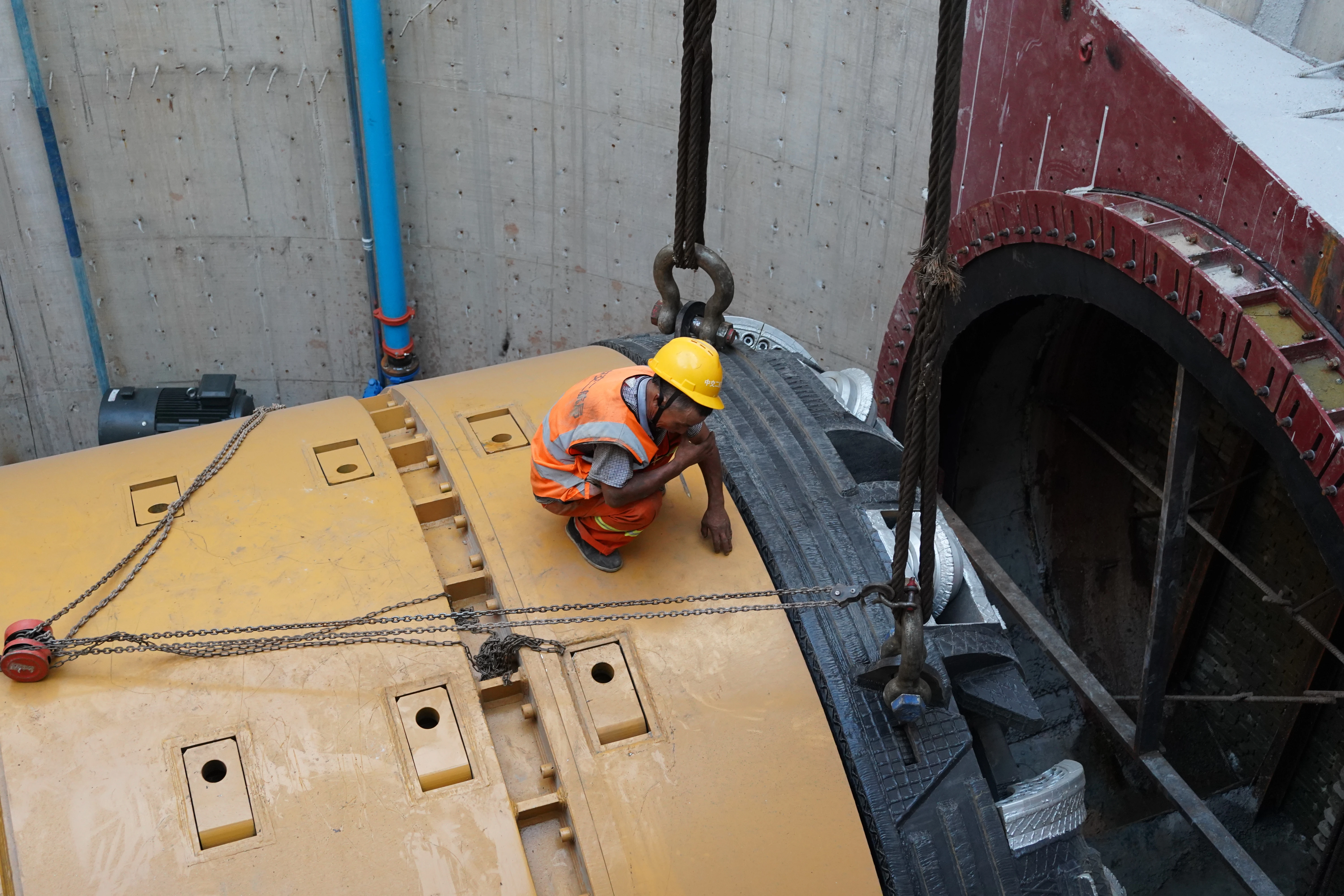
You need to check the ground before digging a tunnel. Find out how much clay is in the soil. Take samples from boreholes and test them in a lab. Check how sticky the clay is and how much water it holds. This helps you pick the right tunnel boring machine. It also helps you plan for clay build-up. Look at old tunnel projects nearby. This gives hints about what might happen. Good planning stops surprises and keeps your tunnel safe.
On-Site Prevention Methods
You can use different ways to stop clay from piling up. For slurry tunnel boring machines, add more agitator paddles. Make sure they reach into the suction zone. This keeps clay moving and stops it from sticking. Add extra slurry supply nozzles to spray jets at the tunnel bottom. This breaks up clay and helps it flow out.
Use chemical additives to make clay less sticky. These agents lower the force between clay particles. This makes clay easier to move. The table below shows how each agent helps during tunnel digging:
|
Additive Type |
Effect on Clay |
Benefit for Excavation |
|---|---|---|
|
Foam and anti-clay agent |
Reduces stickiness |
|
|
Anti-clay agent |
Improves flowability |
Easier spoil removal |
|
Composite anti-clay agent |
Stops clay from clumping |
Less adhesion to metal parts |
Training operators is important too. If you know how to watch torque and control jack speed, you can spot problems early. You can adjust the tunnel machine to keep digging safe and smooth.
Rapid Response to Clay Jams
If you see signs of a jam, act quickly. Stop the machine and check the cutterhead and spoil system. Remove clay by hand if needed. For auger boring, clear the auger flights and casing. For microtunneling, flush the system with slurry. Use extra nozzles to break up blockages. Always watch torque and thrust closely. Keeping the tunnel clear avoids long delays and damage.
Tip: Make a checklist for your team. Quick action during digging can save your tunnel project from costly downtime.
Keep checking the tunnel for changes over time. Clay can cause trouble years after digging. Regular checks and maintenance help you find problems early. This keeps tunneling in clay safe.
You need to keep an eye on clay build-up. This helps stop jams in your tunnel machine. If you find problems early, your project stays safe. Regular maintenance is important for safety. The best solution depends on tunnel size and length. Flexible tunnels let clay move more easily. Rigid tunnels make clay rise quickly. Talk to experts to pick the right method for your site.
FAQ
What makes clay build-up so dangerous during tunnel excavation?
You face a big risk because clay can block your tunnel machine fast. Clay sticks to metal and slows excavation. You must act quickly to keep excavation safe.
How can you spot clay build-up early during tunnel excavation?
You should watch the cutterhead torque and thrust force. If you see changes, clay may block your tunnel. Early checks help you avoid a full excavation stop.
What should you do if a tunnel boring machine jams during excavation?
You need to stop excavation right away. Check the cutterhead and spoil system. Remove clay by hand or flush the system. Fast action keeps your tunnel project safe.


